
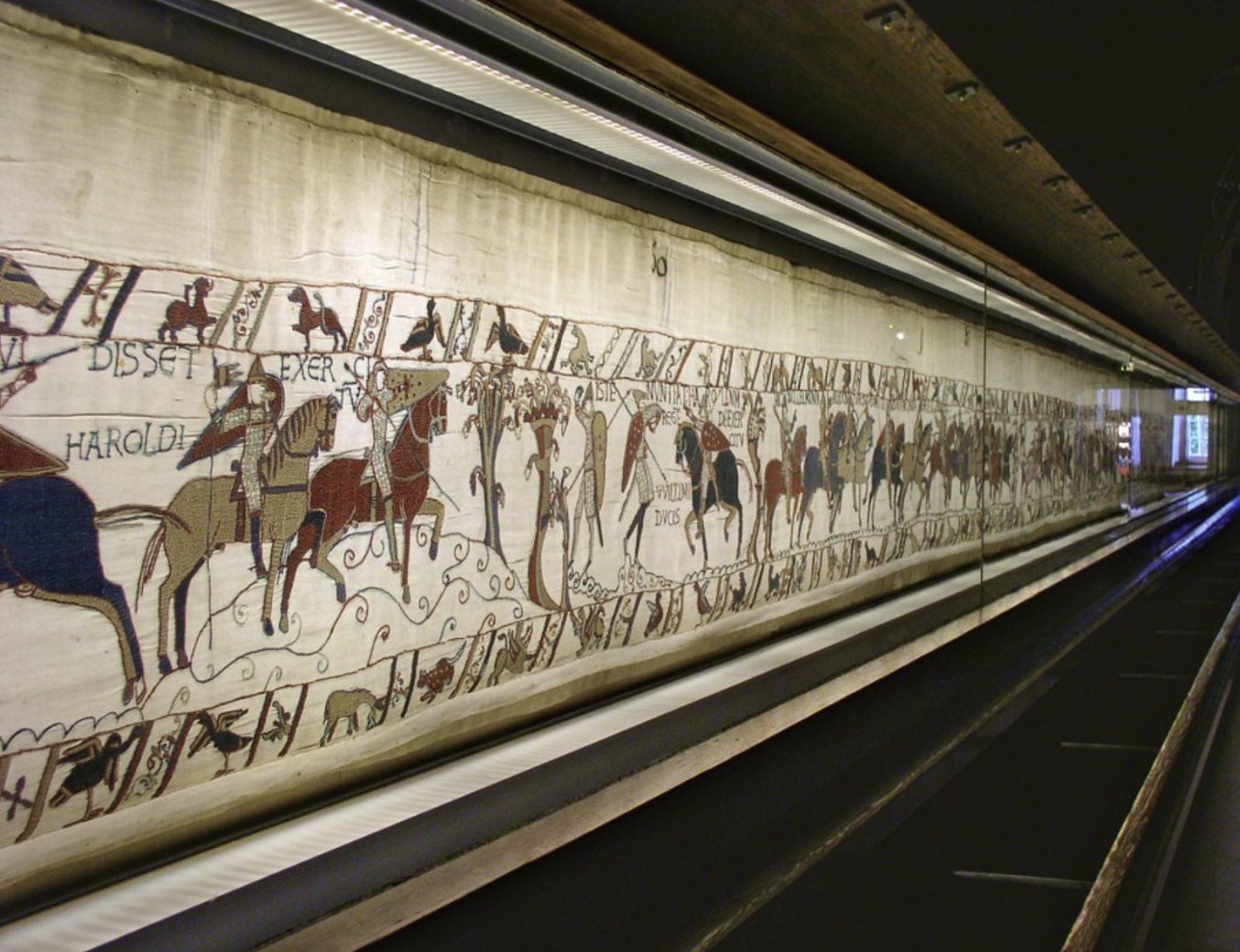
The Bayeux Tapestry: UNESCO’s European “Memory of the World”
March 29, 2024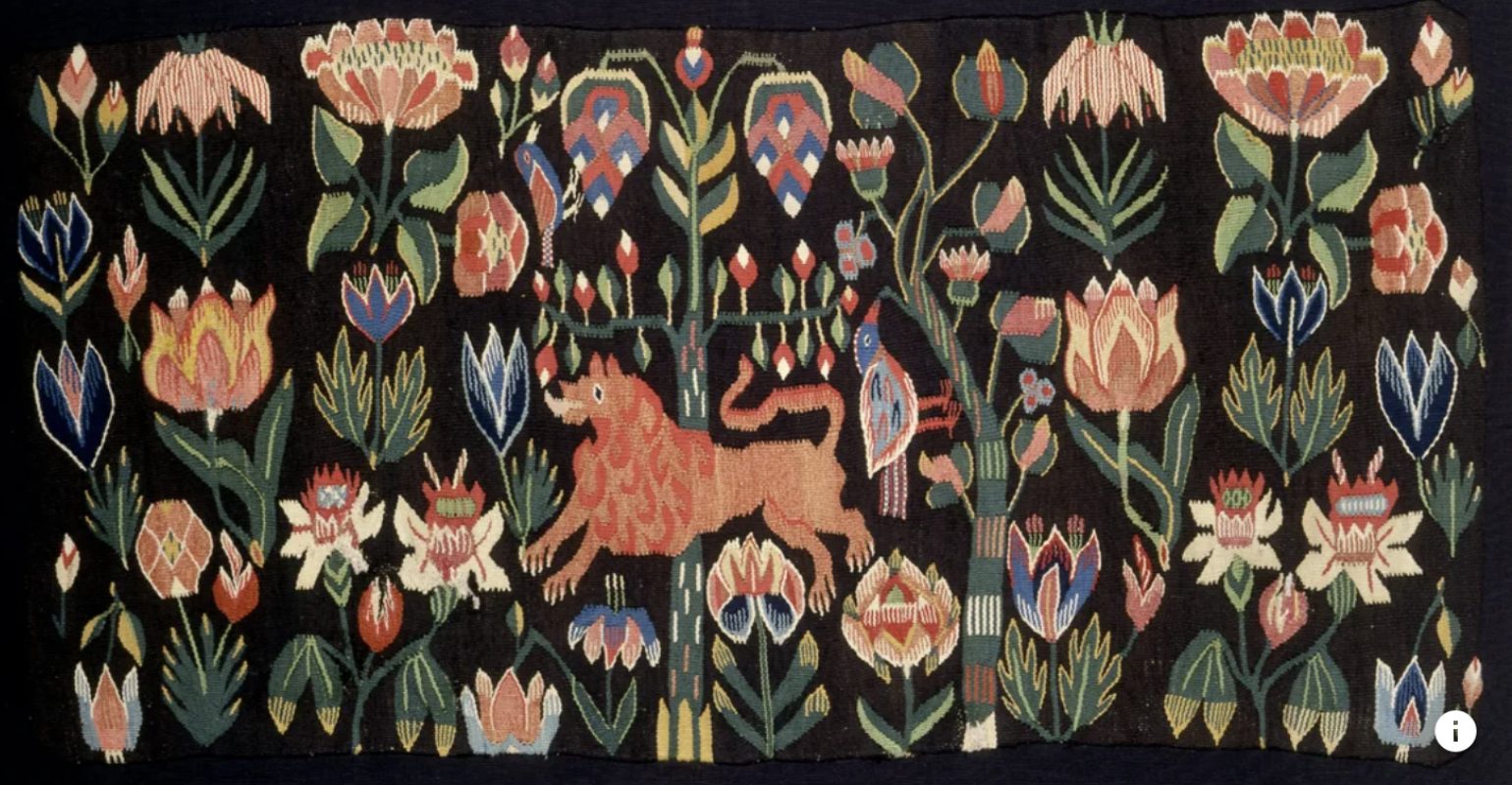
The Khalili Collection of Swedish Textiles: The Only Extensive Collection of Swedish Flatweaves Outside Scandinavia
March 29, 2024
Centro de Arte Moderna
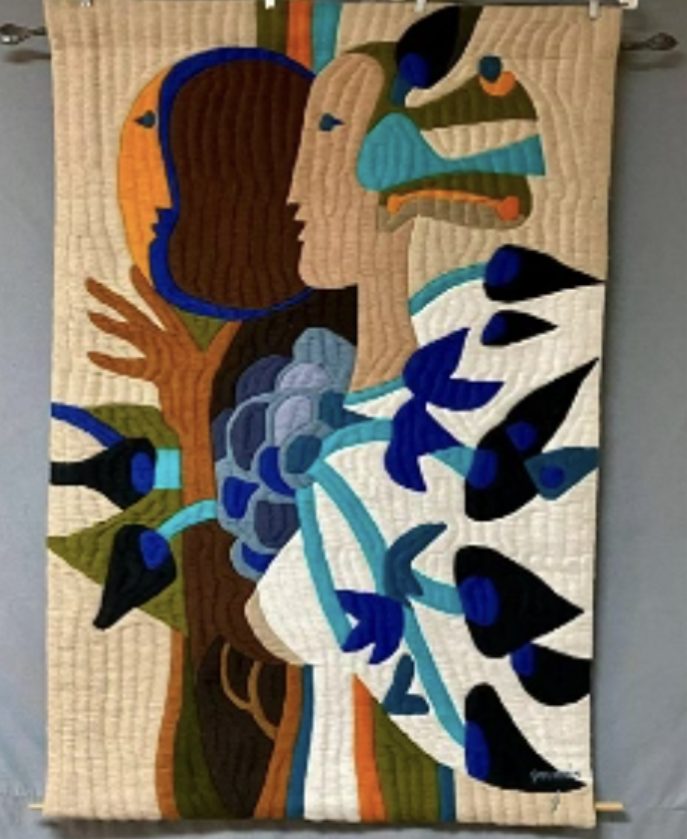
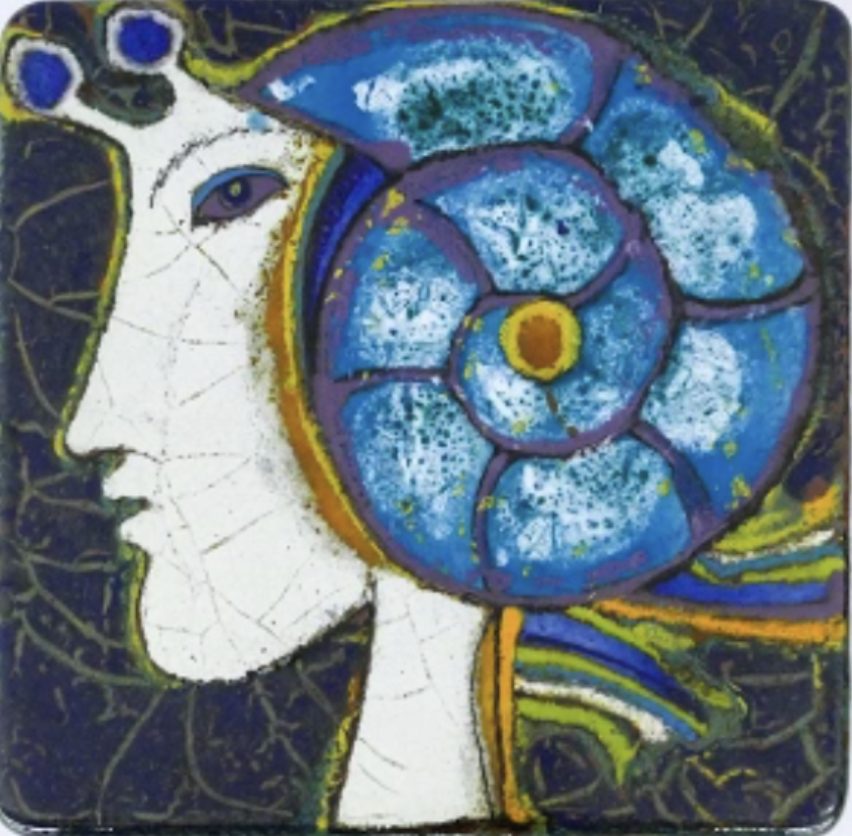
Querubim Lapa de Almeida, born in Portimão in 1925, experienced a transformative moment during his visit to the Portuguese World Exhibition in 1940, exposing him to diverse artistic expressions. Trained in sculpture and painting, his work became distinguished by its diversity, with a particular emphasis on innovative solutions in his ceramic creations. Beyond ceramics, his enduring interest spanned design, painting, tapestry, and printmaking. His artistic journey commenced in 1941 under the guidance of painter Trindade Chagas and continued at the António Arroio School of Decorative Arts and the Afonso Domingues Industrial School. Exhibiting alongside Pedro Oom and Júlio Gil in 1942 marked the beginning of numerous group exhibitions, both in Portugal and internationally. Notably, in 1953, he represented Portugal at the São Paulo Art Biennial.
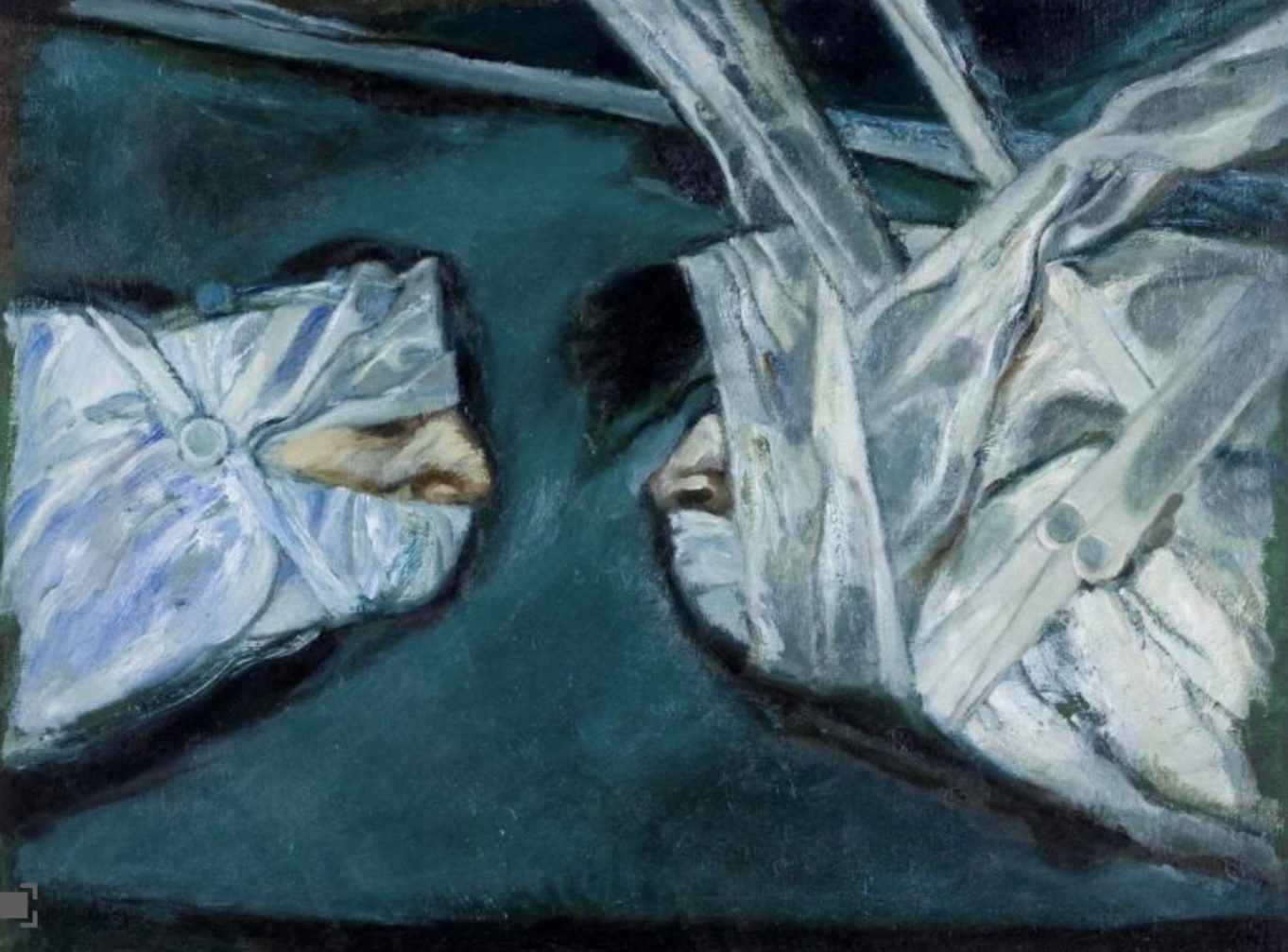
In his series Massacres, Assaltos [Robberies], and Conferências de Imprensa [Press Conferences], Lapa responded to the deluge of violent news reports dominating both national and international press during that period. His paintings depicted figures with obscured faces and bodies resembling debris, echoing disturbing and unsettling imagery. Employing a palette of bold contrasts and employing more expressive gestures, these distressing figures departed from stylization, embodying a heightened dramatic expressiveness. His notable works are showcased in prominent institutions, including the Tokyo Museum of Modern Art, the National Museum of Contemporary Art – Museu do Chiado, the Soares dos Reis National Museum, the National Azulejo Museum, and the Modern Art Centre at the Calouste Gulbenkian Foundation.
Centro de Arte Moderna
Centro de Arte Moderna
From 1947 to 1950, Lapa attended the sculpture course at the Lisbon School of Fine Arts under the tutelage of Leopoldo de Almeida. His educational journey continued in Porto, where he studied at the Porto School of Fine Arts with Barata Feyo. After completing the sculpture course in 1953, followed by the painting course in 1978, at the Lisbon School of Fine Arts, he embarked on a career in teaching.
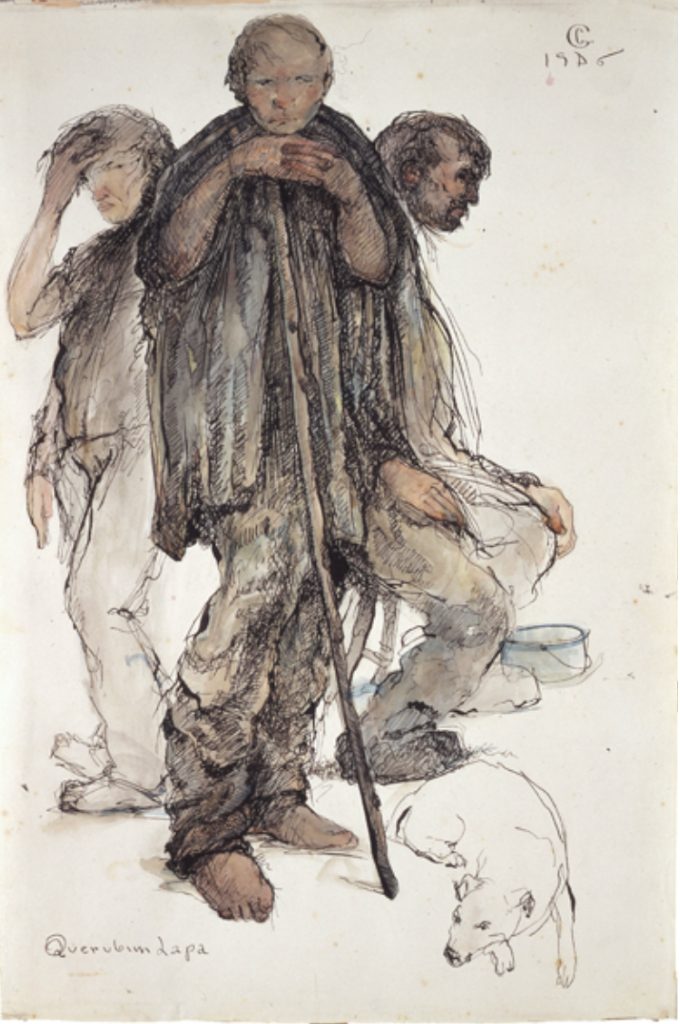
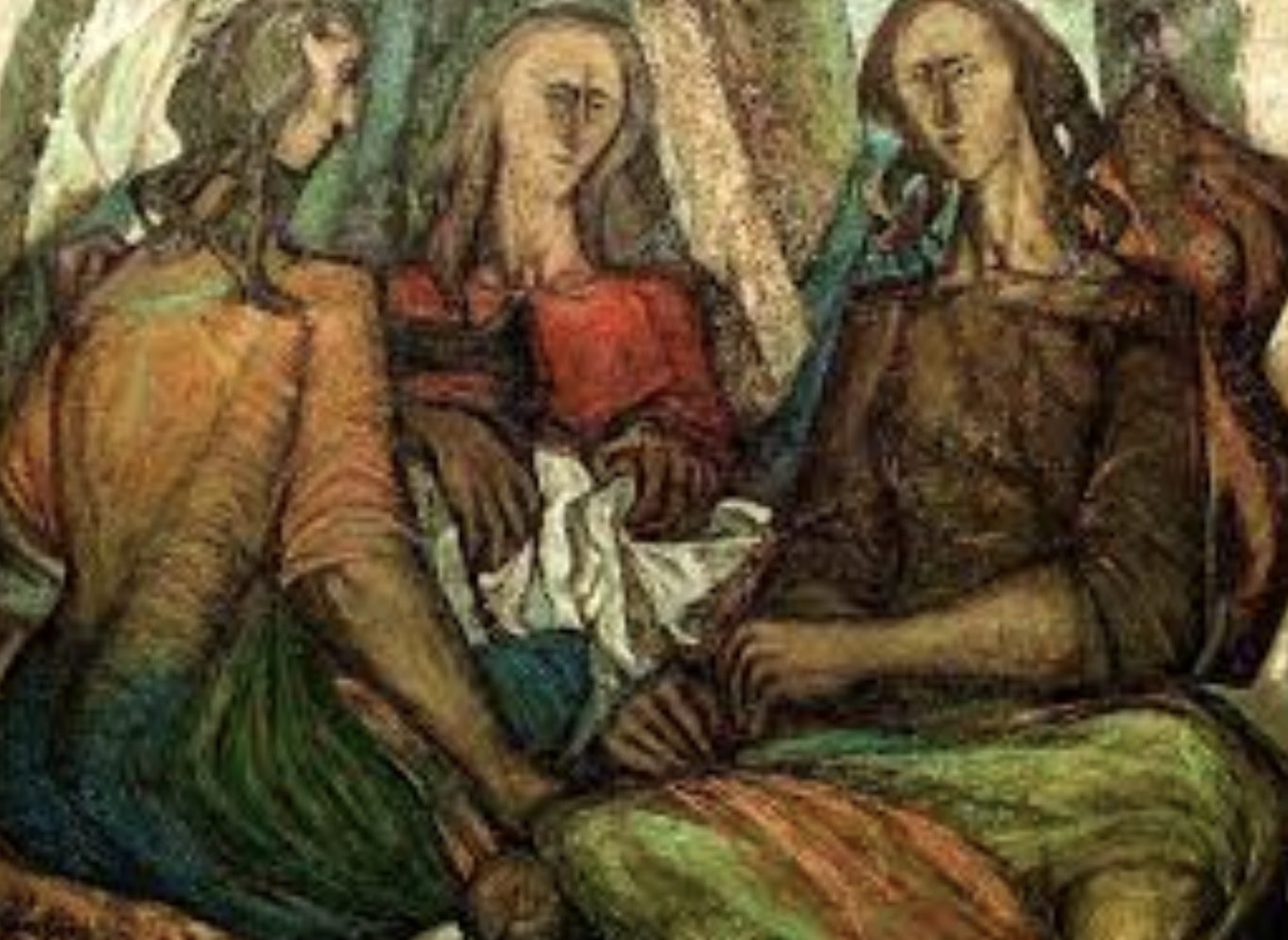
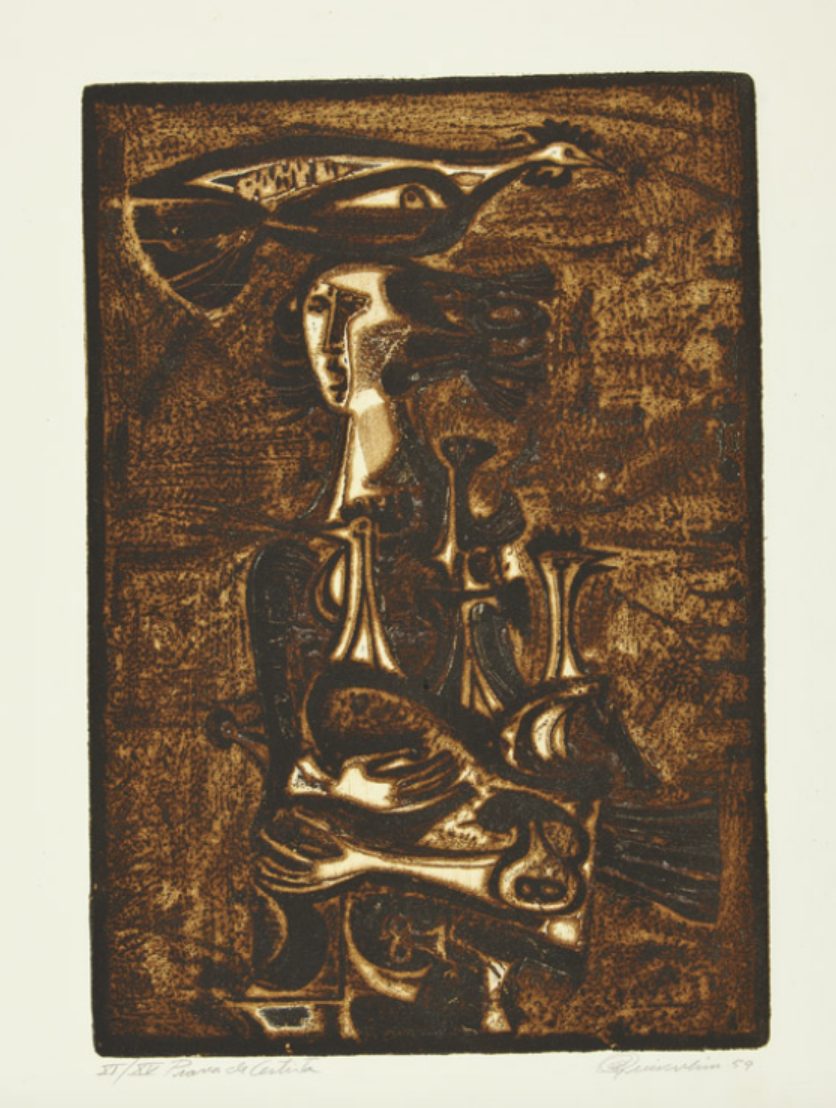
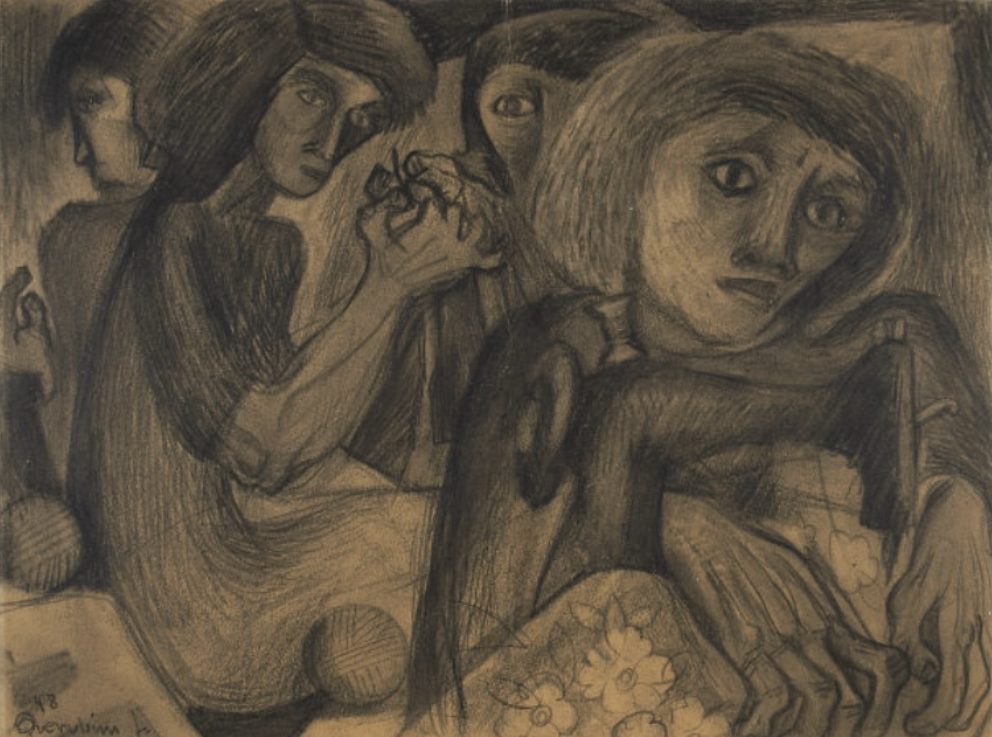
Throughout his years of study, Querubim Lapa de Almeida’s distinctive artistic traits emerged, characterized by a lucid line, a nuanced treatment of light, and a recurring focus on peasant women as central figures. The period of neo-realism in 1945 and 1946, marked by his beggar series, solidified his commitment to everyday themes. This thematic choice persisted in subsequent series inspired by the circus in 1948 and notable works such as the 1949 painting “As Costureiras” [The Seamstresses].
Centro de Arte Moderna
Centro de Arte Moderna
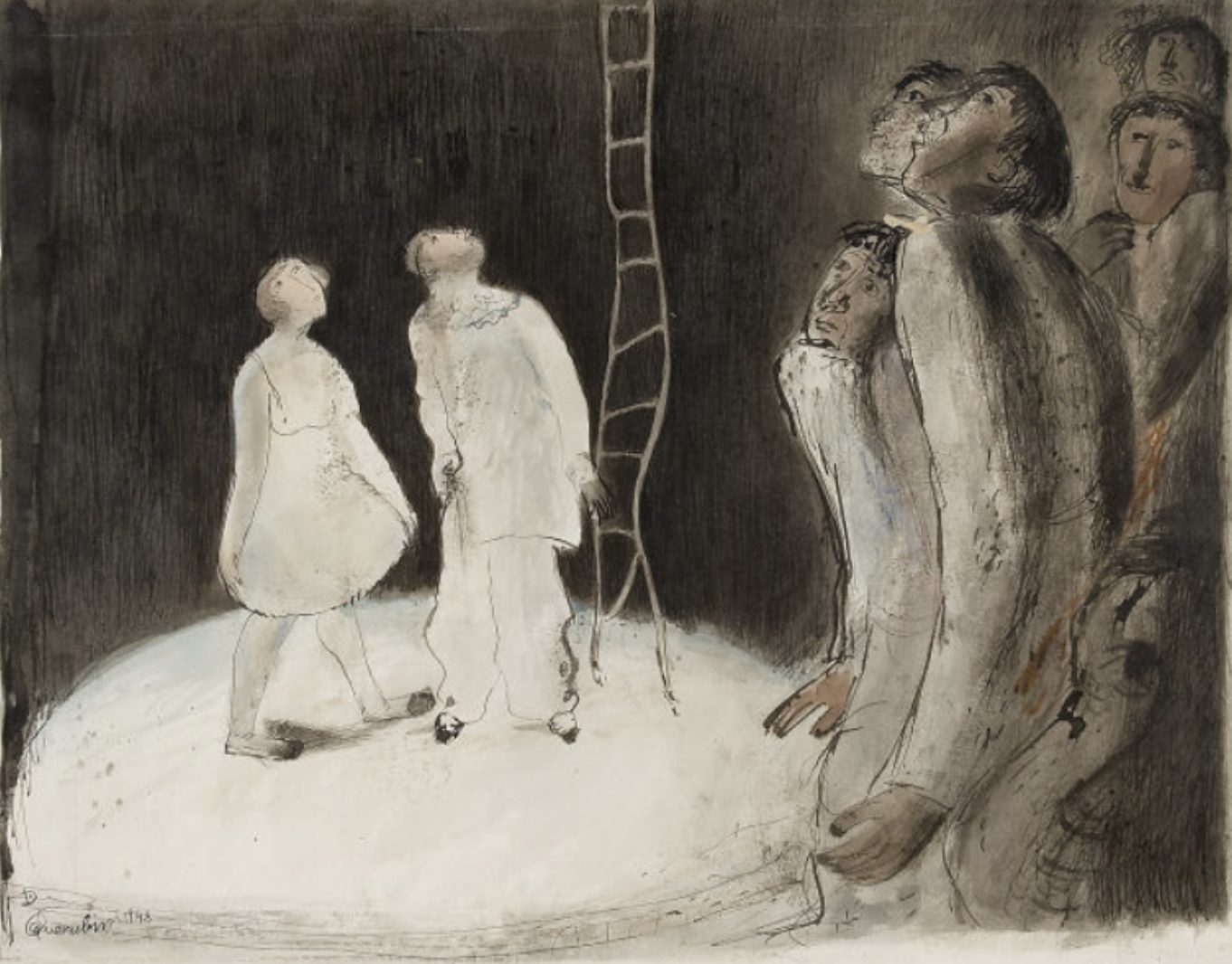
In 1948, during his enrollment in the sculpture course at the Lisbon School of Fine Arts, Querubim Lapa manifested the influence of his artistic education in the sculptural rendering of the bodies in this composition above, particularly evident in those positioned on the right side, which project volumetric prominence against the background. The figures, characterized by elongated and stylized bodies, don simple gray-toned attire, symbolizing their inherent fragility. Engaging in leisure activities at the circus, they convey the everyday tension of struggle, anxiously observing the movements of an acrobat who, inferred from the composition, performs without a safety net, mirroring the uncertainty of their own destinies.
The composition is bifurcated by a rope ladder, up which the central figure ascends, creating a division between the bonhomie expressed on the left, illuminated by an intense spotlight featuring an assistant and clown, and the apprehensive group of spectators on the right, witnessing the unfolding ‘action.’ This circus theme, explored by Lapa in the 1948 series, exemplifies the artist’s commitment to capturing the reality of the impoverished, depicting simple figures in their everyday grays. Lapa’s dedication to remaining “close to the problems” of others is evident in this poignant portrayal.
Centro de Arte Moderna
Centro de Arte Moderna
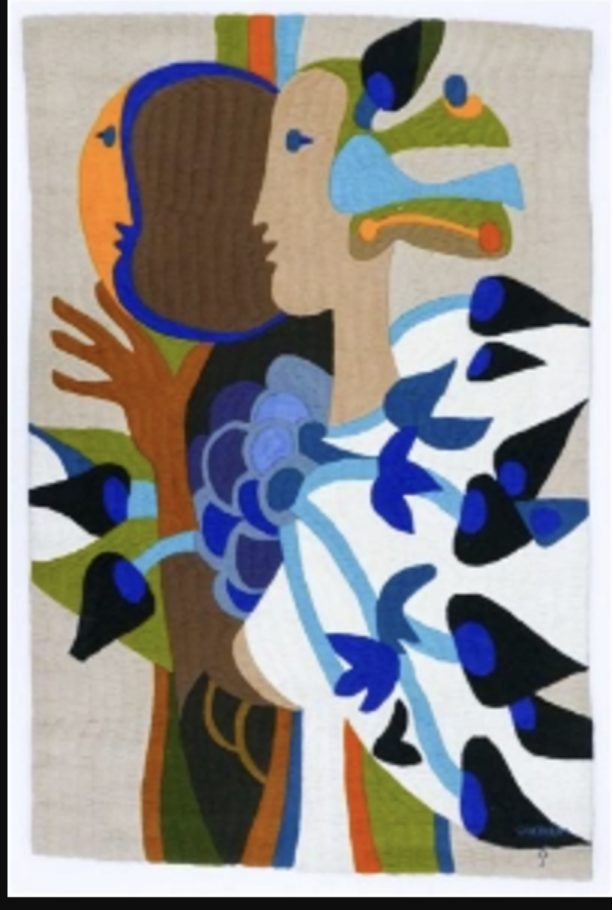
In 1954, a pivotal year for Lapa, he commenced a collaboration with ceramics manufacturer Viúva Lamego, securing an atelier for his work. This collaboration led to the creation of a panel of patterned tiles for the arcade facades in the Restelo Shopping Centre. Over the years, Lapa’s artistic contributions extended through numerous collaborations with architects, producing panels for both public and private buildings. Notable examples include the panel designed for the Dean’s Office at the University of Lisbon (1961), one on Avenida 24 de Julho in Lisbon (1994), and another at Bela Vista station in the Lisbon Metro (1998). In 1955, Querubim Lapa de Almeida commenced his teaching career at the António Arroio School of Decorative Arts, where he introduced innovative teaching methods and techniques. His involvement in Gravura – Portuguese Printmakers Co-Operative, formed in 1956, led to his first solo exhibition in 1960 at the cooperative’s headquarters, featuring paintings, prints, and ceramics.
During the 1960s, Lapa shifted his focus from painting, a medium he would later revisit in the mid-1970s, to ceramics. Despite this change, he had already extensively developed his technique and formal practice in ceramics, gaining national and international acclaim. This phase in ceramics built upon the abstract studies he initiated in painting in the previous decade. In an interview during this period, Lapa explained that his choice of artistic expression was driven by the needs of his creative process. While deeply engaged in ceramics from 1956 to 1973, a journey to European museums and ateliers in the 1970s rekindled his passion for painting. He expressed that ceramics, at that moment, seemed limiting. After creating a series of paintings paying homage to Monet’s Water Lilies in 1974, Lapa entered a highly politicized phase at the end of the decade (1974-8), identifying himself as an ‘intervening painter.’
Centro de Arte Moderna
Centro de Arte Moderna
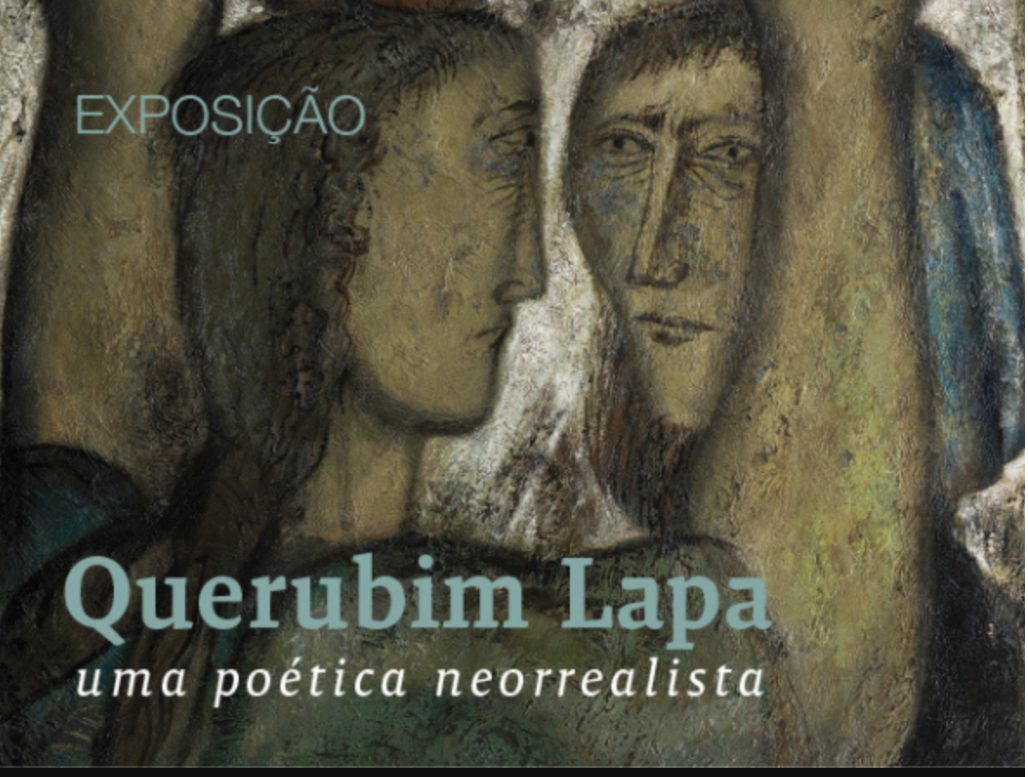
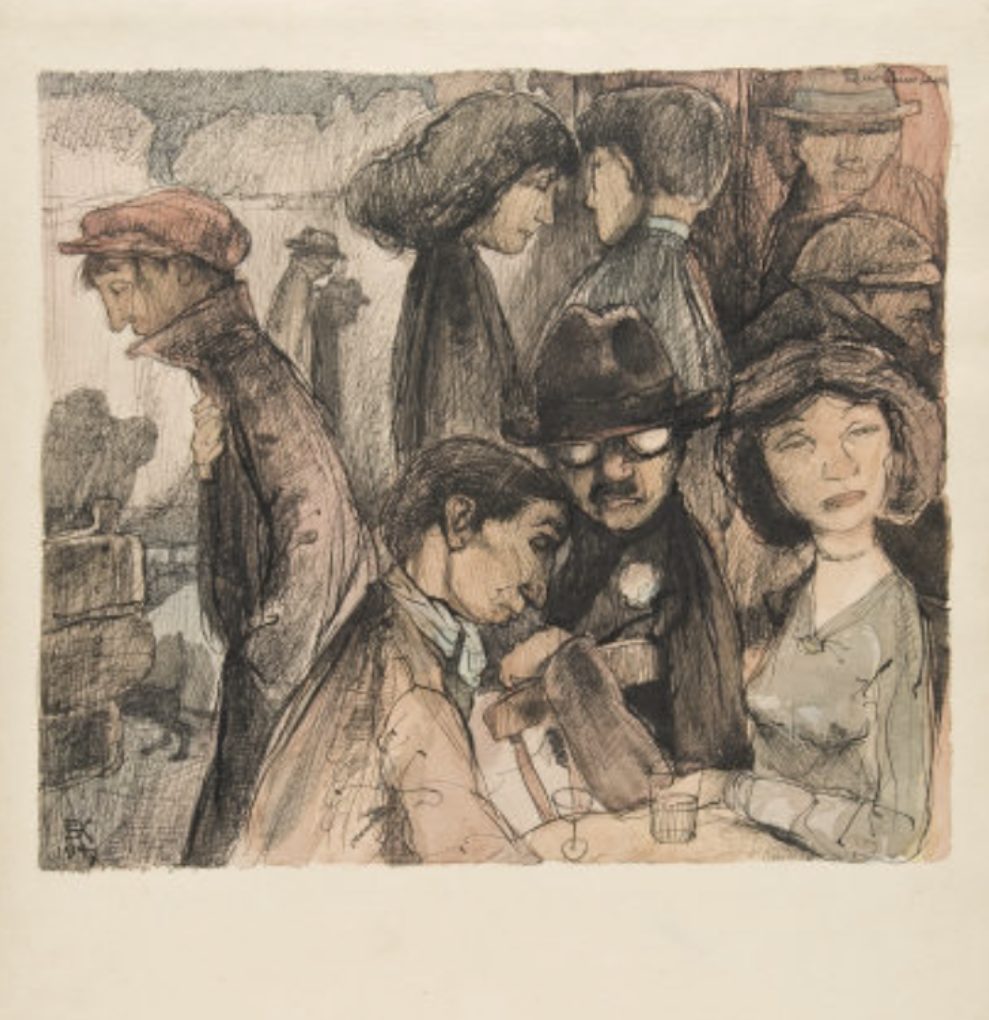
The Museu do Neo-Realismo showcased 15 masterpieces from the CAM Collection in the 2023 exhibition titled ‘Querubim Lapa, uma poética neorrealista‘ [Querubim Lapa, a neo-realist poetics]. Commencing in June 2023, this exhibition at the Museu do Neo-Realismo in Vila Franca de Xira will provide an immersive exploration into the artistic legacy of Querubim Lapa, an eminent artist hailing from the Algarve region. Curated by David Santos, the museum’s scientific director, the exhibition meticulously assembles a significant body of work primarily from the 1940s and 50s, a period when Lapa’s artistic expression reached its pinnacle, with a predominant focus on painting and drawing.
This exhibition stands as a testament to the museum’s commitment to disseminating, researching, and presenting artists who played pivotal roles in the evolution and establishment of neo-realism. Querubim Lapa (1925-2016) holds a distinguished position as one of the most notable representatives of the Neo-realist movement in Portugal. The CAM Collection boasts 18 exemplary works by Lapa, encompassing paintings, drawings, prints, and ceramics. Fifteen of these remarkable pieces embark on a journey to Vila Franca de Xira, where they will captivate audiences in the exhibition until October 2023.
Centro de Arte Moderna
Centro de Arte Moderna
At Rug & Kilim, we take great pride in honoring historical traditions by upholding the authentic forms of art. One more great artist whose tapestry joined our rich repertoire of tapestries, which not only exemplifies the artist’s unique vision but also serves as a bridge between the historical roots of the craft and our contemporary appreciation of true artistic expression, is Jean Lucrat.
Read more about him here – https://rugandkilim.com/blogs/a-guide-to-jean-lurcat-pioneer-of-the-mid-20th-century-tapestry-renaissance/
Comment or reach out with your thoughts on Lapa’s life and works, and keep an eye on our collection of tapestries for other rare acquisitions.