
A Profile on Querubim Lapa and his Expressive European Tapestries
March 29, 2024
Contemporary Tapestries Exploring Politics and Modern Conflicts in Light of Diedrick Brackens and Erin M Riley’s Work
April 1, 2024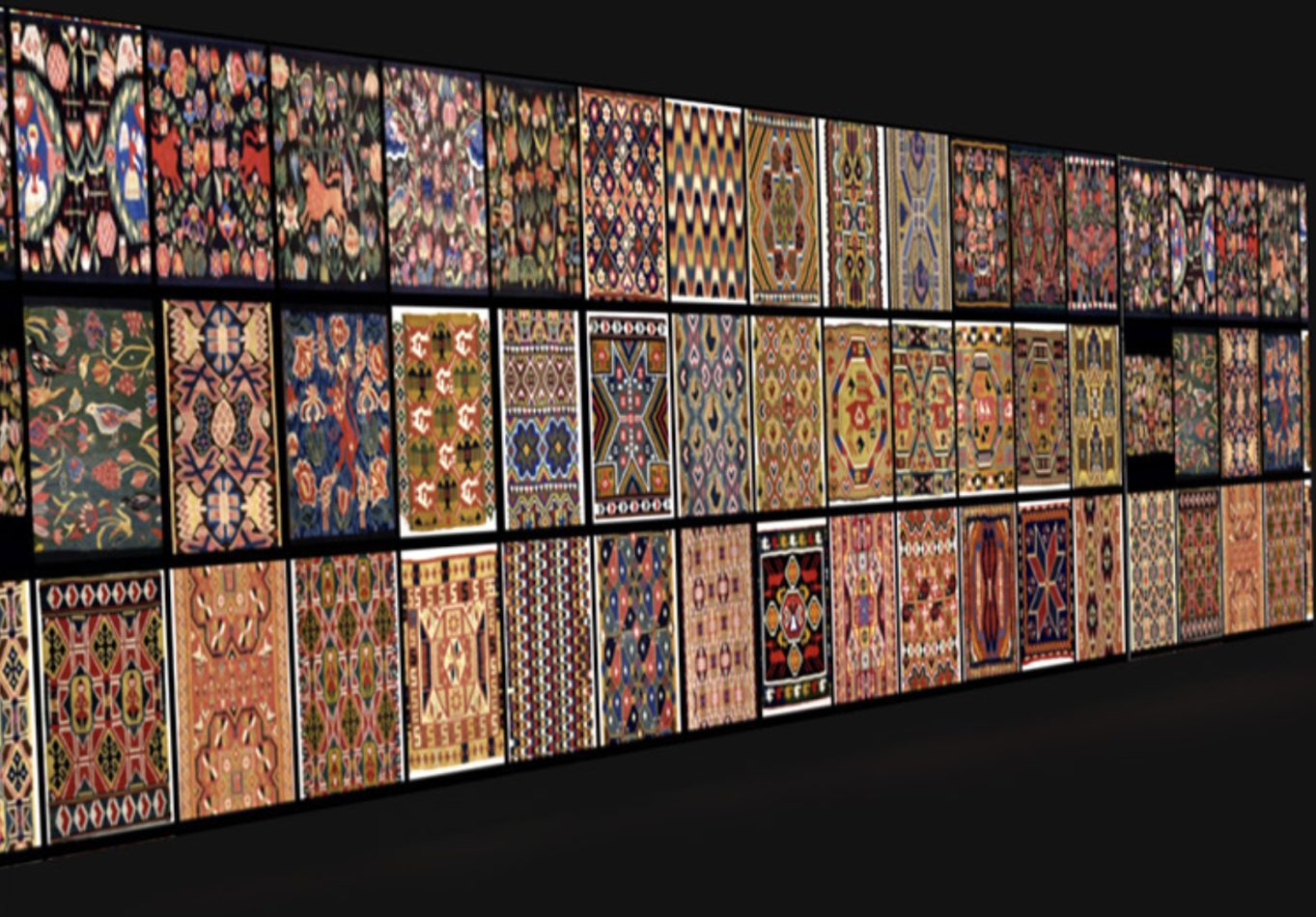
The Khalili Collections
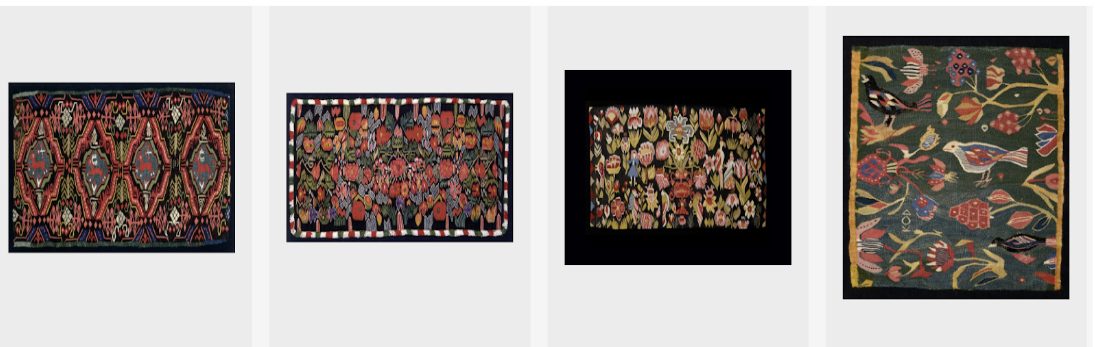
The Khalili Collection of Swedish Textiles is a private assembly of textile art curated by the British-Iranian scholar, collector, and philanthropist Nasser D. Khalili. Developed over a span of 25 years, the collection encompasses 100 works, and it stands among eight other Khalili collections, each recognized as paramount in its respective field. Acknowledged in 2008 as “the only extensive collection of Swedish flatweaves outside the country,” it predominantly features textiles originating from the Scania region in southern Sweden. The pieces predominantly date from the mid-18th to the mid-19th centuries, with a focus on a hundred-year period. Primarily crafted for wedding ceremonies, these textiles not only played a ceremonial role but also served as a testament to the artistic prowess and skill of the weavers. Often adorned with symbolic illustrations of fertility and longevity, the collection seeks to counter the undervaluation of art created by anonymous artisans, as noted by Khalili.
The Khalili Collections
The Khalili Collections
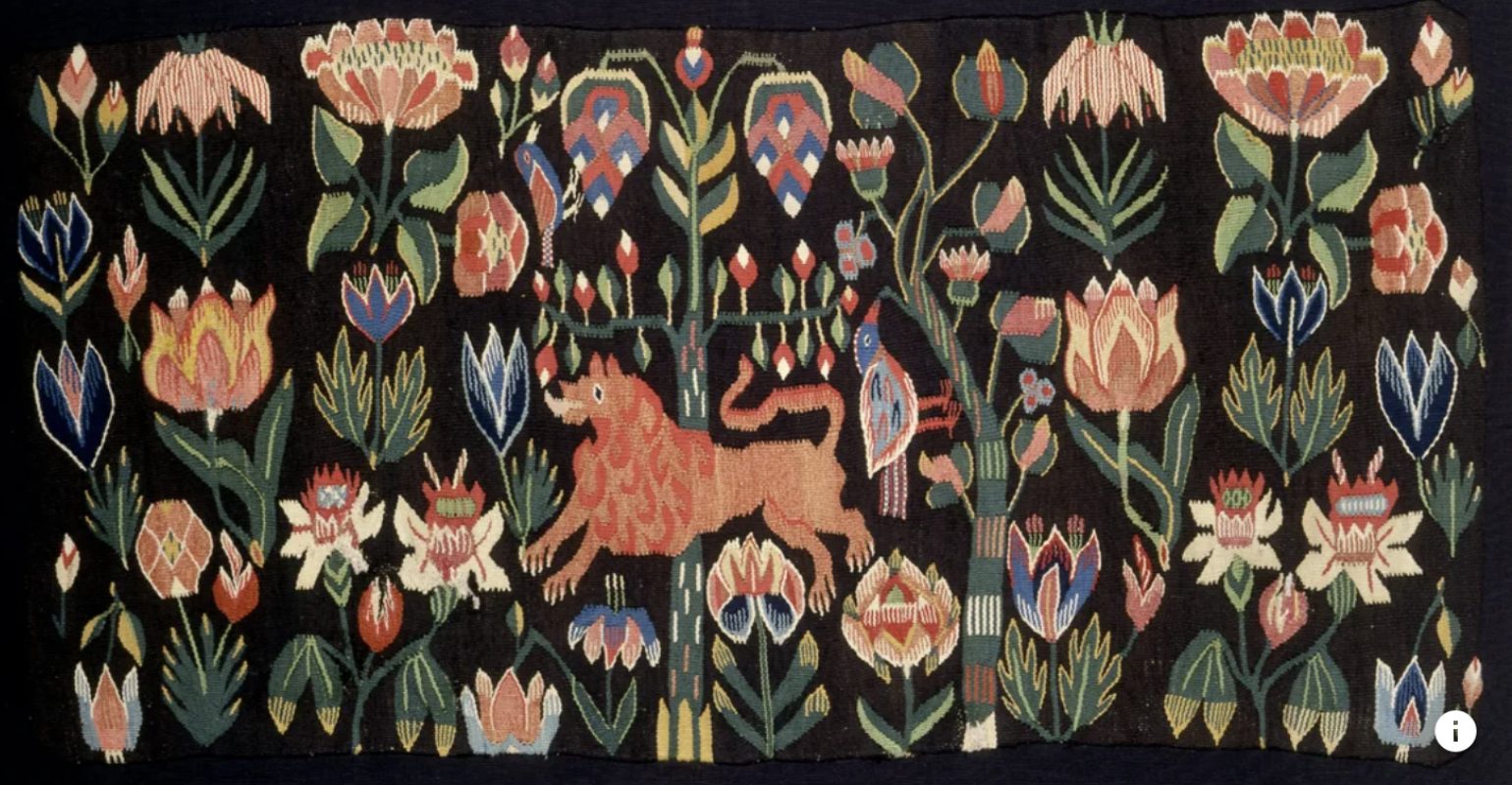
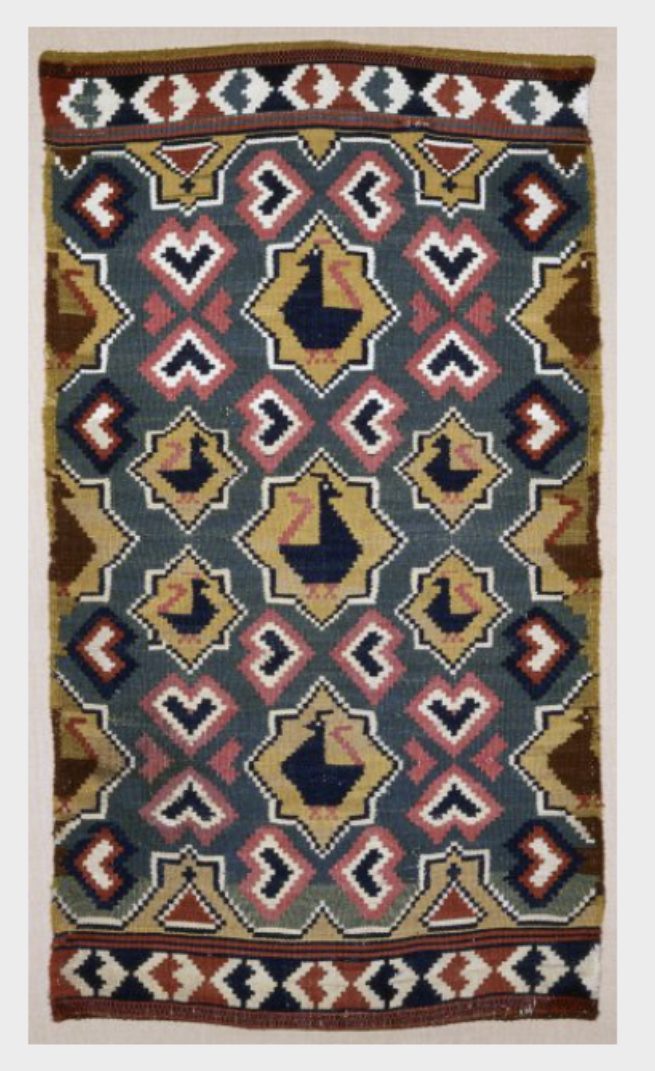
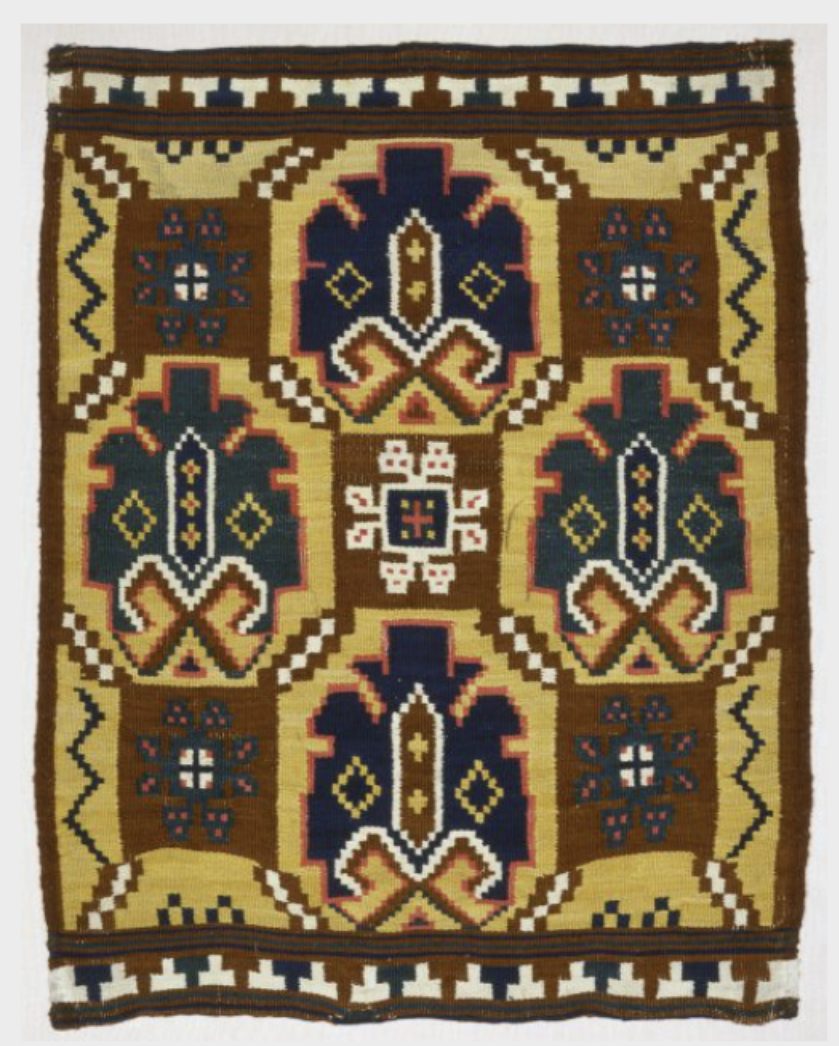
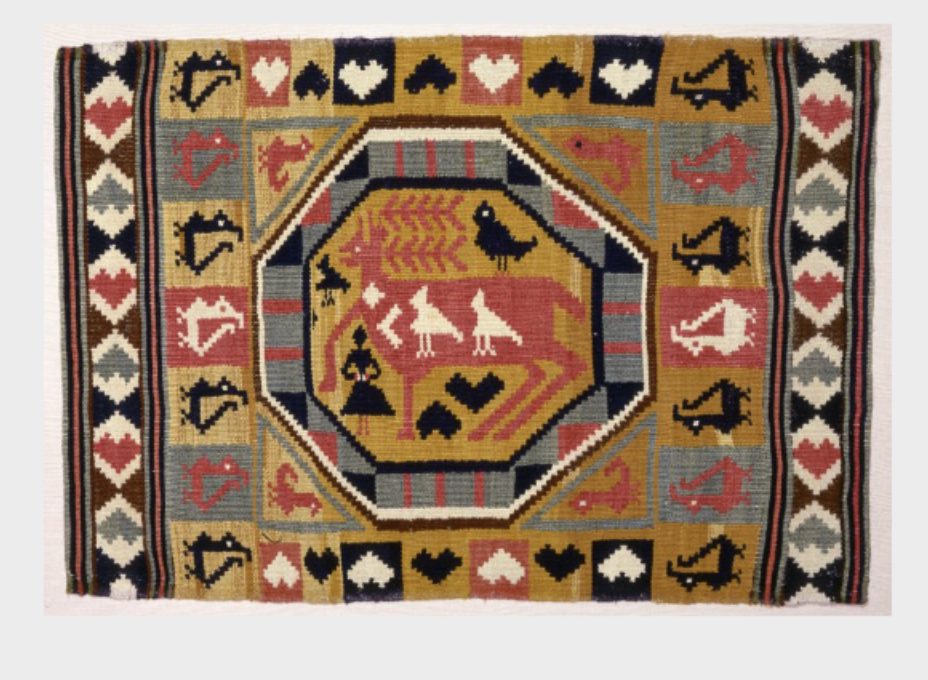
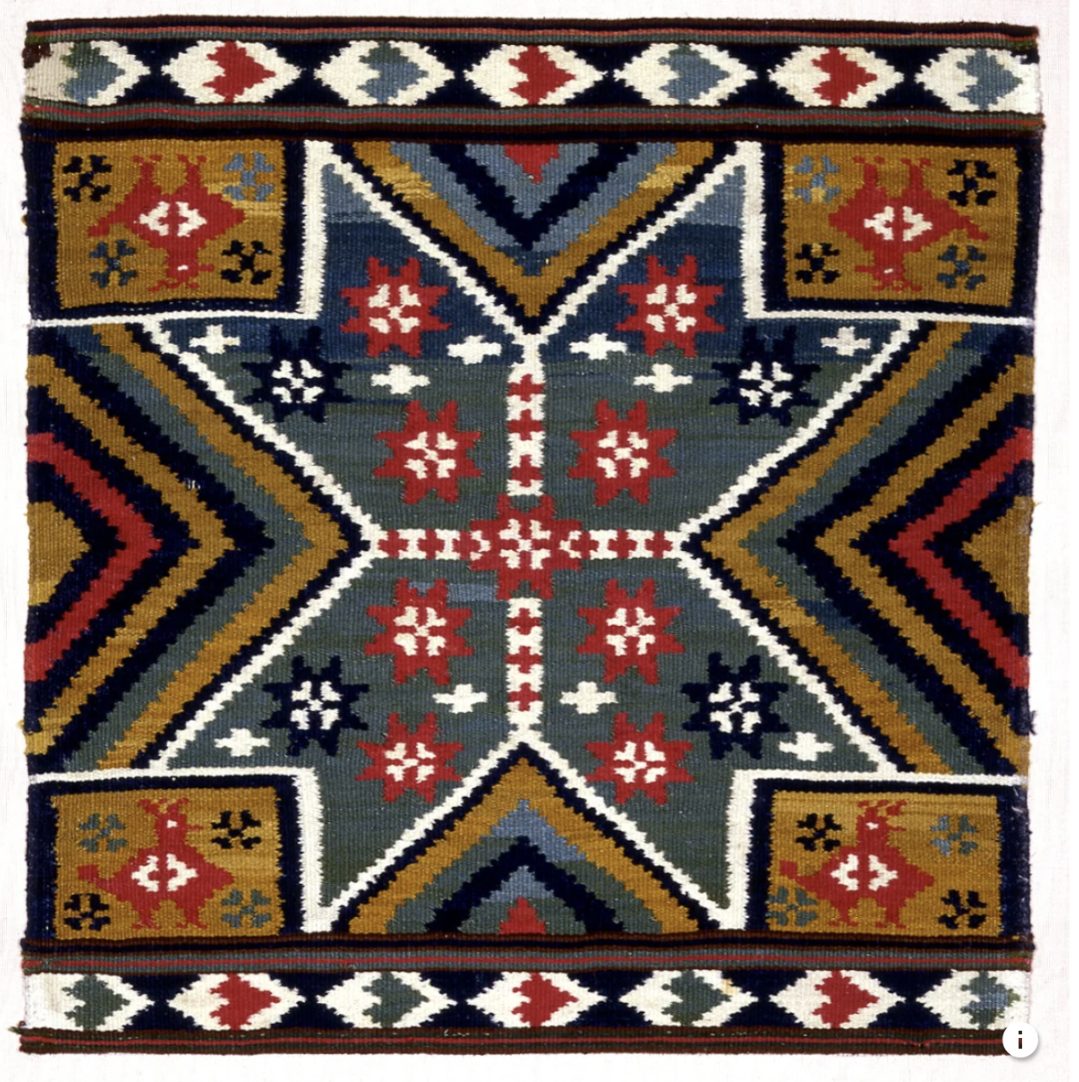
The textiles within the Khalili Collection exhibit variations of a distinct set of design motifs, incorporating hunt scenes, stars, and geometrical shapes. Despite sharing these motifs, each textile stands unique, distinguished by differences in color, size, motif positioning, and combinations. Noteworthy consistency exists across different techniques, with the exception of dove-tail tapestry, which displays more realistic and naturalistic designs. While stylized animals within octagons are prevalent in other textiles, dove-tail tapestries more frequently feature naturalistic animals or birds enclosed in a circle. The limited travel of textile creators beyond their villages led to the incorporation of imagery drawn from nature, local superstitions, and religion. Furthermore, the influence of textile art from diverse cultures is evident, given the historical trade of textiles across Europe and Asia, with pictorial designs from the Near East known to have been imported to Sweden by the fourteenth or fifteenth century.
Each item has been preserved and studied with great care and affection, and in 1996, over 90 of these pieces were cataloged by the art historian Viveka Hansen. This comprehensive catalog is featured in the publication titled “Swedish Textile Art: Traditional Marriage Weaving from Scania.” Presently, the Collection proudly boasts the largest assemblage of this type of textiles outside of Sweden.
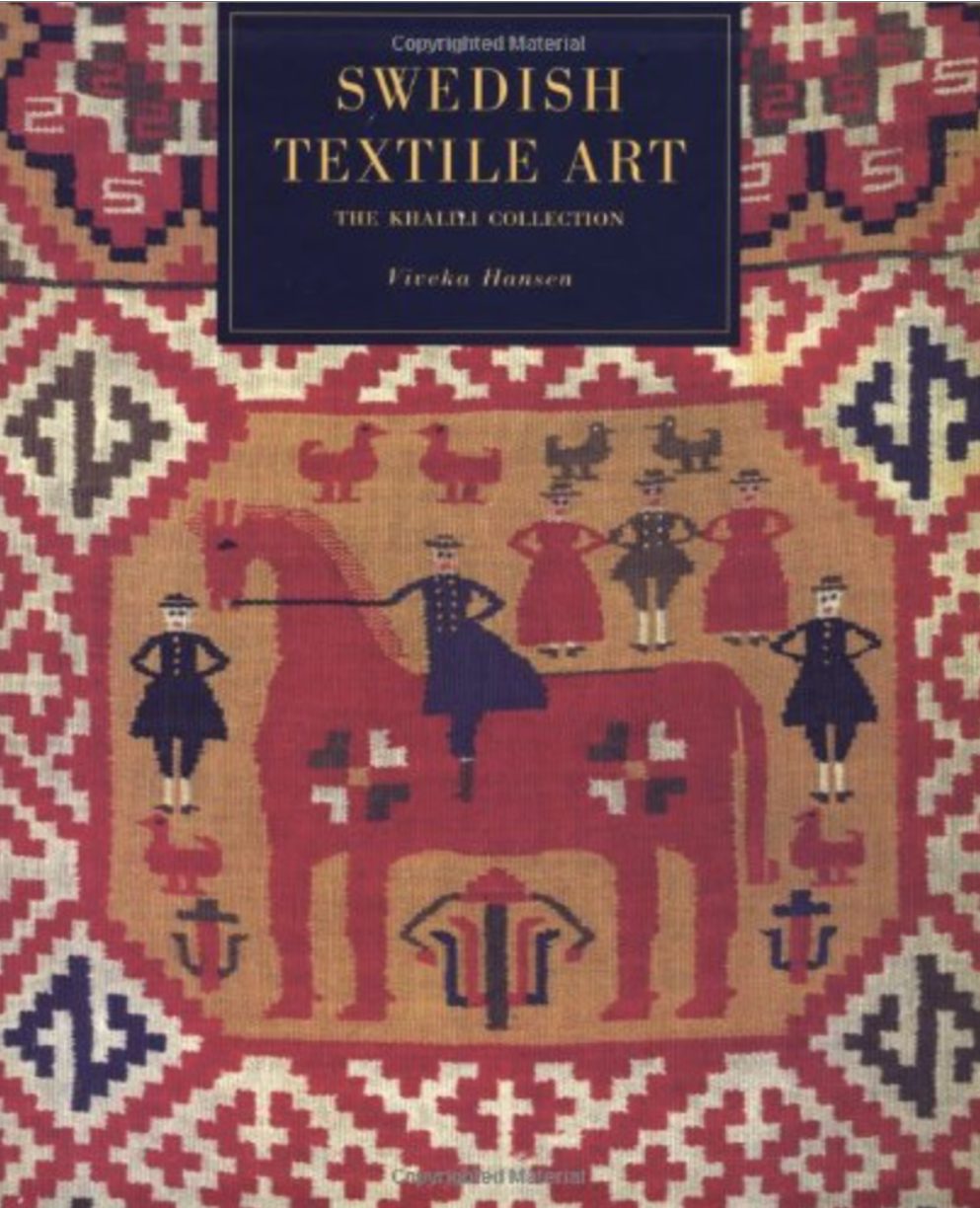
The tradition of textile weaving among the agricultural communities and urban residents of the historical province of Skåne (or Scania), located at the southernmost part of Sweden, has been a longstanding practice dating back to at least the 16th century. In 1925, Emelie Wilhelmina von Walterstorff (1871-1948) eloquently expressed in the opening chapter of her book on textiles housed at the Nordiska museet in Stockholm: “[Textile art] seems to have become instinctive to the Swedish woman and inseparable from the appointments of the Swedish home. During the course of centuries, in which the art has been carried on, certain methods and many characteristic and beautiful designs became traditional.”
The Khalili Collections
The Khalili Collections
The Khalili Collection, comprising a hundred art pieces, serves as a testament to the diversity and proficiency of Swedish textile artists. Predominantly strong in interlocked tapestries and dove-tail tapestries, the collection also encompasses examples of various other techniques. Designs within the collection range from repeating patterns to those constructed around central motifs. Common motifs include depictions of people, animals, or birds within octagons or circles, presenting a comprehensive array of creature and geometric shape permutations. Notably, the collection features five objects showcasing prancing, open-mouthed deer within octagons, a highly esteemed design in Swedish textiles. An intricately detailed bed covering boasts six octagons, each containing pictorial scenes of people or horses.
The collection has been showcased in the following exhibitions:
- “Swedish Textile Art: The Khalili Collection” – February–March 1996 at IK Foundation, Pildammarnas Vattentorn, Malmö, Sweden.
- “Textiles de Scanie des XVIII et XIX Siècles dans la Collection Khalili” – March–May 2000 at the Swedish Cultural Centre, Paris, France.
- “A Monument to Love: Swedish Marriage Textiles from the Khalili Collection” – September–October 2003 at Boston University Art Gallery, Boston, Massachusetts, USA.
The Khalili Collections
The Khalili Collections
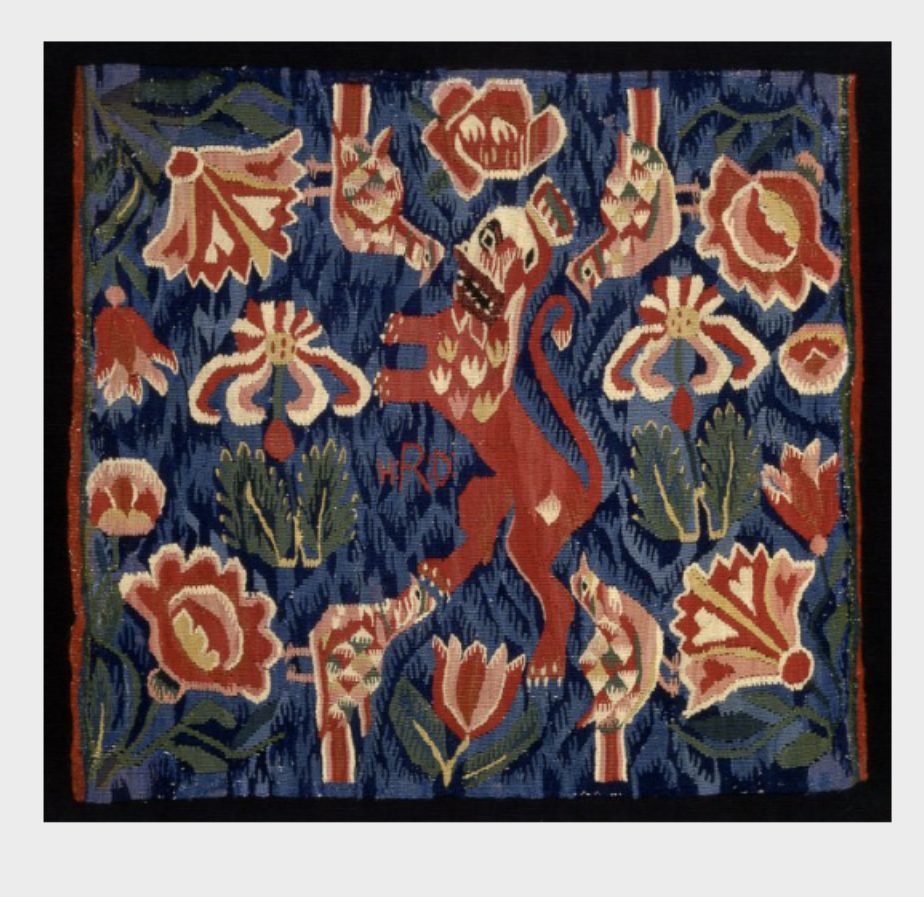
Among the collection, an interlocked tapestry portrays bäckahästar (mythological horses with horns), while a linen cloth with extra-weft patterning depicts lions. Dove-tail tapestries, known for their pictorial and realistic nature, are represented in the collection with depictions of the Annunciation, red lions, and naturalistic floral arrangements. Ascending floral lattice designs, potentially influenced by Italian art, appear across multiple objects. The collection also features an interlaced knots motif, commonly found in various decorative arts, exemplified through embroidered works and a knotted-pile cover, believed to originate in Kållandsö due to its design.
Noteworthy among the collection is the Marby Rug, a knotted-pile carpet discovered in a Jämtland church in 1925, believed to have originated from fourteenth- or fifteenth-century Anatolia. Depicting pairs of birds facing a tree under the wings of a great bird, the Marby Rug is the only known Eastern rug with this design. Multiple Swedish textiles, potentially inspired by this rug, replicate its design, and the Khalili Collection includes a cross-stitch embroidery featuring this distinctive pattern.
The Khalili Collections
Rug & Kilim’s Scandinavian Collection represents more than an iconic style, but a contribution to that style to revive and celebrate its founders. Our technique in handweaving Scandinavian rugs and Kilims deliberately and thoughtfully honors its founders — namely the women weavers, artisans, and pioneers of the movement — both in preserving the soul of this style and innovating it for the high-end designer rug market today.
Josh Nazmiyal and his Design team have spent years studying, reinterpreting and even refining the weaving process to best represent this style in a more accessible modern way. Our take on Scandinavian rugs includes adapting their geometric patterns to large sizes, new textures, a wider range of colors, and a more refined, yet comfortable fashion that still speaks to their intentions. Our Scandinavian flat weave rugs in particular have a thicker, weighty, and durable body that sit comfortably in any space regardless of foot traffic.
Read more about traditional Swedish textiles – https://rugandkilim.com/blogs/the-traditional-swedish-flamskvav-weaving-practice-scandinavian-folk-art-in-textiles/ and view our award-winning Scandinavian collection here – https://rugandkilim.com/product-category/scandinavian/