
Accessories
When you surround yourself with beautiful things, your life is truly enriched—a credo of our principals as true of rugs as it is of all the arts.
The art of handweaving is in the history of every culture, and its riches lie far beyond rugs. As admirers of fine things from all provenances, Rug & Kilims is proud to share their Accessories Collection as a new extension of our offerings in home decor. This curation of textiles, artifacts and treasures includes nomadic folk art, signatures works of Oriental and European artisans, wall-hanging ornaments, boxes, accent pieces and other collectible works of the woven world.
- Under 6 x 9
- Runners
- 6 x 9
- 8 x 10
- 9 x 12
- 10 x 14
- 12 x 15
- Over 12 x 15
- Pictorial
- Medalion
- Geometric
- Classic
Origin ▼
Style ▼
Material ▼
Width
Length
To connect with a specialist, click here
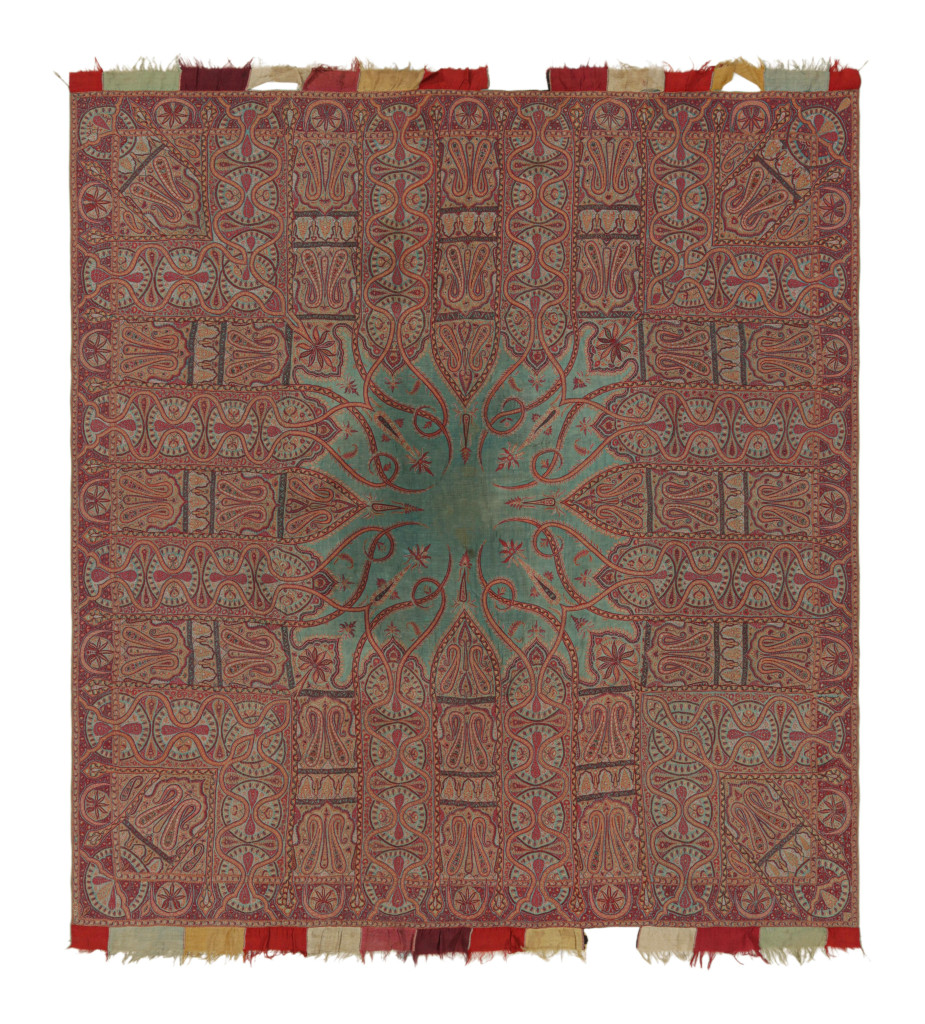
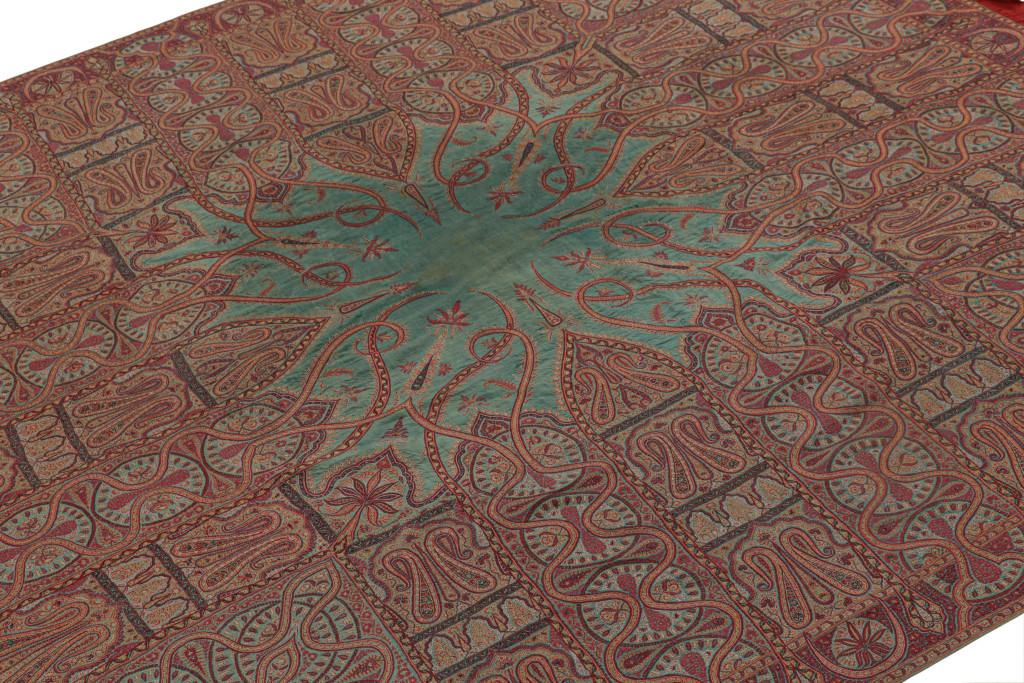 32271Antique 19th Century Art Nouveau Shawl with Medallion in Red & Teal - Rug & Kilim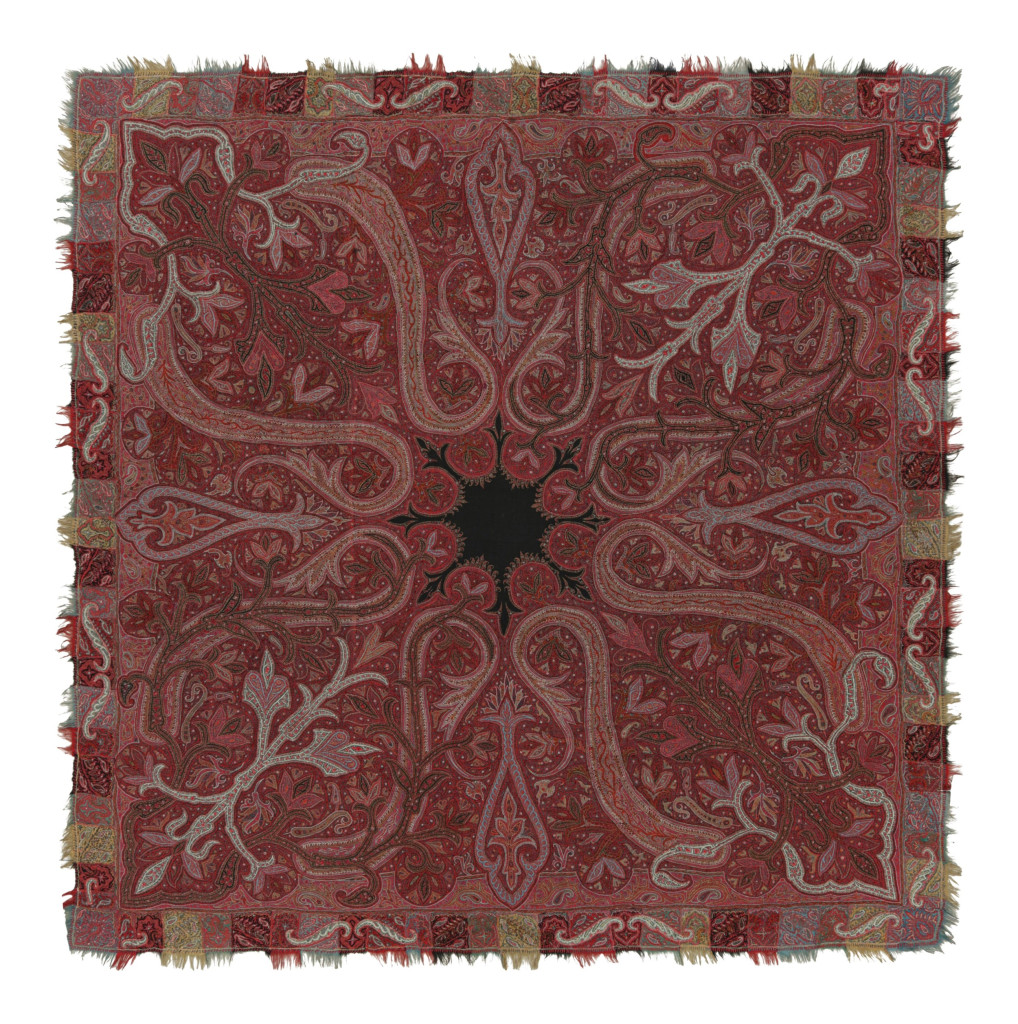
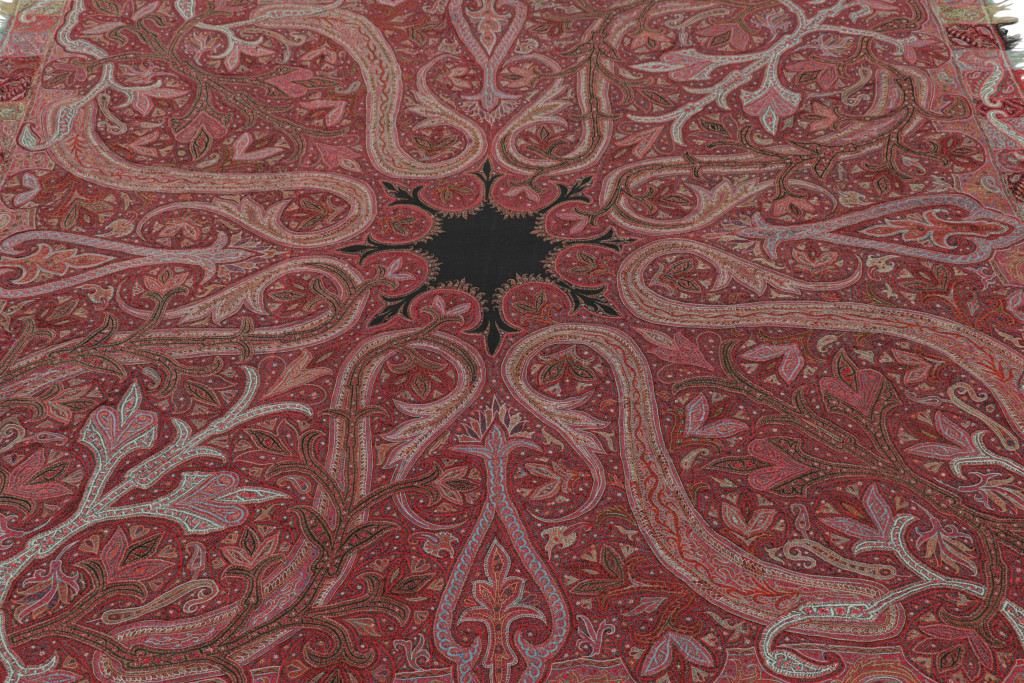 32274Antique Square Indian Shawl in Burgundy with Florals & Medallion - Rug & Kilim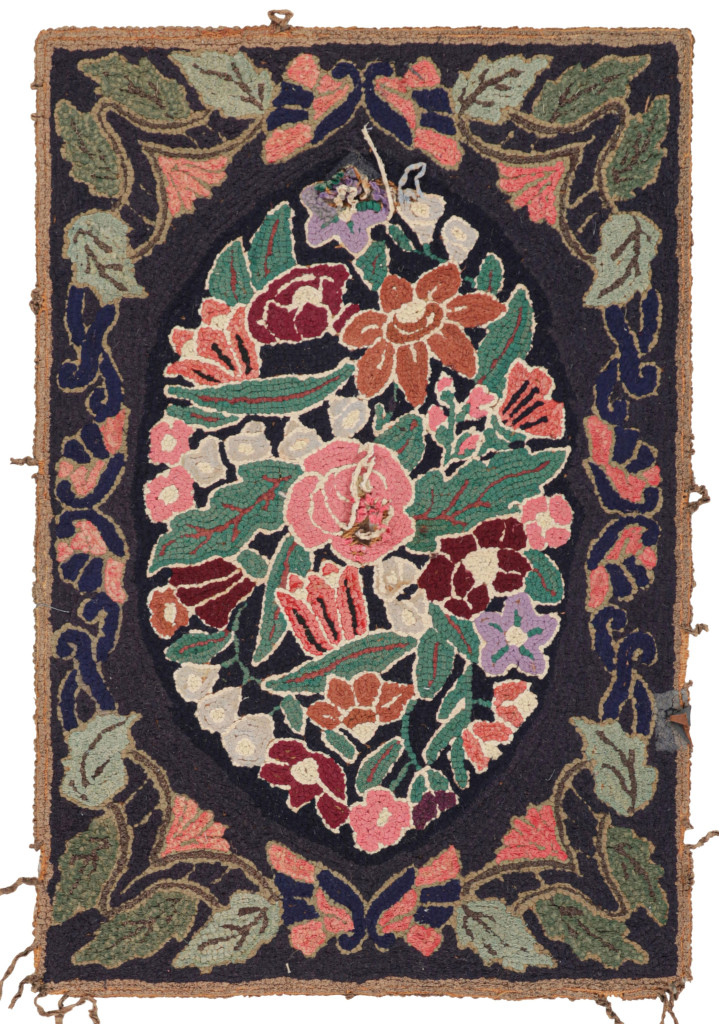
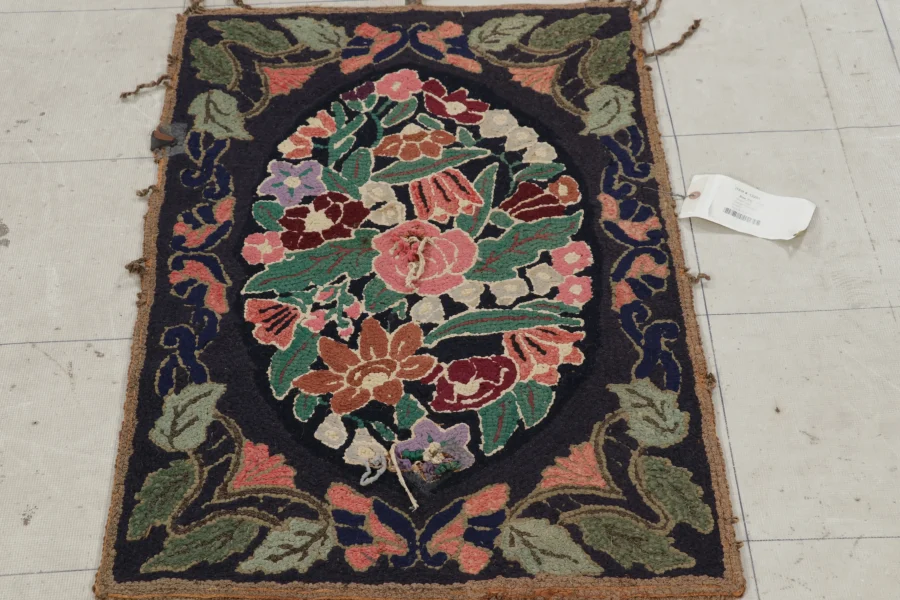 13291Antique Hooked Rug in Black with Floral Medallion & Patterns from Rug & Kilim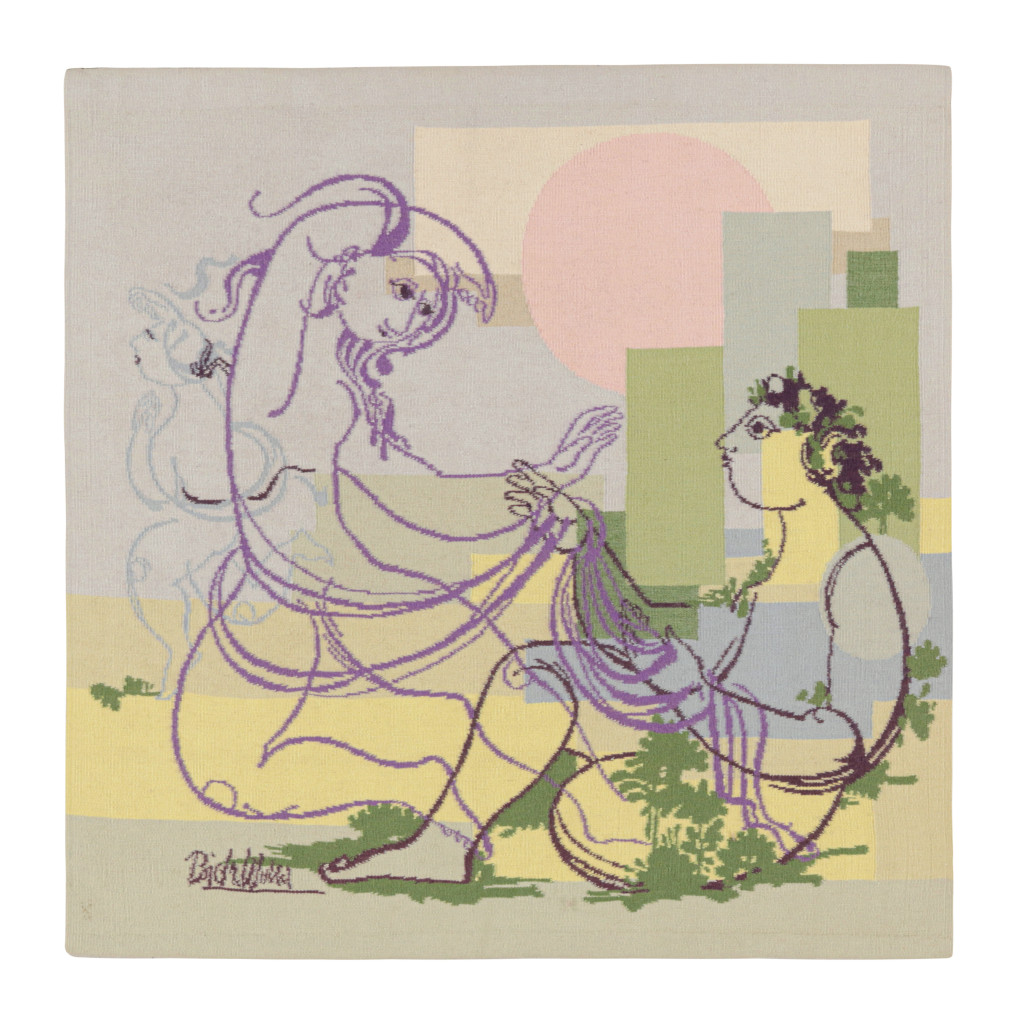
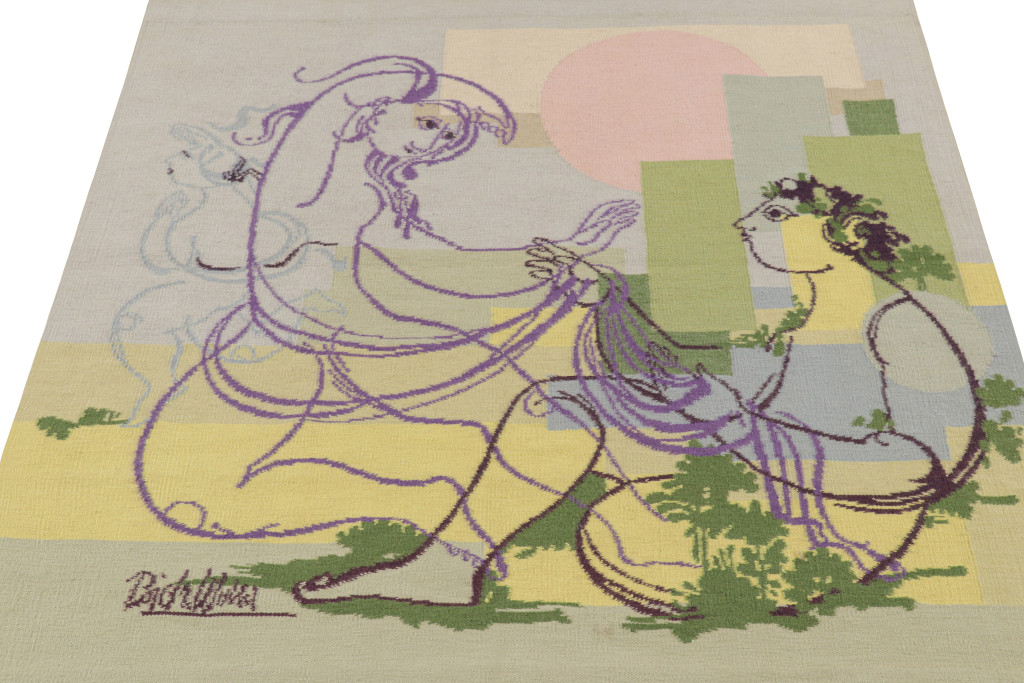 32277Vintage Signed Portuguese Square Tapestry with Romantic Pictorial - Rug & Kilim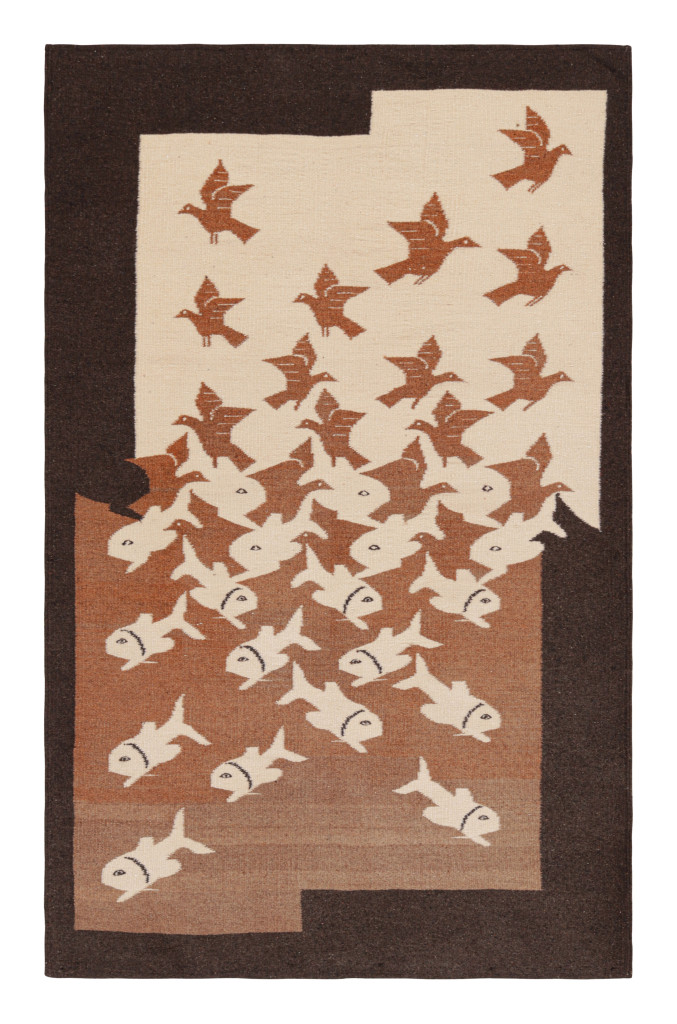
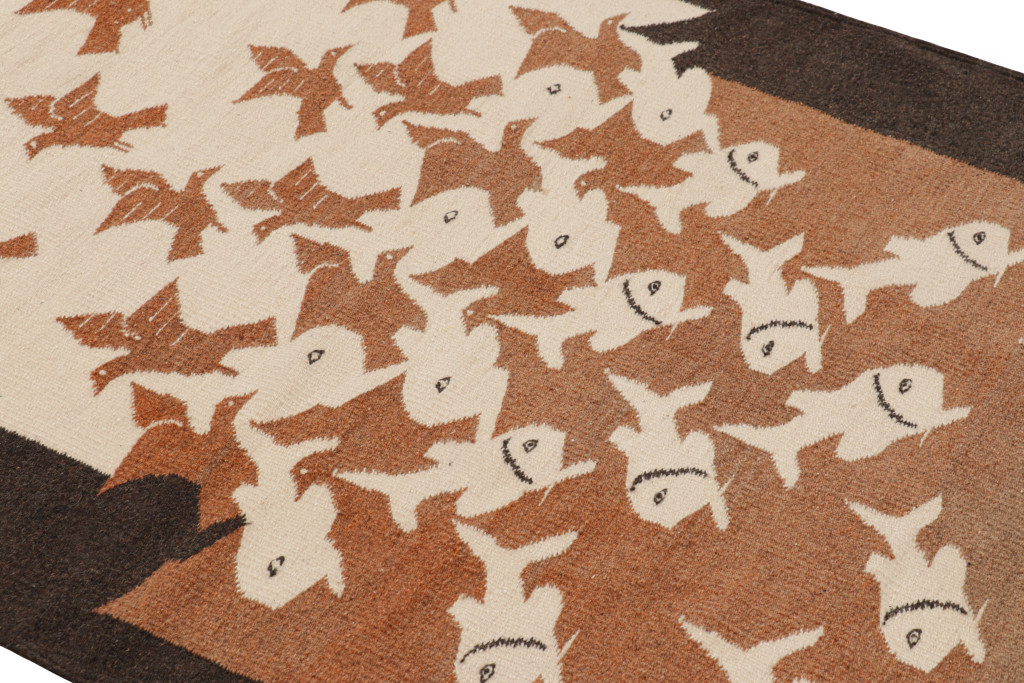 32364Rug & Kilim’s “Sky and Water II” M.C. Escher-Style Tapestry with Pictorials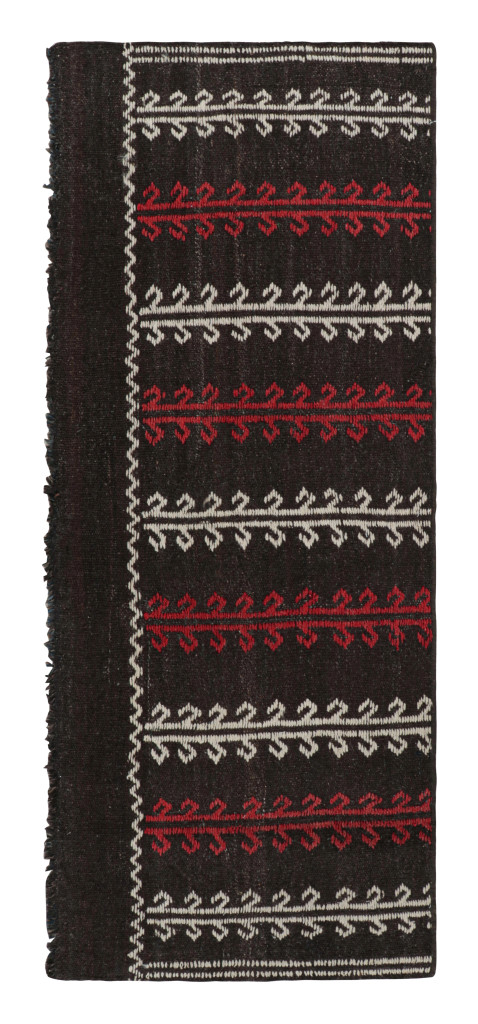
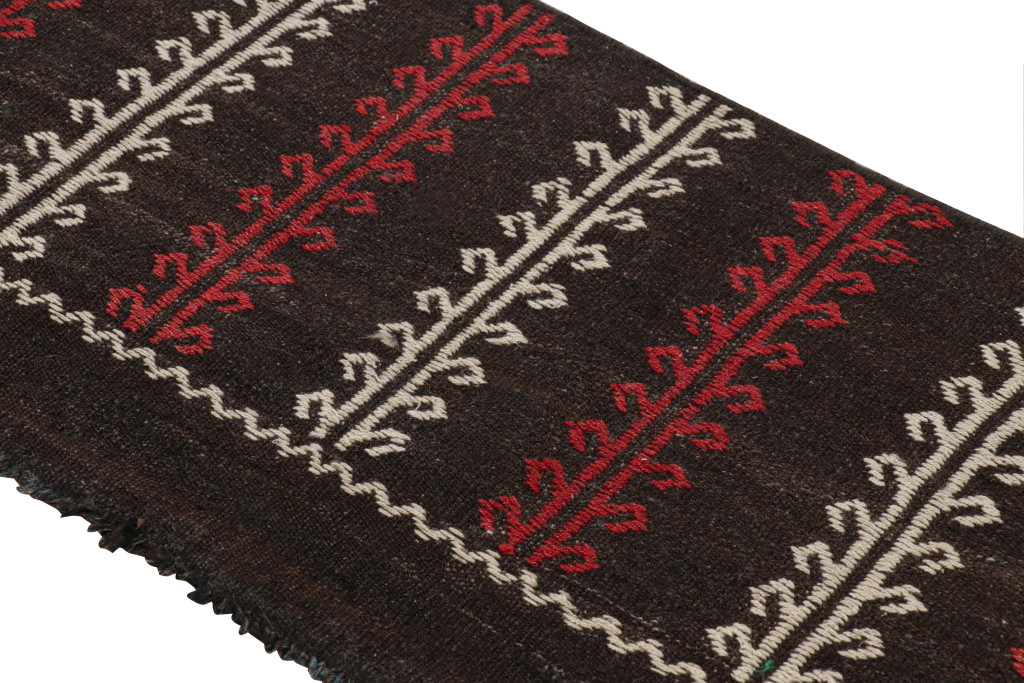 32366Vintage Kilim Table Runner Rug in Brown w/ Geometric Patterns, from Rug & Kilim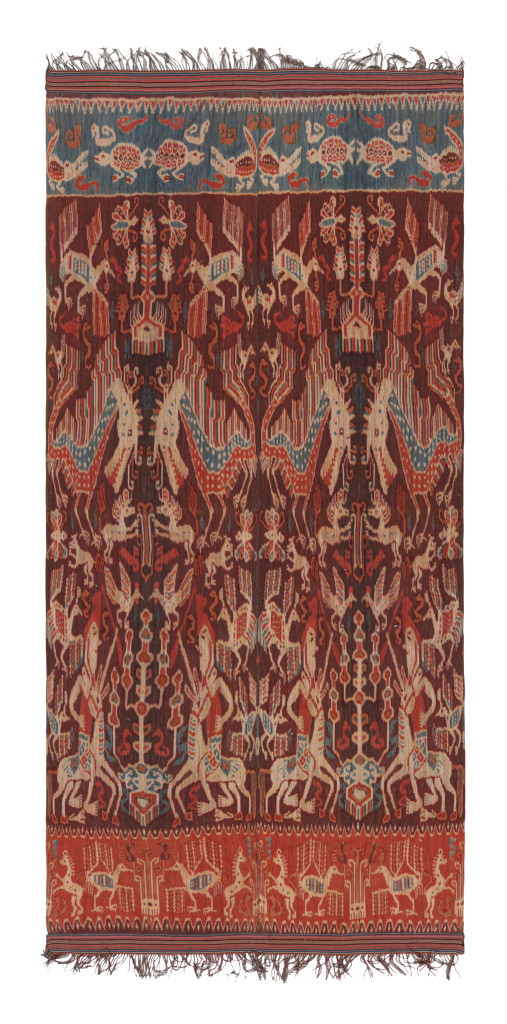
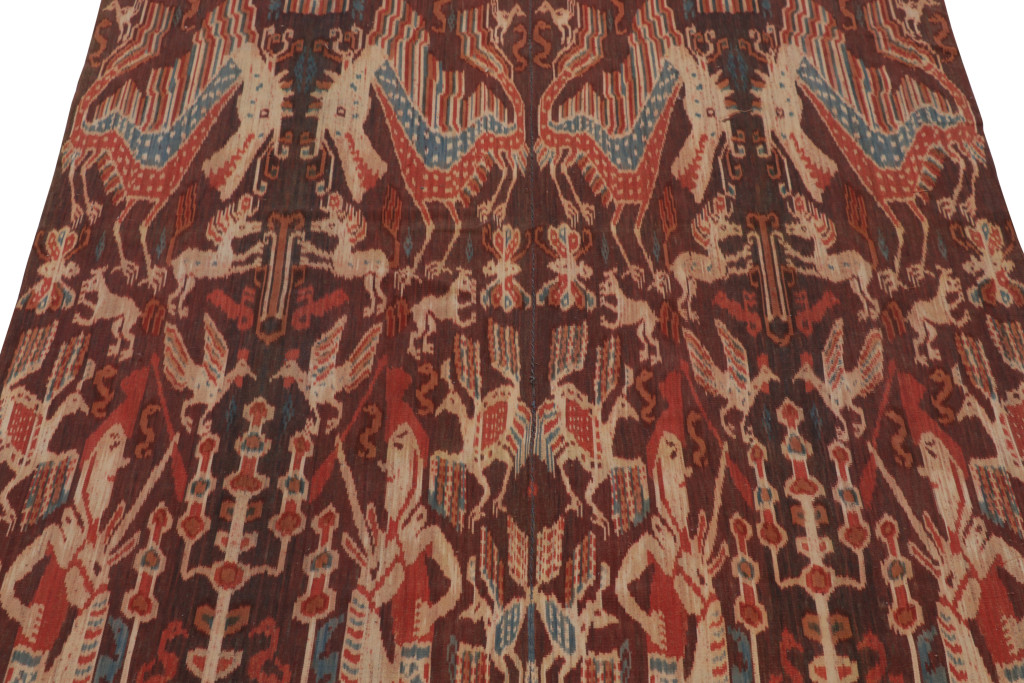 31685Vintage Ikat Textile Runner with Pictorial Design in Earthy Tones - Rug & Kilim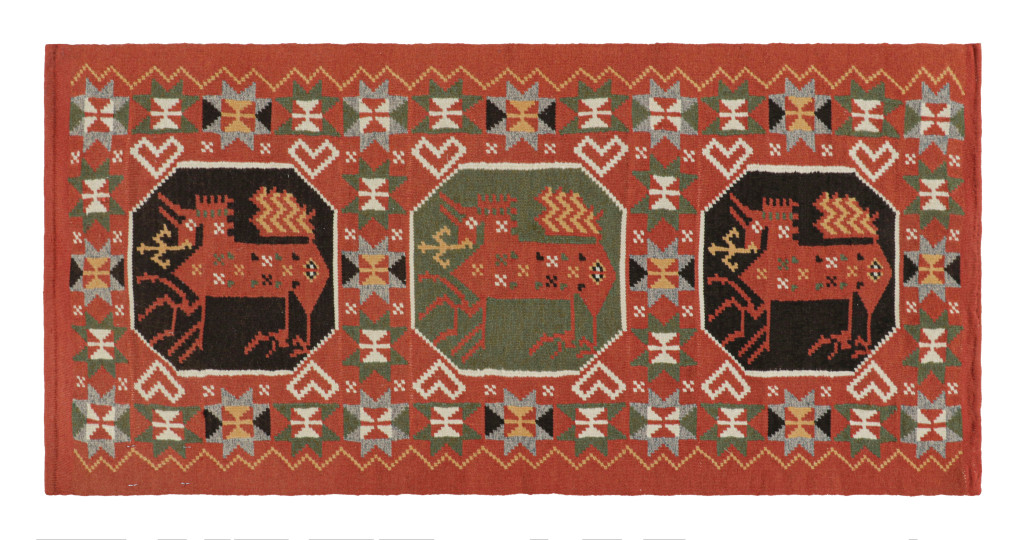
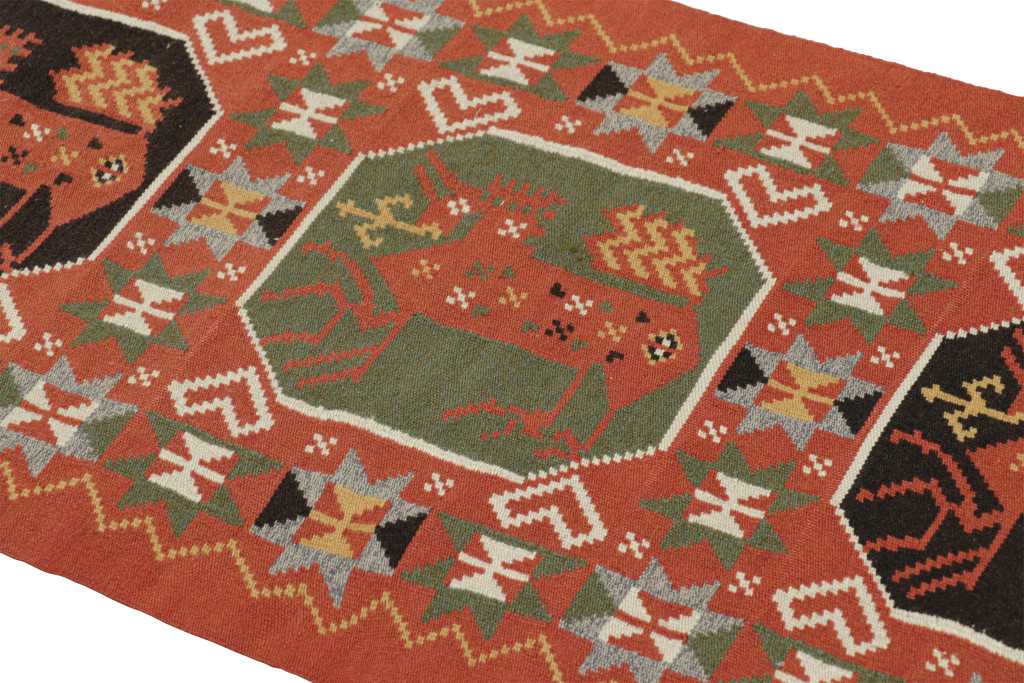 31407Antique 19th Century Swedish Rollakan Tapestry with Pictorials, from Rug & Kilim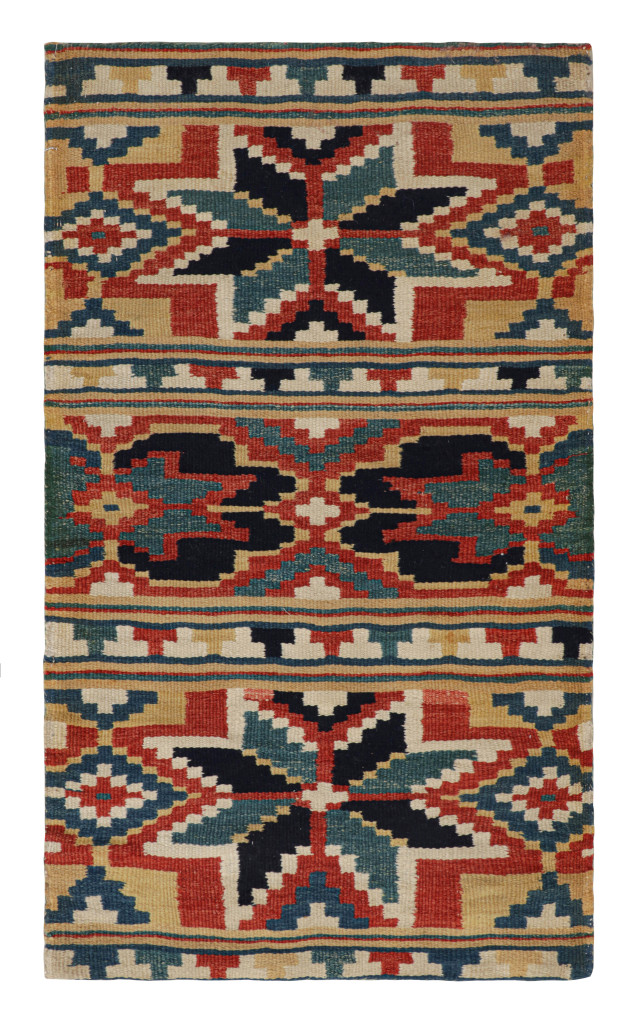
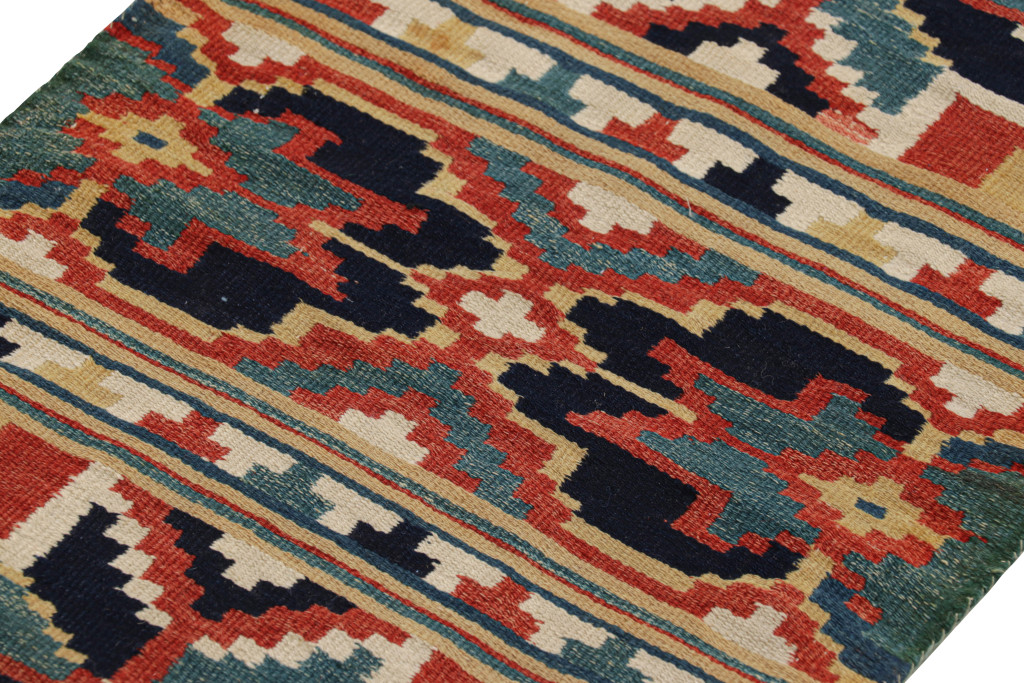 31410Antique 19th Century Swedish Rollakan Tapestry with Geometric Patterns - Rug & Kilim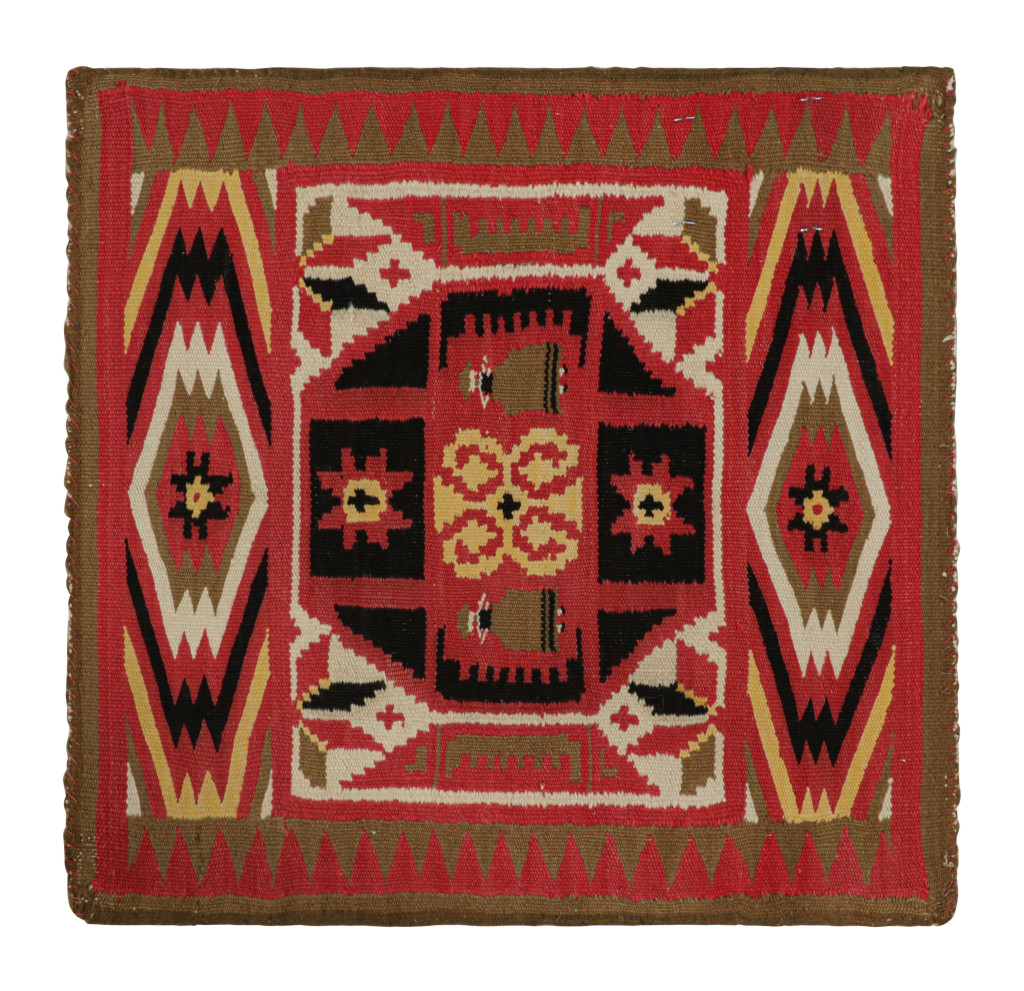
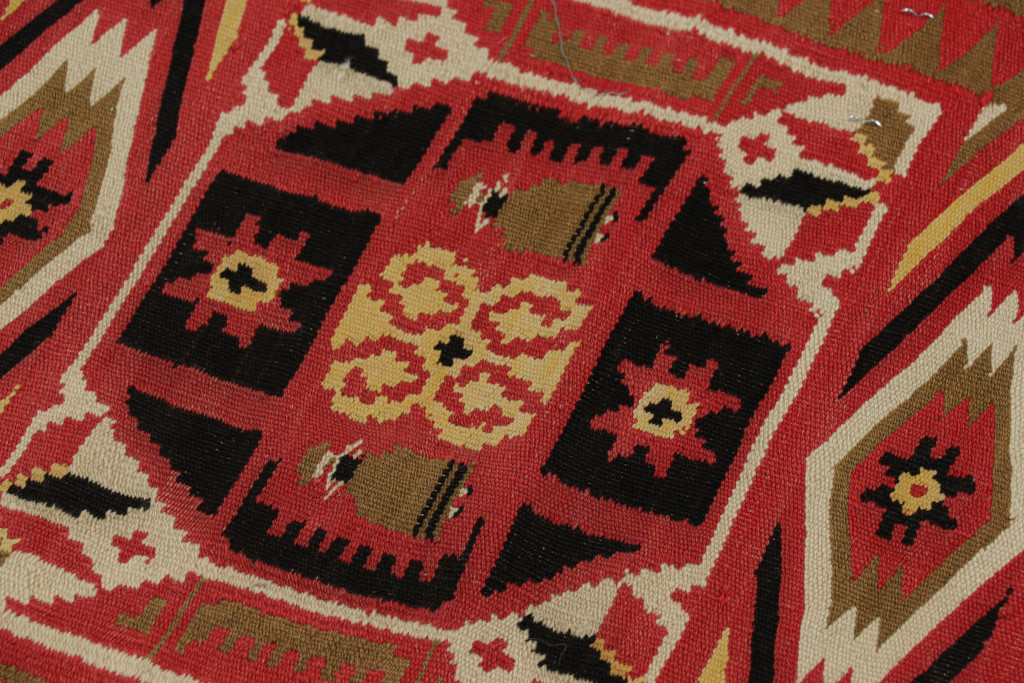 31408Antique Swedish Rollakan Tapestry with Pictorials and Geometry, from Rug & Kilim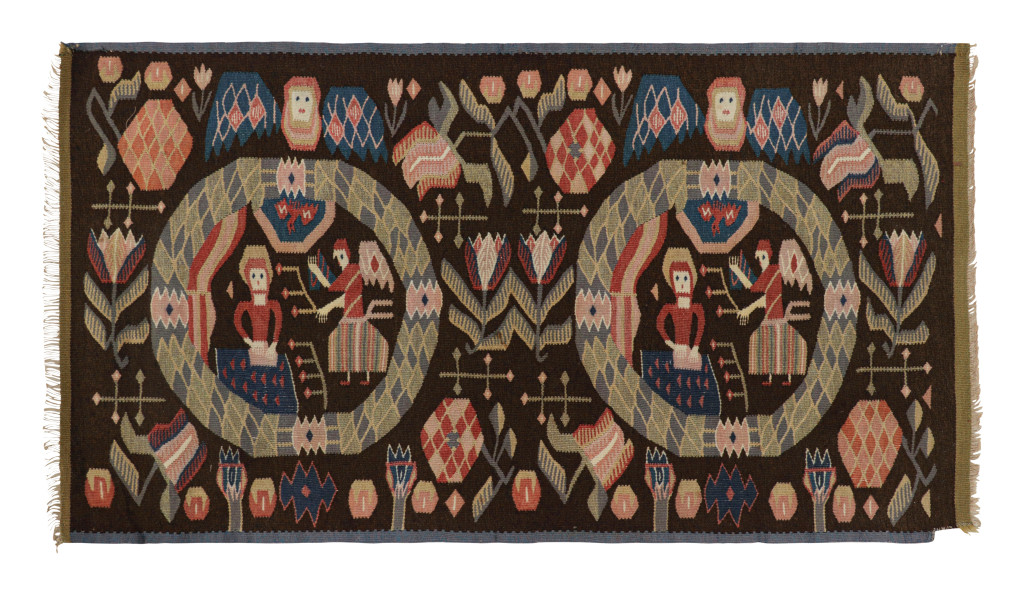
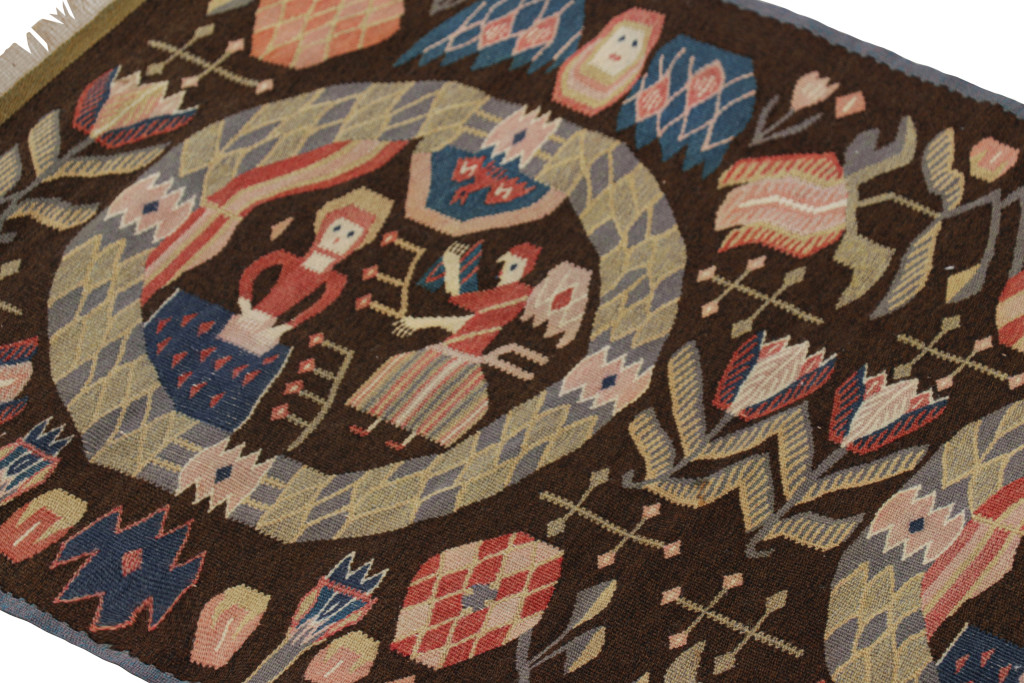 31411Antique Swedish Rollakan Tapestry with Pictorials and Florals, from Rug & Kilim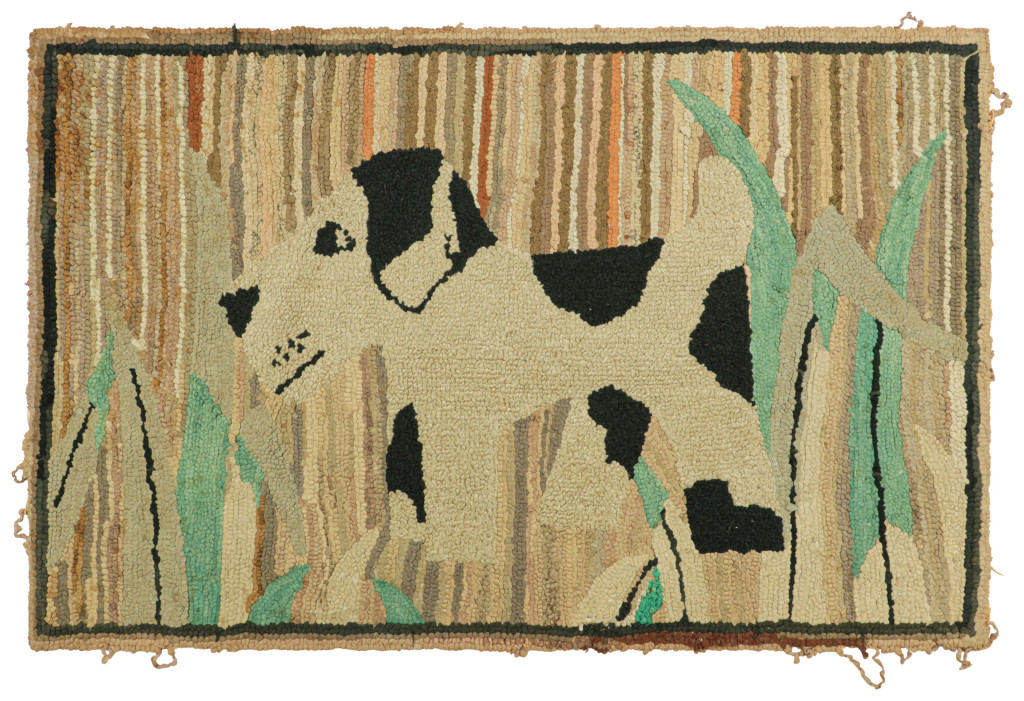
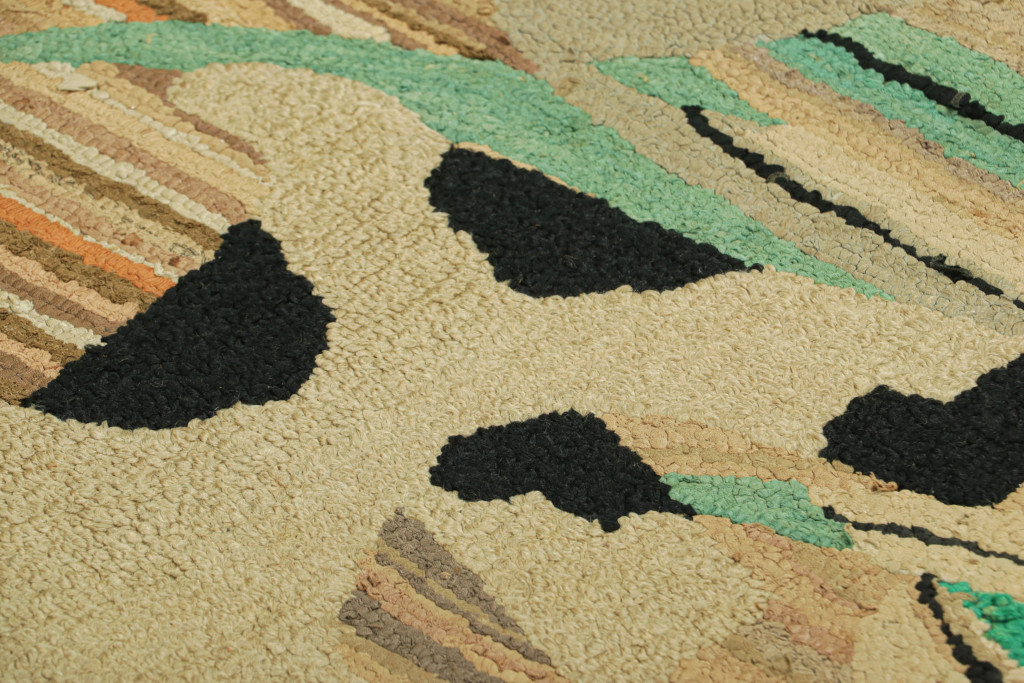 33948Antique Hooked Rug in Beige-Brown with Animal Pictorial Patterns | Rug & Kilim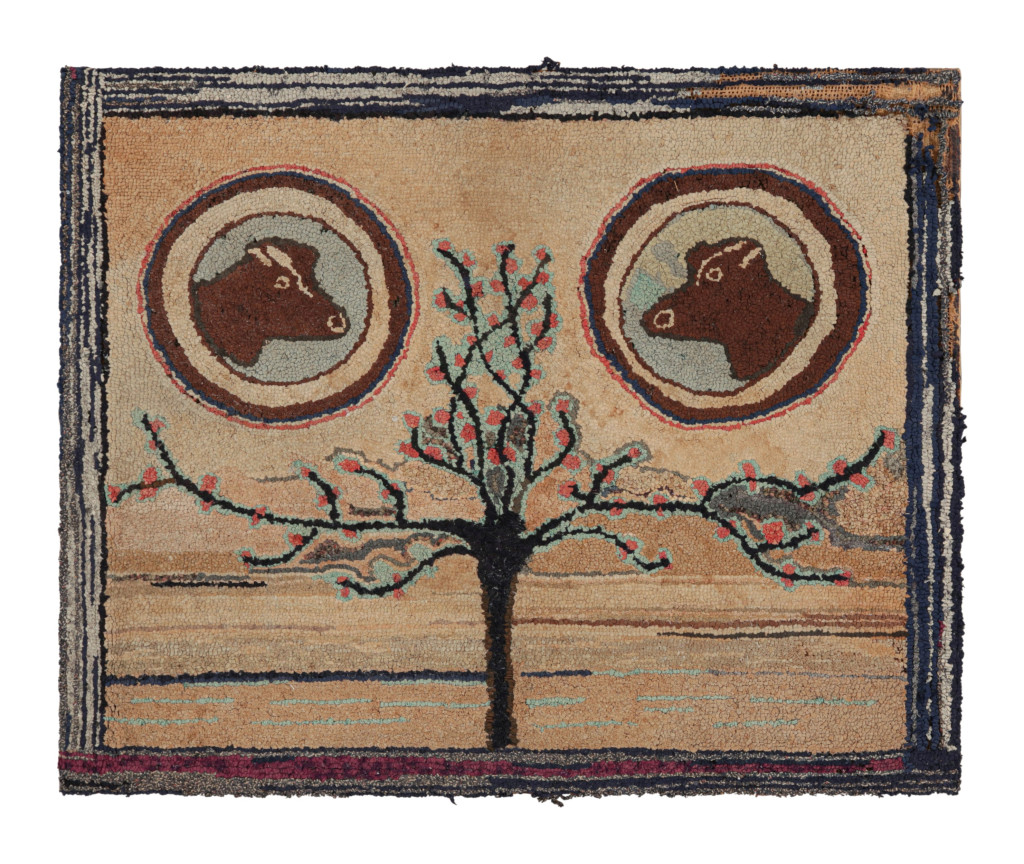
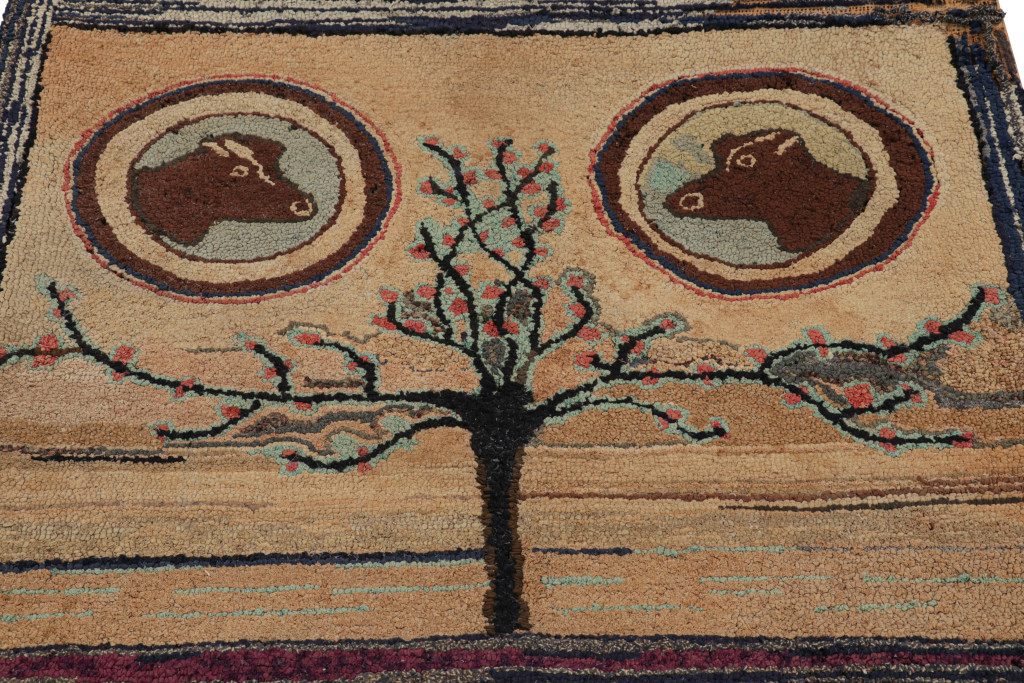 30909Antique Hooked Rug in Beige-Brown with Tree & Animal Pictorials from Rug & Kilim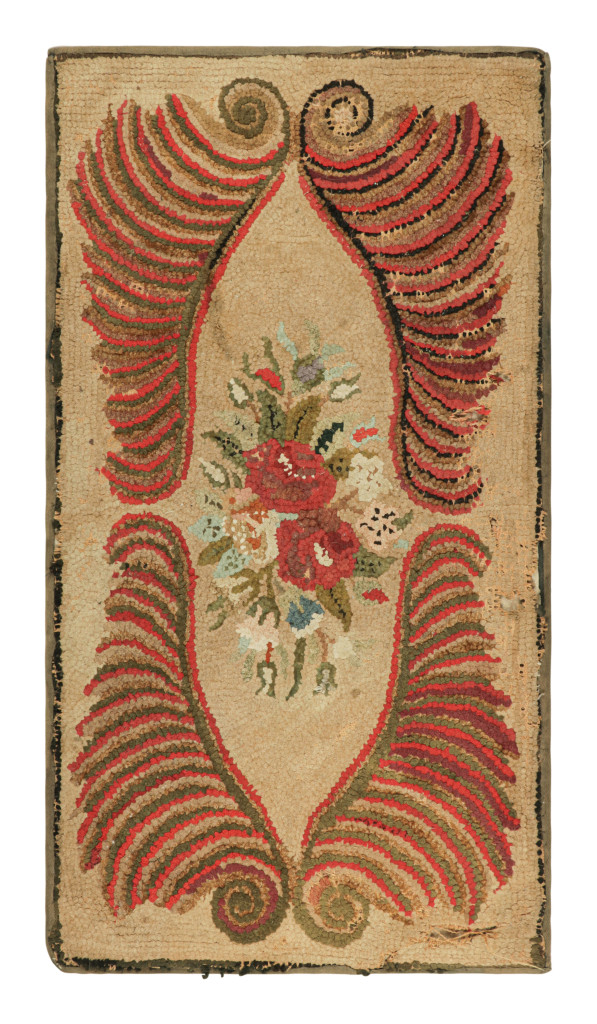
 33946AAntique Hooked Rug in Beige-Brown with Colorful Floral Medallion | Rug & Kilim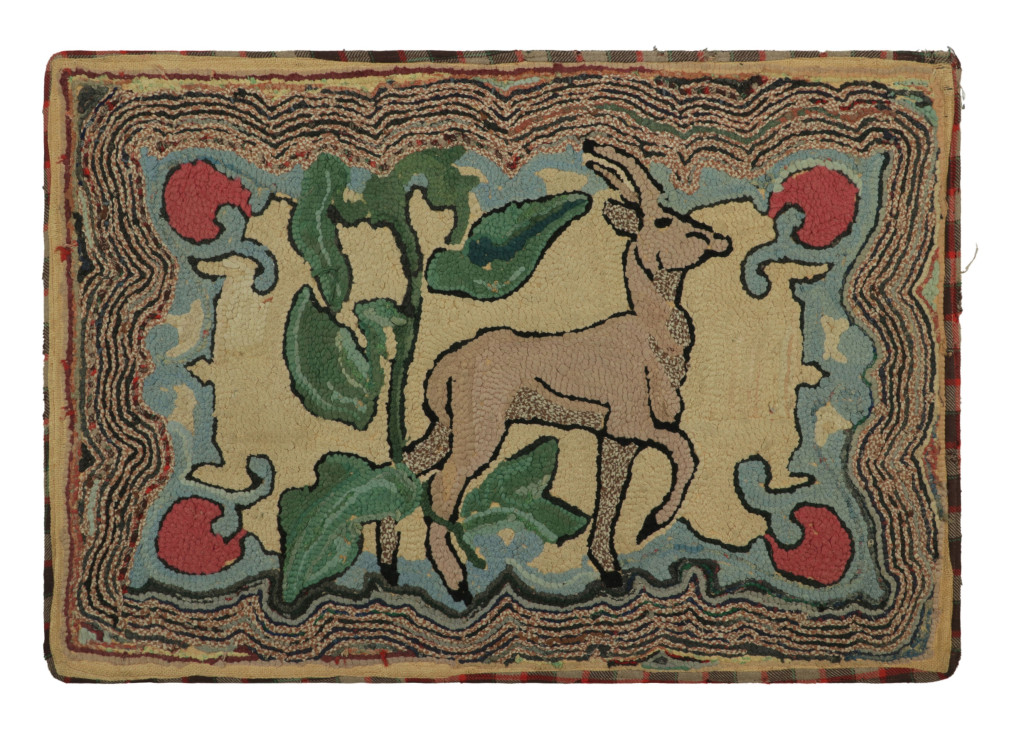
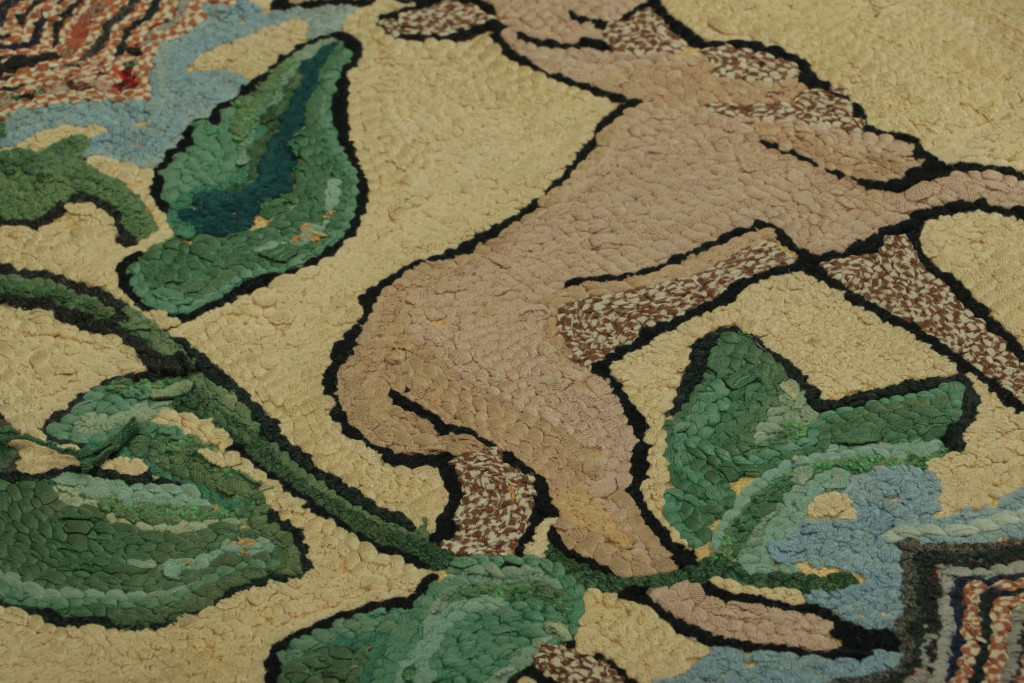 33946BAntique Hooked Rug in Beige-Brown with Animal Pictorial Patterns | Rug & Kilim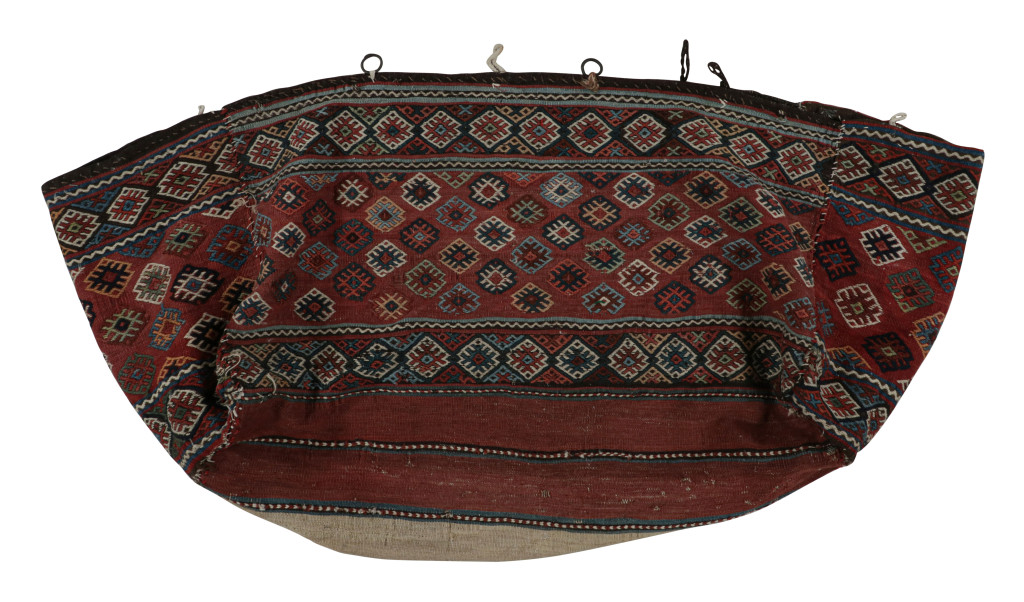
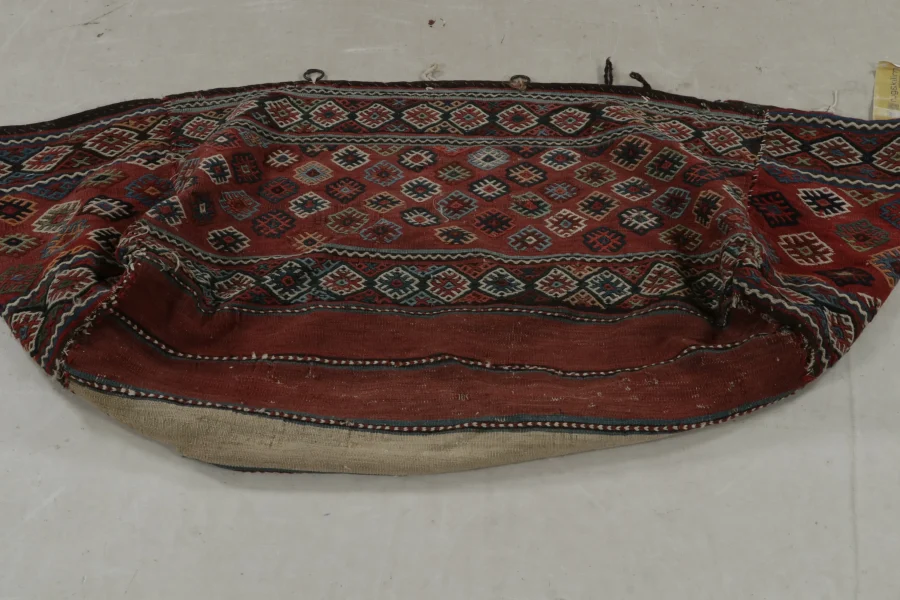 12783Antique Turkish Bag Kilim in Red with Geometric Patterns, from Rug & Kilim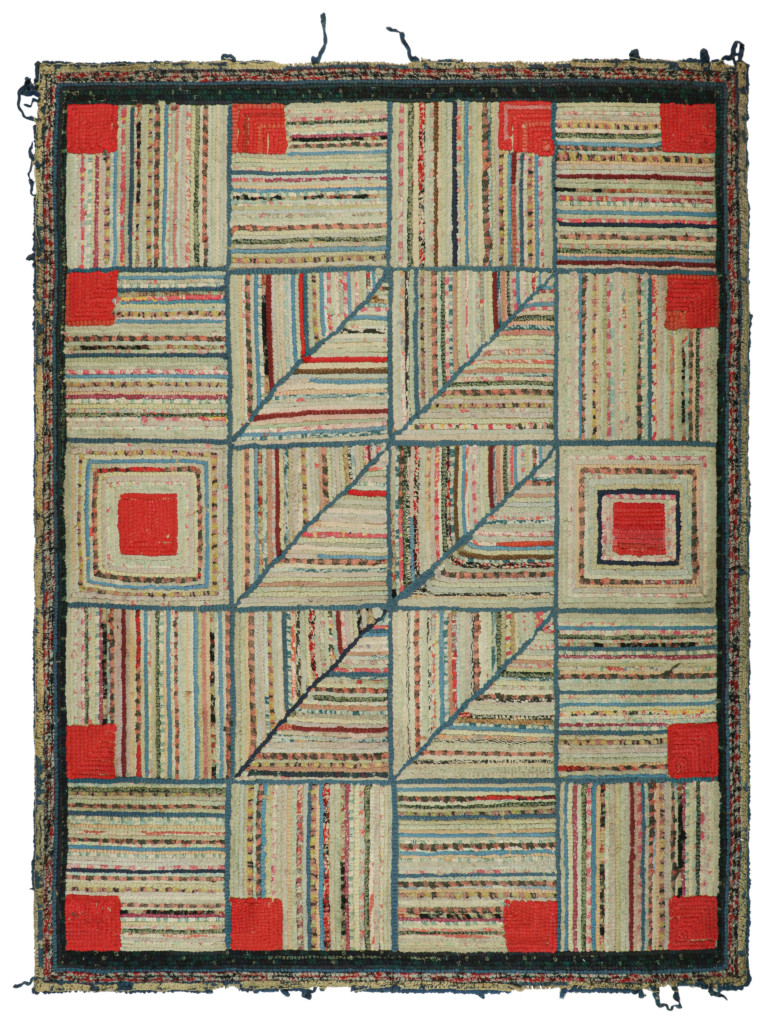
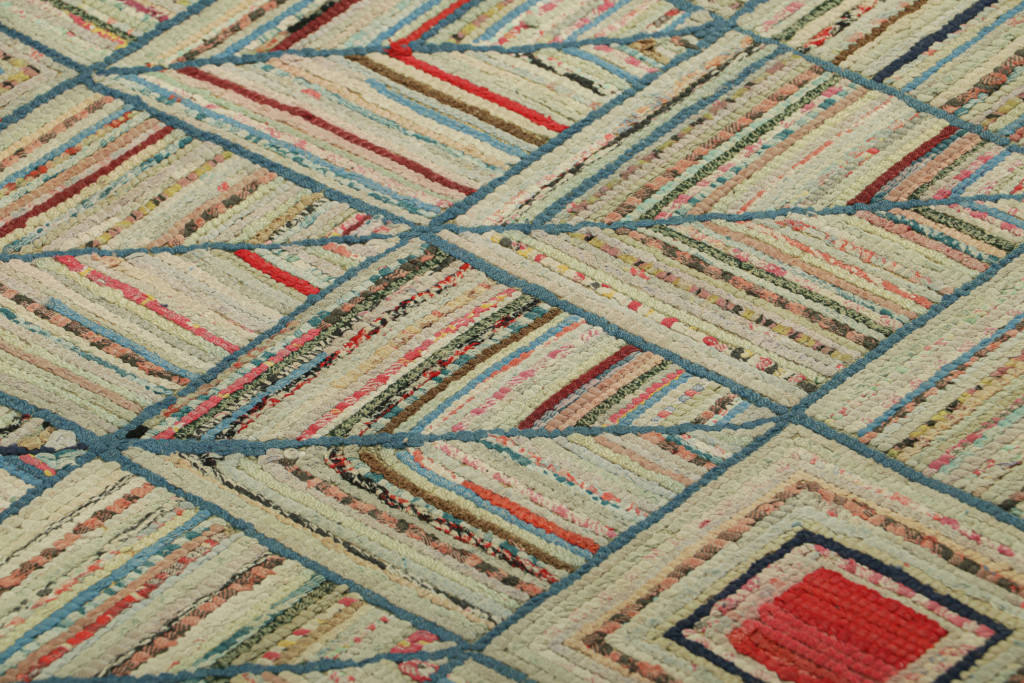 33960Antique Hooked Rug With Polychromatic Geometric Patterns From Rug & Kilim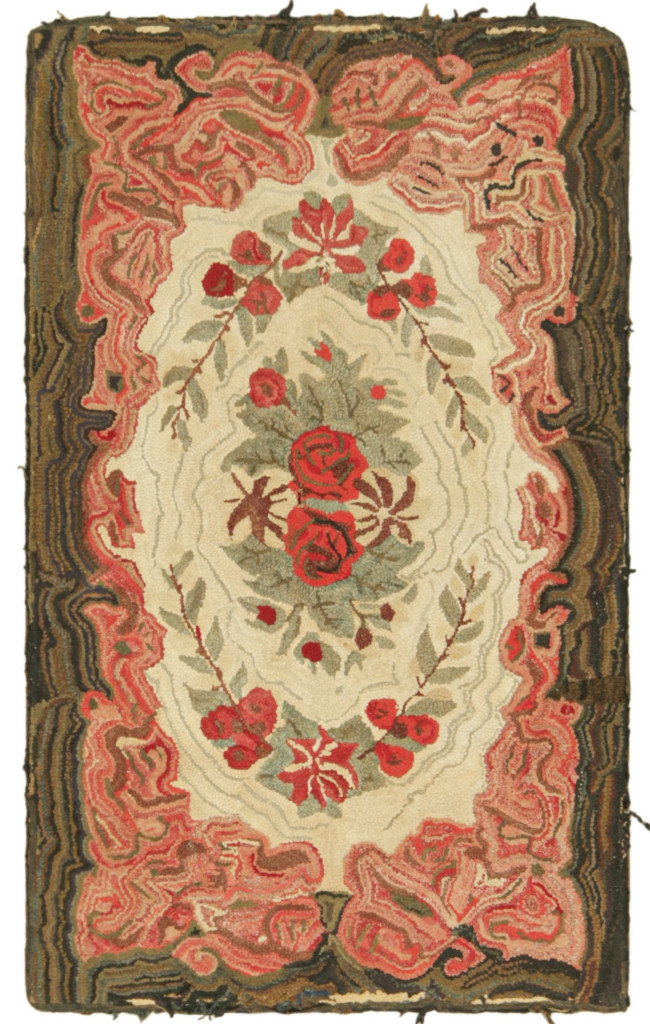
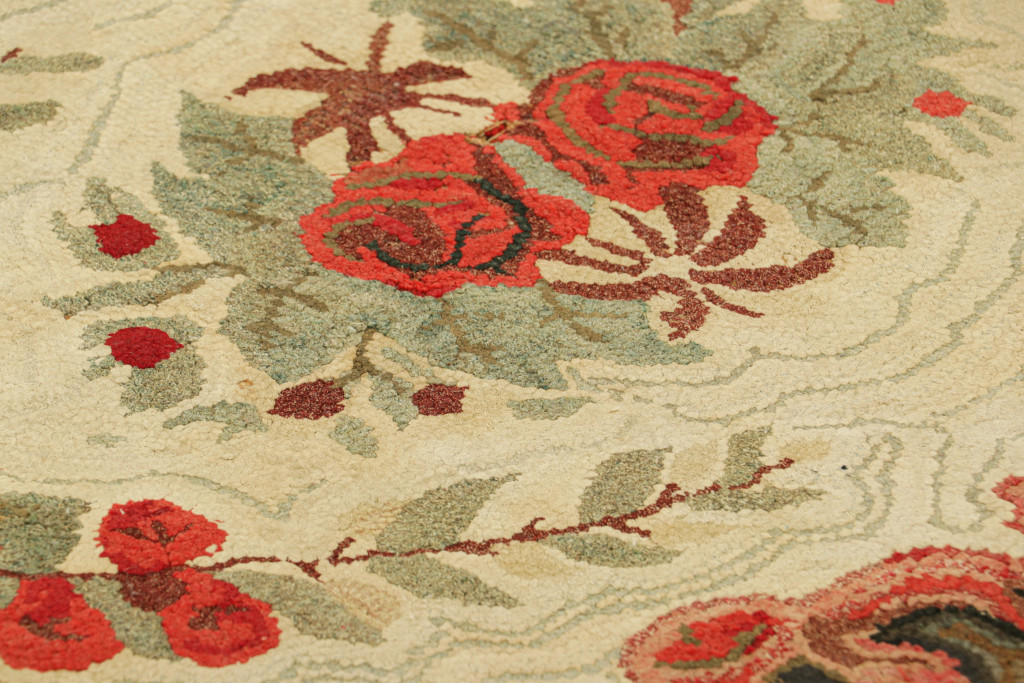 33956Antique Hooked Rug in Cream & Pink with Colorful Floral Medallion | Rug & Kilim
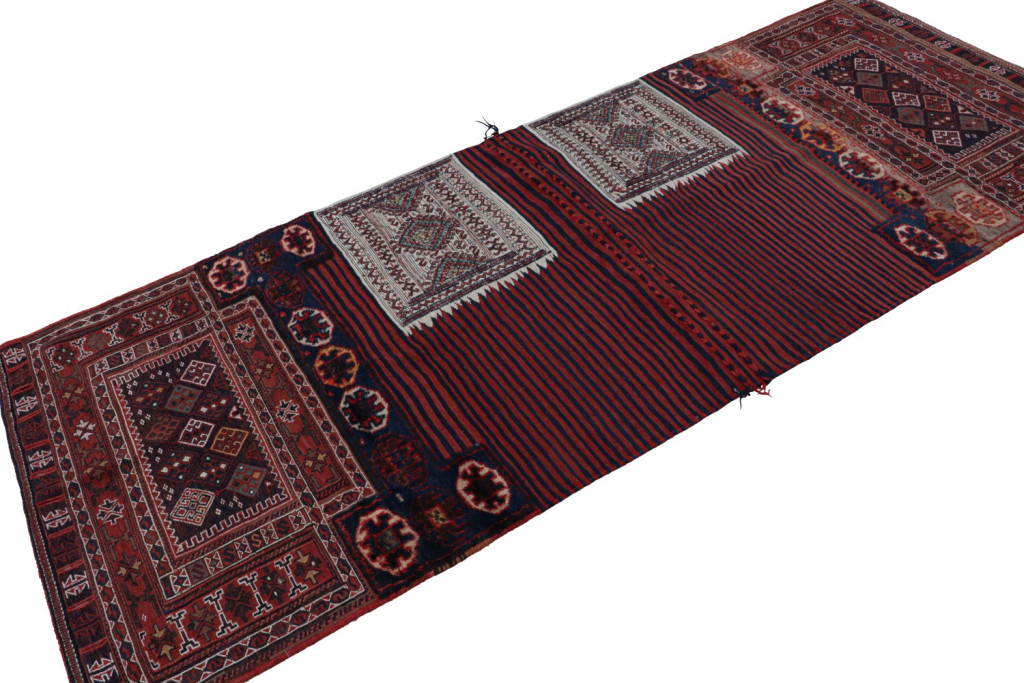 28601Vintage Afghan Tribal Kilim in Red, with Geometric Patterns, from Rug & Kilim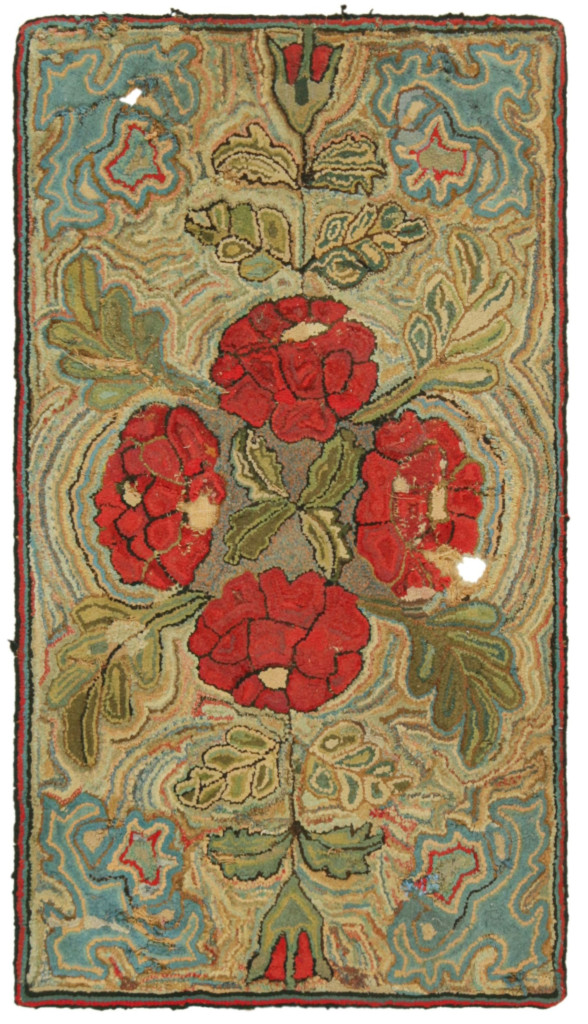
 33961Antique Hooked Rug With Floral Medallion In Red And Green | Rug & Kilim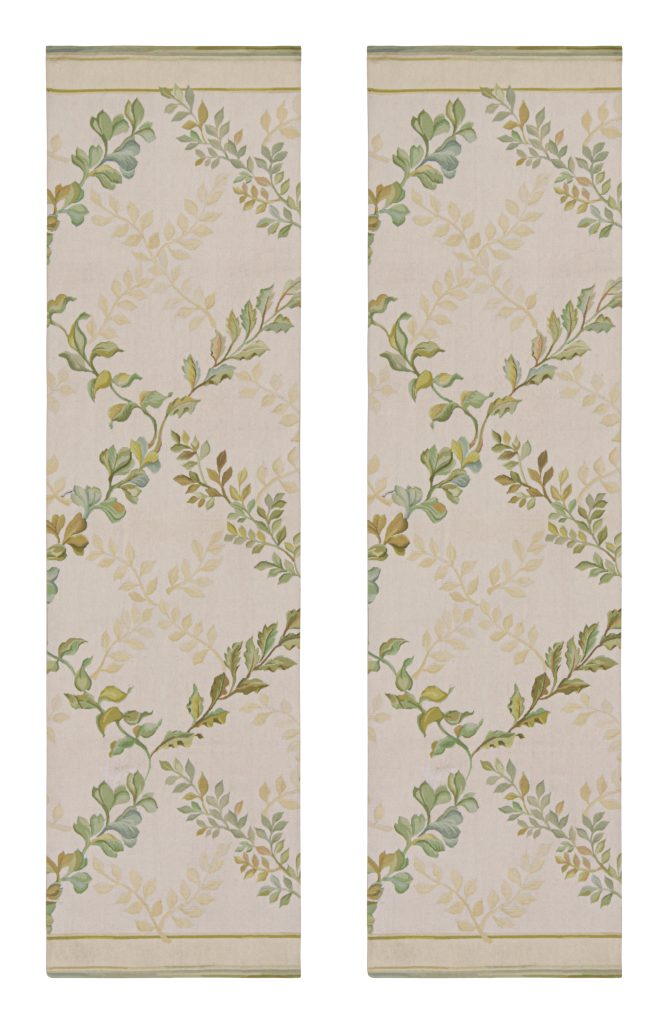
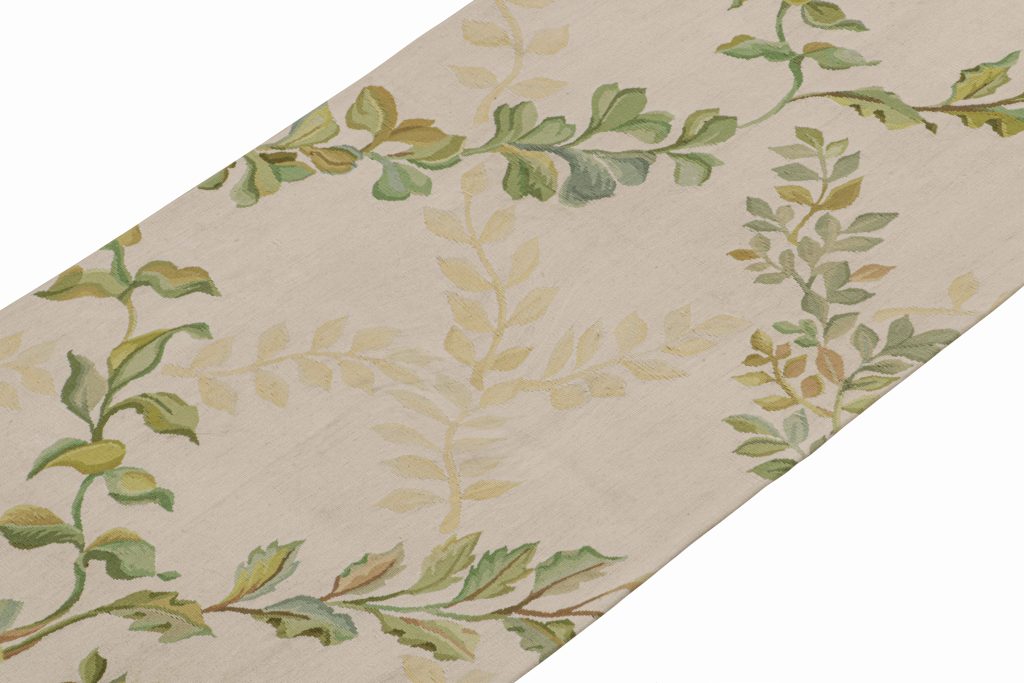 27615/27616Rug & Kilim’s Tudor Style Flatweave Runner in Cream & Green Floral Patterns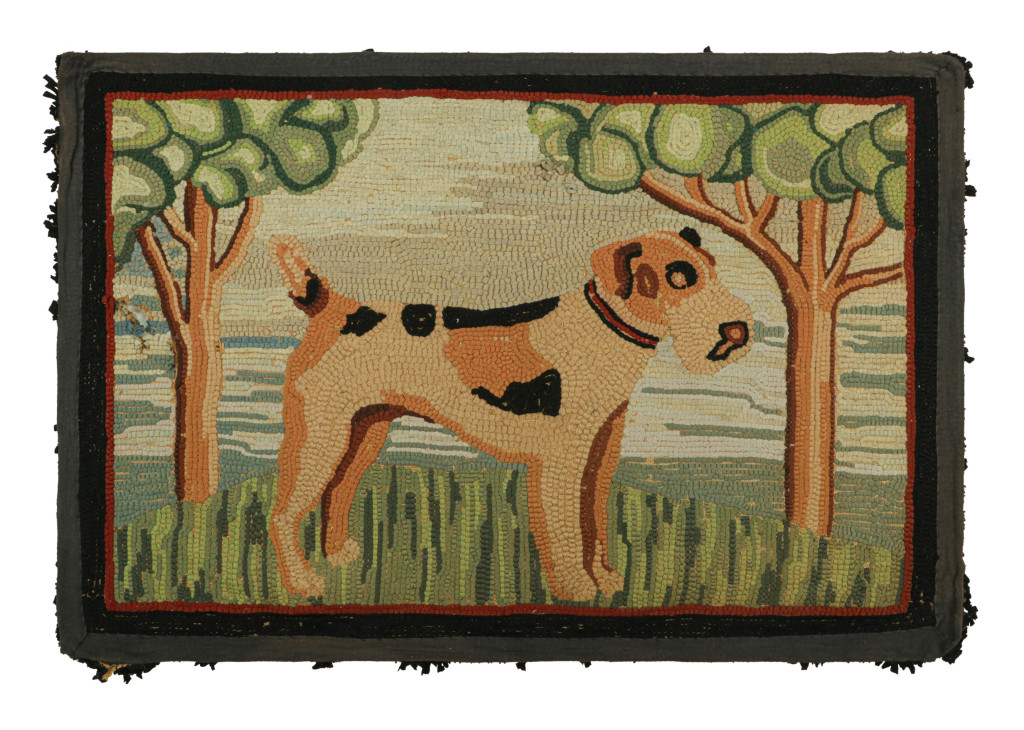
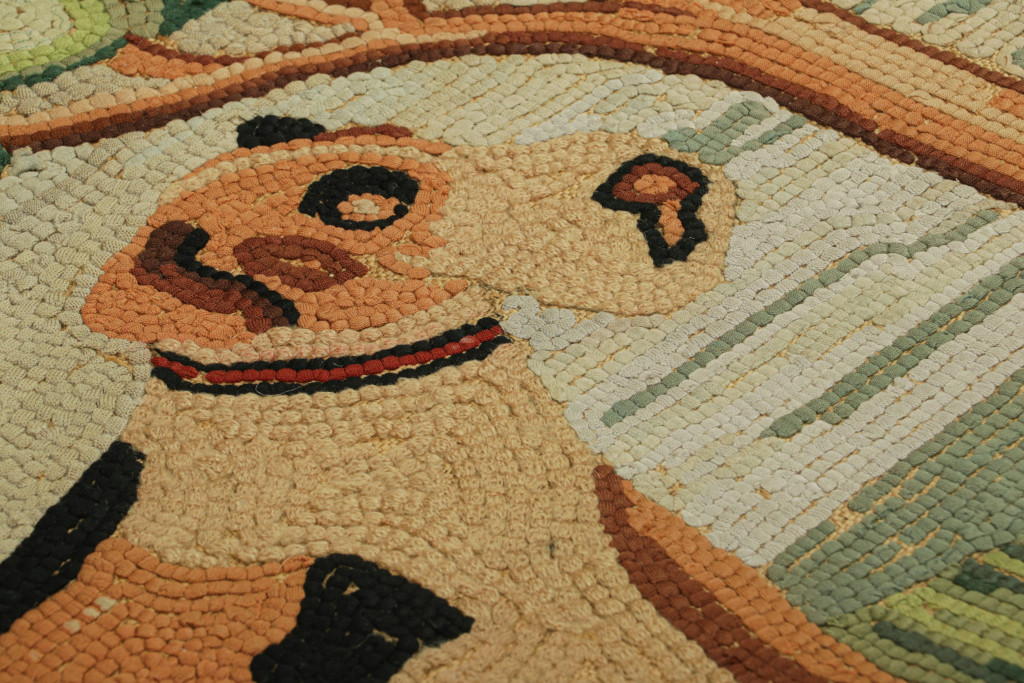 33957Antique Hooked Rug in Beige-Brown with Animal Pictorial Patterns | Rug & Kilim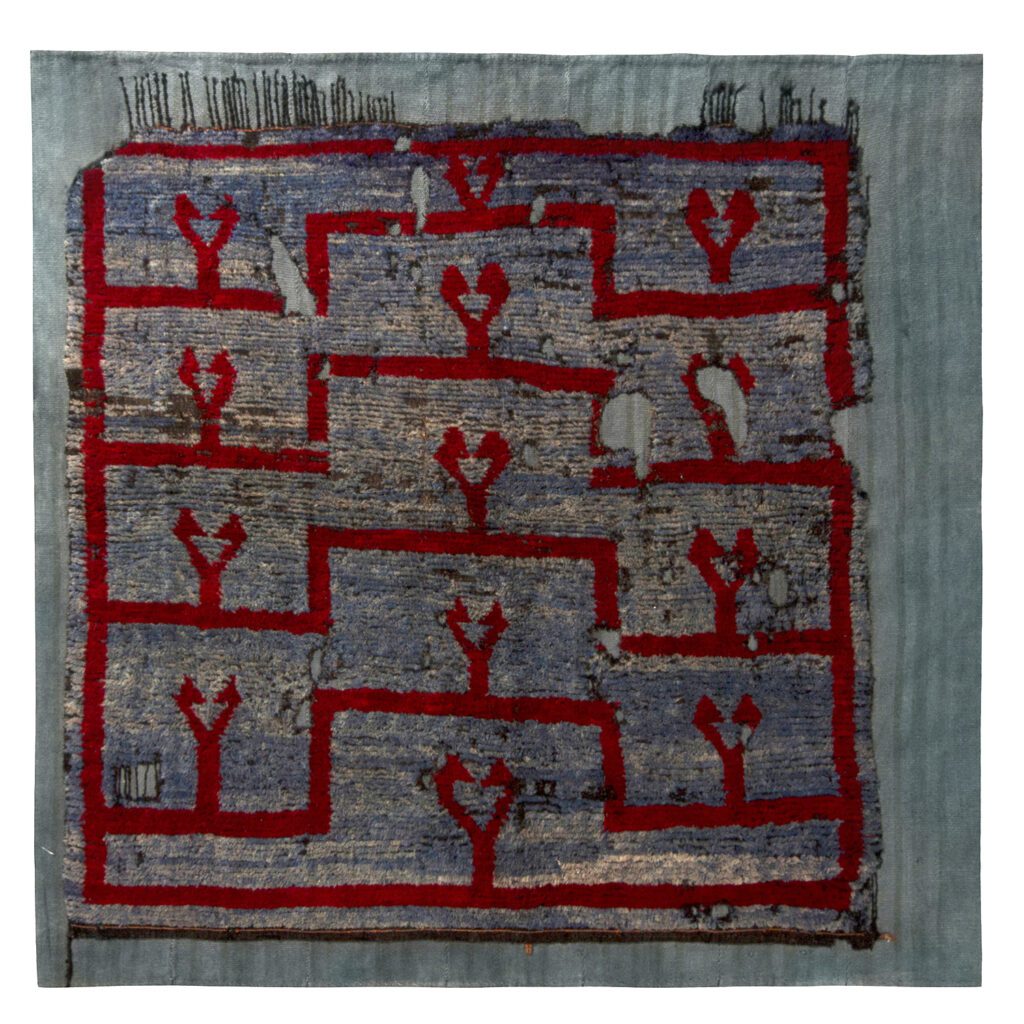
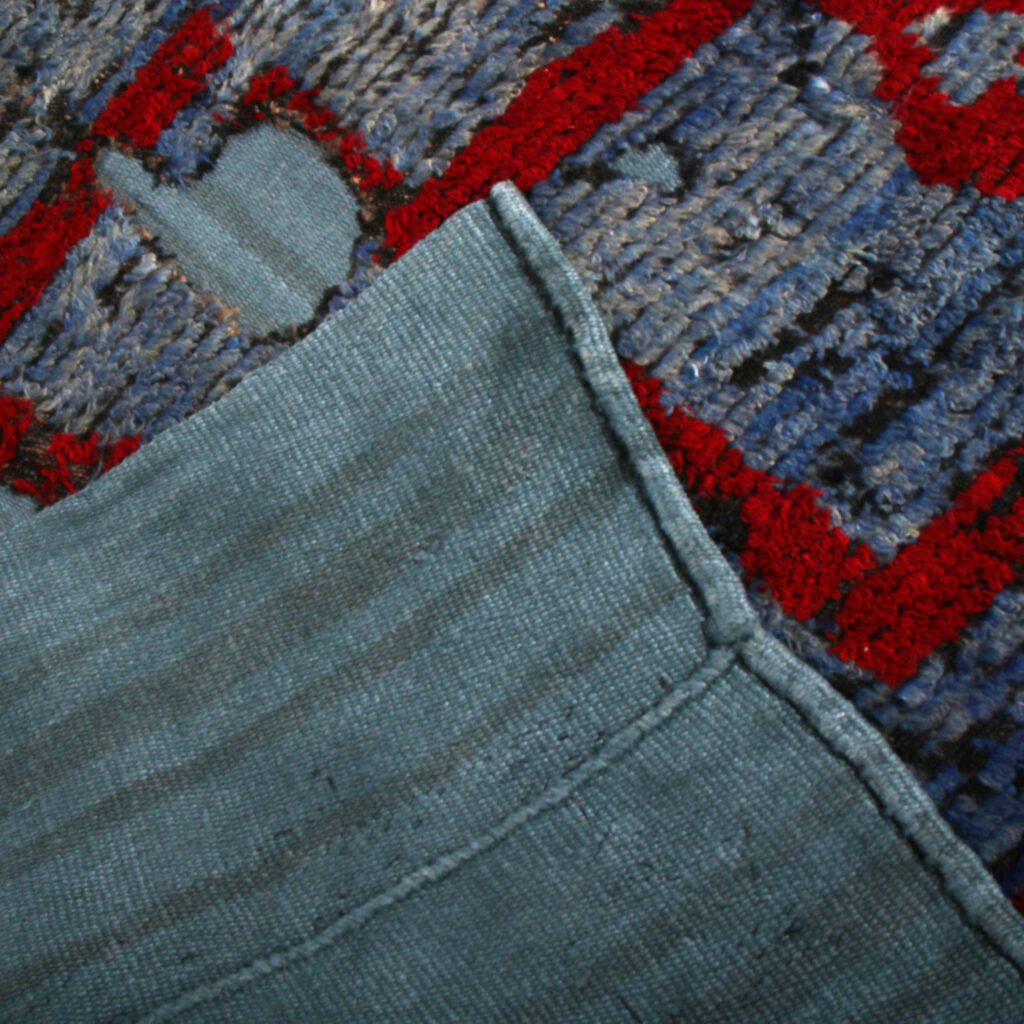 23329Distressed High-Low Square Kilim, Blue, Red Geometric Pattern by Rug & Kilim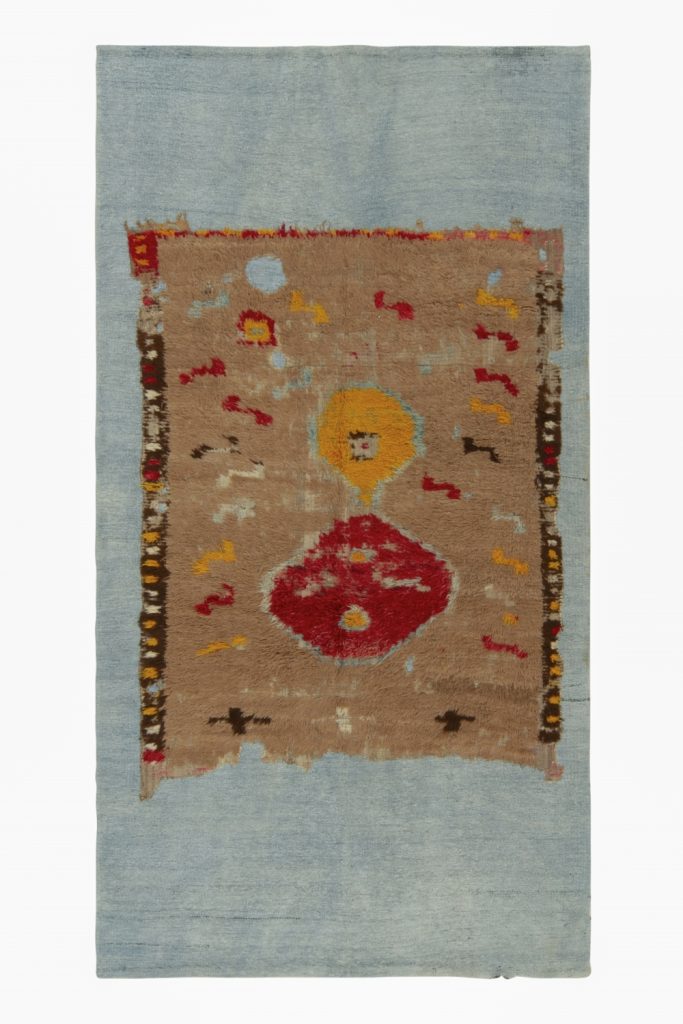
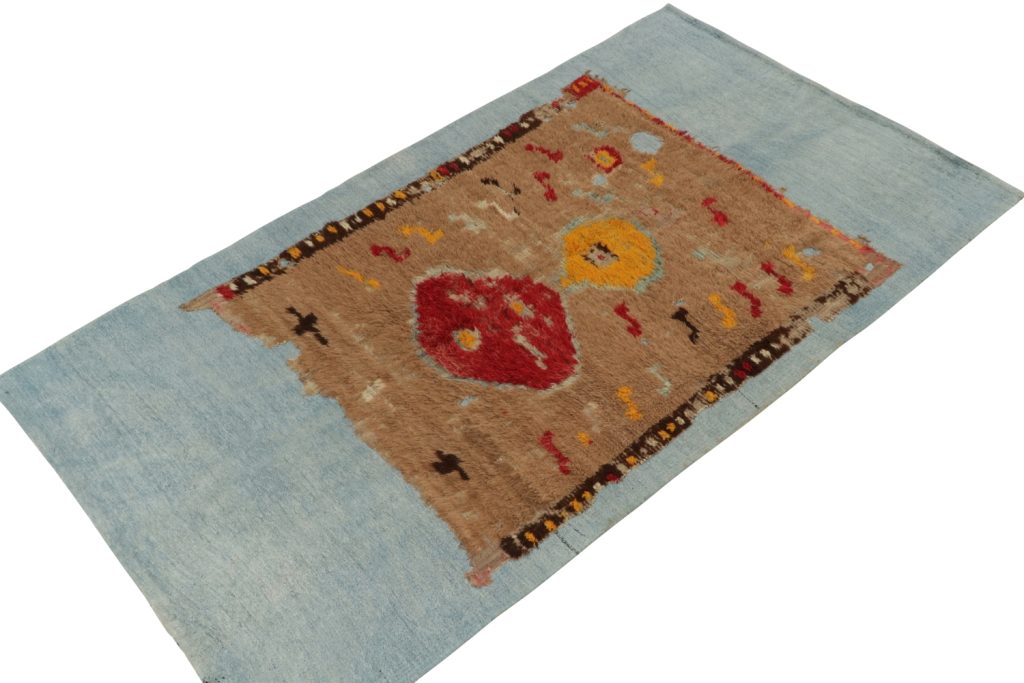 23330Distressed Brown rug fragment on blue flat weave by Rug & Kilim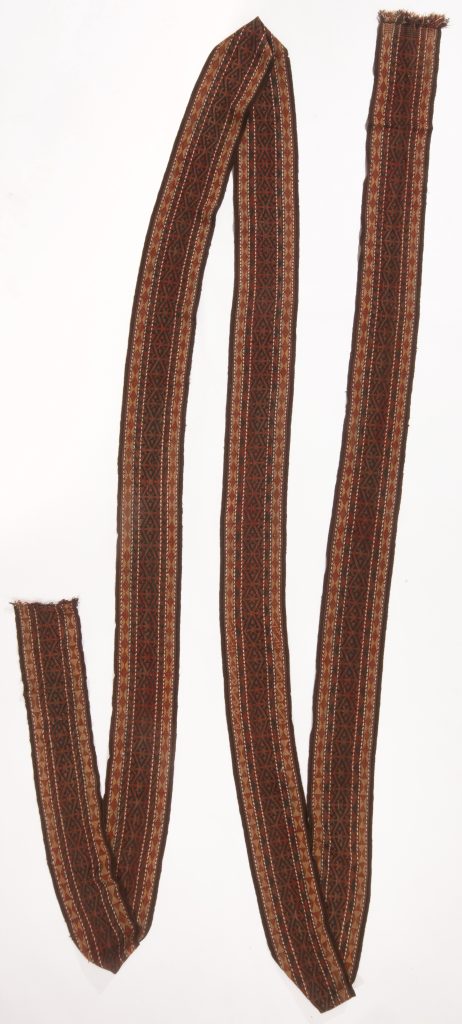
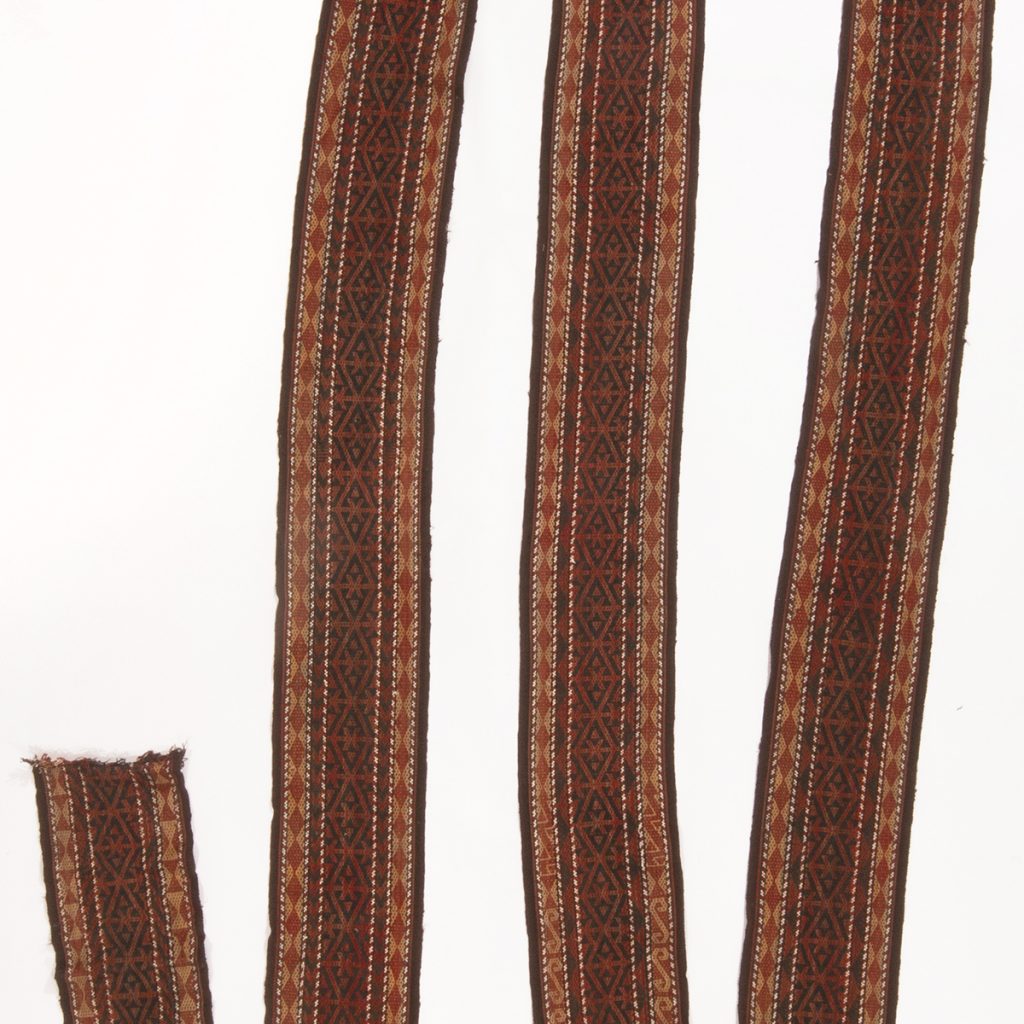 12838Antique Geometric Beige-Brown Red and Blue Wool Persian Kilim Runner 12838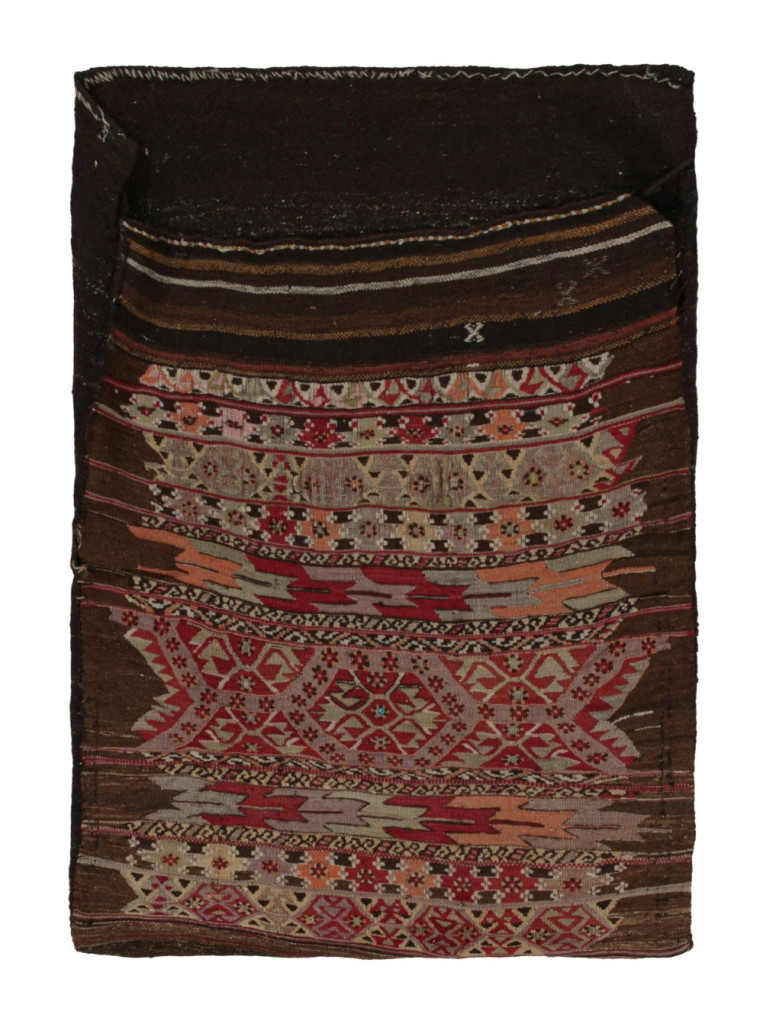
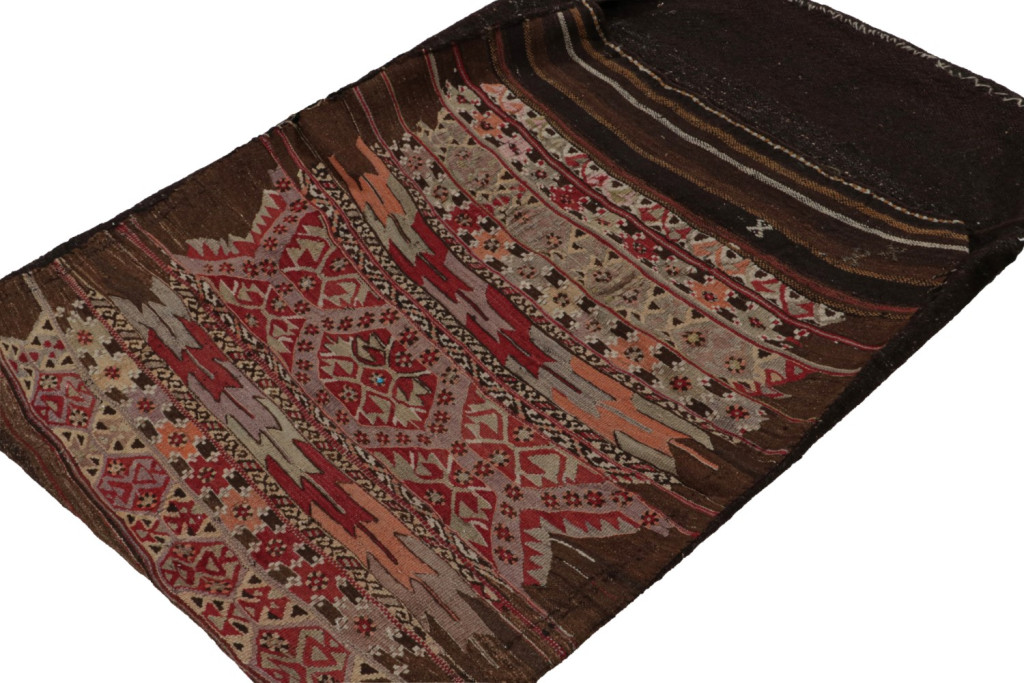 10935Antique Persian Bag Kilim in Brown with Geometric Patterns, from Rug & Kilim
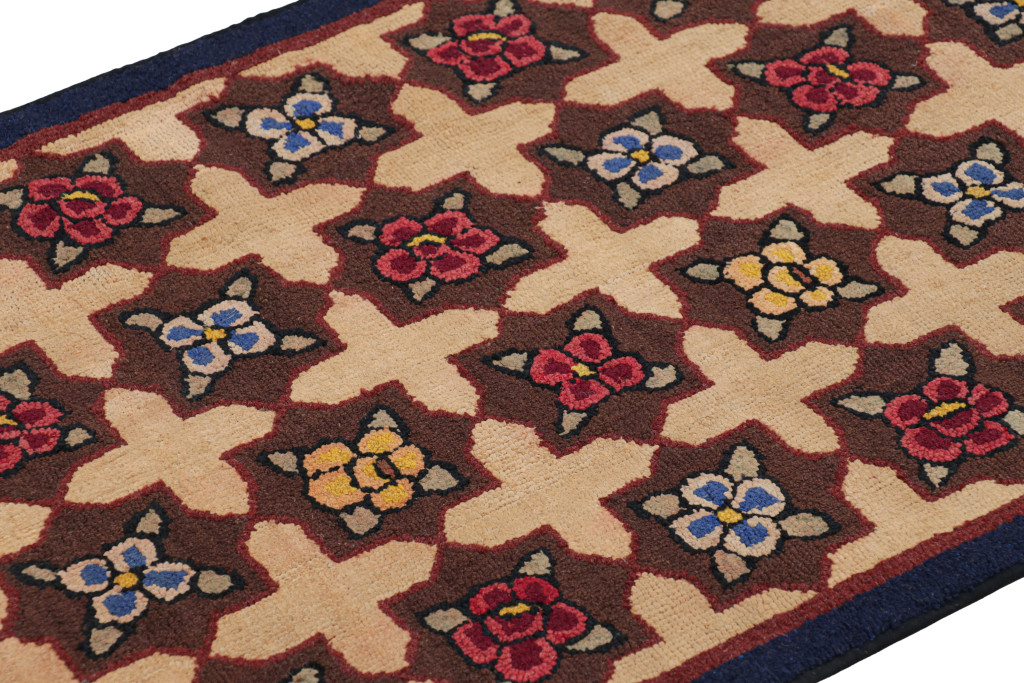 10297Antique Hooked Rug in Brown with Floral Medallion & Patterns from Rug & Kilim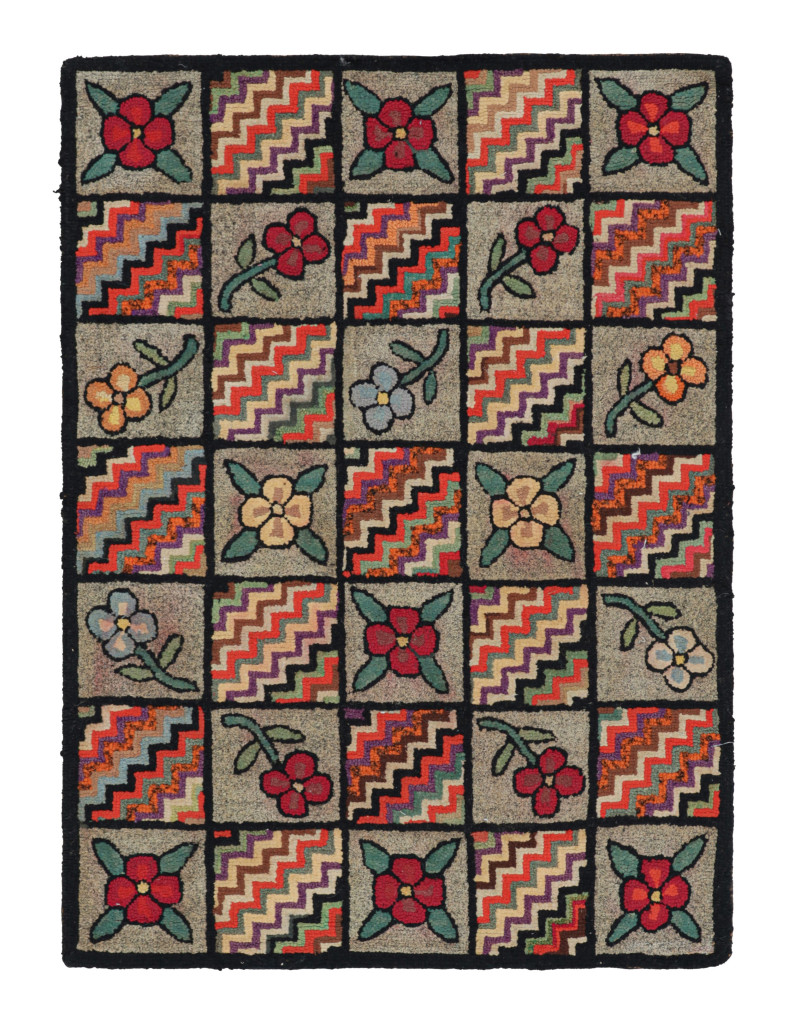
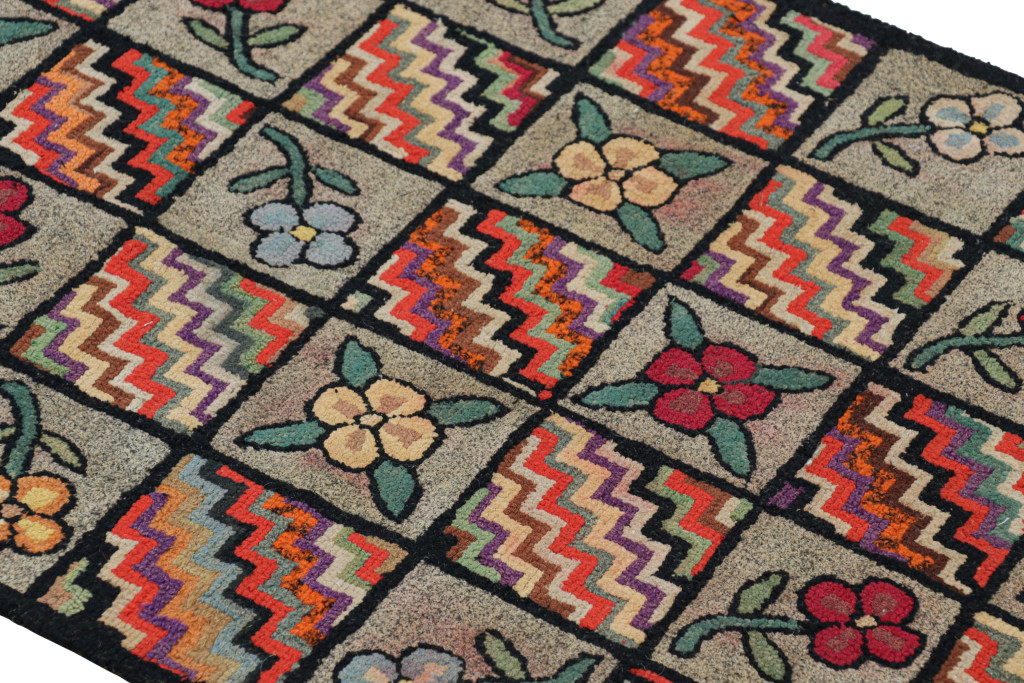 10295Antique Hooked Rug in Gray with Floral Medallion & Patterns from Rug & Kilim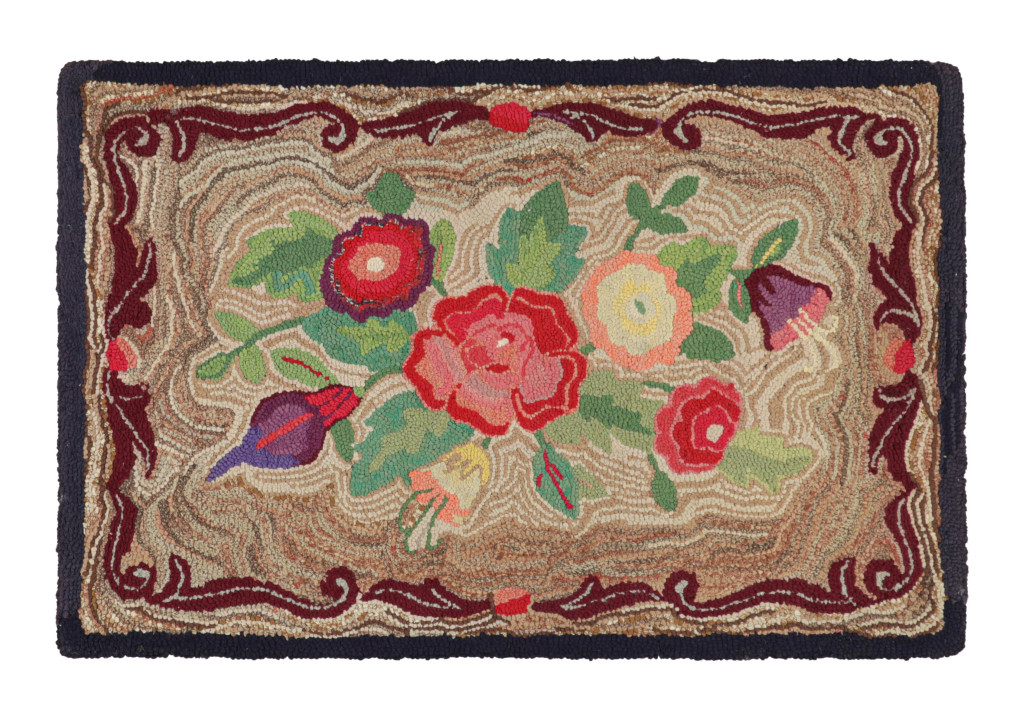
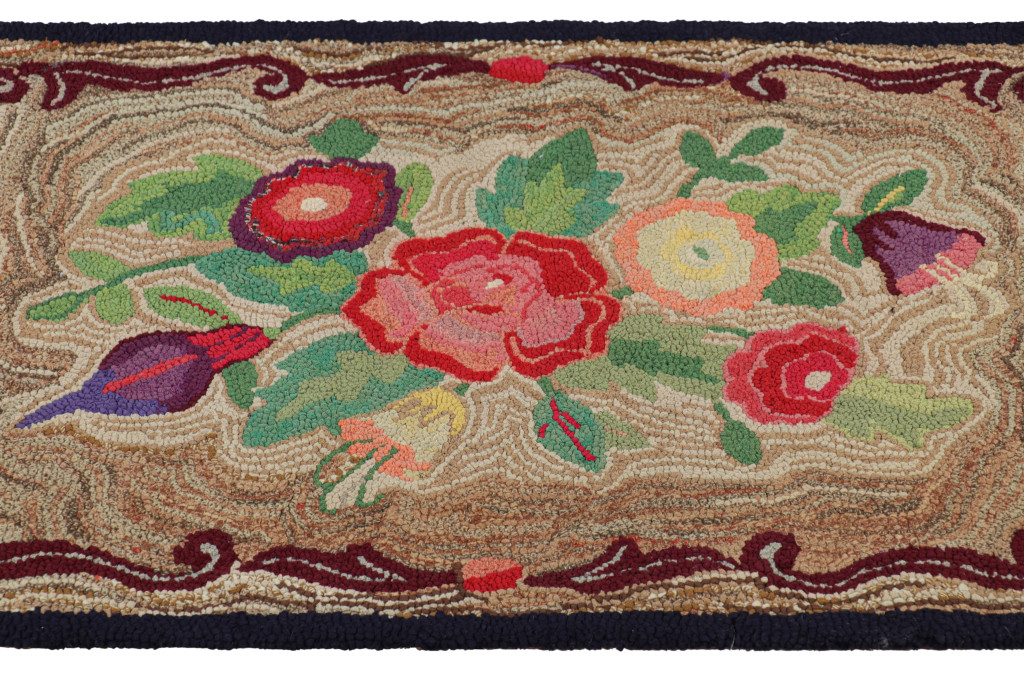 10293Antique Hooked Rug in Brown with Floral Medallion & Patterns from Rug & Kilim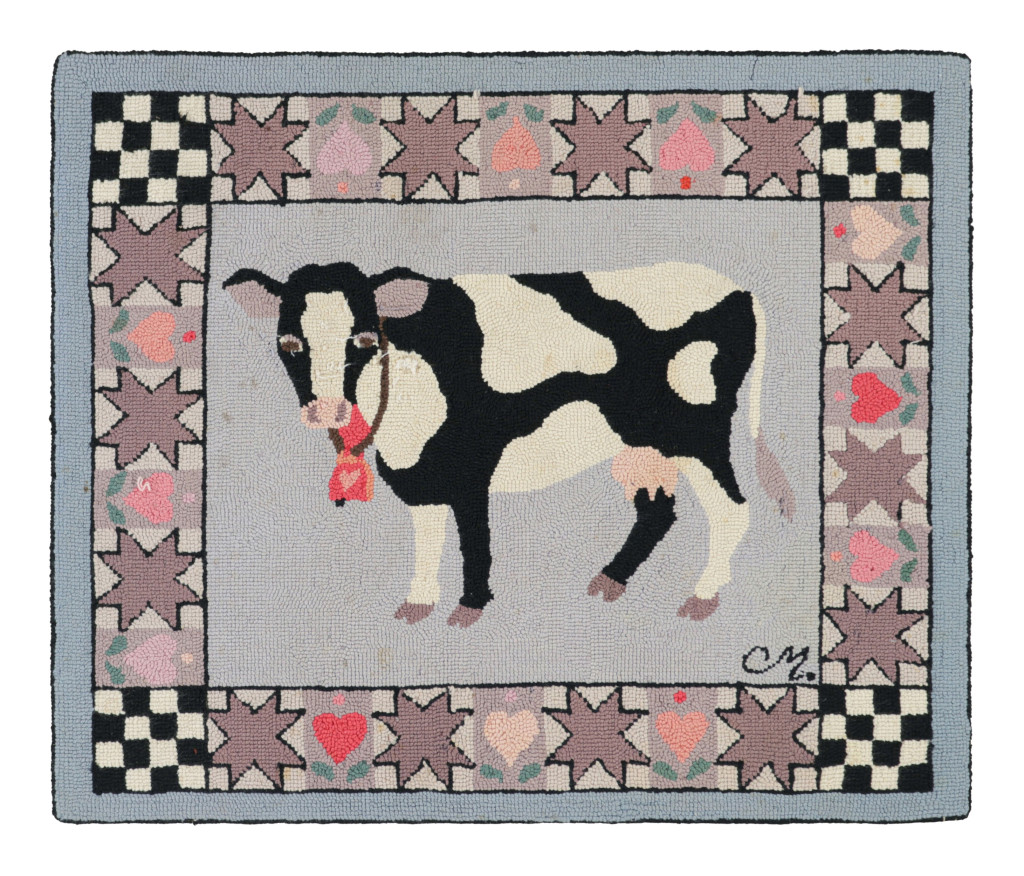
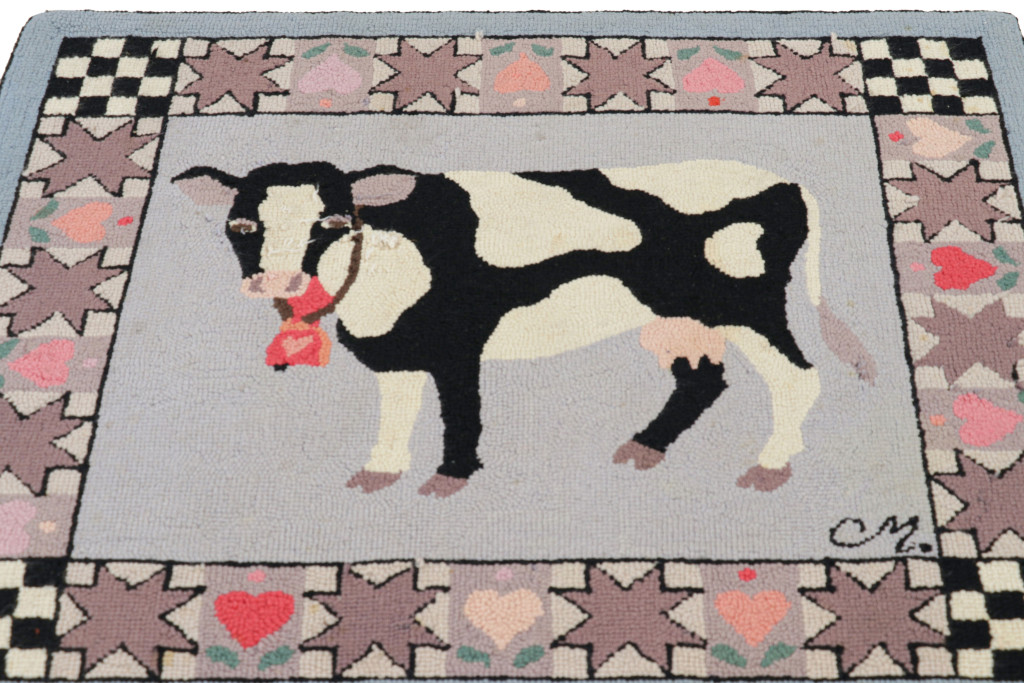 10291Antique Square Hooked Rug with Animal Pictorials & Patterns, from Rug & Kilim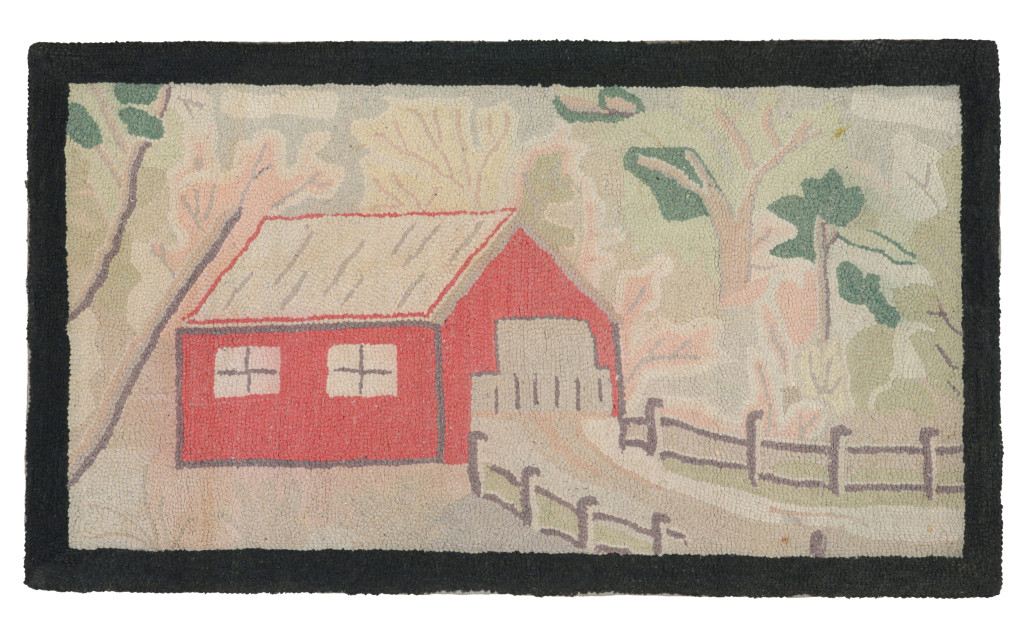
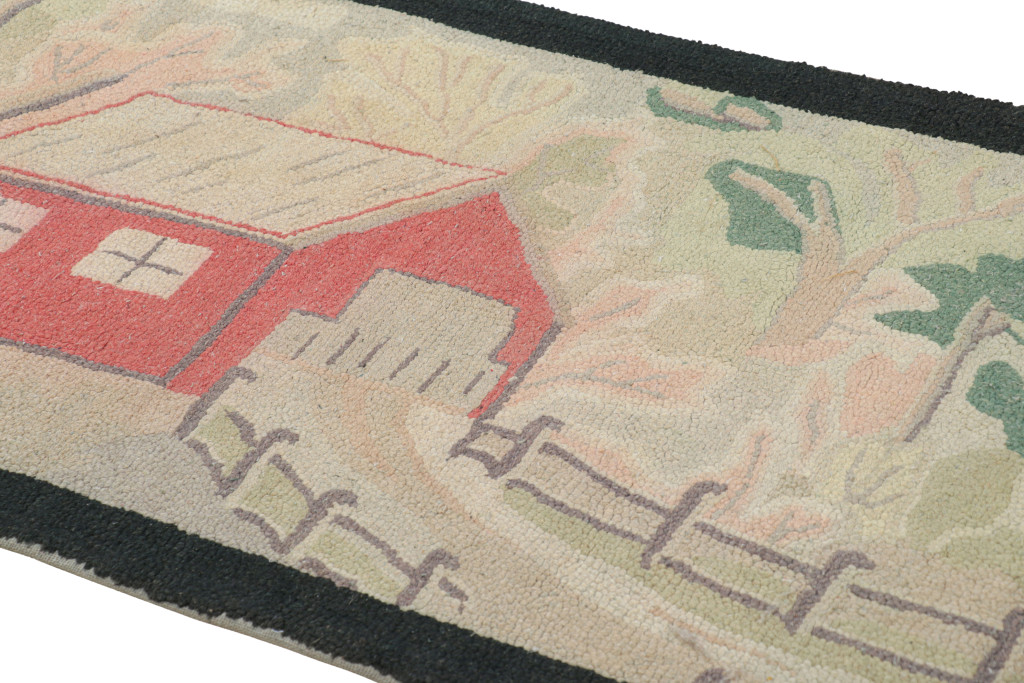 10290Antique Hooked Rug with Farm Pictorials in Cream and Green, from Rug & Kilim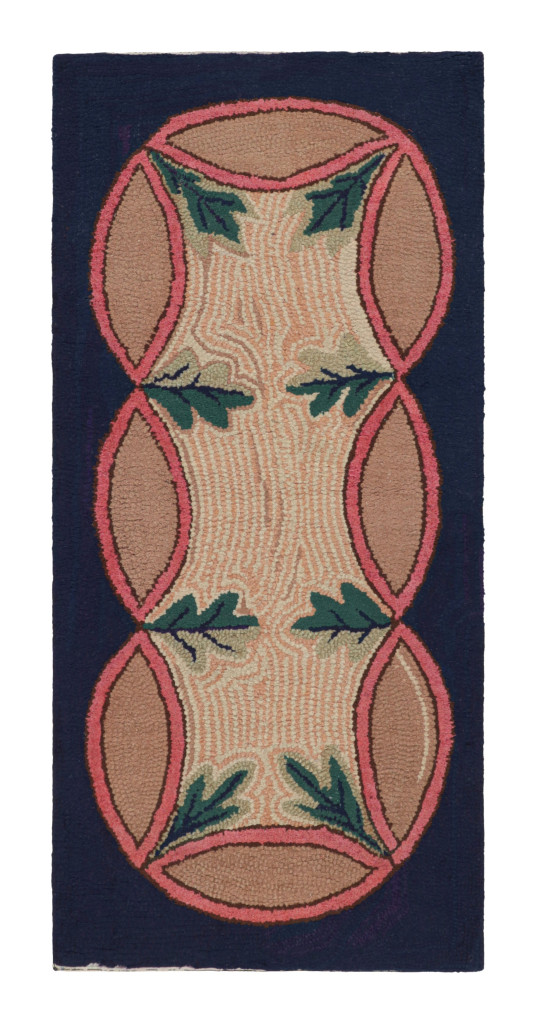
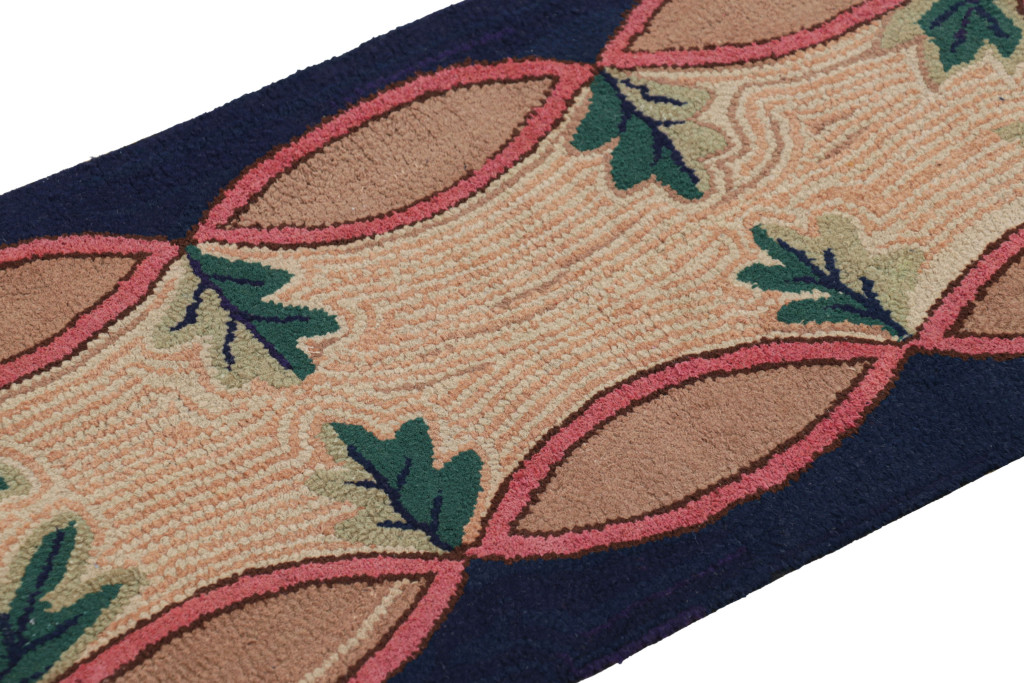 10288Antique Hooked Rug in Navy Blue with Medallion and Patterns from Rug & Kilim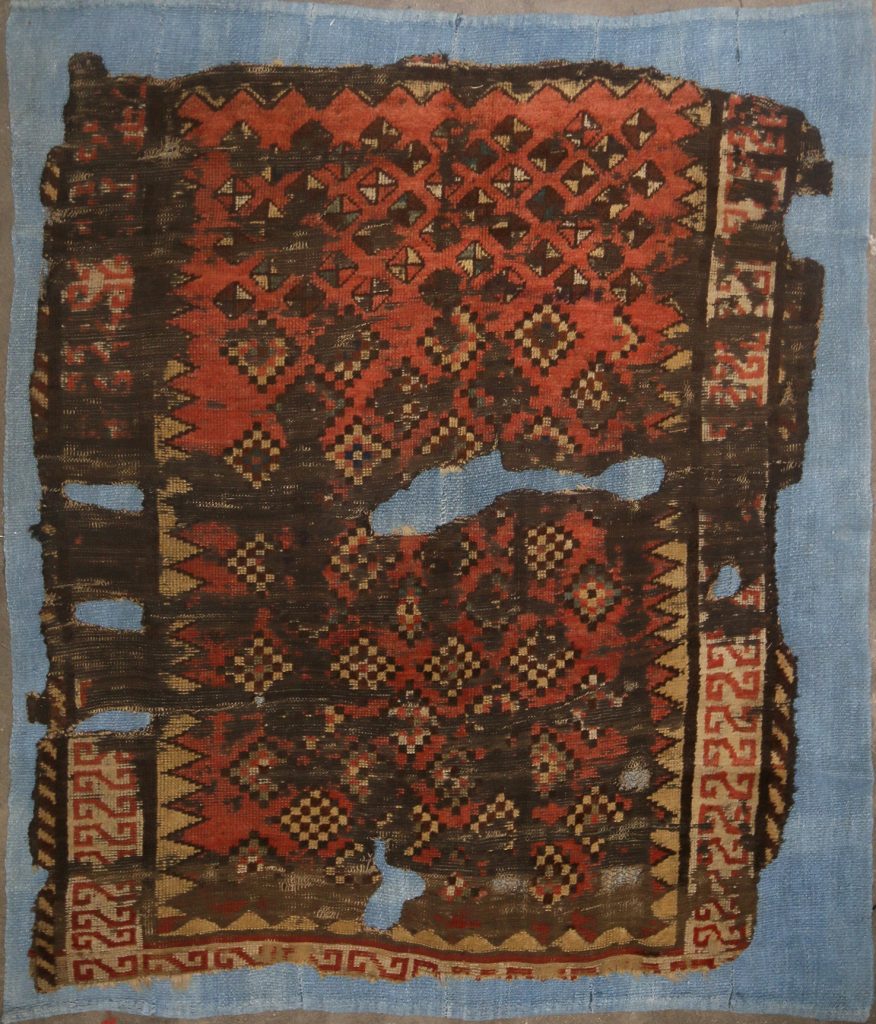
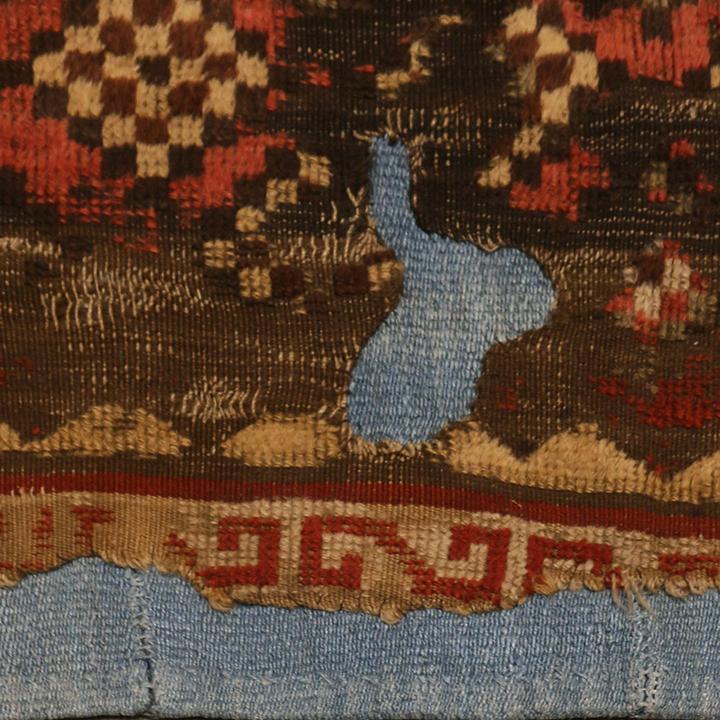 16064Vintage Turkish Geometric Fragment Rug in Beige, Yellow & Red - Rug & Kilim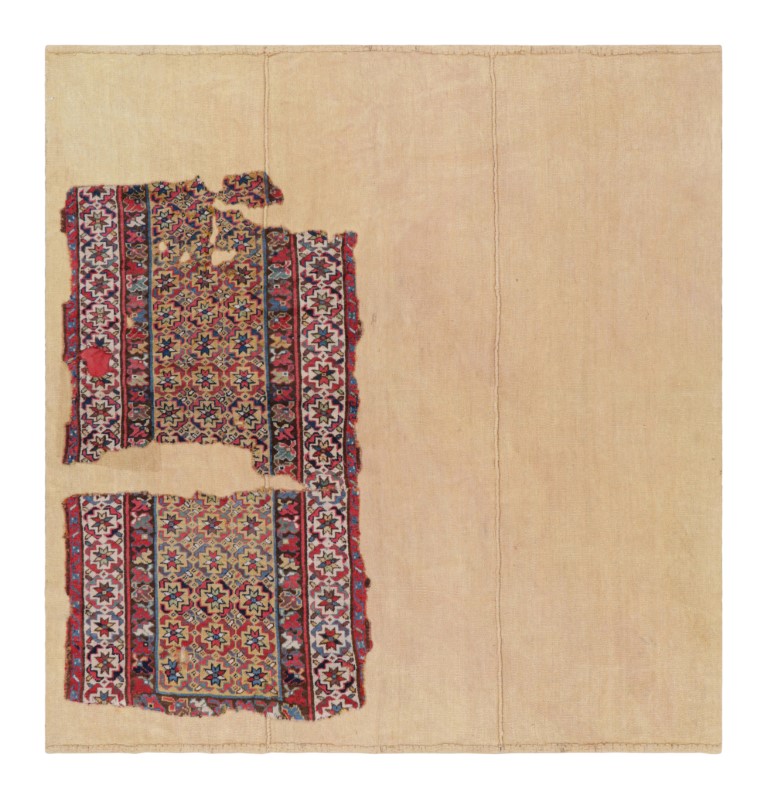
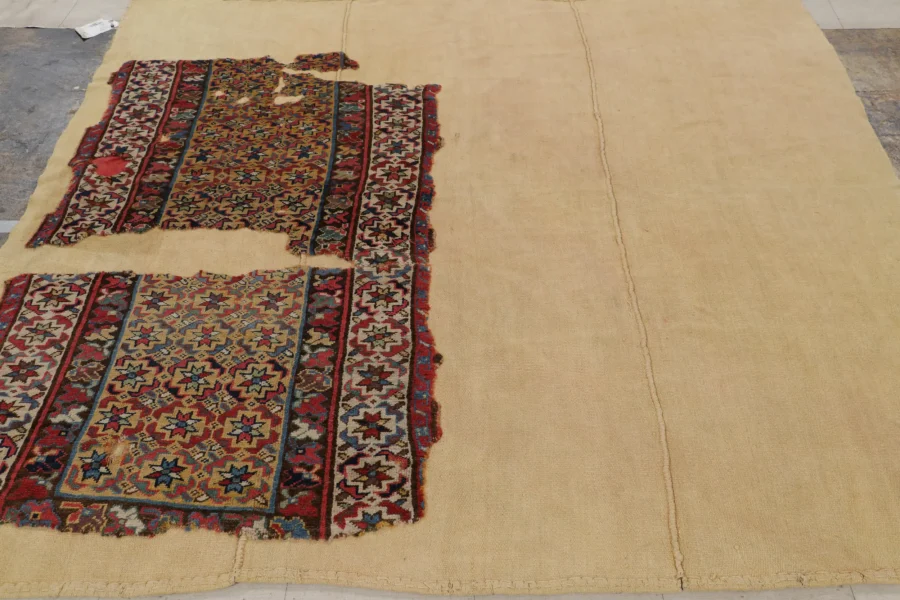 16063Vintage Tribal Rug Fragment Layered with Flatweave Backing - Rug & Kilim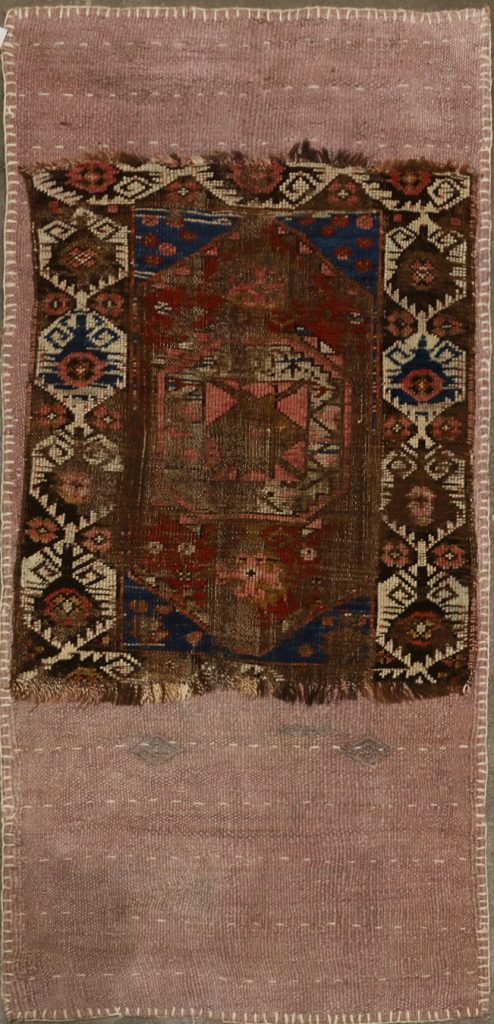
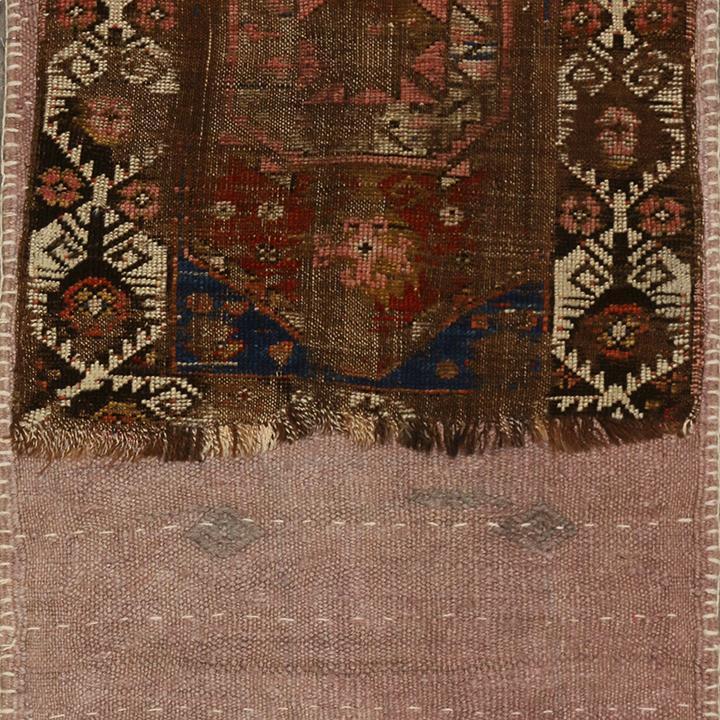 16062Vintage Tribal Geometric Beige Brown and Red Wool Turkish Rug Fragment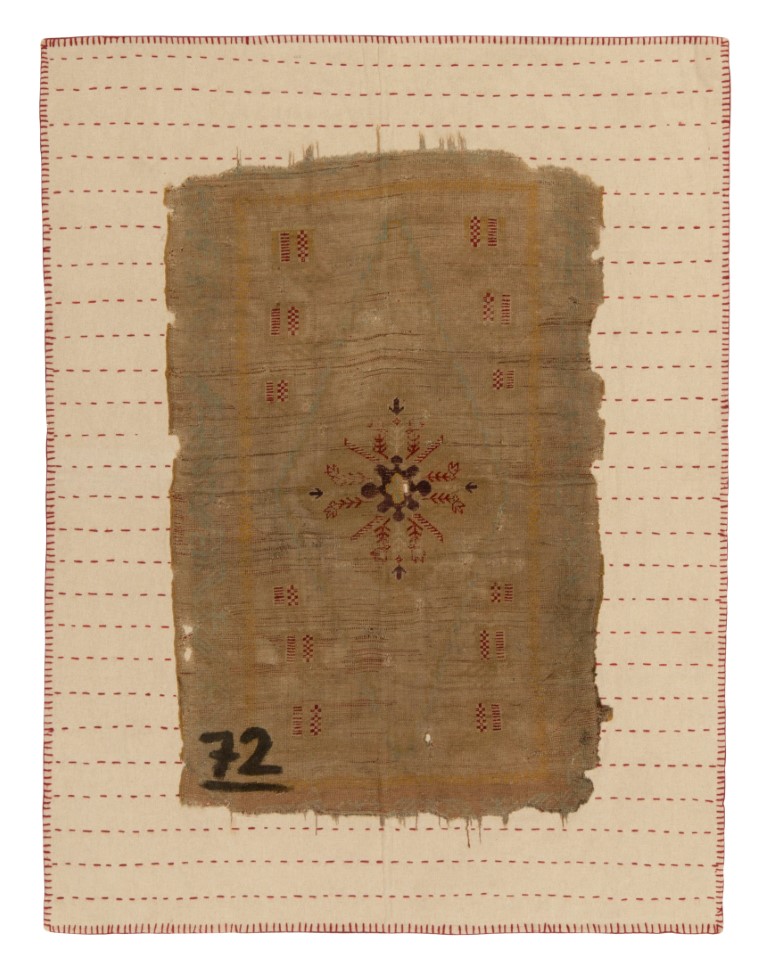
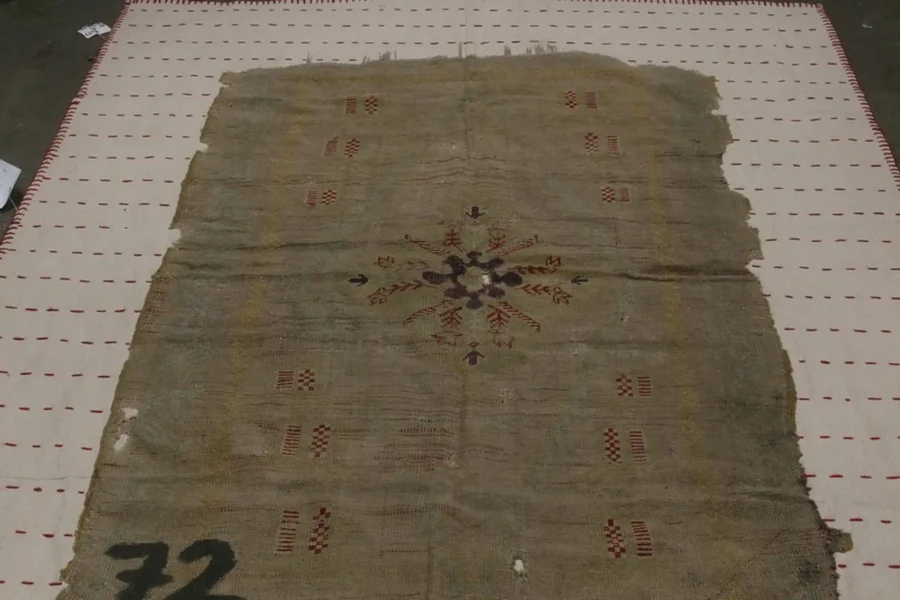 16059Vintage Medallion Green-Blue and Red Wool Turkish Rug Fragment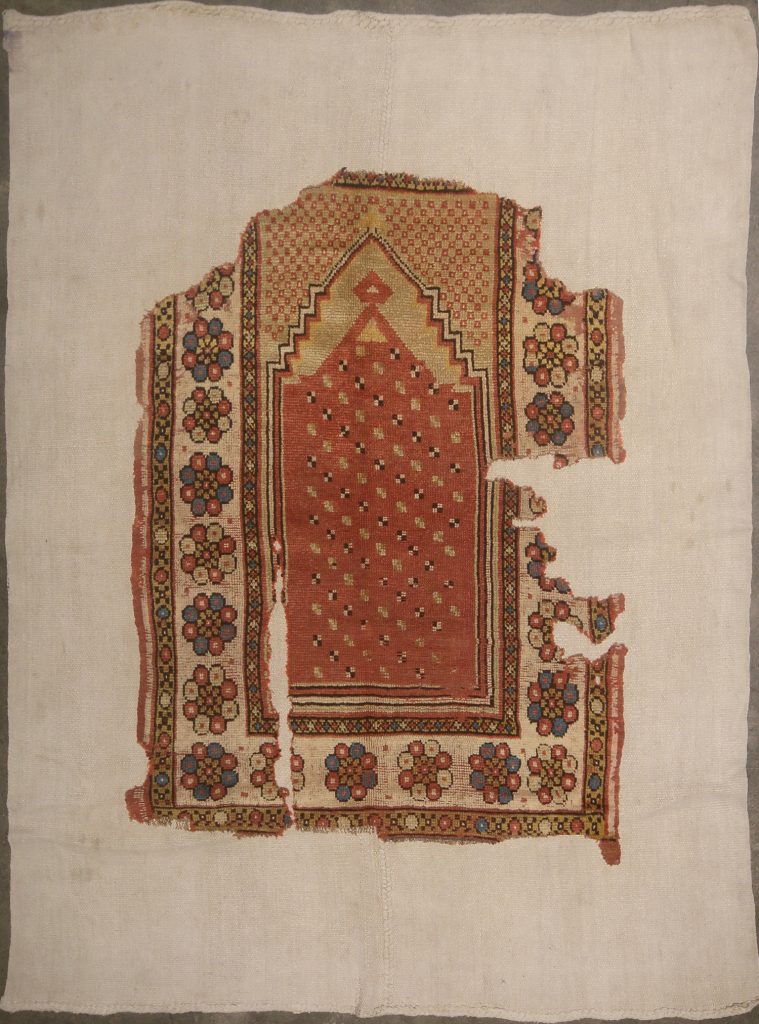
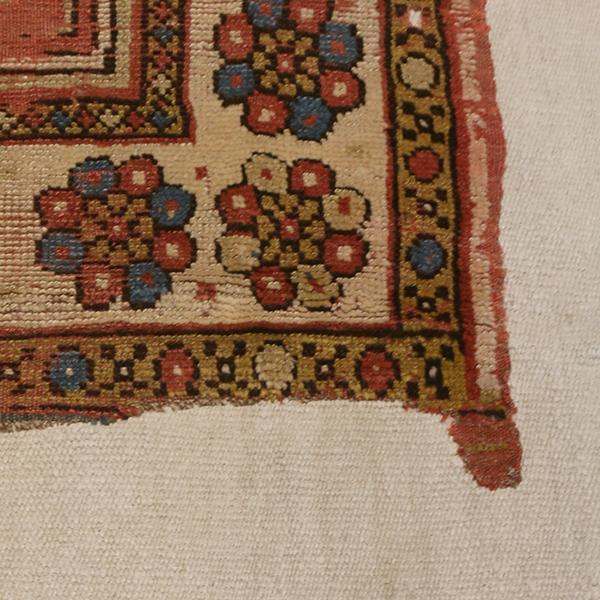 16058Vintage Geometric Floral Beige Gold and Red Wool Rug Fragment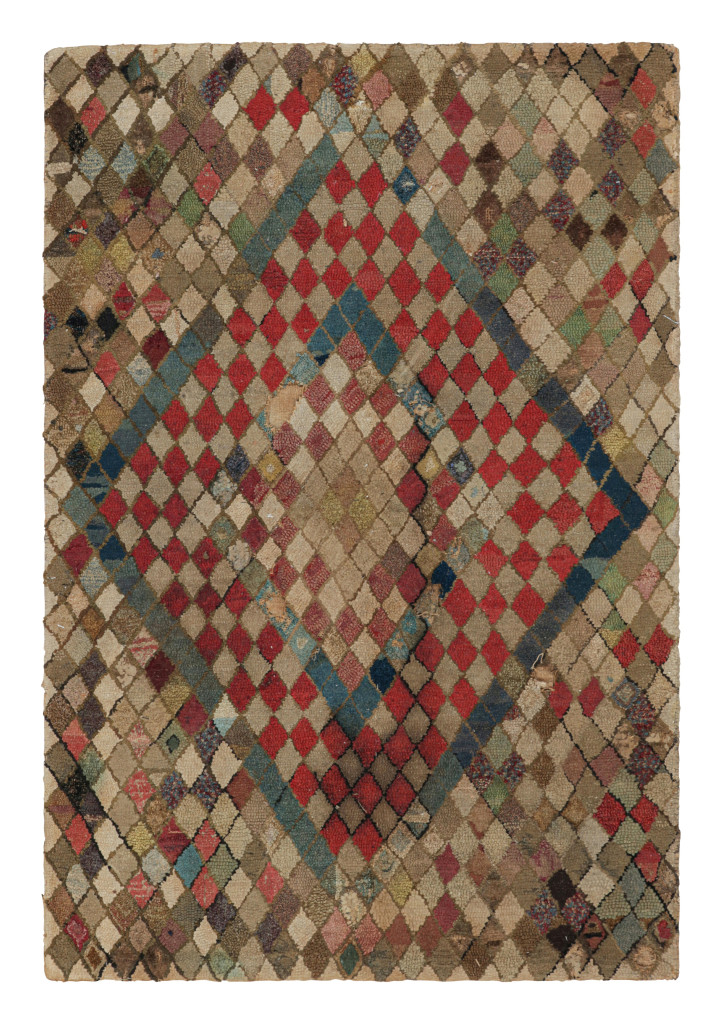
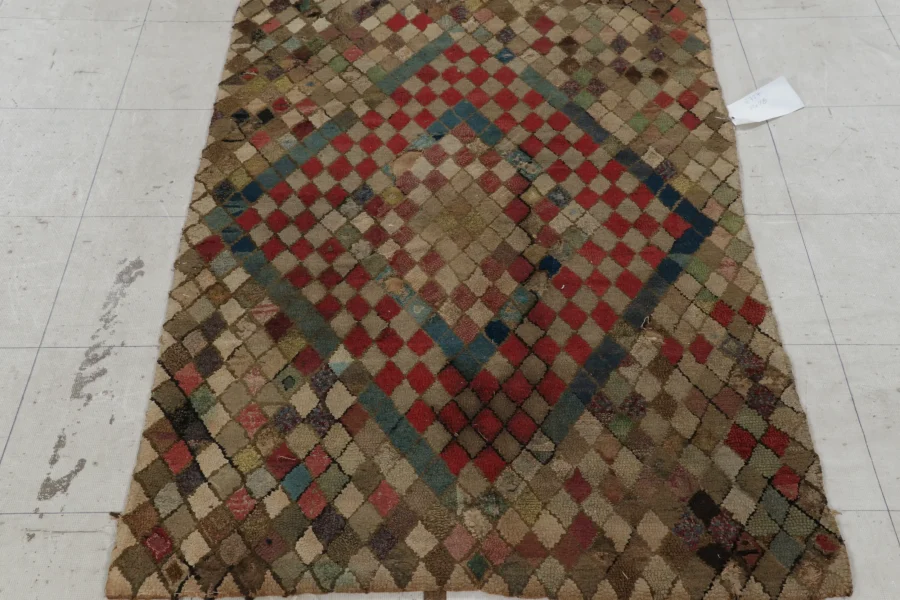 15727Antique Hooked Rug with Geometric Medallions and Patterns from Rug & Kilim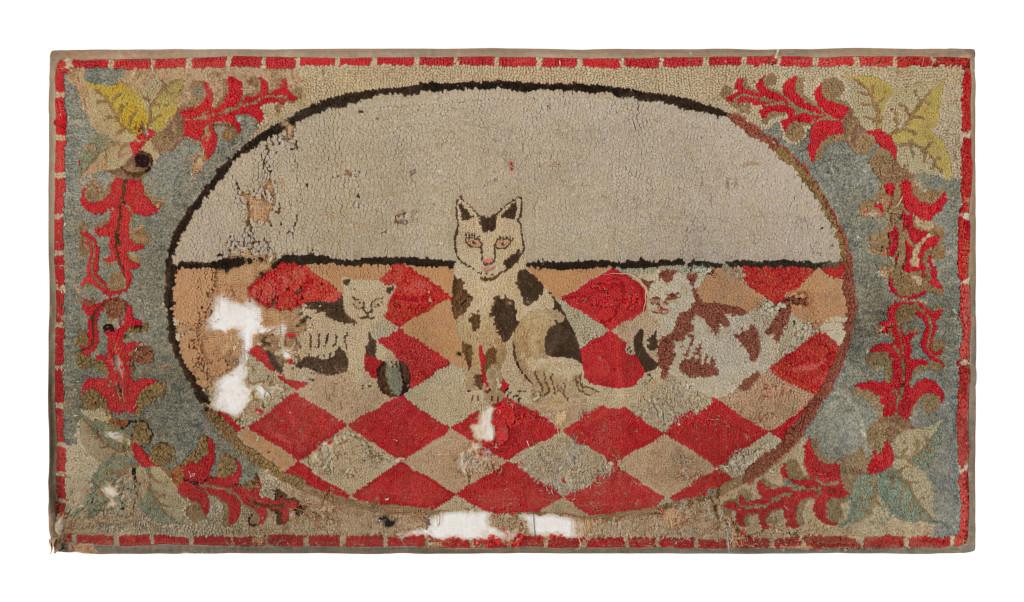
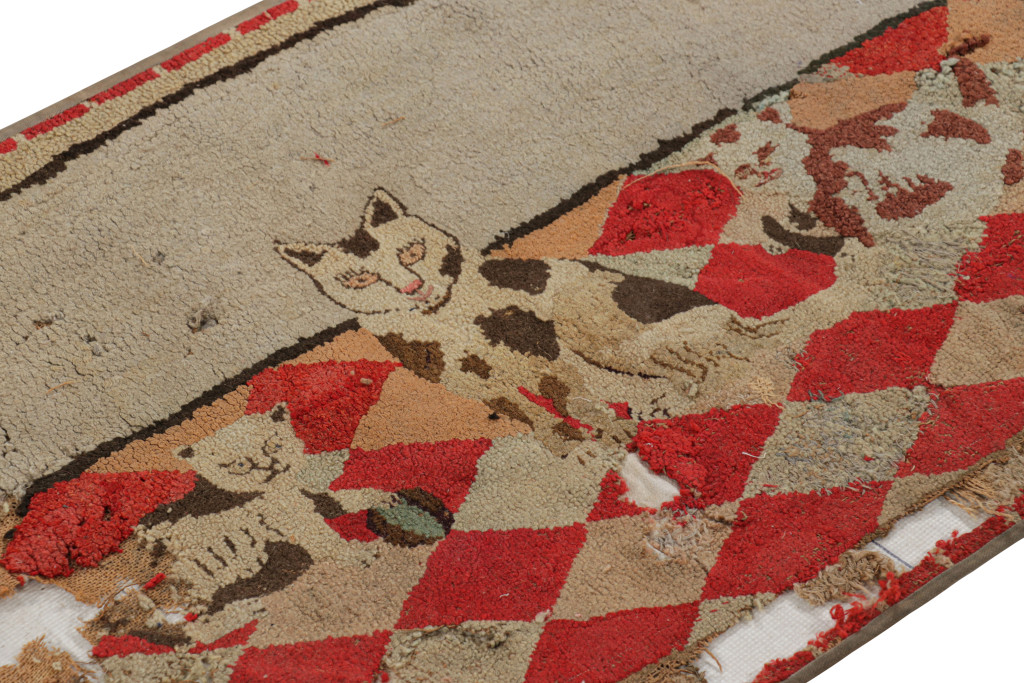 15726Antique Hooked Rug with Animal Pictorials and Floral Patterns, from Rug & Kilim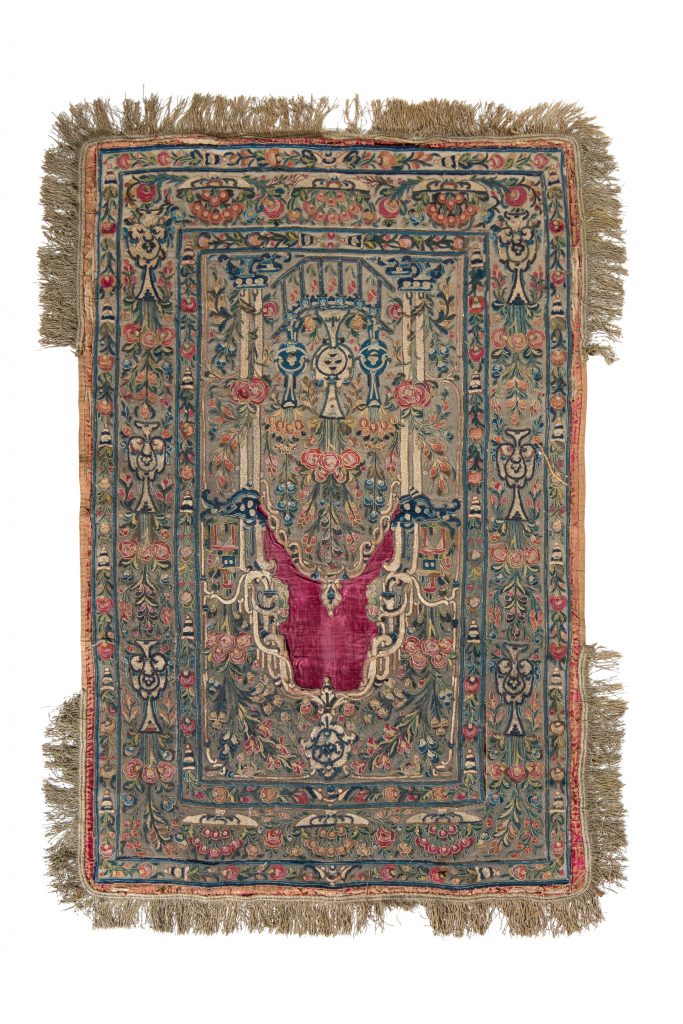
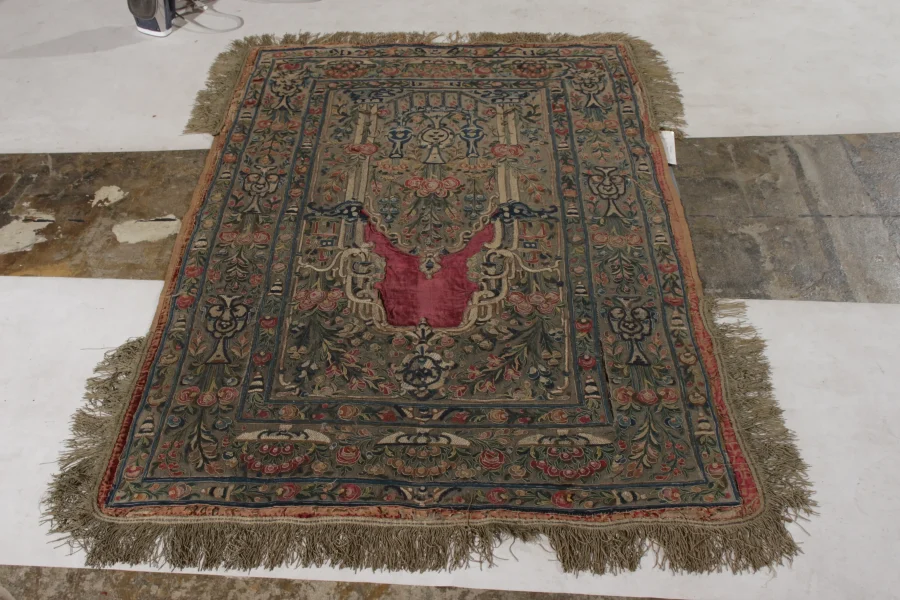 13296Antique Italian Tapestry in Green & Red with Floral Patterns, from Rug & Kilim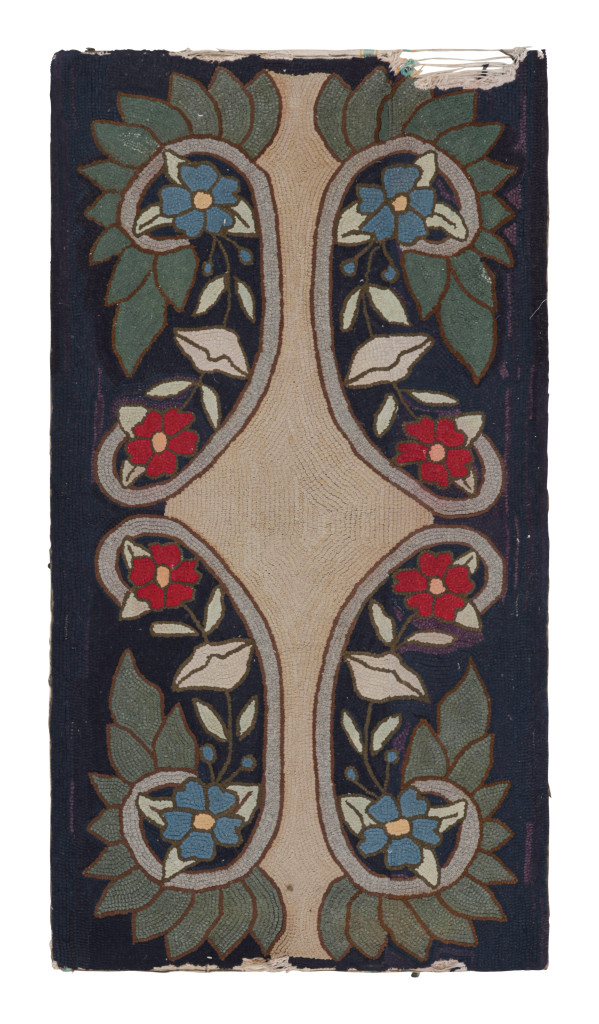
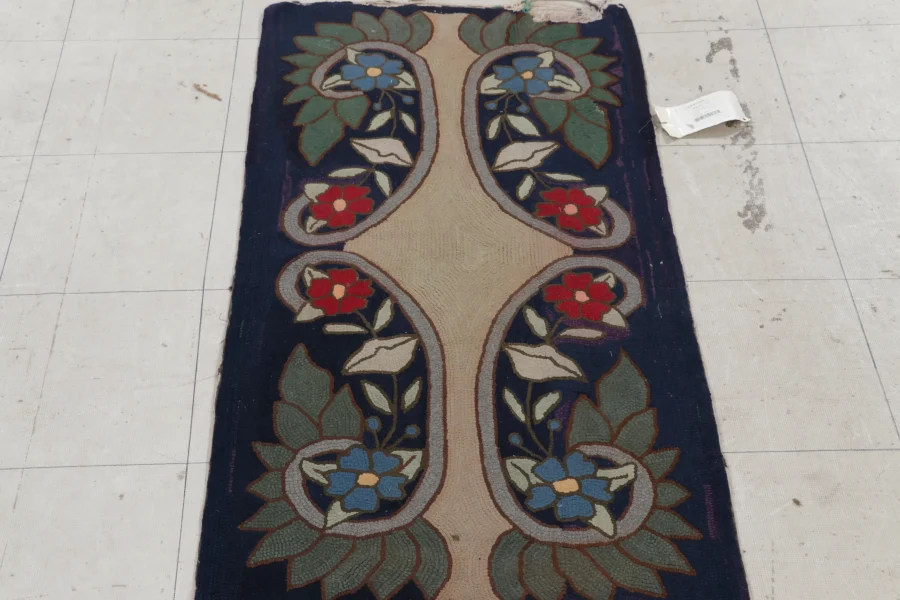 13294Antique Hooked Rug in Navy Blue with Medallion and Florals from Rug & Kilim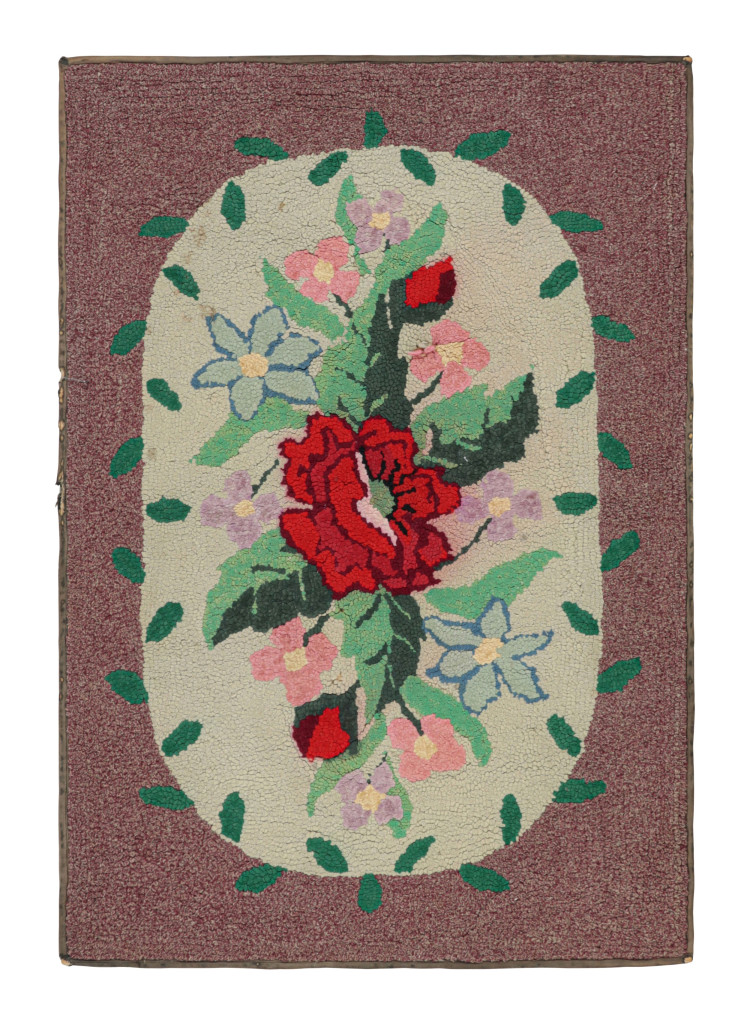
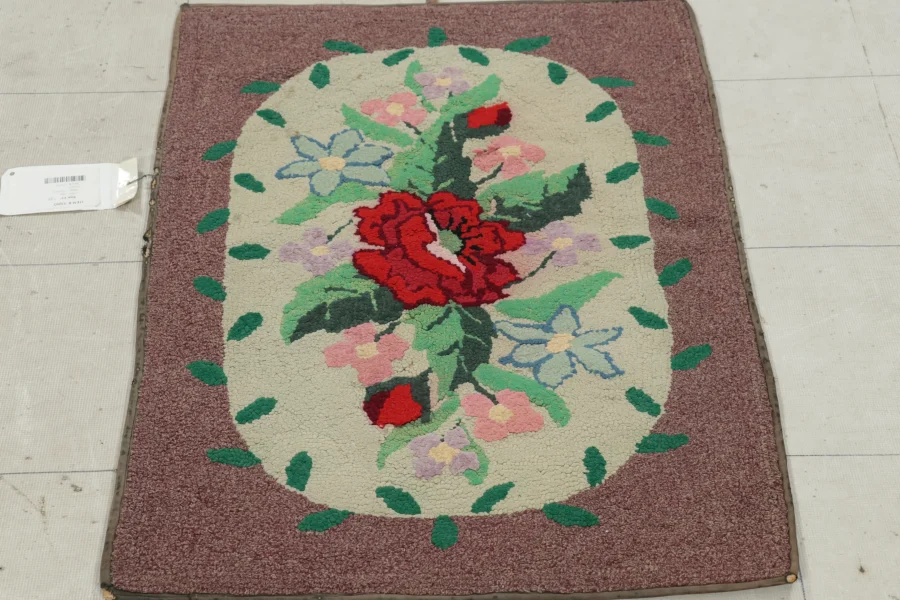 13293Antique Hooked Rug in Purple with Floral Medallion & Patterns from Rug & Kilim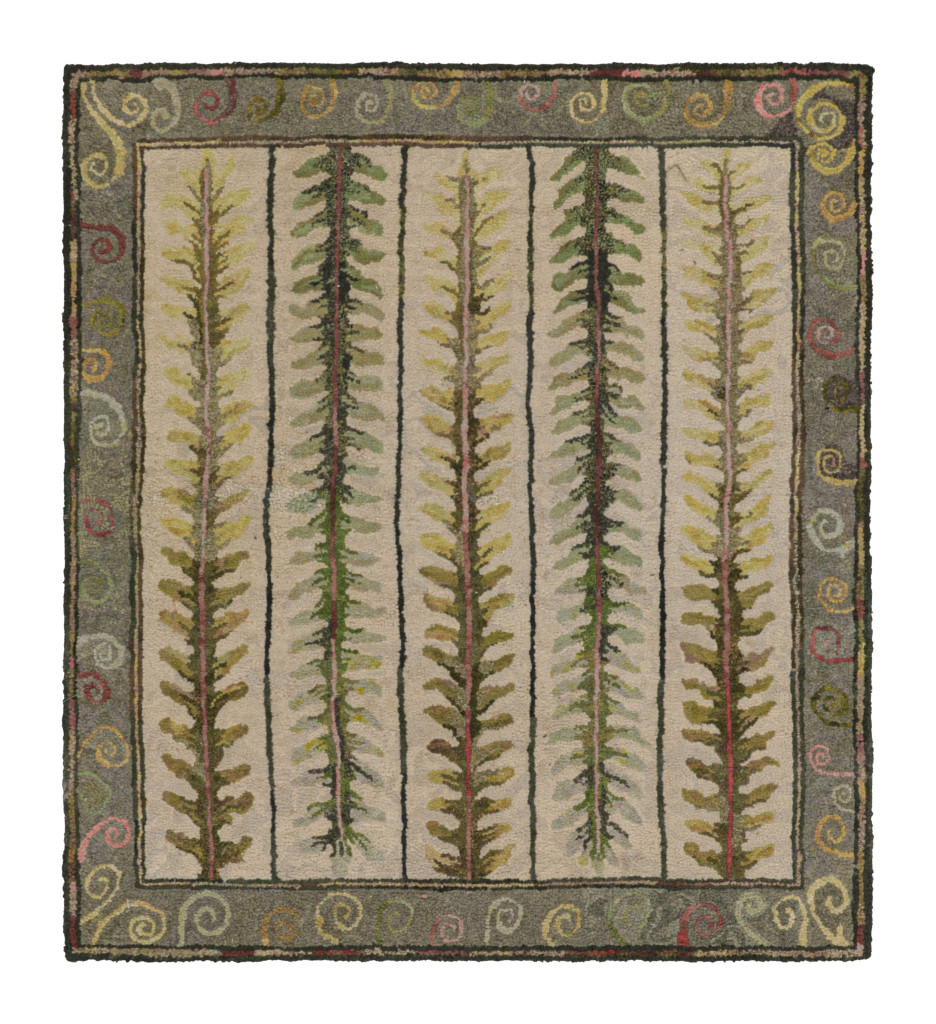
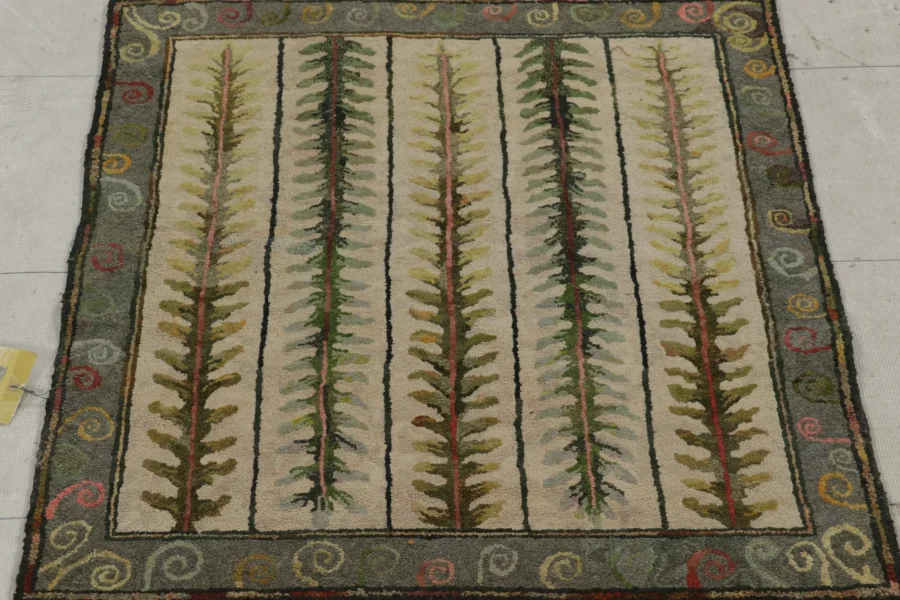 13284Antique Hooked Square Rug in Beige with Floral Medallion from Rug & Kilim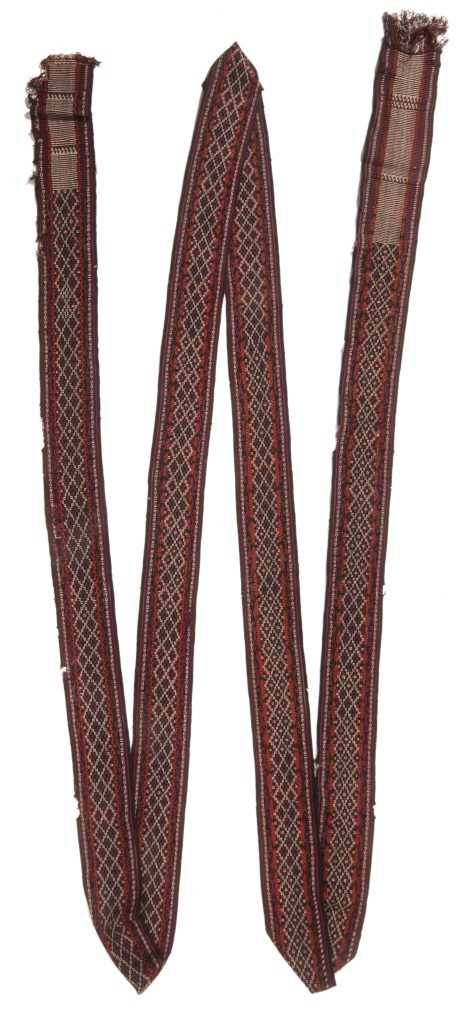
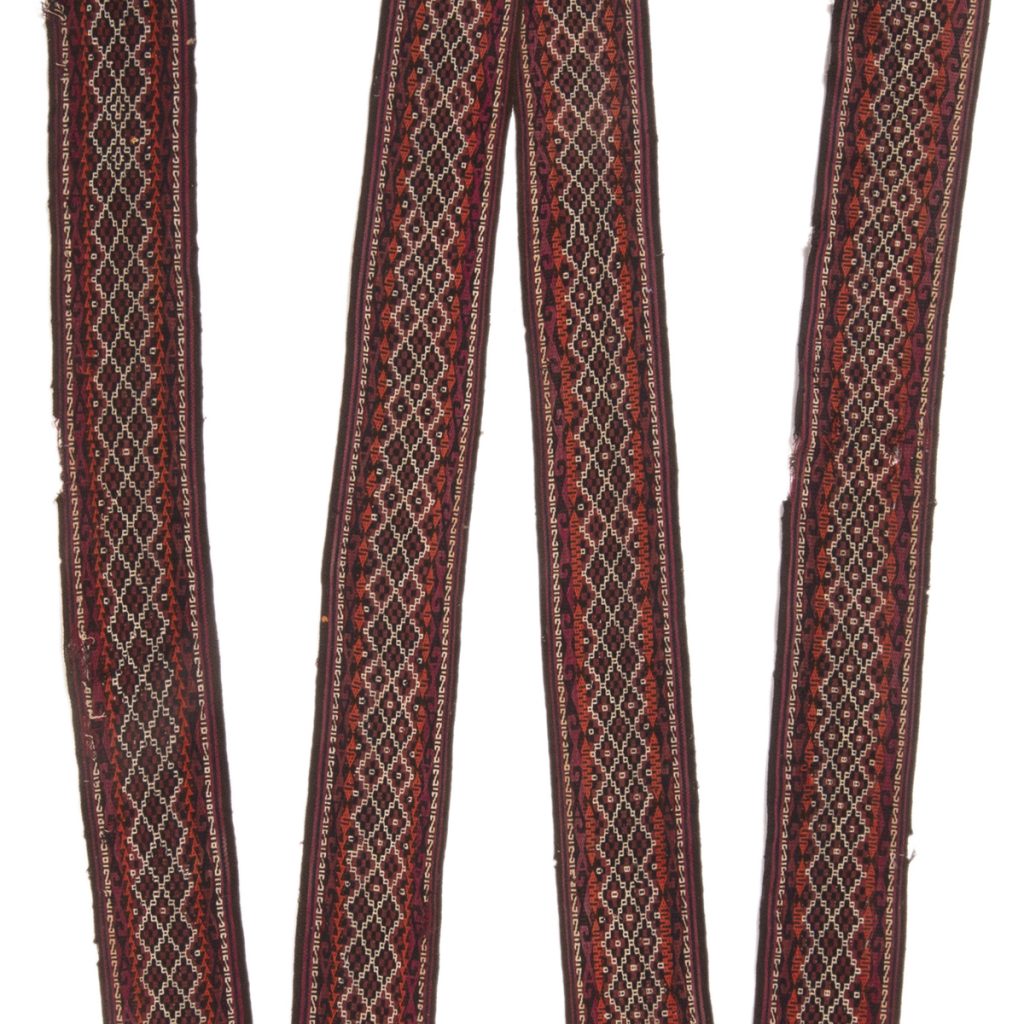 12839Antique Geometric Beige-Brown Purple and Orange Wool Persian Kilim Runner 12839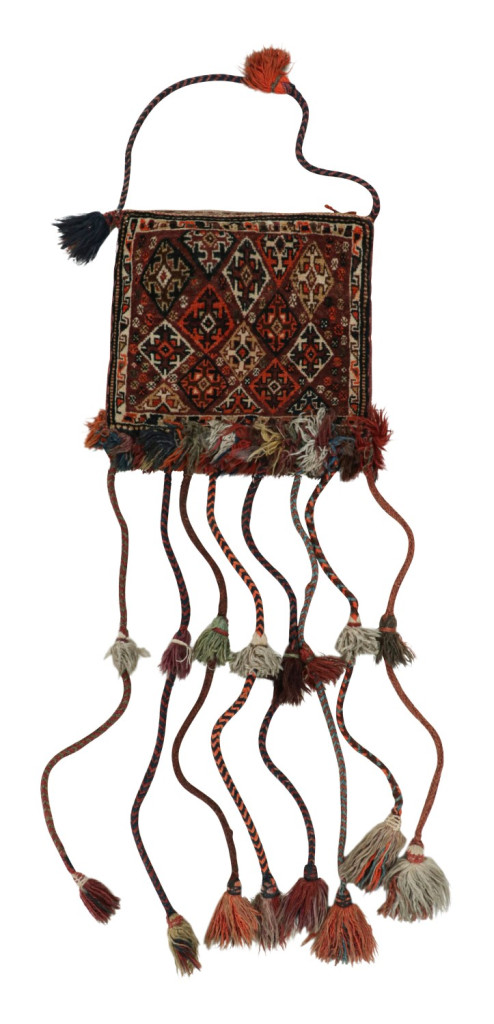
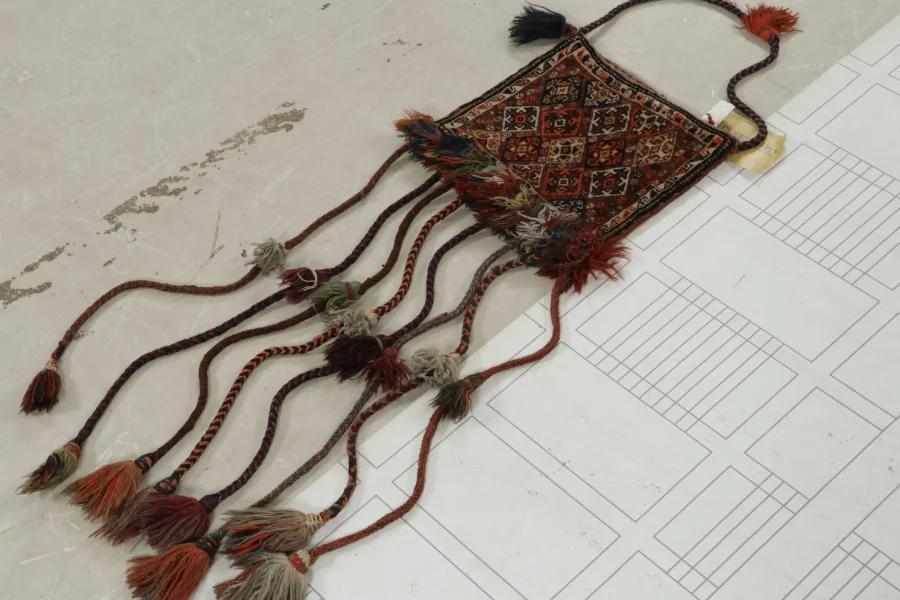 12788Antique Persian Tribal Salt Bag with Geometric Patterns, from Rug & Kilim
Stories from the Accessories Archive
Essays, artist dialogues, and provenance notes drawn from Rug & Kilim’s editorial desk.
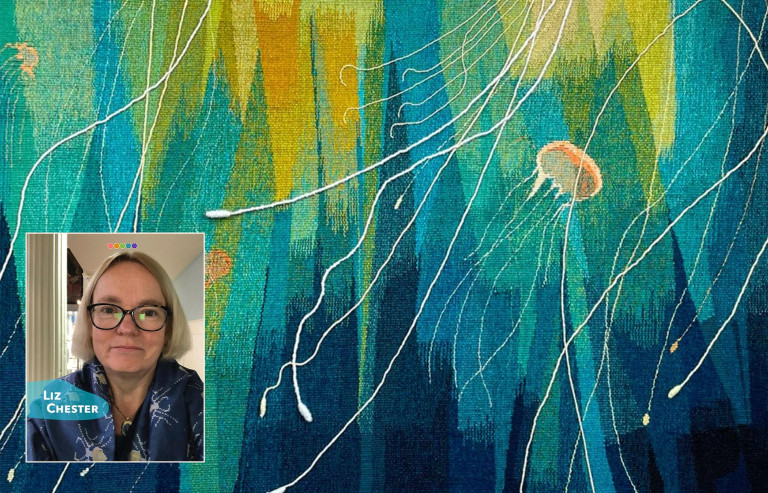
Rug & Kilim’s Tapestry Artists’ Series: In Dialogue with Elizabeth Chester
There is a particular kind of looking that a great tapestry demands, slower than painting, more physical than sculpture, closer to reading than to seeing. The eye must travel. It must follow the thread, understand the structure, and then, having understood it, surrender to the illusion that the structure has been designed to create. The greatest European tapestries have always operated this way: technically transparent to the scholar and visually overwhelming to everyone else simultaneously. It is the most demanding of the textile arts, and the one that rewards sustained attention most completely.
Read the Feature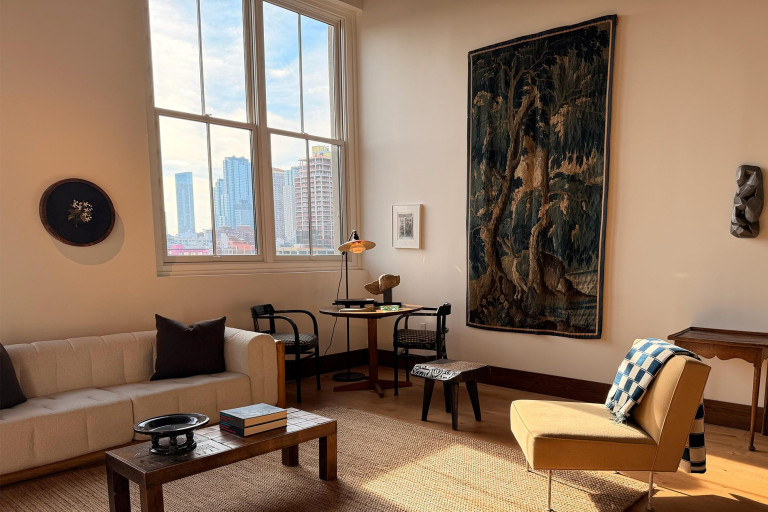
Tapestries in the Language of Contemporary Design: When Walls Speak
Tapestry is the oldest form of spatial storytelling. Before wallpaper became political, before murals were democratized, before art was framed, taxed, traded, or speculated upon, power was woven. Tapestries were the original soft architecture of authority—portable walls for empires on the move, visual treaties between monarchs, and declarations of taste that traveled more freely than armies. They insulated cold stone halls, softened acoustics for diplomacy, and—perhaps most importantly—controlled the narrative. In a world without screens, tapestries were the screens: projecting mythology, ideology, lineage, and aspiration in wool, silk, and gold thread.
Read the Feature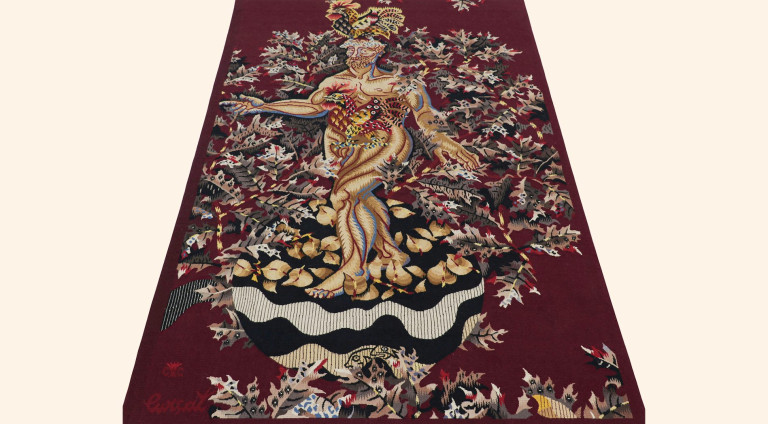
Rug of The Week Series II: Jean Lurçat’s L’Homme and the Political Resurrection of Tapestry
Some works enter a room as objects; others arrive as events. Jean Lurçat’s L’Homme does not merely hang—it presides. It does not wait for you to look; it looks back. Woven in postwar France, at a time when the language of beauty had been shattered by history, this tapestry is a declaration: that art must outlast its maker, and that a wall can bear more than ornament—it can bear witness. The Eternal Sentinel of Human Dignity and Earth’s Memory The man here is not merely a figure but a totem—an emblem of humanity rooted in the soil, crowned with nature’s defiance. Lurçat, whose postwar revival of the Aubusson tapestry tradition redefined its purpose, would say this figure is not a portrait but a mirror: a reflection of what dignity looks like when stripped of ornamentation, yet woven with the richest colors of survival.
Read the Feature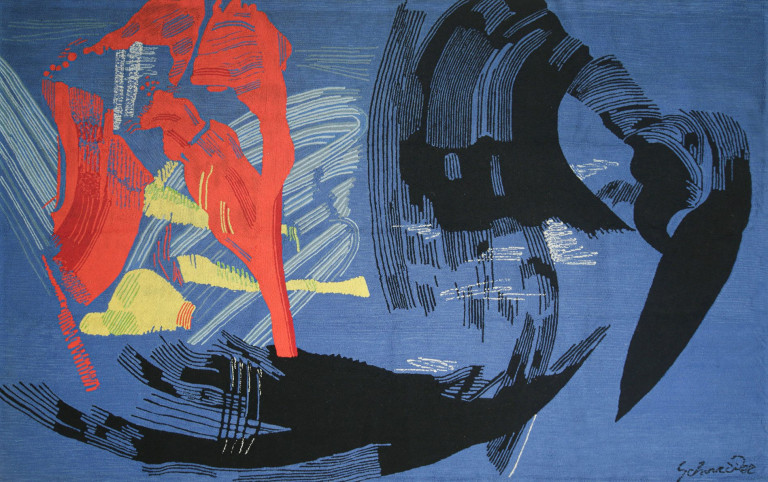
Rug of The Week Series I: Gérard Schneider and the Power of Mid-Century Tapestry
There are objects you acquire, and there are objects that acquire you. This tapestry by Schneider is of the latter kind—an inheritance of ideas, forged in color and conflict. Amidst the trends of over-curated spaces and algorithmic aesthetics, it’s rare to encounter an object that resists easy categorization—something that asserts itself in a room with presence, not polish. Gérard Ernest Schneider’s mid-century tapestry, handwoven in France during the 1950s, is exactly that kind of object. It doesn’t merely live on a wall; it claims the wall, and with it, the cultural, architectural, and emotional context of the room.
Read the Feature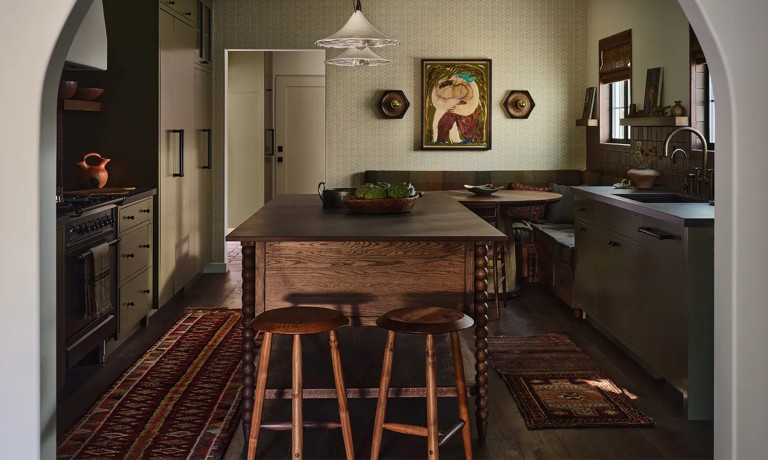
What Makes Qashqai Kilims Unique? Inside the World of Persian Tribal Rugs and Flatweaves
As seen in Domino Magazine, featuring our Kilim rug, designed by Los Angeles design firm A1000XBetter, founded by Kirsten Blazek. Over the last four decades of collecting, studying, and preserving Kilims and Flatweaves, we have come to understand them not simply as tribal textiles, especially Qashqai kilims, which are documents authored by women whose names we will never know, yet whose design decisions resonate across centuries. Every kilim in a collection is a fragment of a larger ethnographic narrative of movement, negotiation, and encoded survival. What begins as a study in tribal design inevitably becomes a reflection on how memory operates in material form. As collectors and custodians, we have come to understand these pieces less as possessions and more as conversations—between past and present, utility and abstraction, territory and transcendence. They speak to the same values that define the most forward-thinking design philosophies: sustainability, material honesty, visual intelligence, and narrative depth.
Read the Feature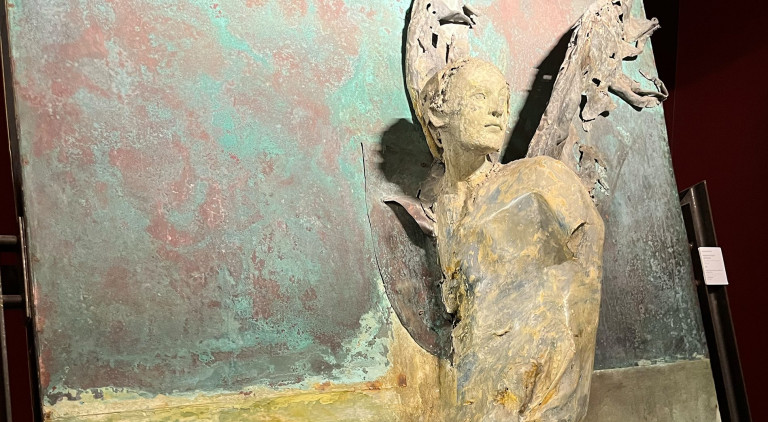
Rug & Kilim Went to Italy: Tapestries and Art That Still Shape the Rooms We Build
There are a few moments in a designer’s life when the past speaks with such authority that it stills the noise of our modern age. On our recent visit to Italy, we found ourselves standing in hushed awe before one of design history’s most overlooked masterworks: the tapestry. As part of our curatorial philosophy at Rug & Kilim, we believe great design doesn’t begin in studios. It begins in the field—in spaces where material history still breathes. We usually traverse geographies and genres, not to converse with spaces and history, but to also interact with narratives of faith, empire, gender, and place. In Italy, it was the tapestry that spoke to us most lucidly.
Read the Feature