
Tapestry
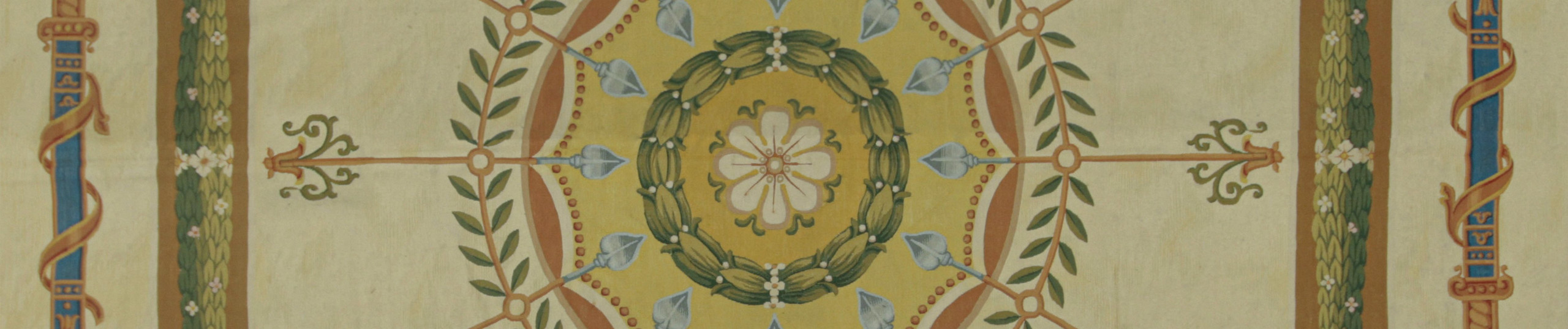
The Rug & Kilim Tapestry Collection stands as one of the foremost private archives of historical textile arts, representing forty years of disciplined acquisition across premier international markets and private holdings. This distinguished repertoire, anchored by rare and museum-caliber textiles, presents an authoritative chronicle of weaving traditions from the most important provenances and workshops.
Some of the earliest treasures in this never-before-seen archive include 17th-century tapestries, centuries-old Persian fragments, salt bags and horse covers, antique and vintage textiles of the Swedish Rölakan and Flamskväv traditions, Flemish tapestries, tribal textiles and folk art of all primitivist origins, and a particular emphasis of 18th-century Neoclassical tapestries (being one of our principal’s deepest passions in design history). Some of the new and especially exciting additions are signed vintage American and European tapestries, with works by mid-century masters like Henry Easterwood, Jean Lurcat, André Arbus, Etienne Poirier, Lucien Coutaud, Jean Picart Le Doux, Jean-Claude Bissery, Edmond Dubrunfaut, René Fumeron, and Paule and Jules Leleu.
This line’s diverse inclusion of rare provenances, special workshops, and important artists is perhaps matched only by its representation of exotic yarns and weaving styles, with a notable range of silk and metallic-threads long sought-after by admirers of the craft.
- Modern
- 19th Century & Earlier
- Americana
- Oriental
Origin ▼
Style ▼
Material ▼
Width
Length
To connect with a specialist, click here
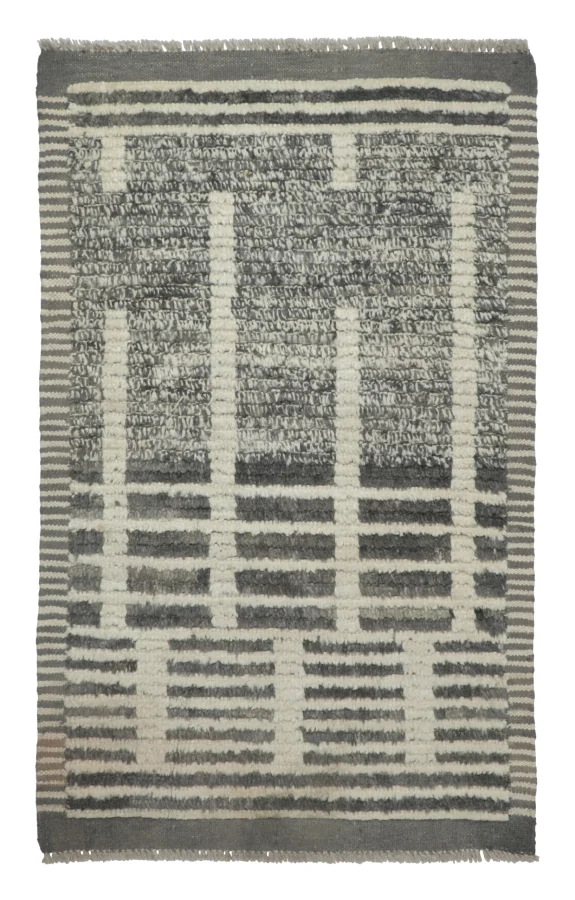
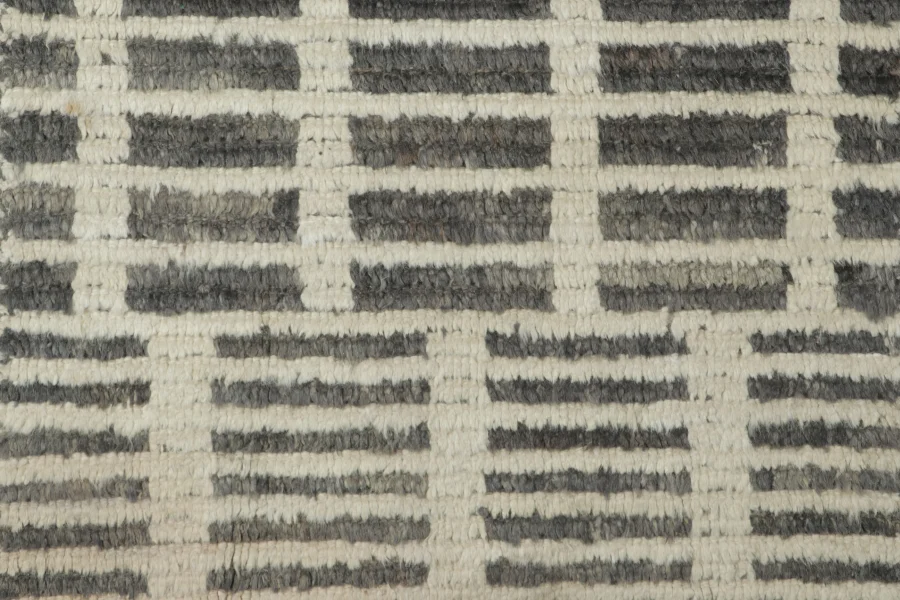 36542Rug & Kilim’s Contemporary Gift-Sized Rug with Bold Geometric Design in Deep Hues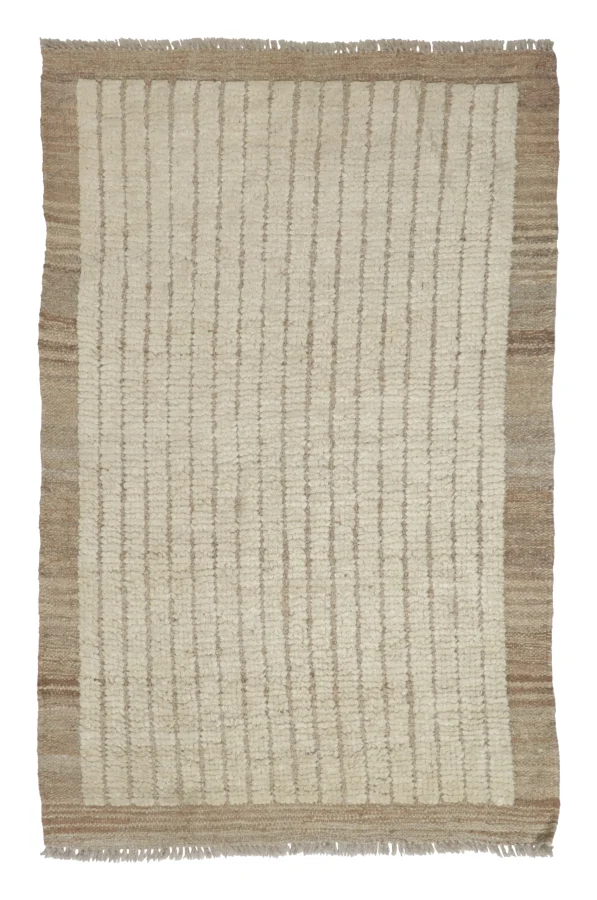
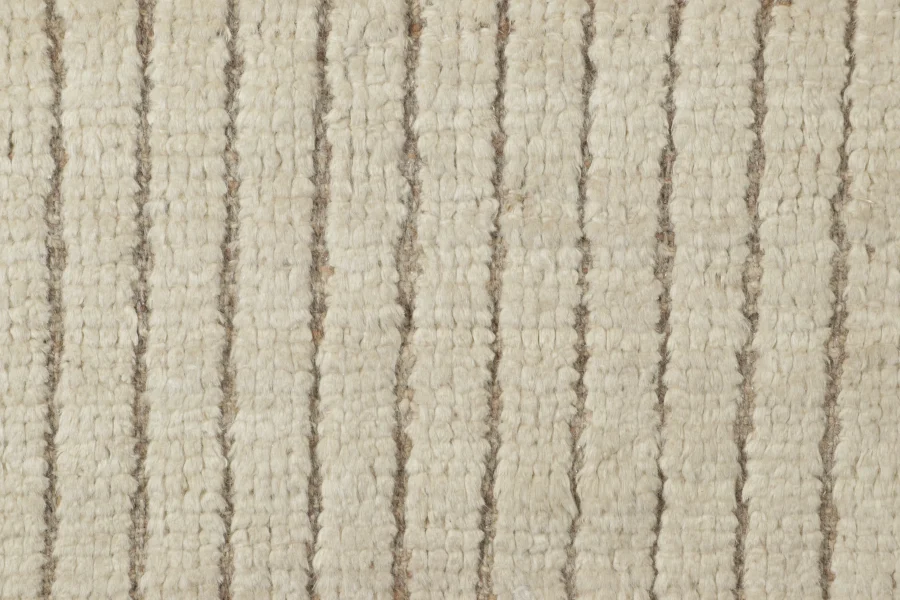 36540Rug & Kilim’s Contemporary Gift-Sized Rug with High Low Stripes in Beige & Cream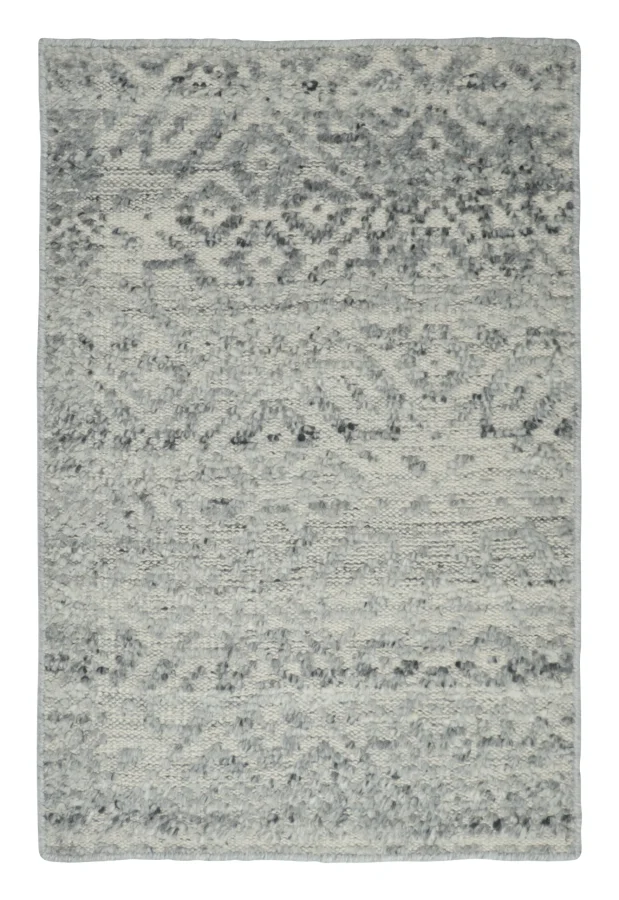
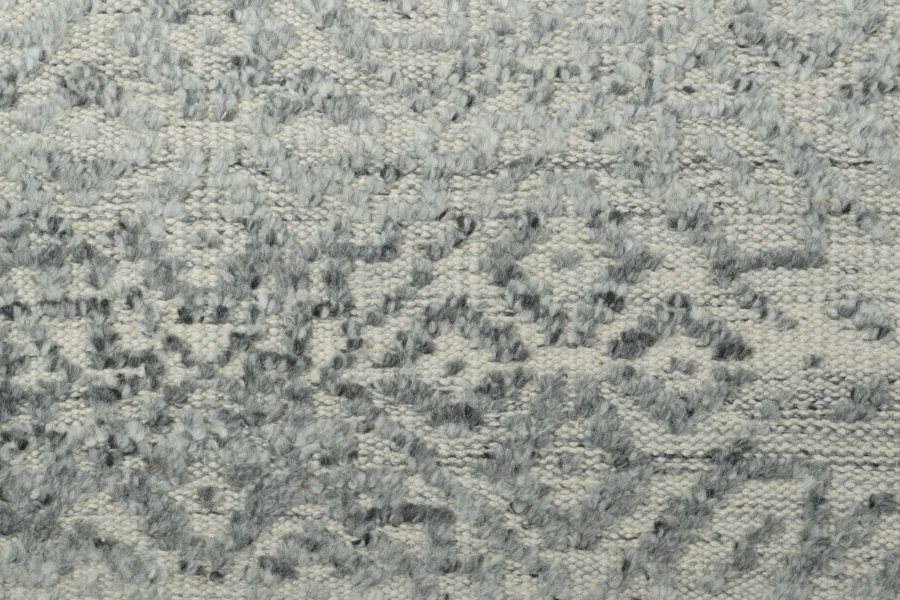 15246Rug & Kilim’s Contemporary Gift-Sized Rug with Gray Geometric High Low Texture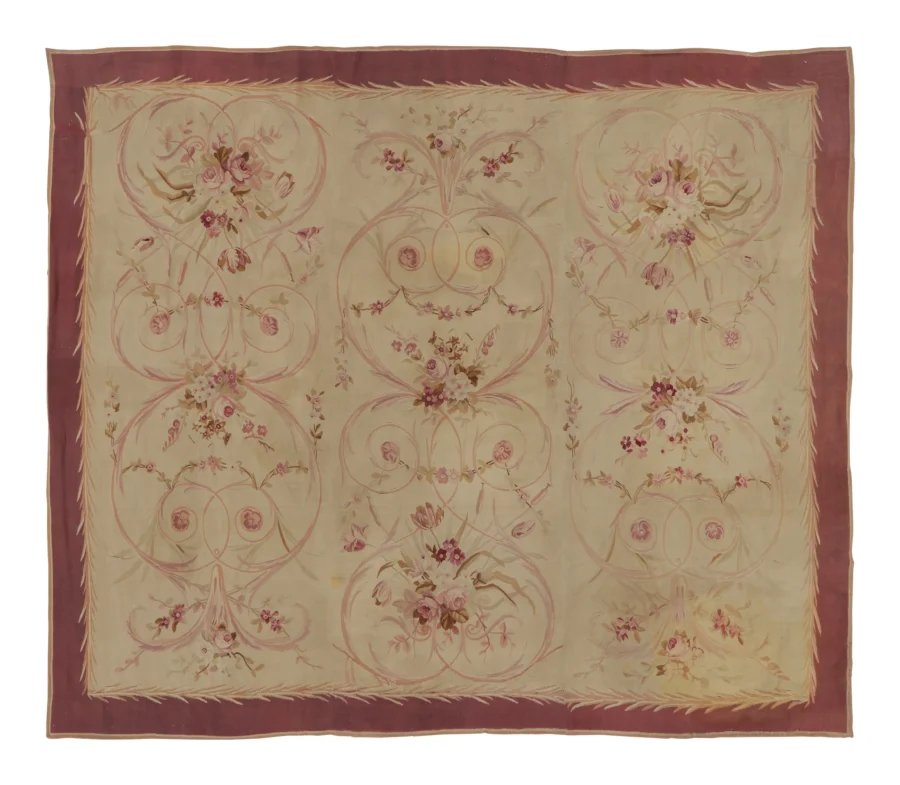
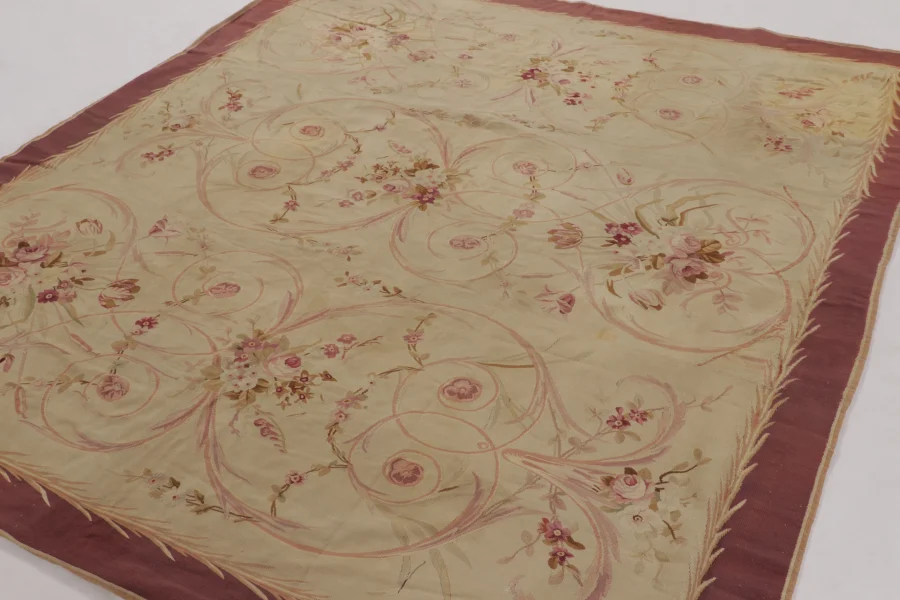 35715Vintage French Aubusson Carpet with Floral Cartouches & Rose Garlands in Red
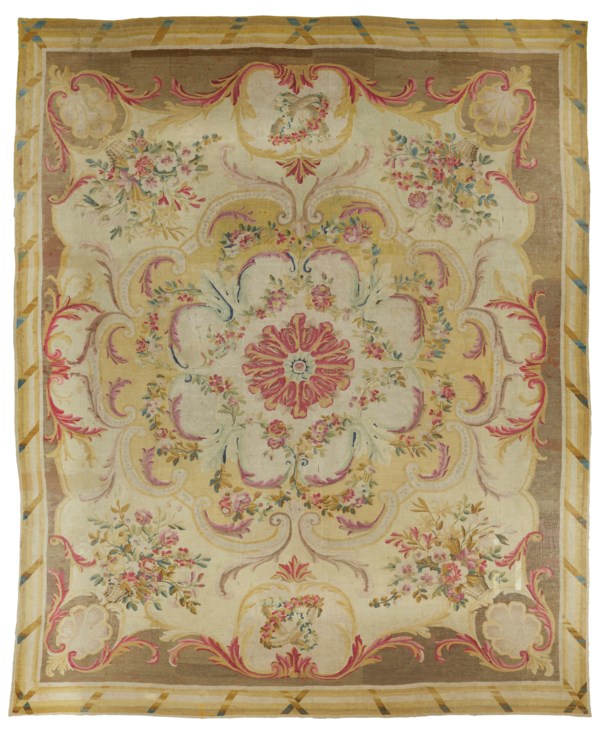 38375Oversized Antique 18th Century French Aubusson Rug with Floral Medallion - Rug & Kilim
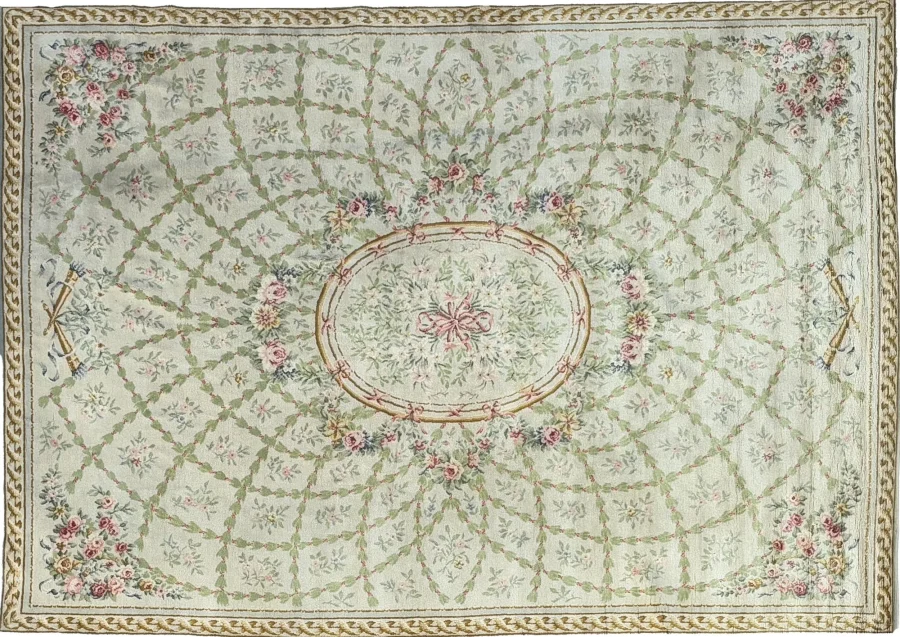 38370Antique 19th Century French Savonnerie Rug with Classic Bow Design - Rug & Kilim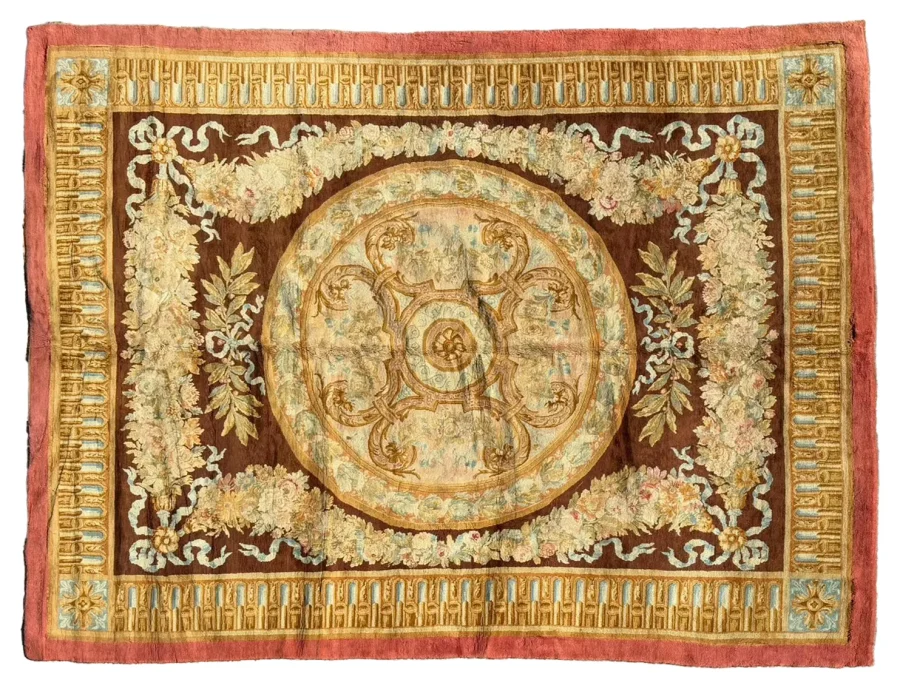
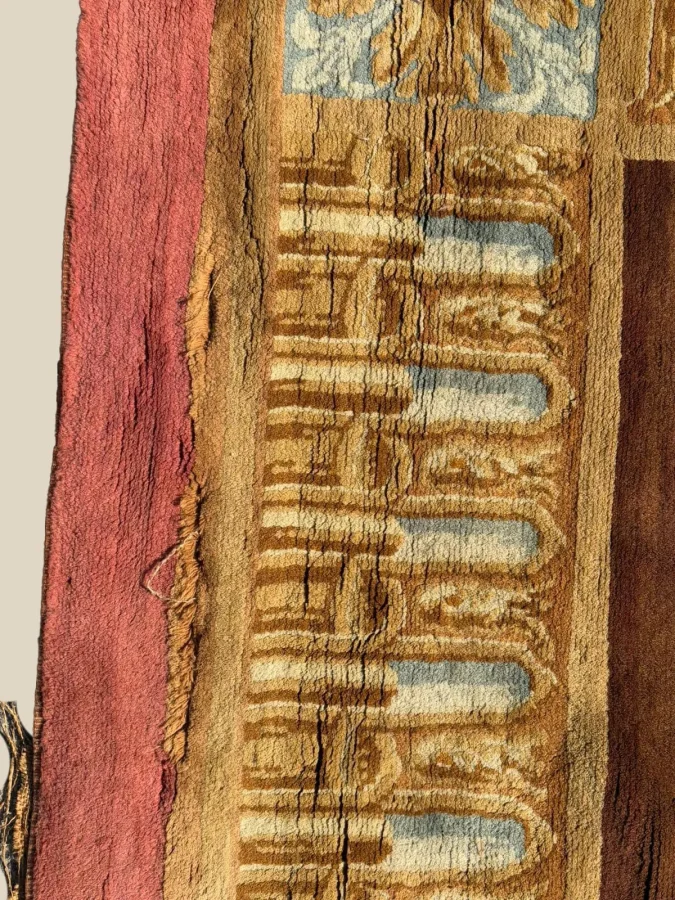 38369Antique 19th Century Aubusson Rug with Grand Medallion in Gold - Rug & Kilim
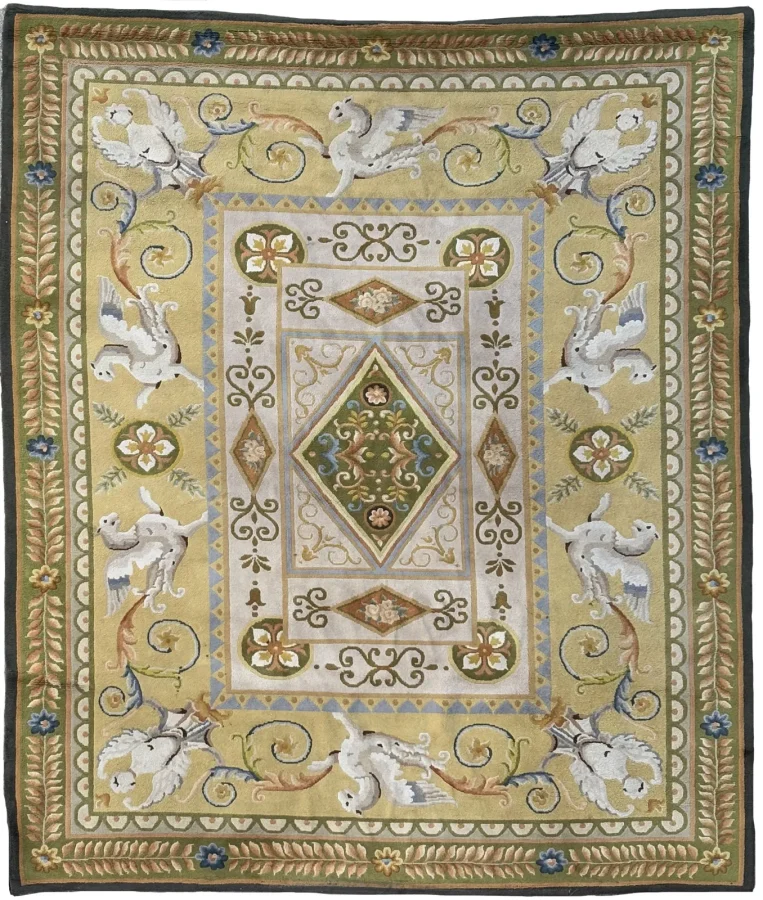 38368Antique 19th Century Spanish Savonnerie Rug with Diamond Medallion & Mythical Pictorials - Rug & Kilim
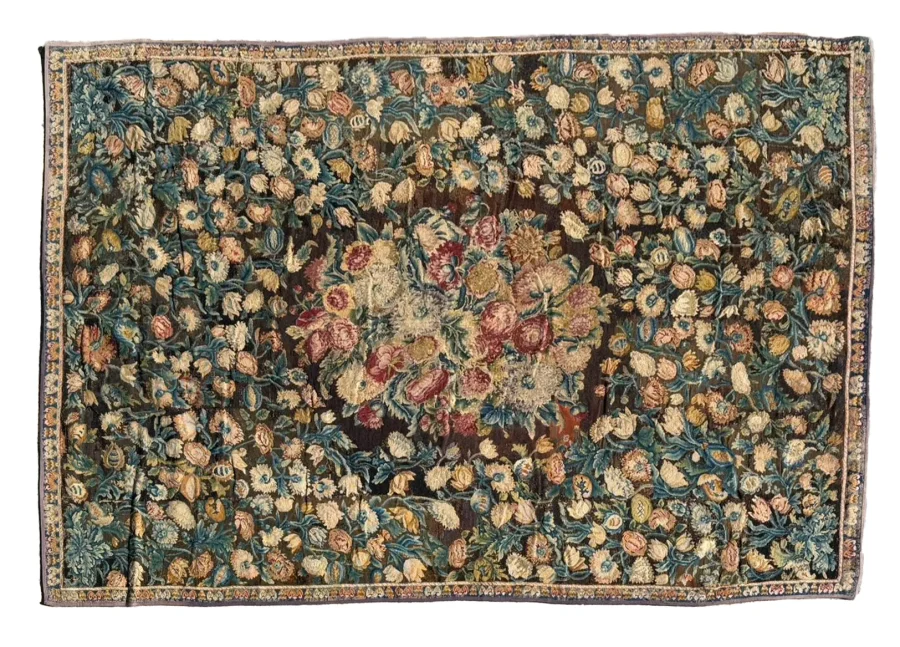 38367Antique 18th Century French Verdure Tapestry with Medallion & Vinery - Rug & Kilim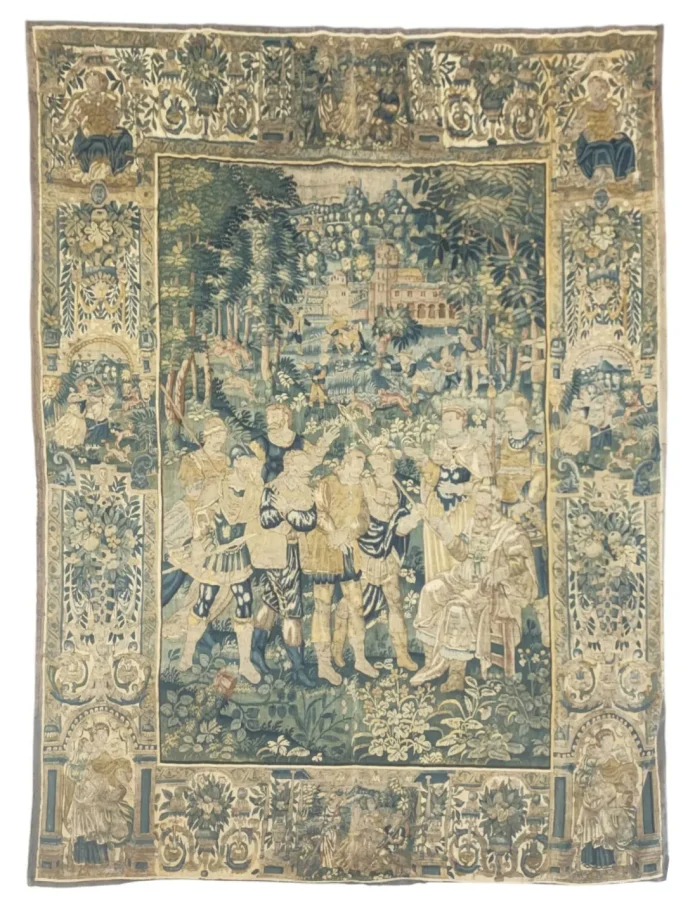
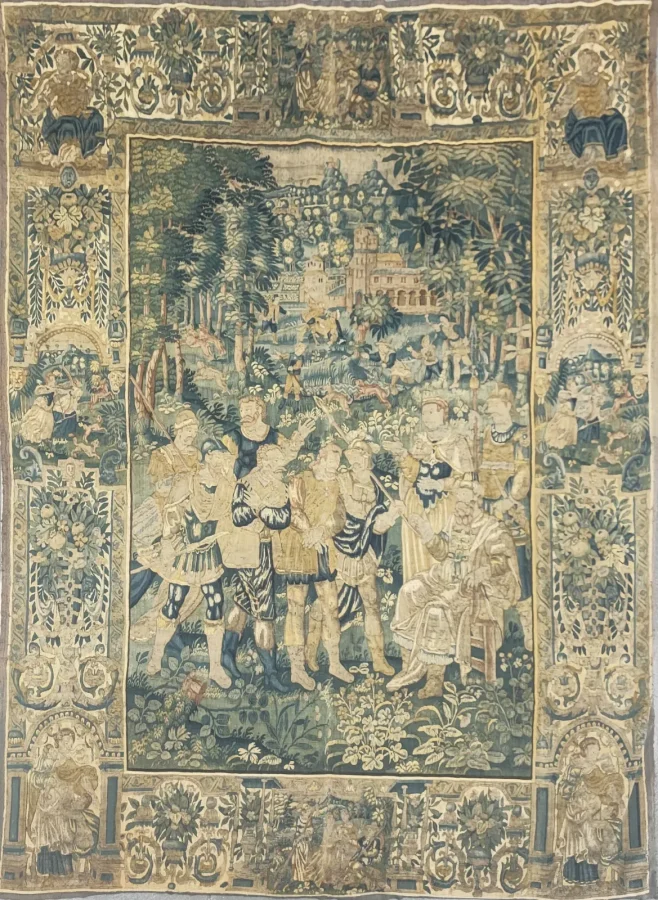 38366Antique 17th Century Belgian Tapestry with Mythological Narrative Pictorials - Rug & Kilim
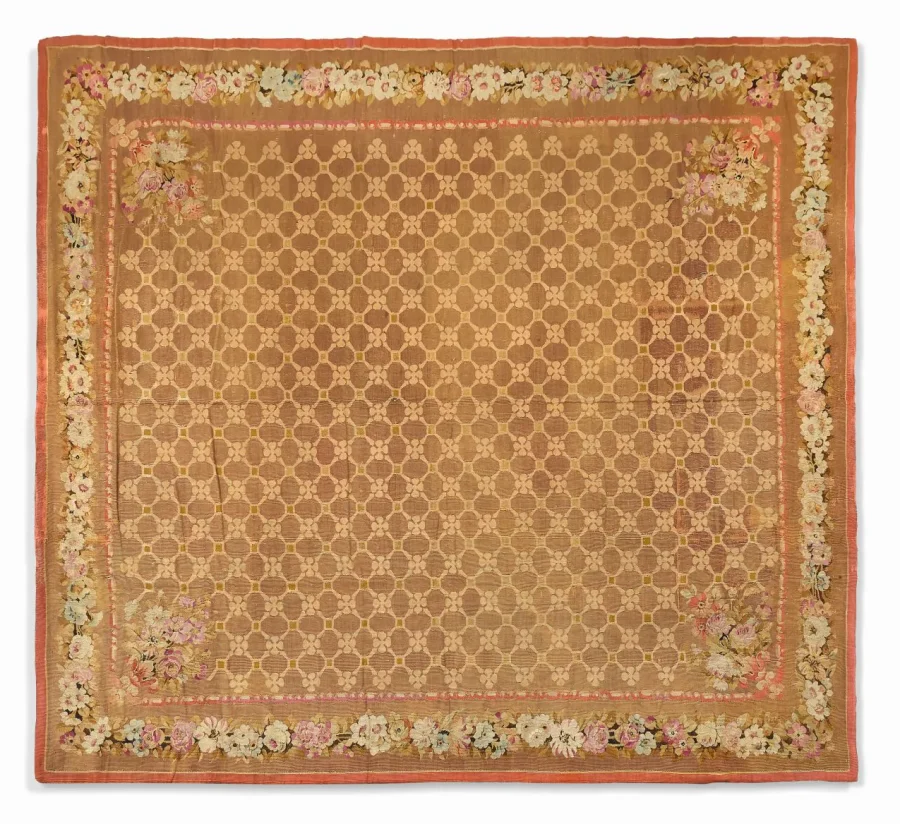 38338Antique 19th Century Aubusson Rug with Intricate Lattice in Gold - Rug & Kilim
- Out of Stock
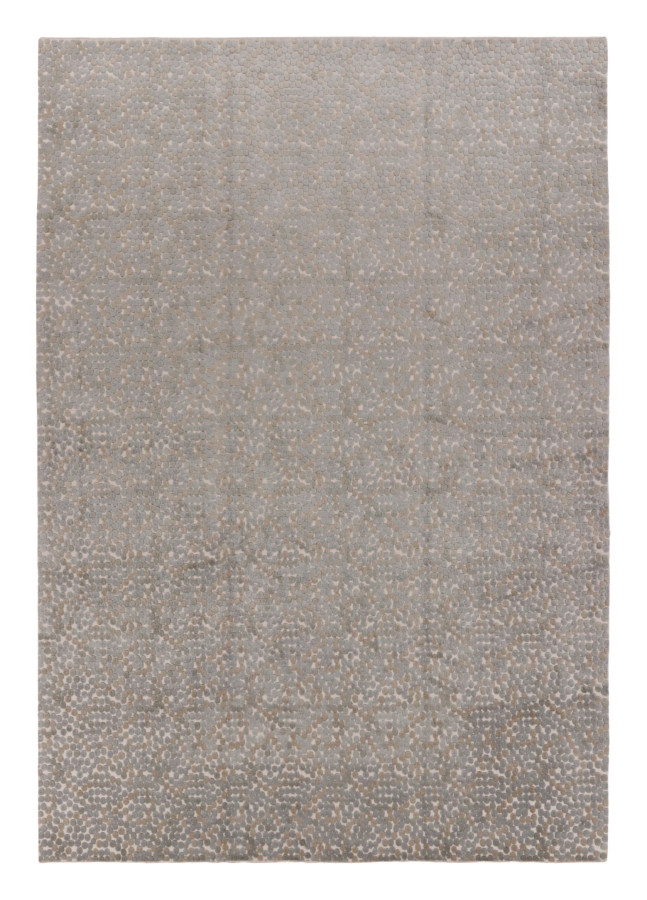
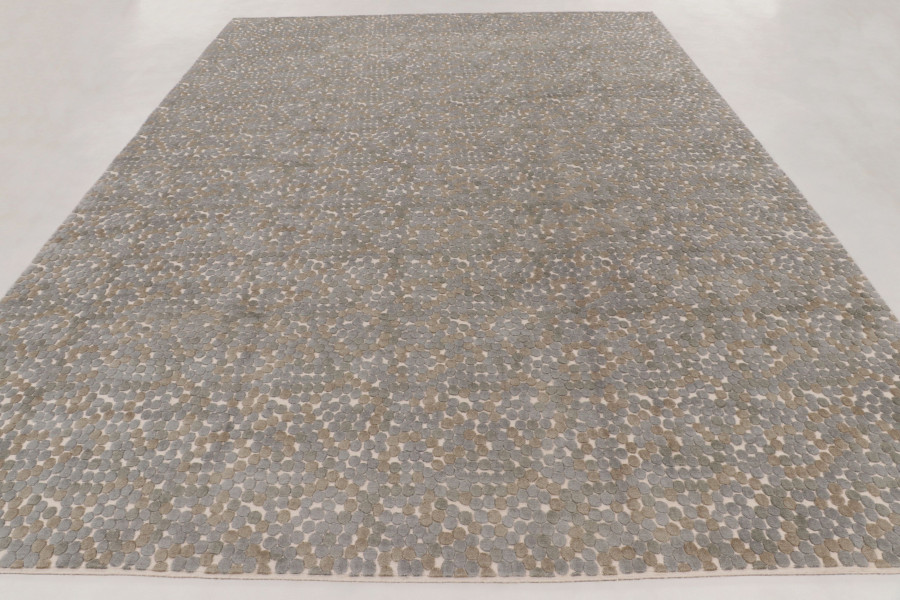 38067Rug & Kilim's Oversized Contemporary Custom Rug in Gray & Taupe Pebble Motifs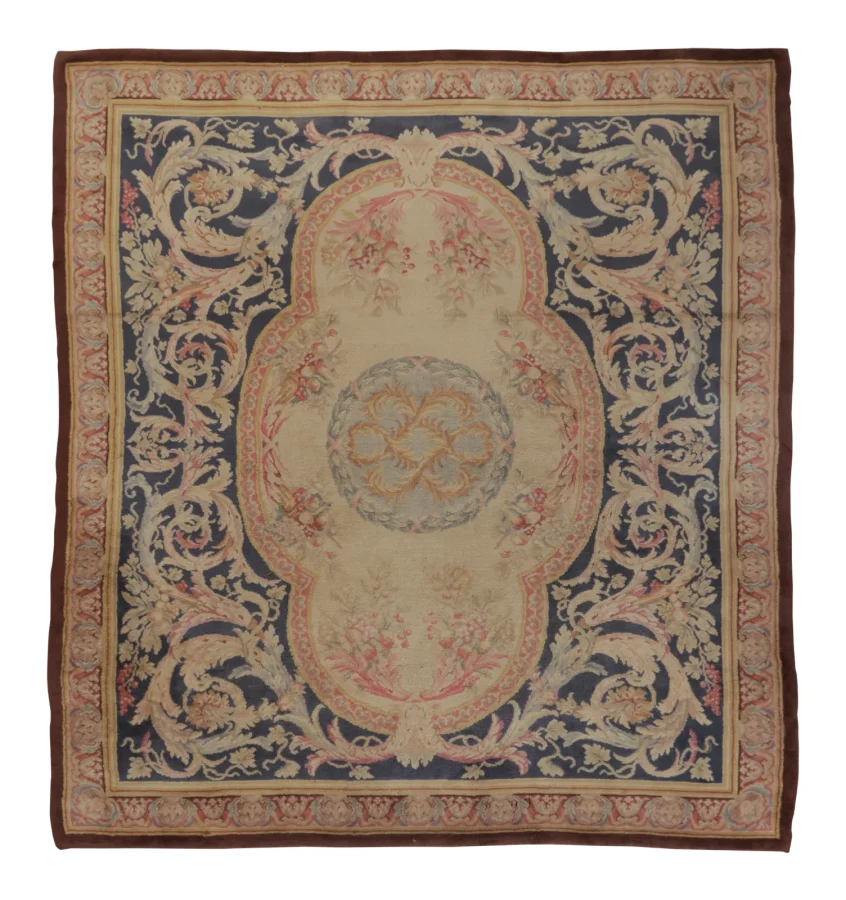
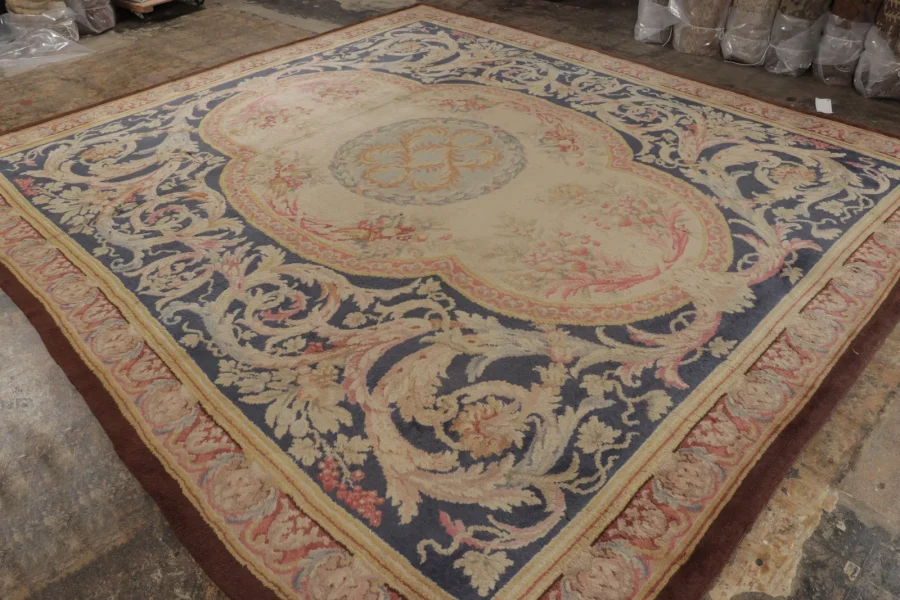 37548Antique Savonnerie Rug with Acanthus Leaves & Ornate Medallion - Rug & Kilim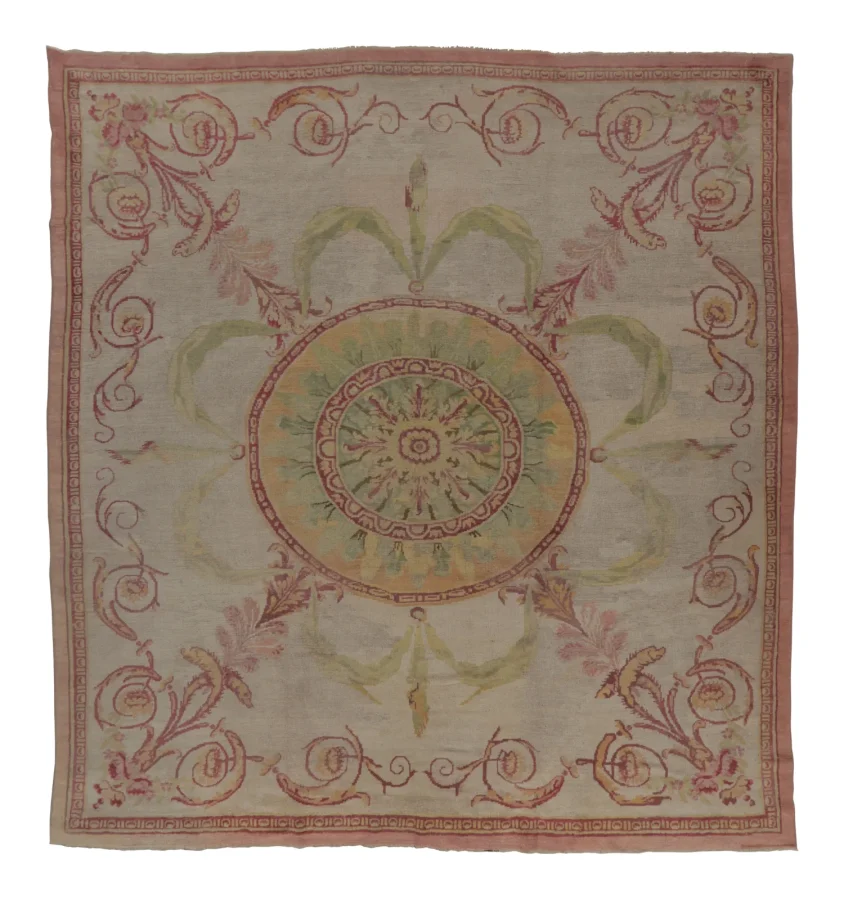
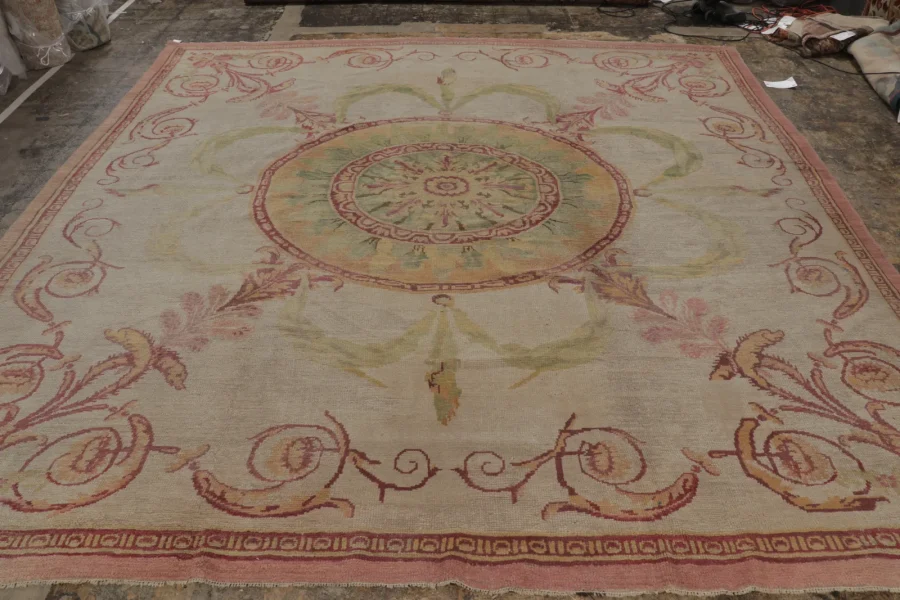 37552Antique 19th Century French Aubusson Rug with Ornate Medallion - Rug & Kilim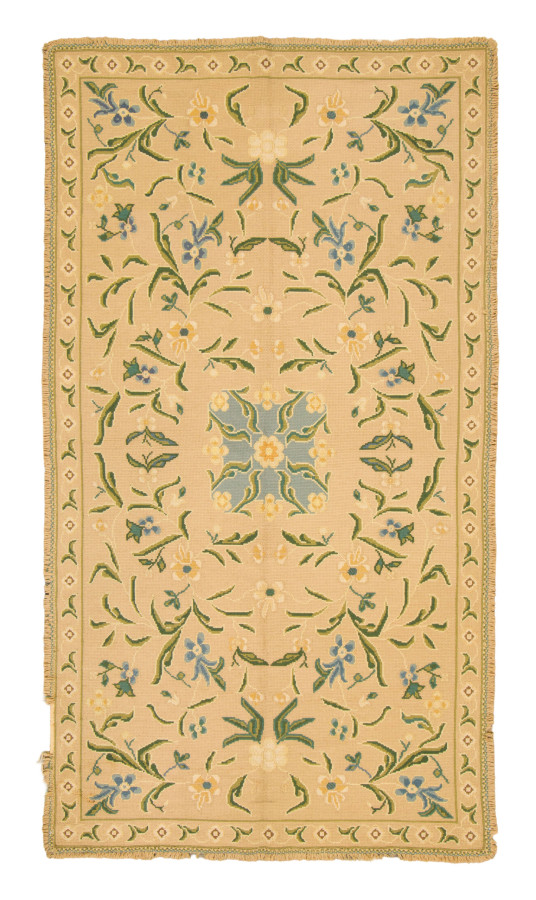
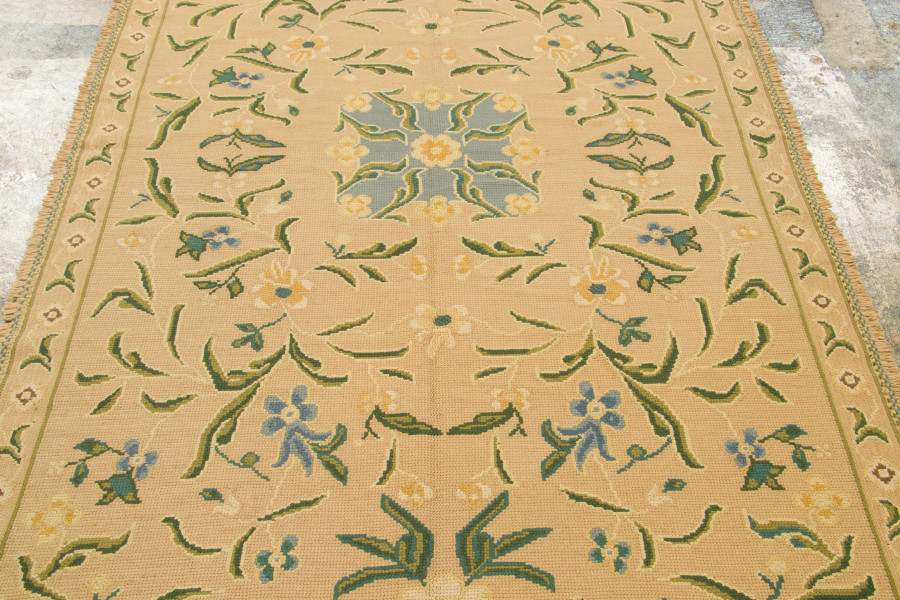 38176Vintage Portuguese Needlepoint Rug with Floral Design in Warm Hues - Rug & Kilim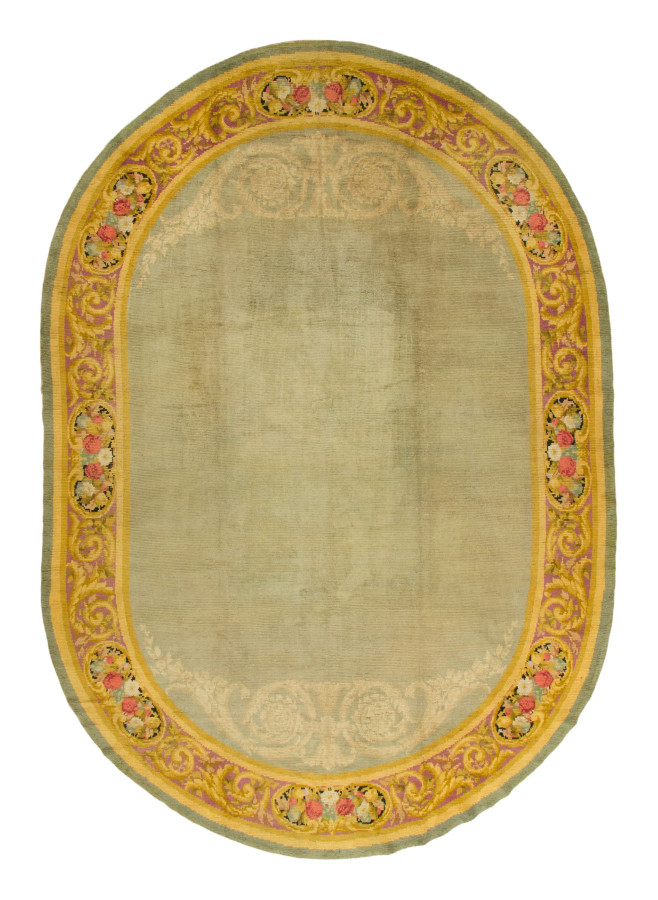
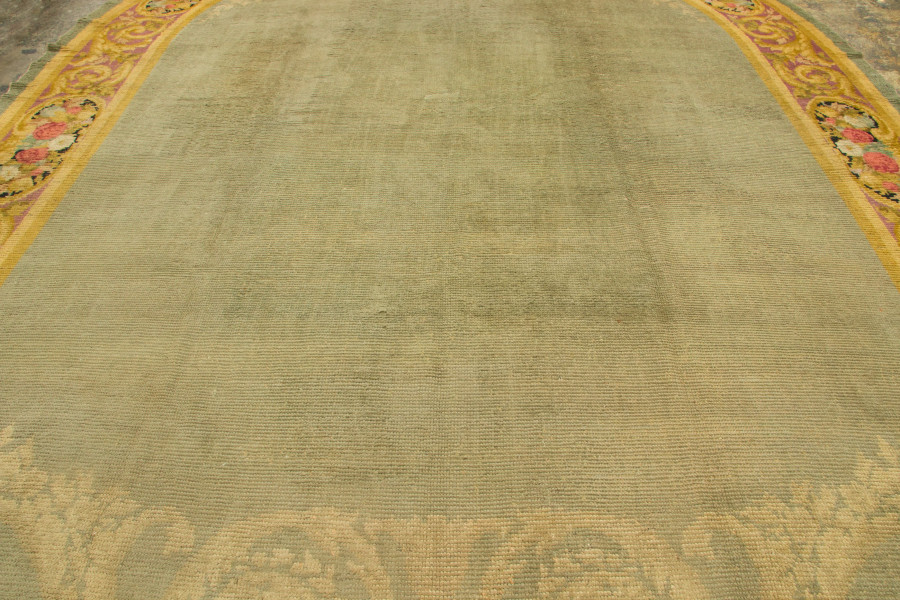 38175Oversized Antique 19th Century Oval Savonnerie Rug with Florals - Rug & Kilim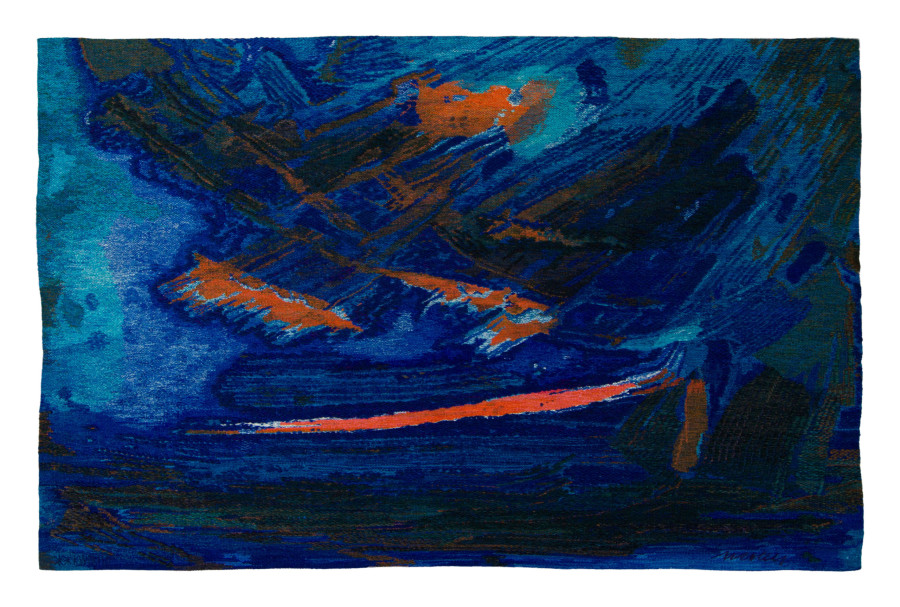
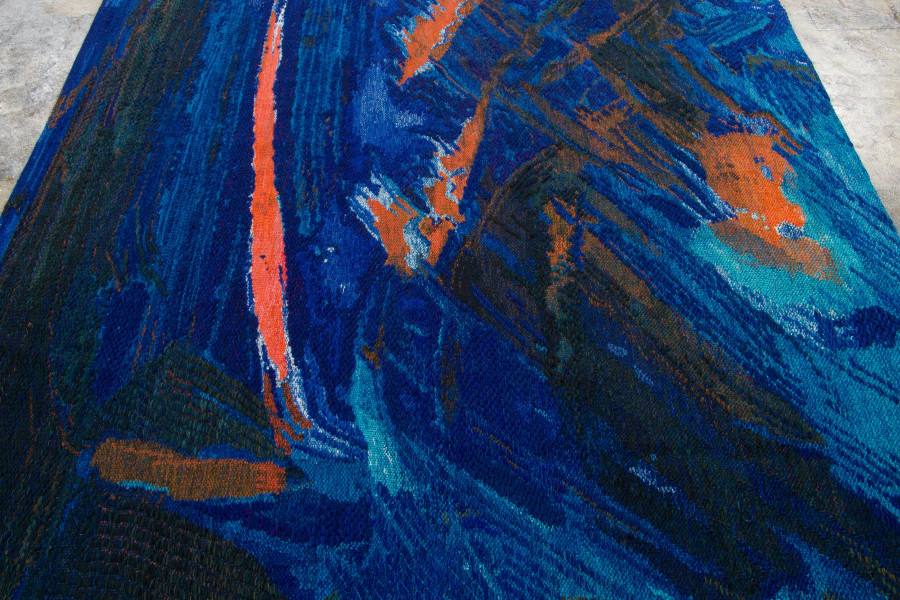 38152Signed Vintage Abstract Tapestry “Spring by the Sea” in Oceanic Hues - Rug & Kilim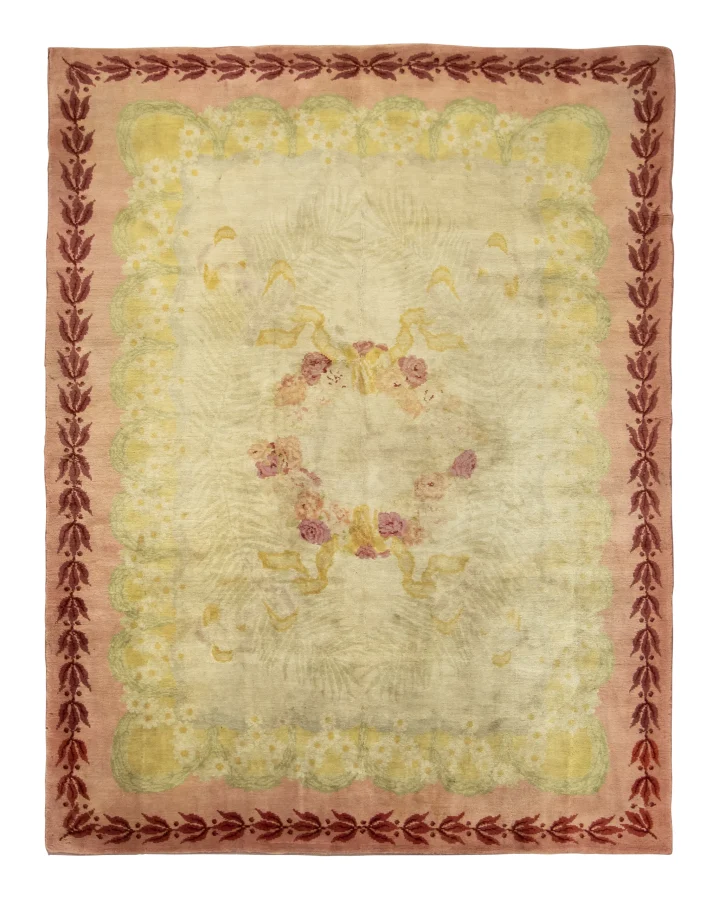
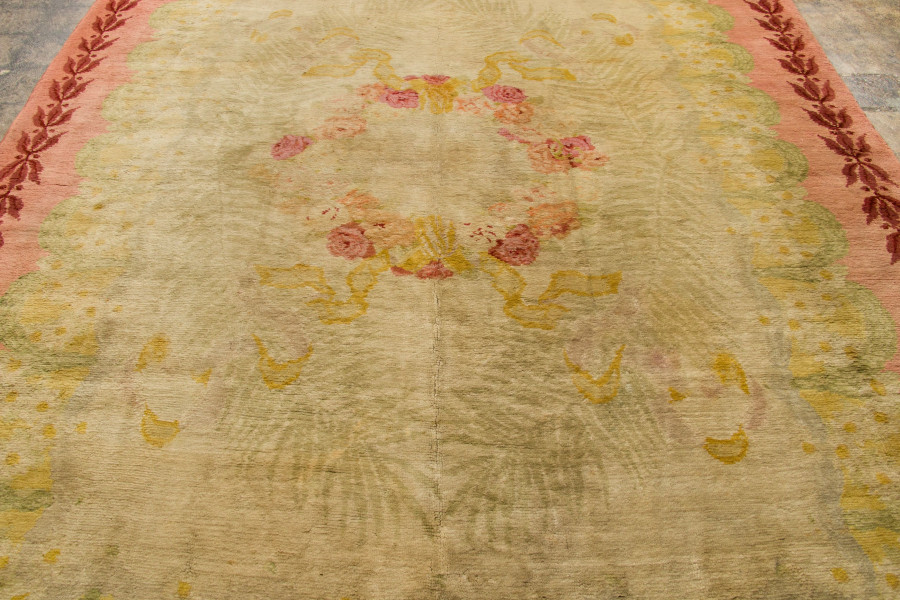 38065Antique French Savonnerie Rug with Floral Wreath Design in Pastels - Rug & Kilim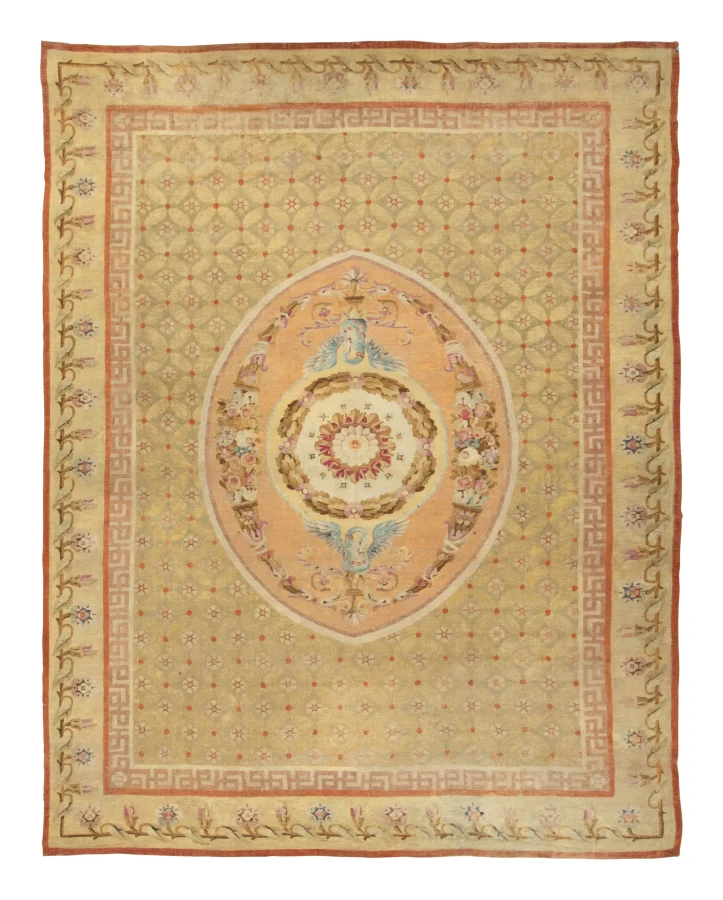
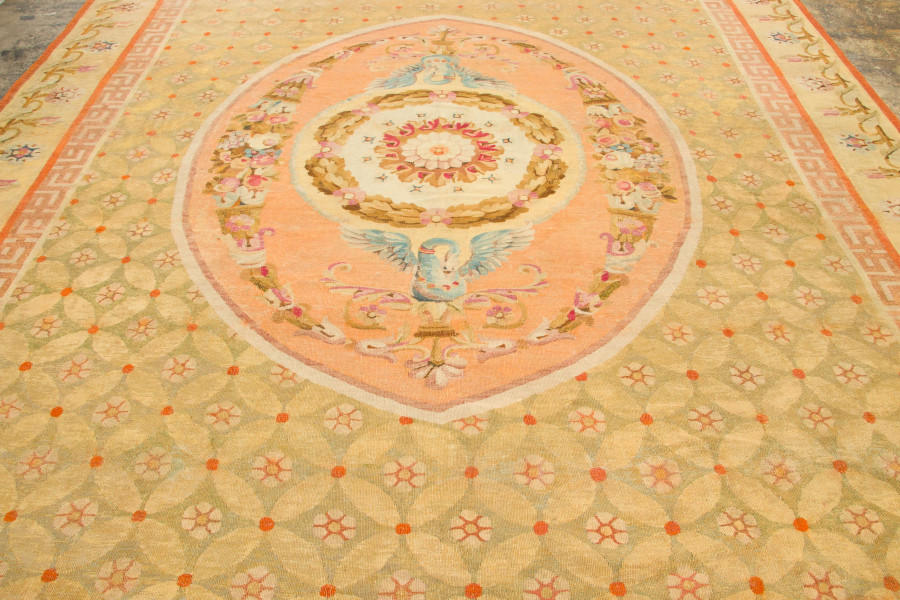 38064Oversized Antique Aubusson Rug with Floral Medallion & Swan Motifs - Rug & Kilim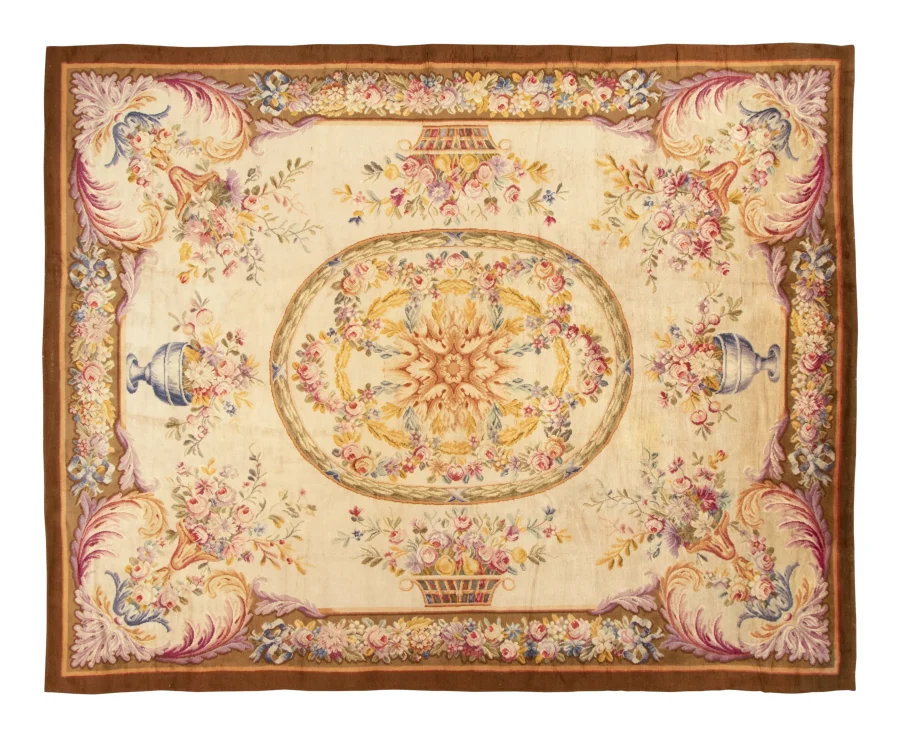
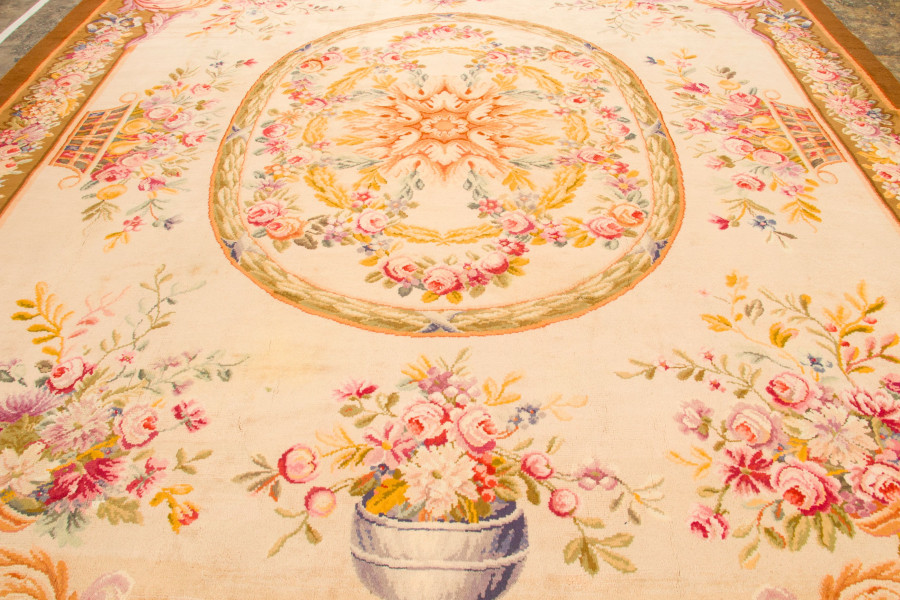 38062Oversized Antique French Savonnerie Rug with Florals & Vase Motifs - Rug & Kilim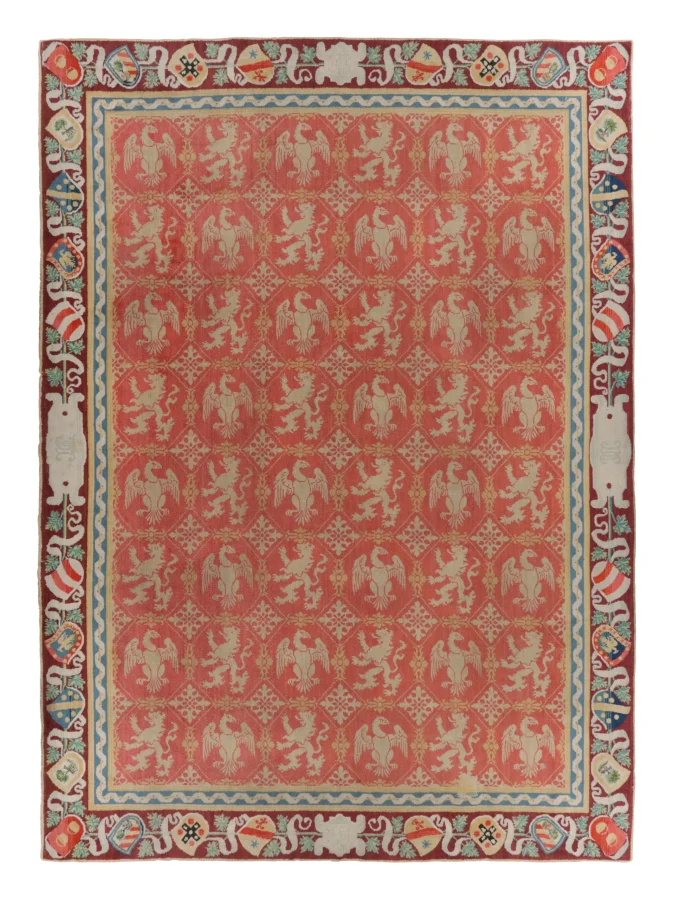
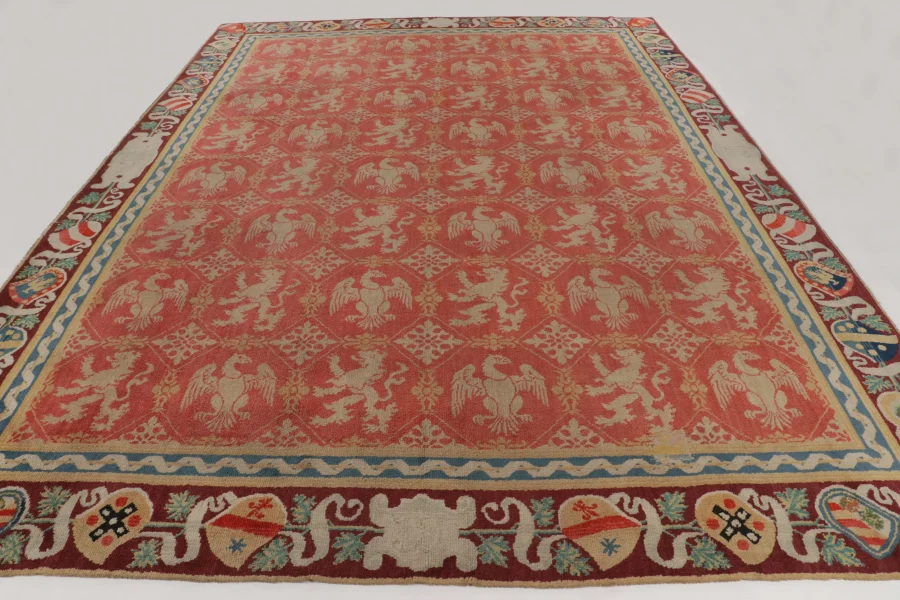 37882Oversized Antique European Pictorial Rug with Heraldic Bird Motifs - Rug & Kilim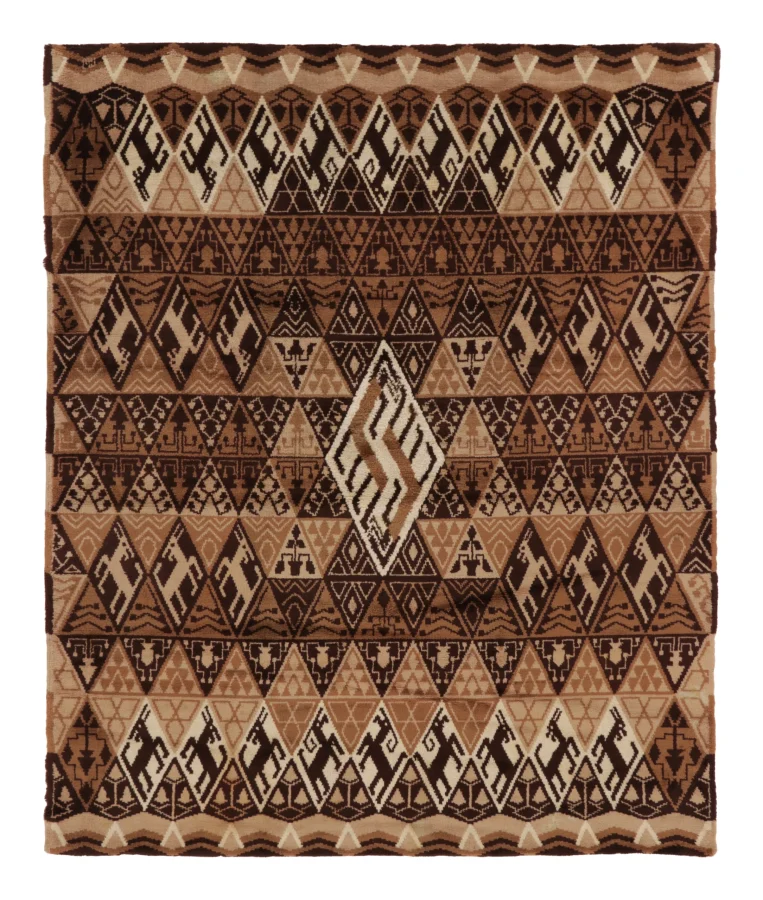
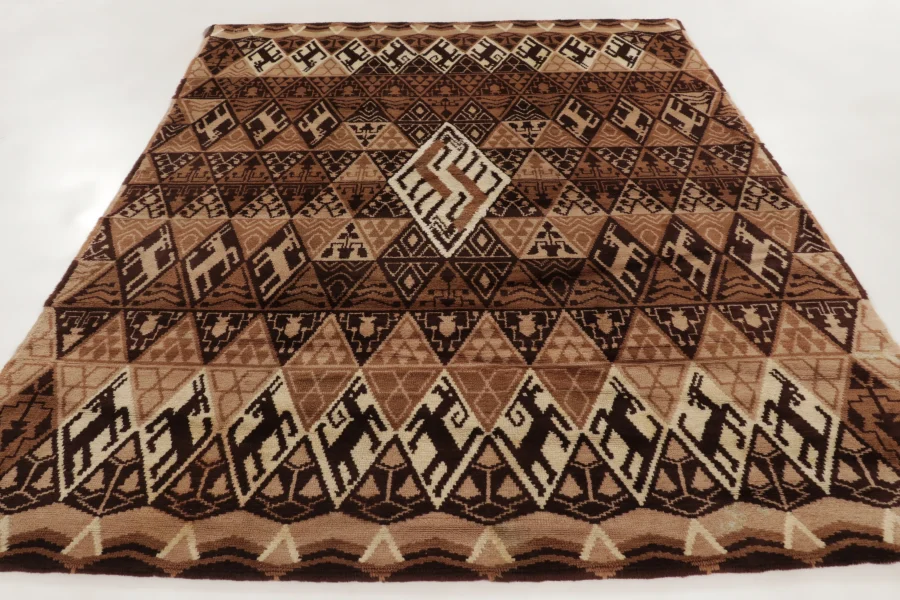 37443Vintage French Rug in Brown with Stylized Geometric Pictorials - Rug & Kilim
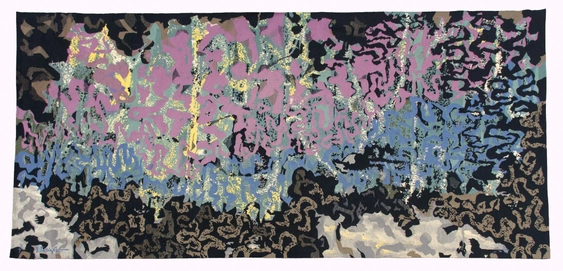 38072Signed Vintage “Daphnis” Tapestry by Mathieu Matégot in Black & Colorful Hues - Rug & Kilim
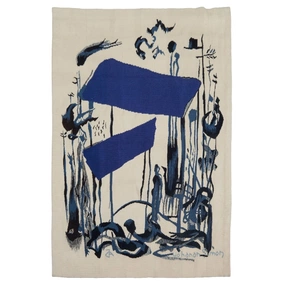 38068Signed Vintage “Chupa” Tapestry by Yohanan Simon in Blue & Beige - Rug & Kilim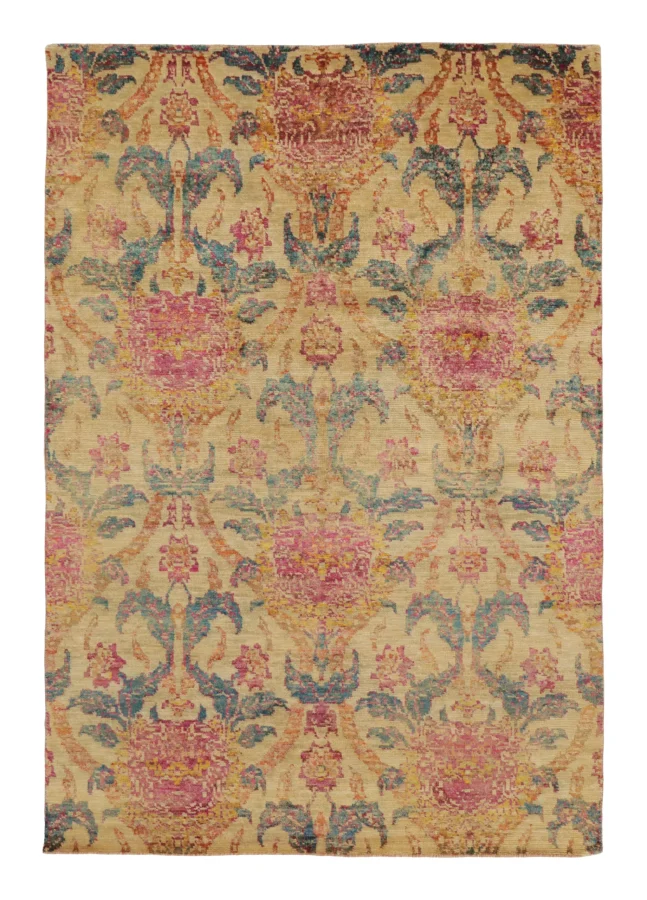
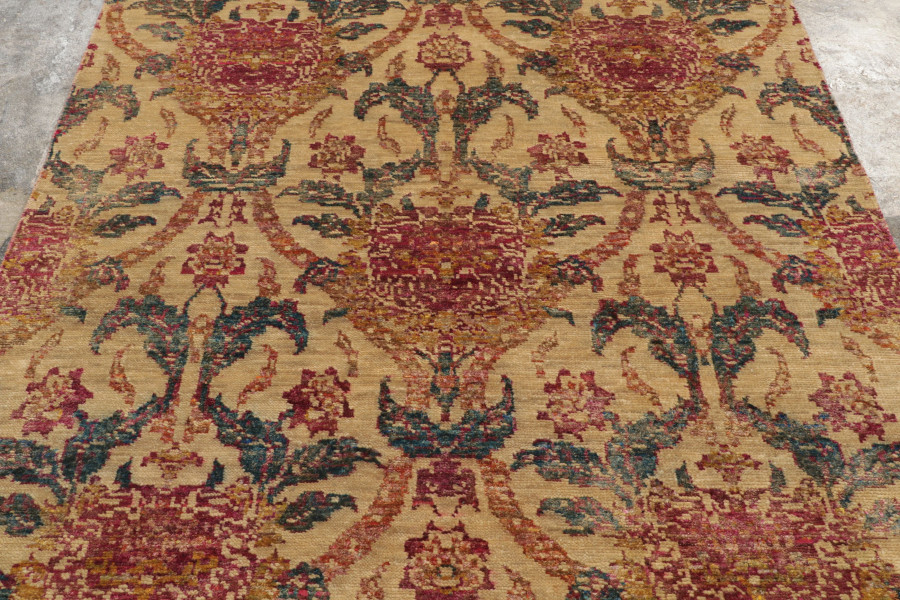 36318Rug & Kilim’s Contemporary Rug with Transitional Floral Designs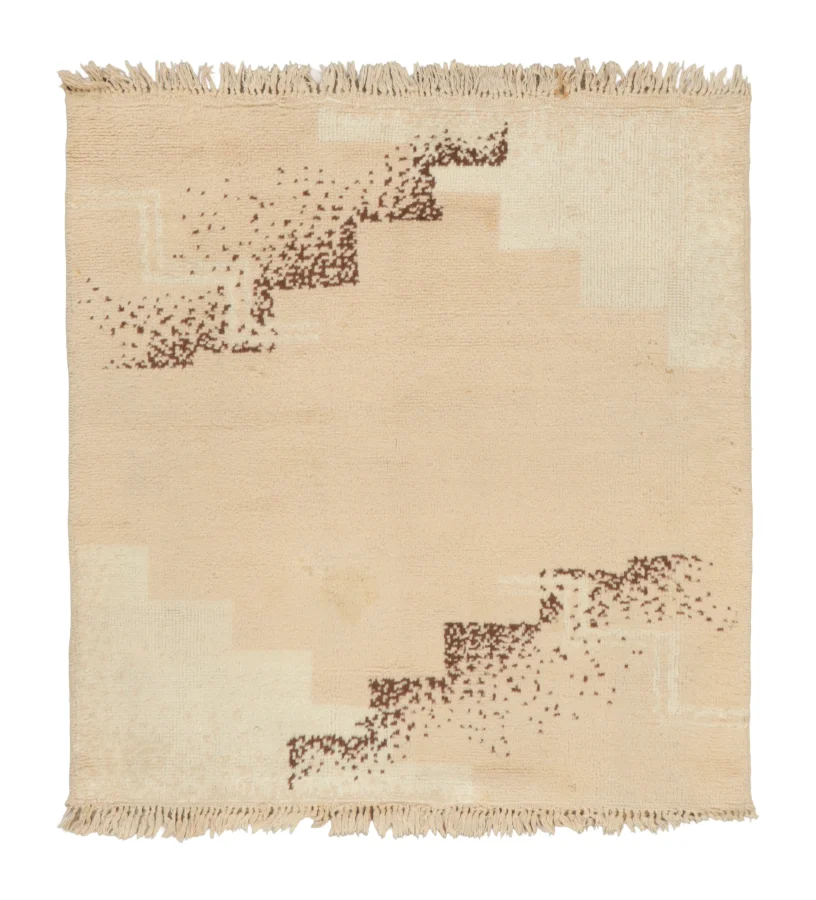
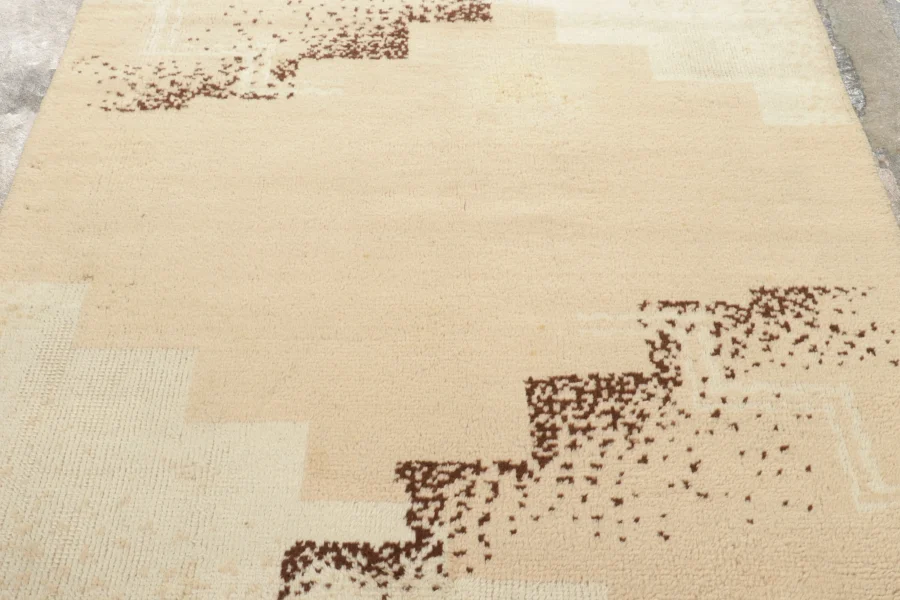 37436Antique French Rug with Stepped Motifs in Beige & Brown - Rug & Kilim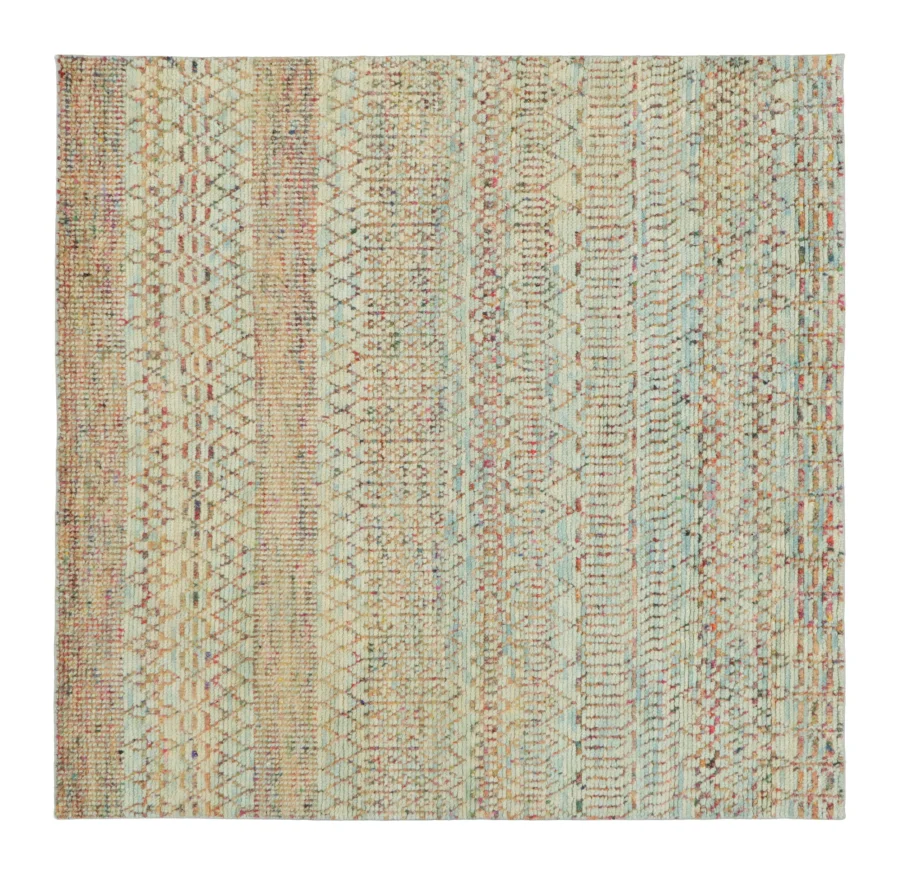
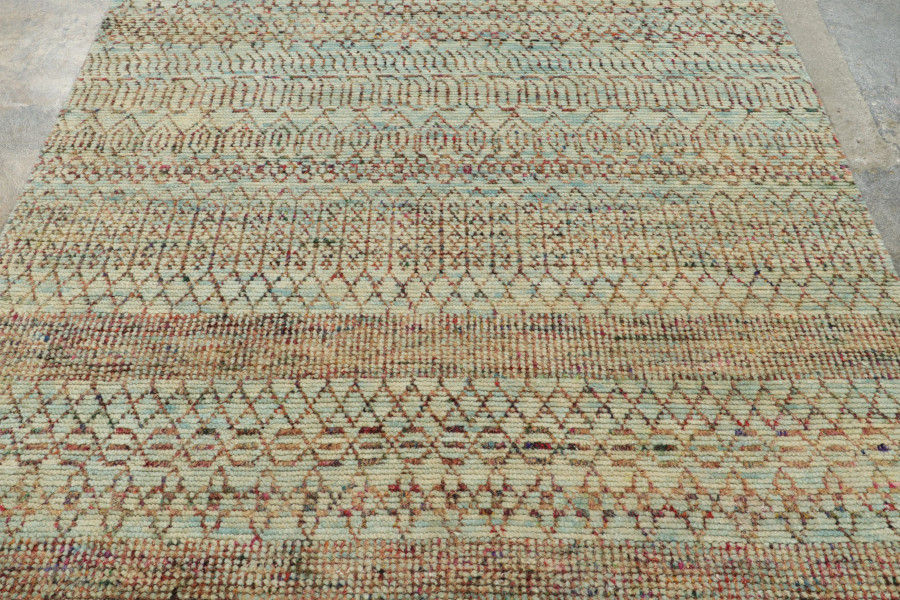 36316Rug & Kilim’s Contemporary Square Rug with Traditional Geometry in Multicolor
- Out of Stock
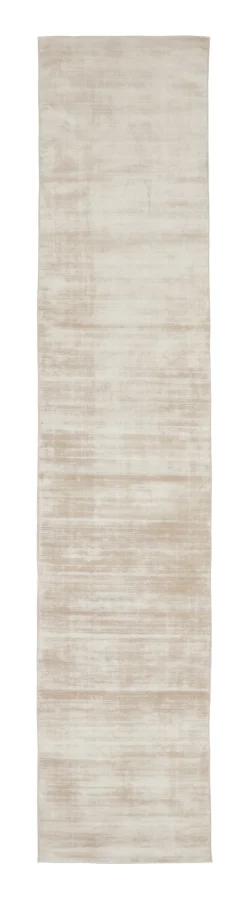
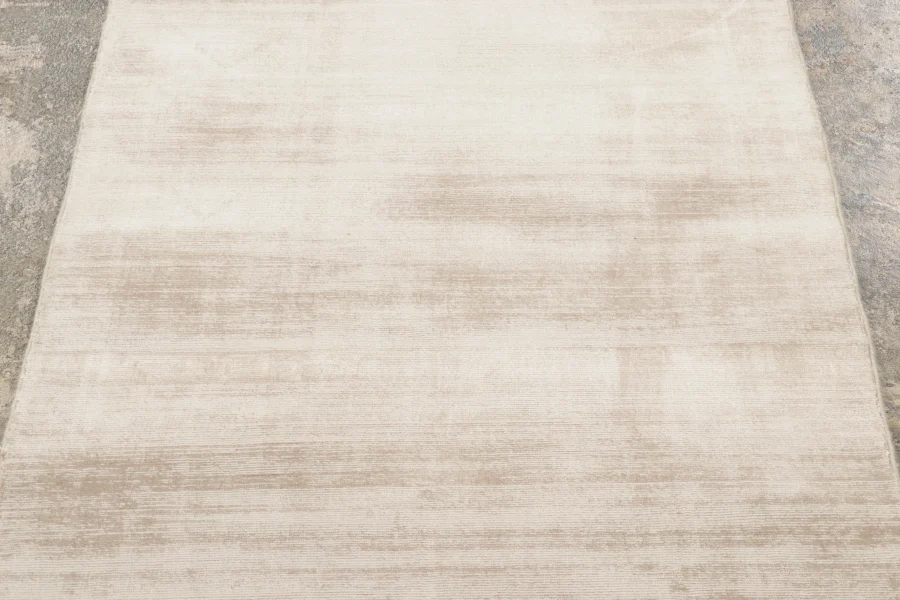 37161Rug & Kilim's Contemporary Distressed Extra Long Textural Runner in Soft Beige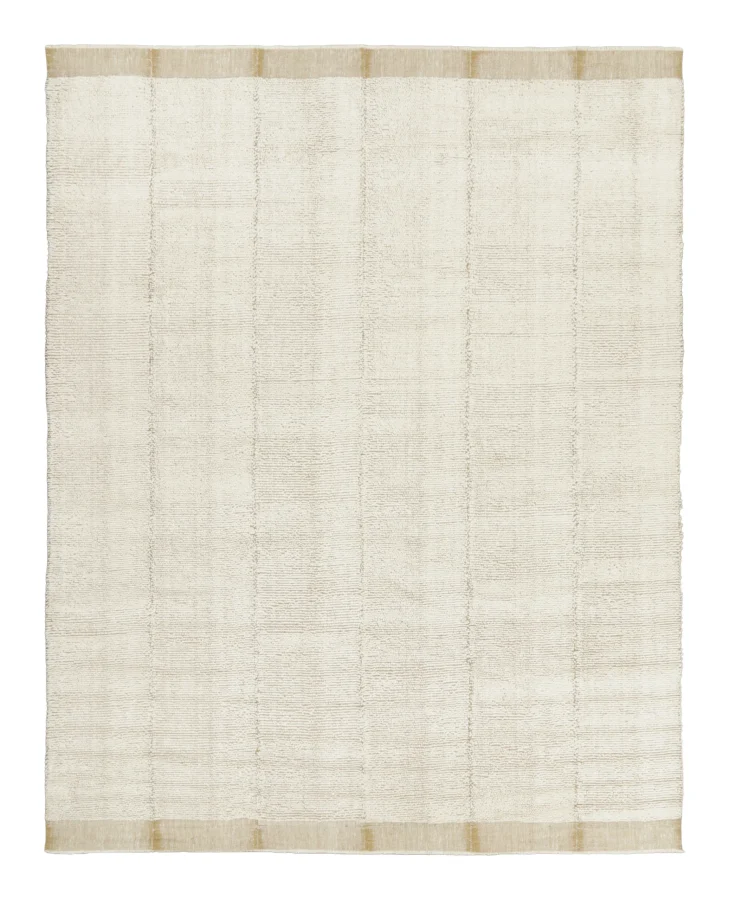
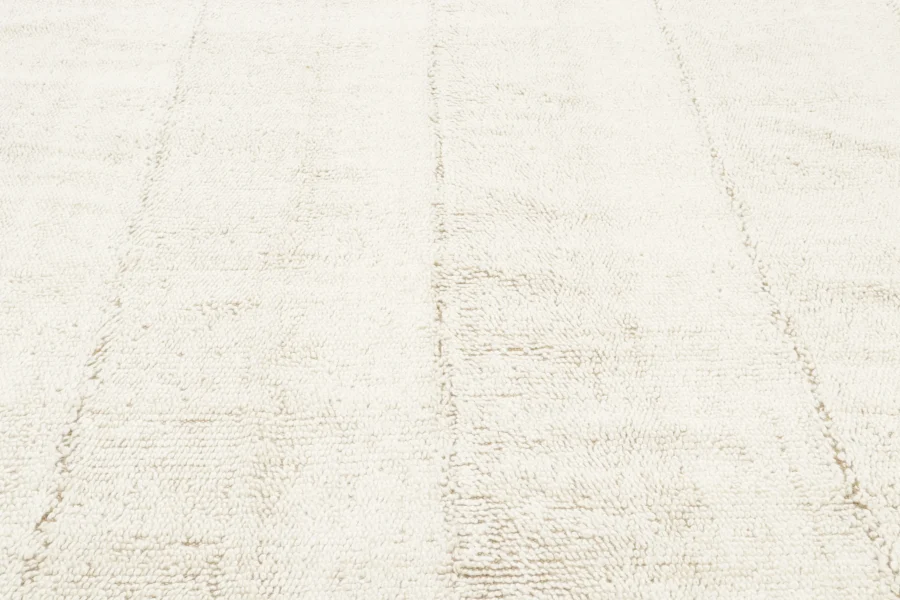 37954Oversized Contemporary Boucle Rug with Linear Stripes in Beige - Rug & Kilim
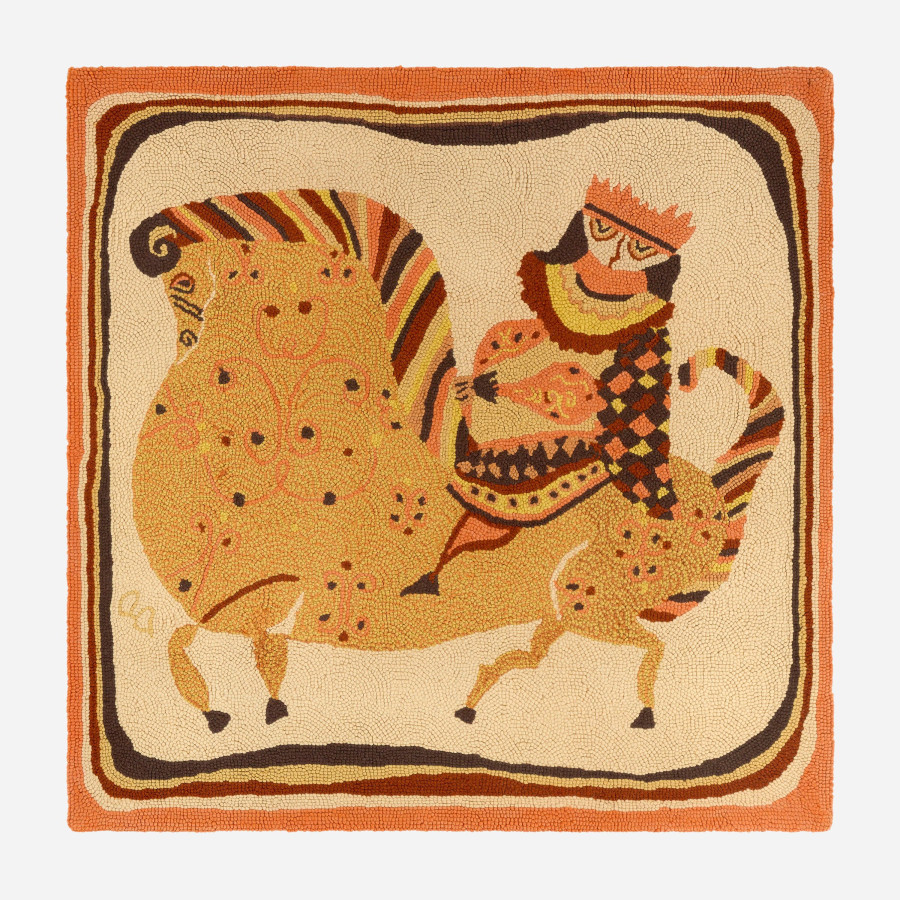 38063Vintage Hooked Evelyn Ackerman Square Tapestry with Equestrian Pictorials - Rug & Kilim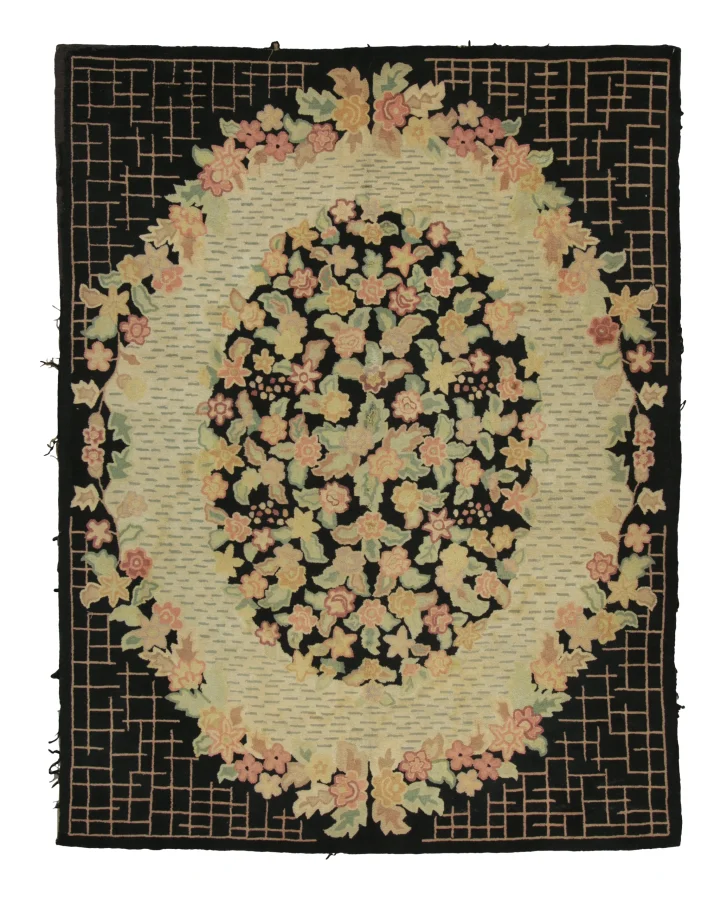
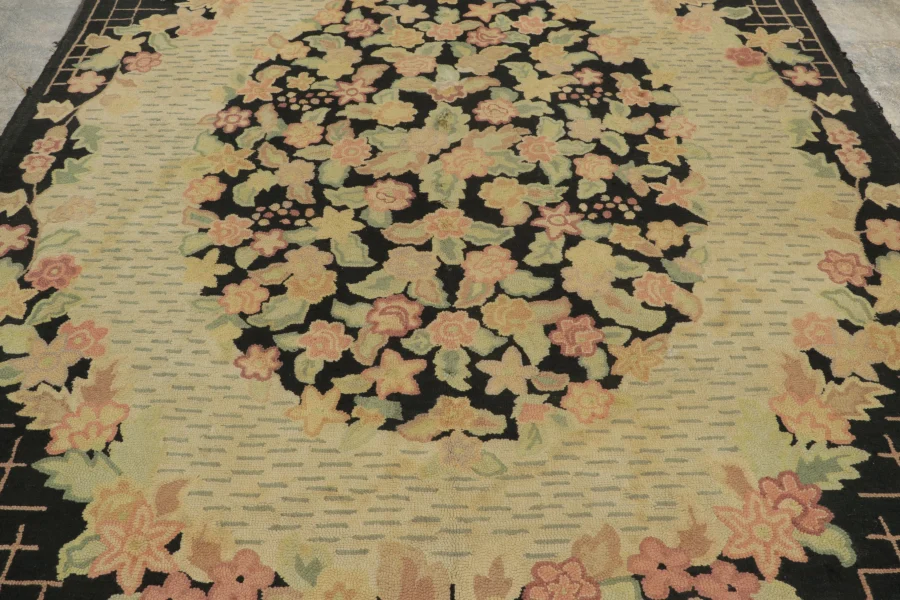 37542Antique American Hooked Rug with Oval Floral Medallion Design - Rug & Kilim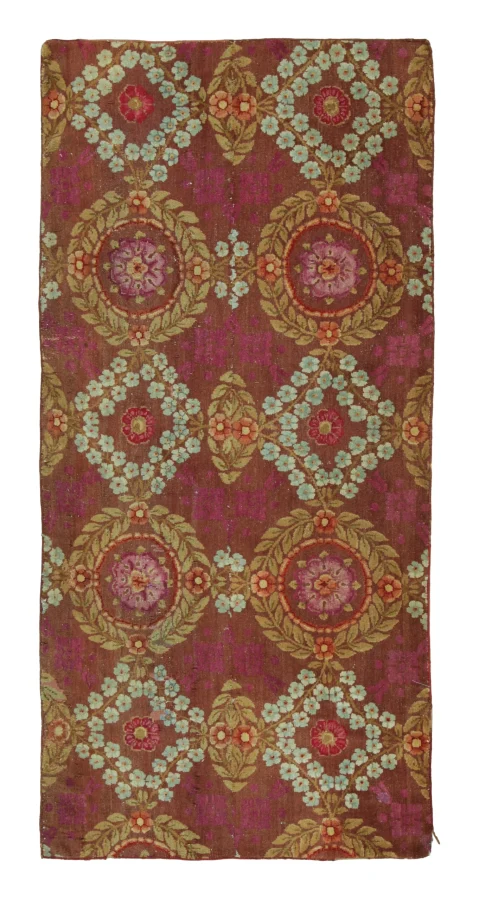
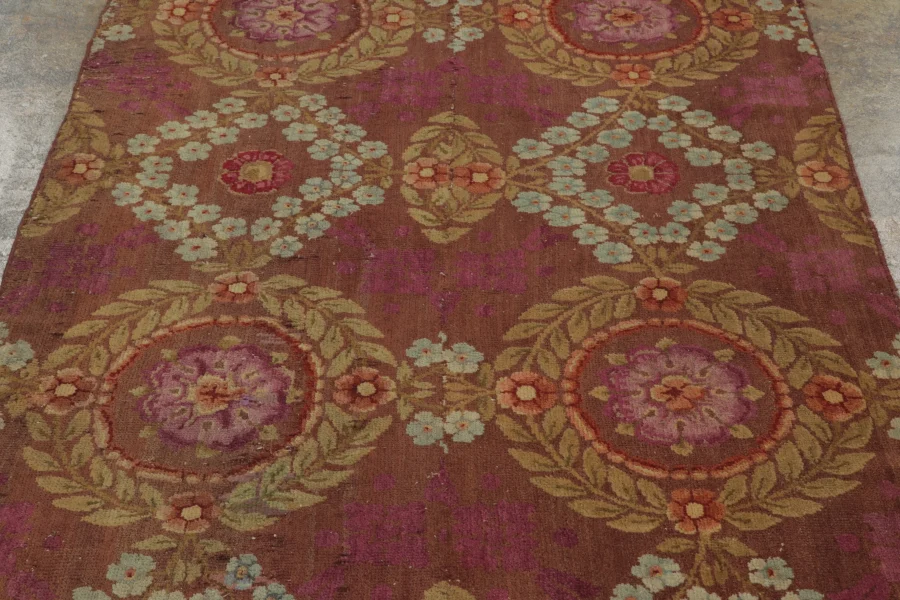 37390Antique 18th Century Savonnerie Runner with Floral Medallions - Rug & Kilim
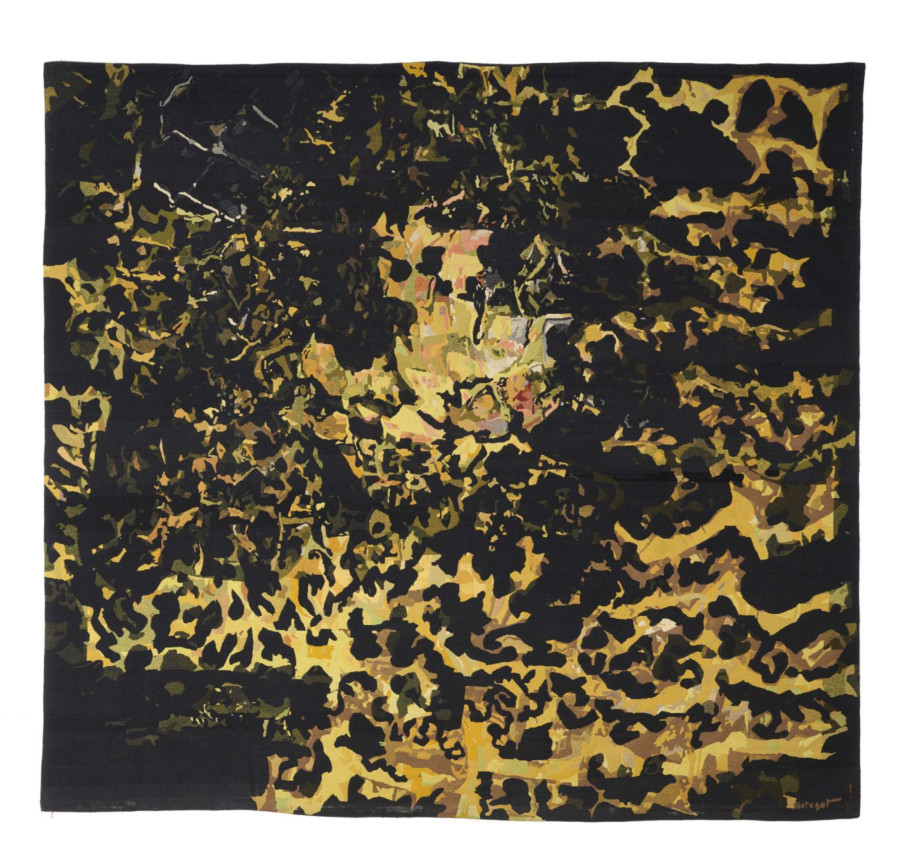 37962Signed Vintage Portuguese "Caravelle" Tapestry in Black & Gold by Mathieu Matégot - Rug & Kilim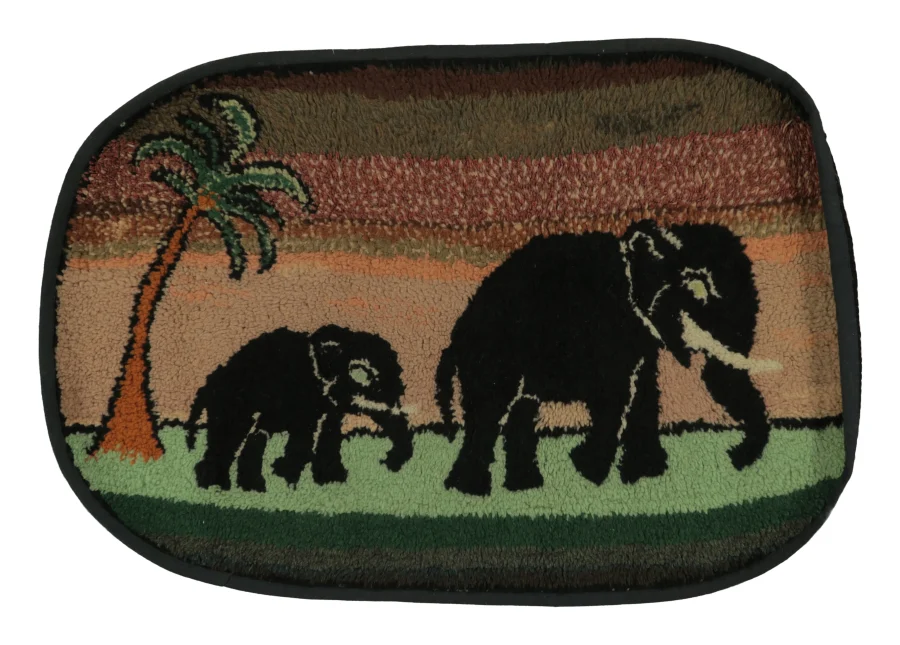
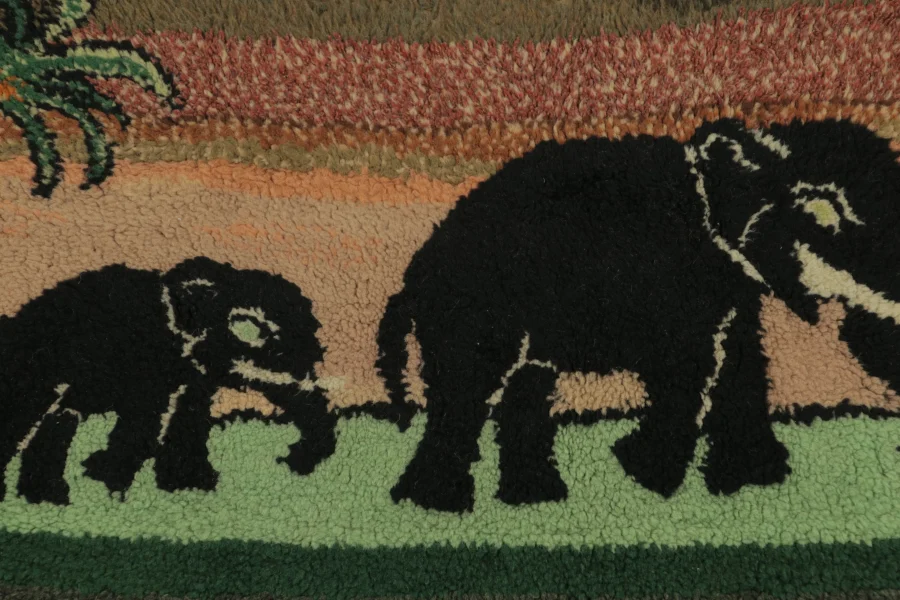 37601Antique Gift Sized Hooked Rug with Elephants & Tree Pictorials - Rug & Kilim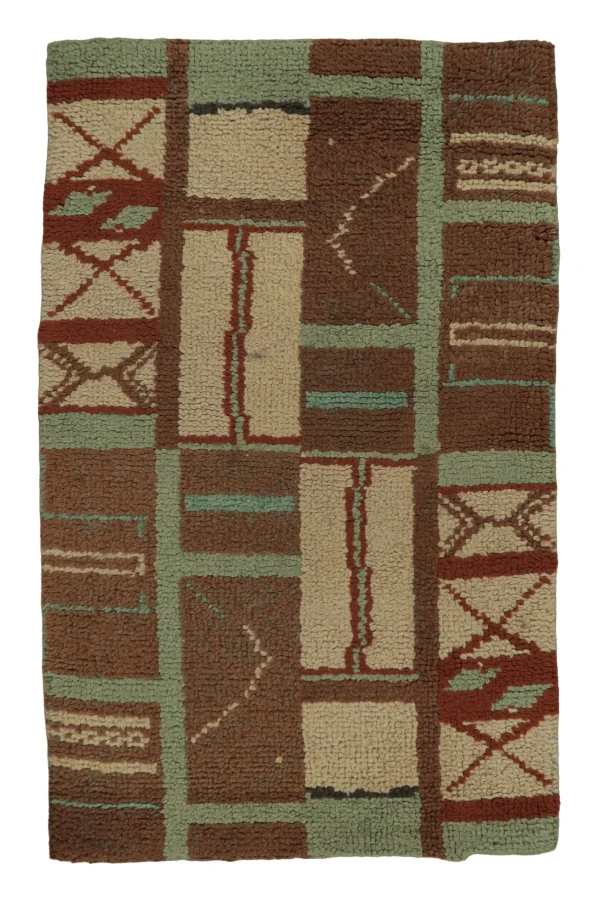
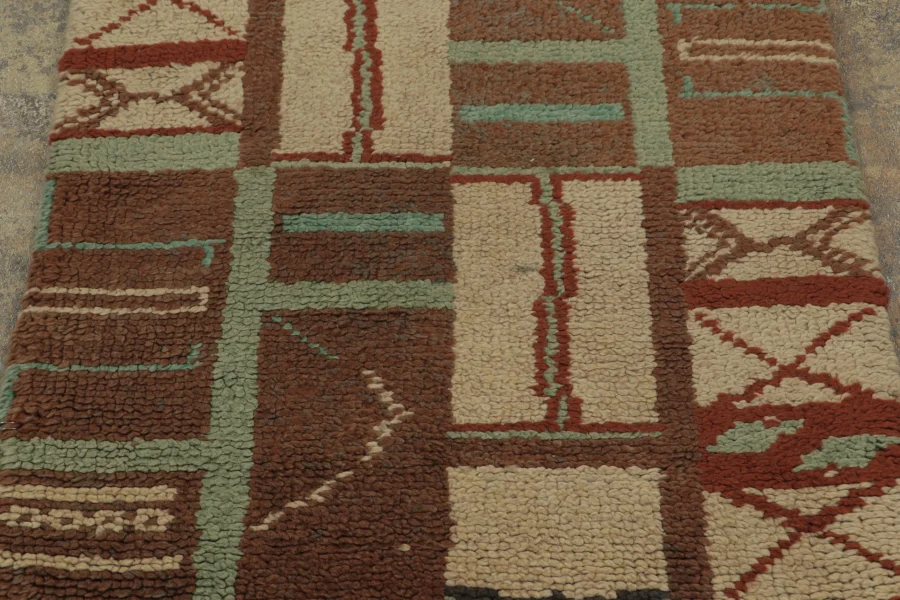 37572Antique Hooked Runner with Geometric Design in Brown & Green - Rug & Kilim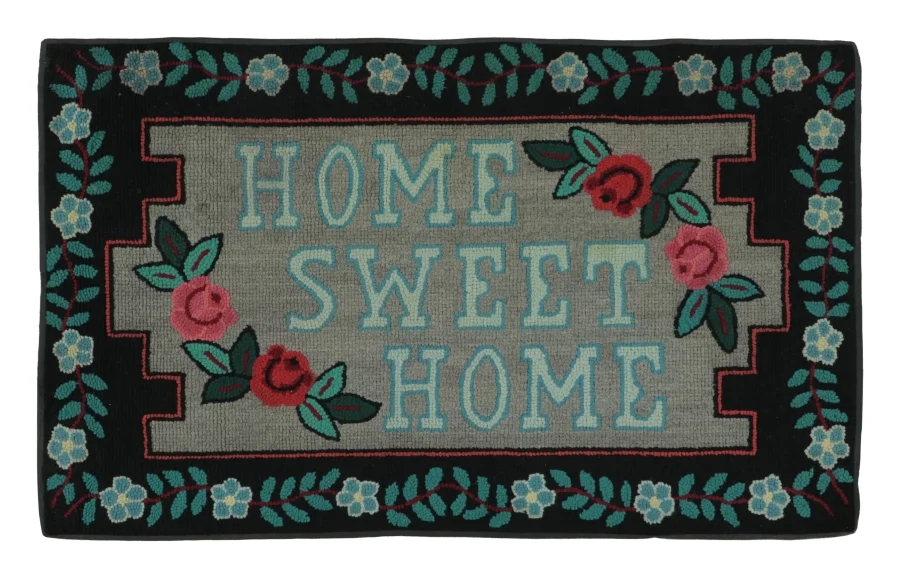
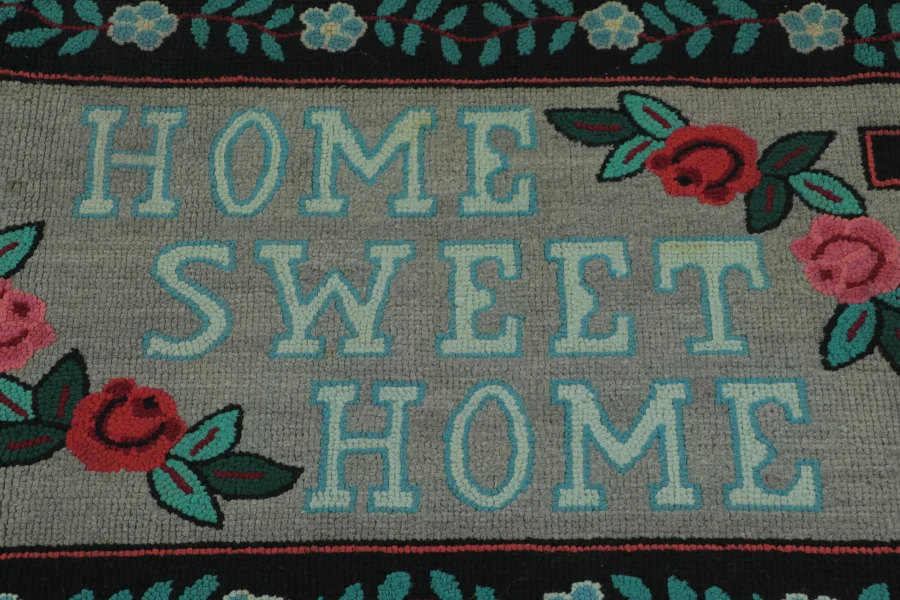 37575Antique Hooked Rug with “Home Sweet Home” Quote & Flowers - Rug & Kilim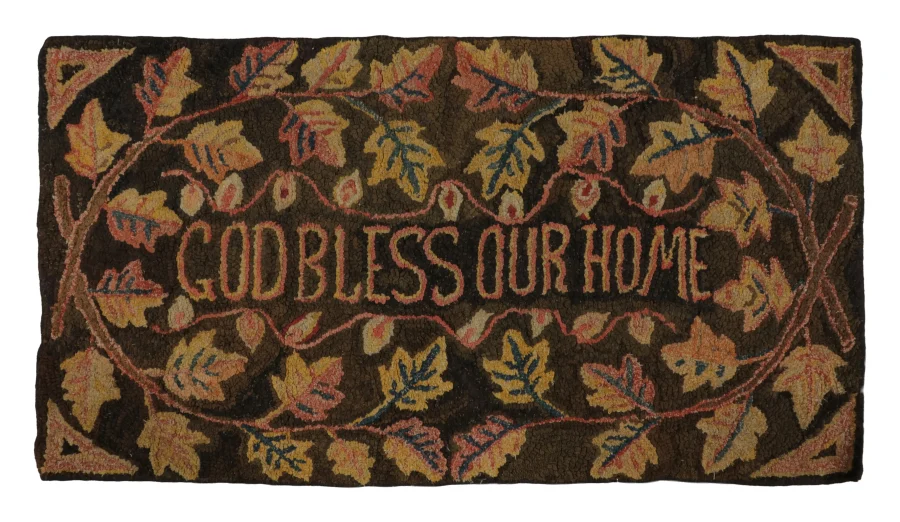
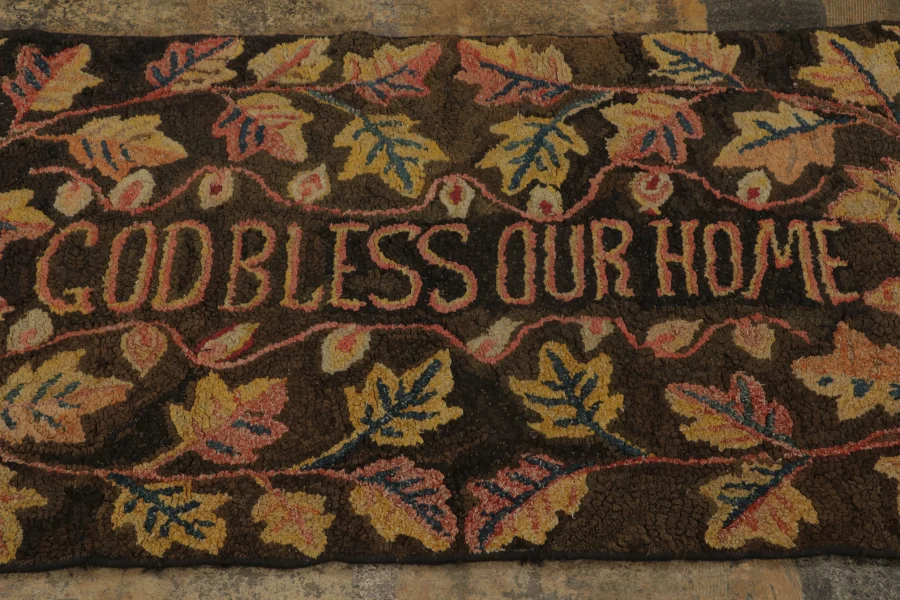 37585Antique Hooked Runner with “God Bless Our Home” Quote in Beige & Brown - Rug & Kilim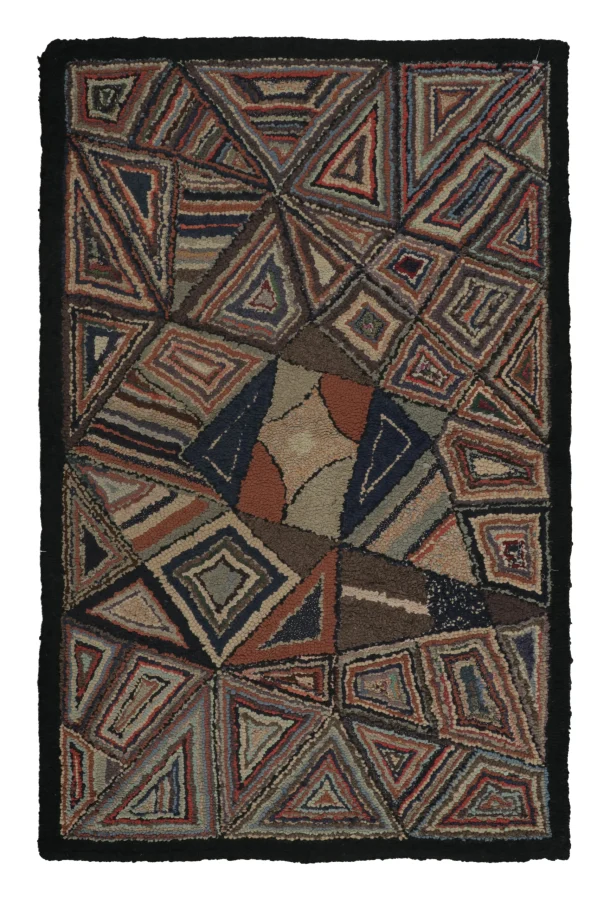
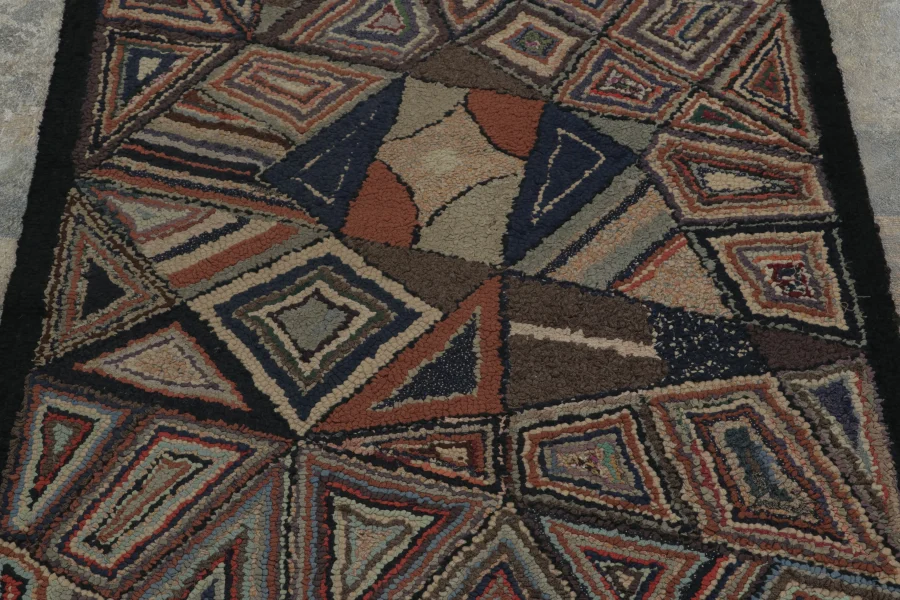 37597Antique Hooked Rug with Multicolor Geometric Mosaic Design - Rug & Kilim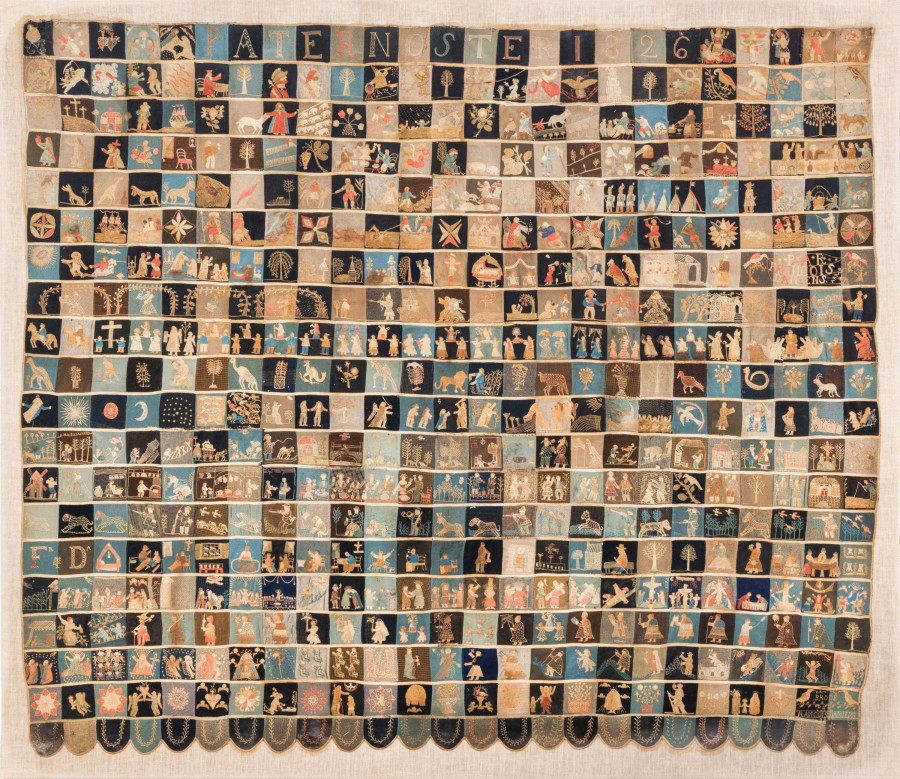
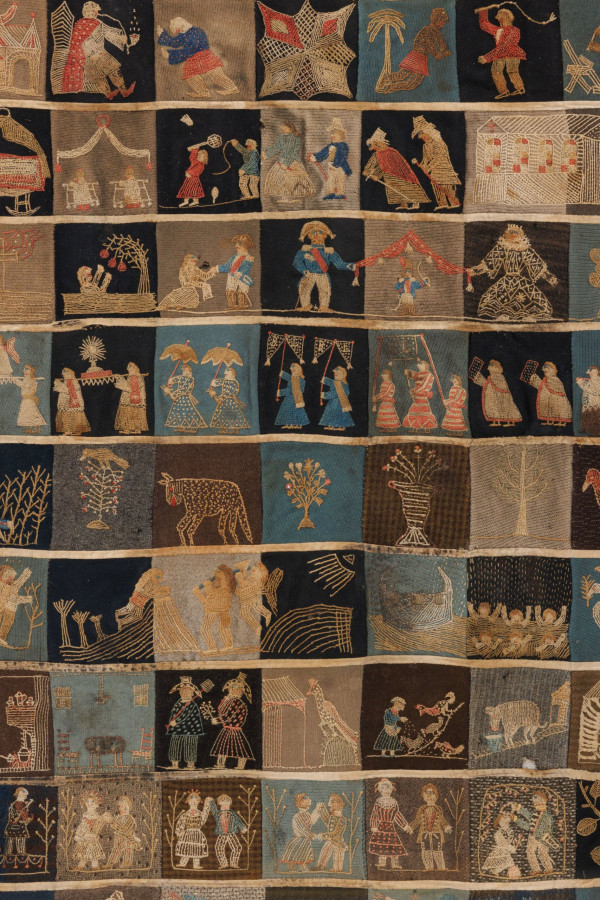 37875Antique Signed 19th Century Pater Noster Needlework Embroidery by François Damiens - Rug & Kilim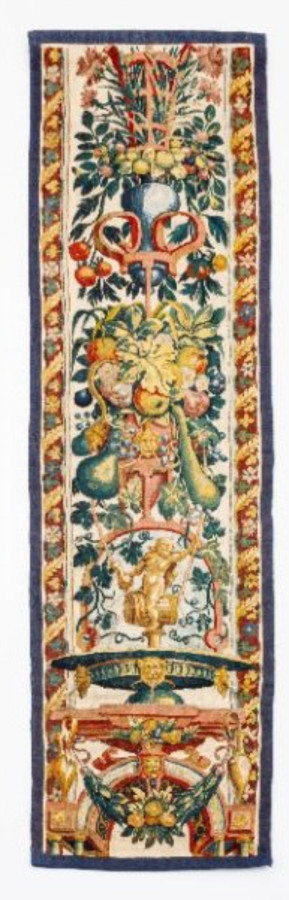
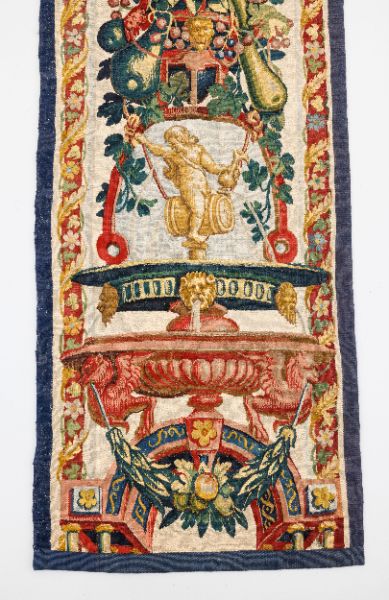 37874Antique 17th Century Flemish Brussels Tapestry Fragment Pair with Pictorials - Rug & Kilim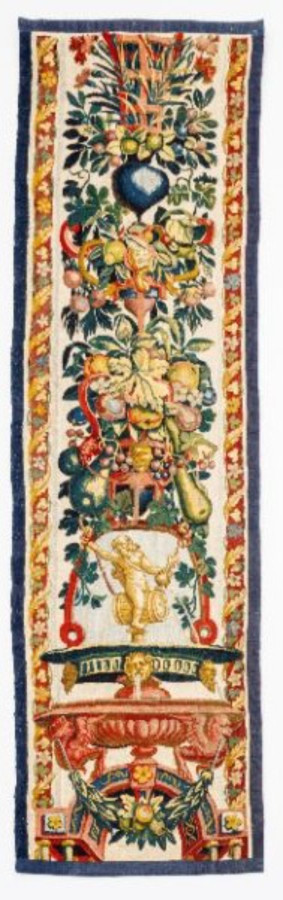
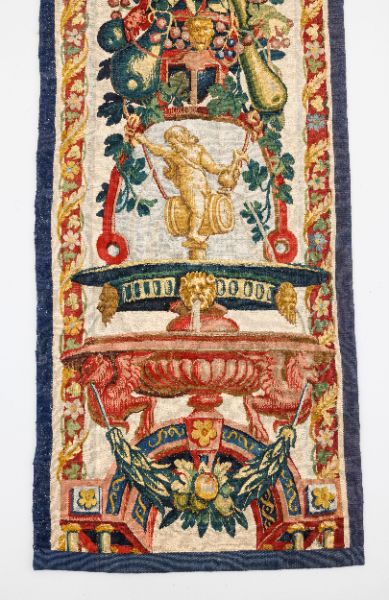 37873Antique 17th Century Flemish Brussels Tapestry Fragment Pair with Pictorials - Rug & Kilim
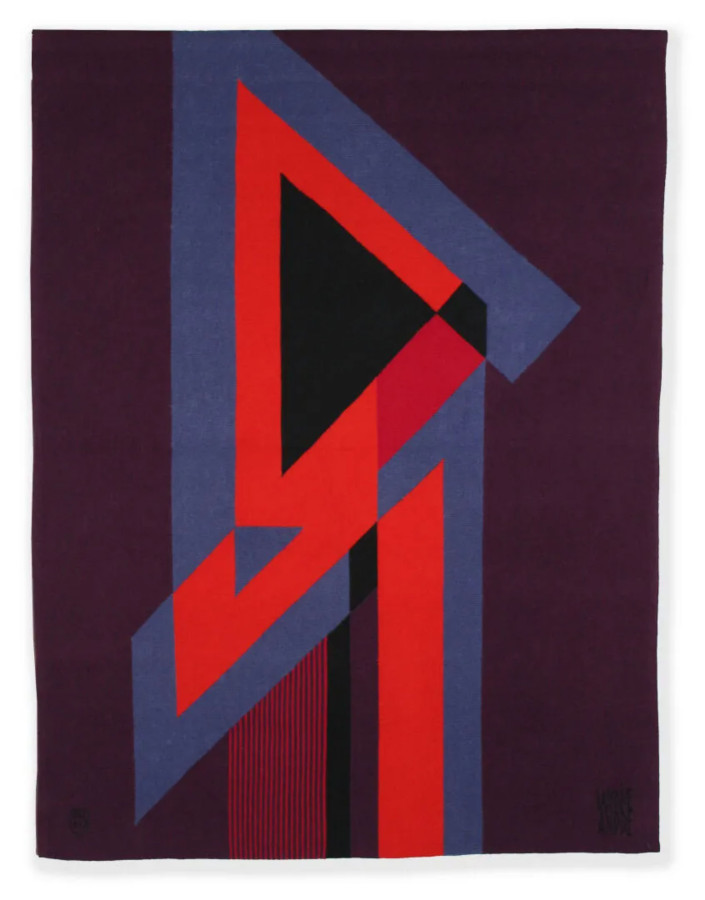 37872Signed Vintage French Aubusson Tapestry "Signal" by Maurice André - Rug & Kilim
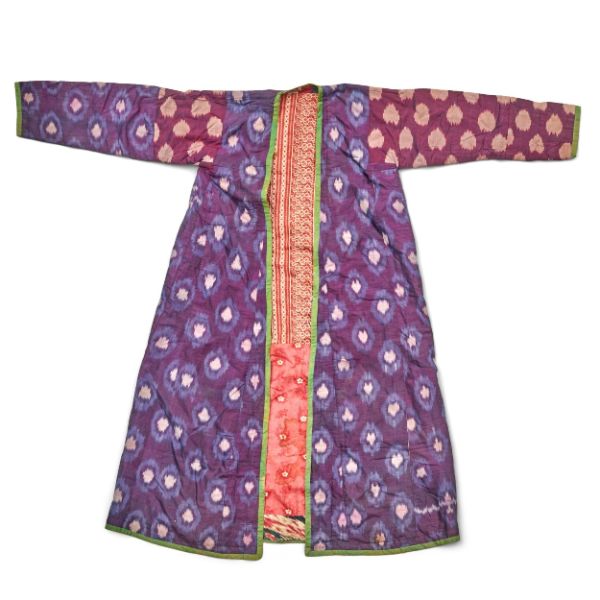 3764419th Century Antique Uzbek Ikat Robe Textile Pair with Bold Motifs - Rug & Kilim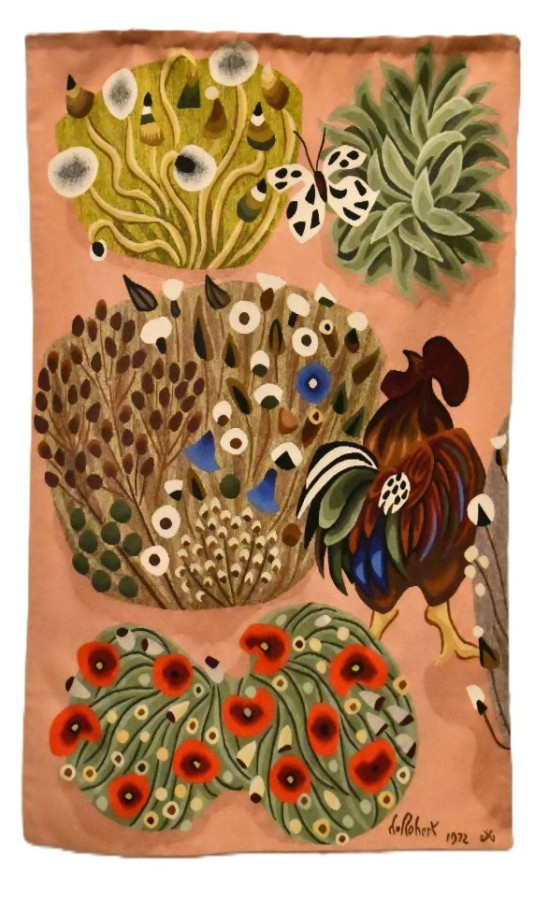
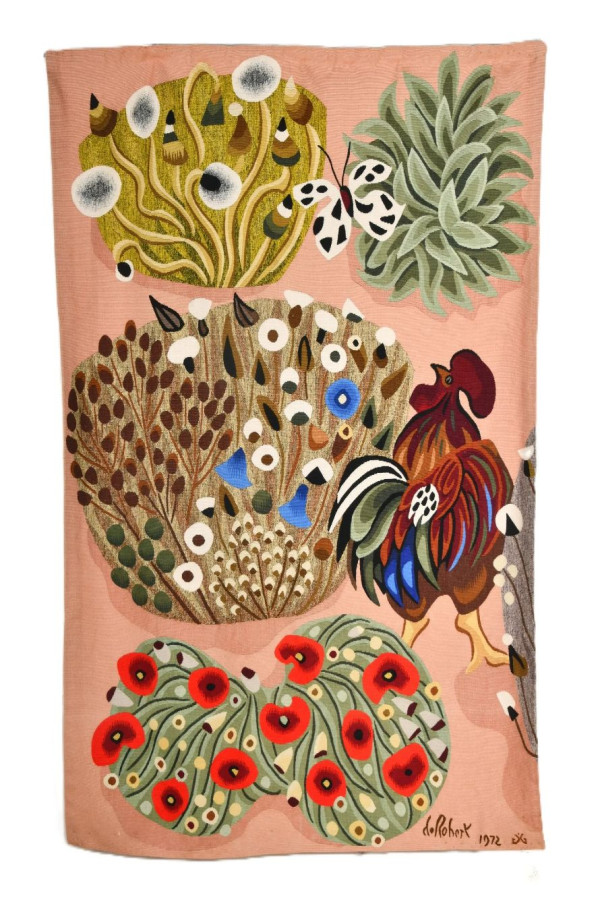 37712Signed Vintage Dom Robert Aubusson Rug with Rooster Design - Rug & Kilim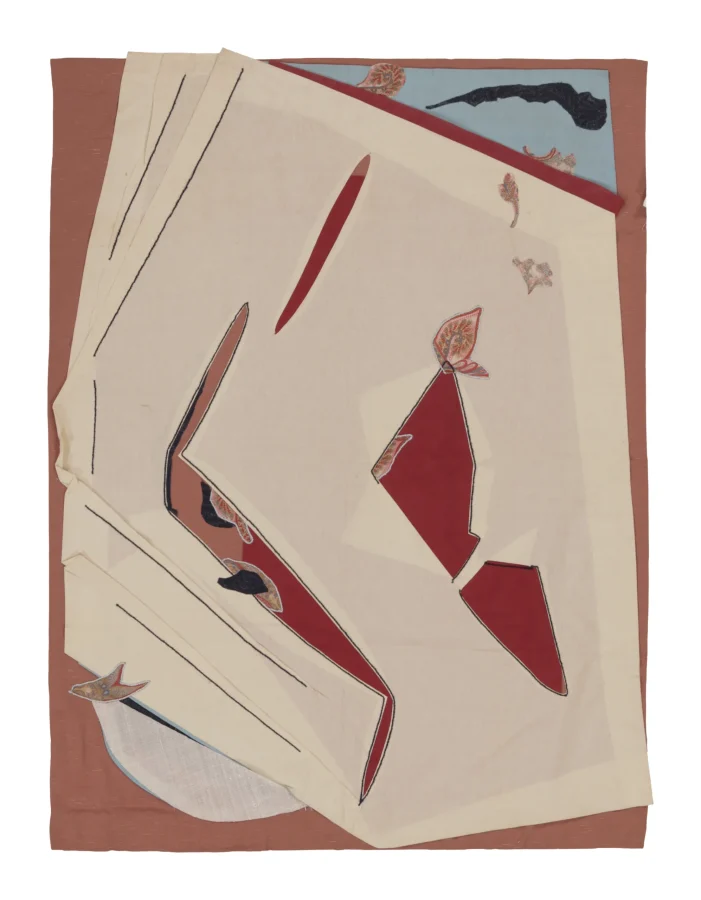
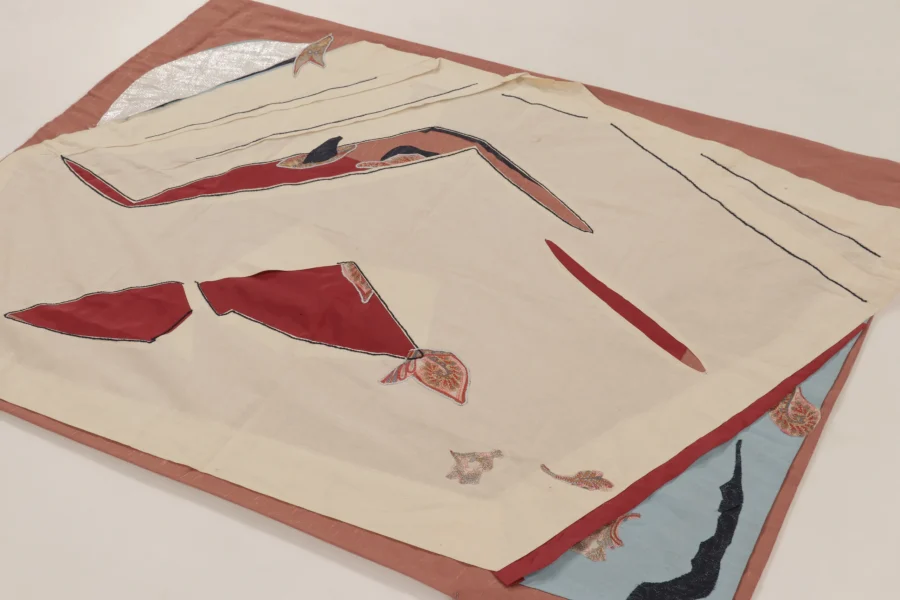 36819Rug & Kilim’s Contemporary Tapestry with Abstract Patchwork in Rich Red & Beige
Stories from the Tapestry Archive
Essays, artist dialogues, and provenance notes drawn from Rug & Kilim’s editorial desk.
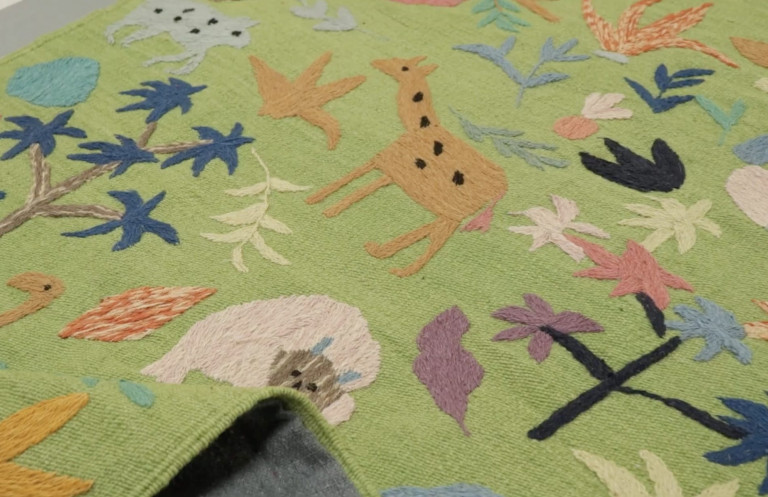
The Long Life of a Green: On Celery, Color of the Year, and the Four Centuries of Weaving That Anticipated It
Every year, the color world makes its pronouncement, and every year the design world turns to see what it has been given. For 2027, Sherwin-Williams has named Celery; a light, airy, herbal green with a yellow undertone, chosen, in the company's words, for a moment that prizes wellness, balance, and connection. It is a soft color with a quiet glow and a faint edge; it pairs, its makers note, with white for something breezy, with cranberry red for something playful, with brown for something elevated. It is, by any measure, a beautiful and intelligent choice. It is also a color the great weavers of the world have understood for four hundred years.
Read the Feature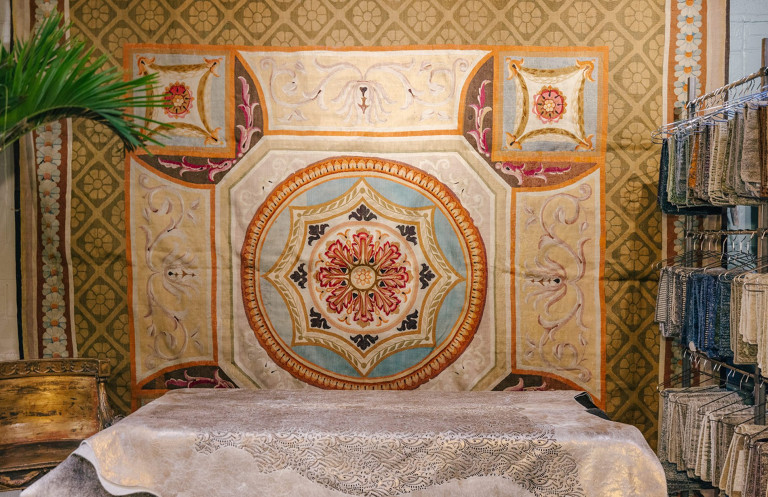
Provenance, Structure, Intelligibility: The Three Pillars of Serious Collecting
Anyone can acquire a rug. To collect one, to bring it into a serious collection with the confidence that it belongs there, requires a discipline, and that discipline rests on three questions. Across four decades of building one of the most significant archives in the country, this house has come to evaluate every object through the same three. They are the difference between buying and collecting, and they are worth setting down plainly, because they apply as readily to a Safavid fragment as to a signed Aubusson, and because they are the same three questions, at bottom, that a curator at the Metropolitan or a specialist at Christie's brings to any object of consequence.
Read the Feature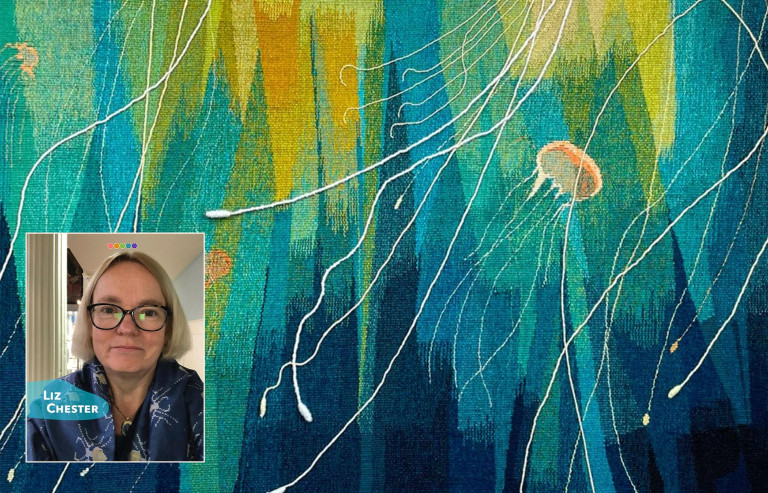
Rug & Kilim’s Tapestry Artists’ Series: In Dialogue with Elizabeth Chester
There is a particular kind of looking that a great tapestry demands, slower than painting, more physical than sculpture, closer to reading than to seeing. The eye must travel. It must follow the thread, understand the structure, and then, having understood it, surrender to the illusion that the structure has been designed to create. The greatest European tapestries have always operated this way: technically transparent to the scholar and visually overwhelming to everyone else simultaneously. It is the most demanding of the textile arts, and the one that rewards sustained attention most completely.
Read the Feature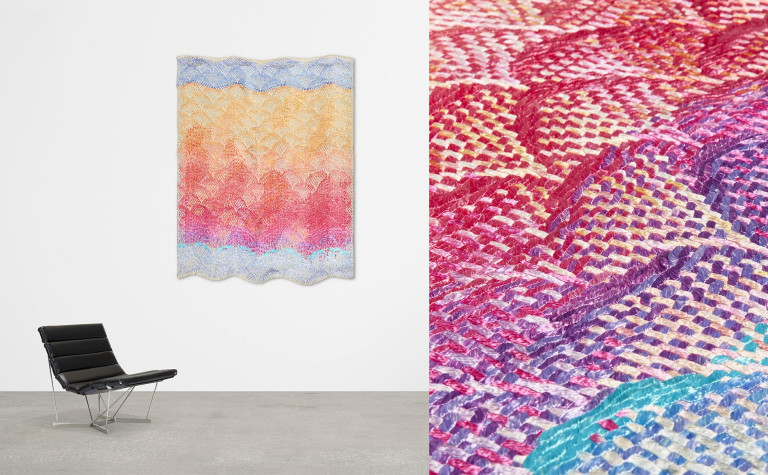
The Layered Home: 5 Ways to Rethink Floor Rugs and Wall Tapestries
The real spatial dimension does not get painted, it gets woven. Begin with hanging a piece such as Signed Vintage Lia Cook Tapestry slightly off-center on one of your main walls. Its intricate Jacquard weave and the friction created between its rayon and linen fibers will require a lot of breathing room, immediately establishing a gravitational pull of the whole room. But to balance this vertical tension, the ground beneath your feet needs to become much more rigorous. With the use of a rigorously beaten warp-faced plane such as cotton Indian Dhurrie or Antique Swedish Röllakan's interlocking tapestry weave, you create a flat but structurally resistant base. A ground made from a rigidly woven material needs to be challenged. The last textural transition will come from placing a Vintage Frazada Kilim with heavy weft interlace across your warp-faced plane. The act of overlapping your heavy weft on a rigorously
Read the Feature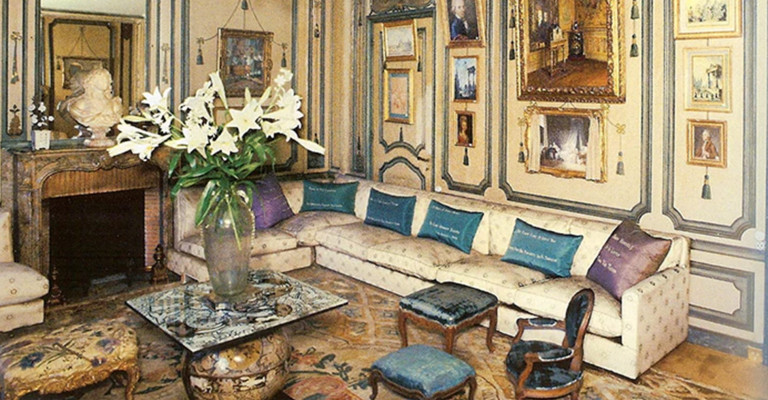
The Rug That Made the Room: Ten Interiors Where the Carpet Was the Only Decision That Mattered
Every serious designer knows the moment. You walk into a room that is not yet finished; the furniture placed but provisional, the walls painted but unconvinced, the light doing its best with what it has been given and something stops you. Not the chandelier. Not the art. The floor. A carpet lies there with the particular authority of an object that has already decided what the room is going to be, and is waiting, with complete patience, for everything else to catch up. The furniture will be chosen in response to it. The color of the walls will be negotiated against it. The art will be hung at a height that the carpet's scale has already determined. The room, in the most literal sense, begins underfoot.
Read the Feature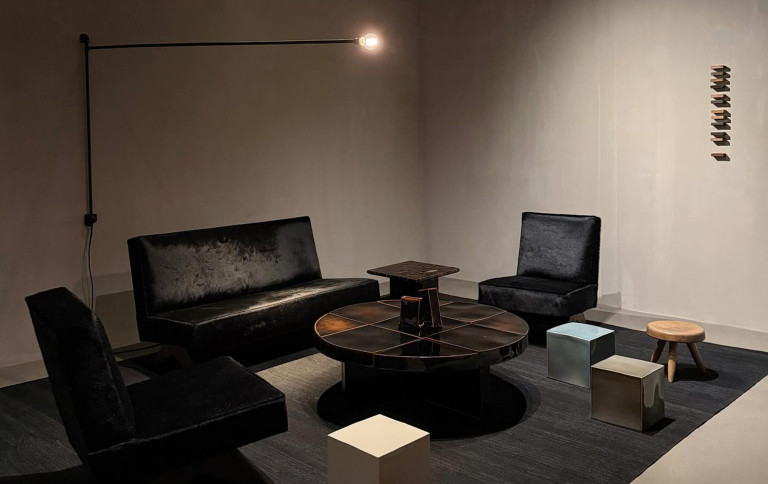
Rooms of Power: Rugs, Art, and the Architecture of Global Interiors
Before There Was Interior Design, There Was Placement Long before interiors were styled, they were composed through objects that carried worlds within them. A Mughal carpet was not simply placed beneath a court; it defined the court. A Savonnerie was not an accessory to Versailles; it was an extension of its order. A Chinese Art Deco rug did not decorate early modernist apartments; it translated an entire cultural vocabulary into a new architectural language. What we now call “interior design” is, at its highest level, a continuation of this lineage: the understanding that certain objects, particularly rugs are not passive. They carry with them histories of empire, trade, philosophy, and labor. They are, in essence, compressed geographies.
Read the Feature