Tapestry
The Rug & Kilim Tapestry Collection stands as one of the foremost private archives of historical textile arts, representing forty years of disciplined acquisition across premier international markets and private holdings. This distinguished repertoire, anchored by rare and museum-caliber textiles, presents an authoritative chronicle of weaving traditions from the most important provenances and workshops.
Some of the earliest treasures in this never-before-seen archive include 17th-century tapestries, centuries-old Persian fragments, salt bags and horse covers, antique and vintage textiles of the Swedish Rölakan and Flamskväv traditions, Flemish tapestries, tribal textiles and folk art of all primitivist origins, and a particular emphasis of 18th-century Neoclassical tapestries (being one of our principal’s deepest passions in design history). Some of the new and especially exciting additions are signed vintage American and European tapestries, with works by mid-century masters like Henry Easterwood, Jean Lurcat, André Arbus, Etienne Poirier, Lucien Coutaud, Jean Picart Le Doux, Jean-Claude Bissery, Edmond Dubrunfaut, René Fumeron, and Paule and Jules Leleu.
This line’s diverse inclusion of rare provenances, special workshops, and important artists is perhaps matched only by its representation of exotic yarns and weaving styles, with a notable range of silk and metallic-threads long sought-after by admirers of the craft.
- Modern
- 19th Century & Earlier
- Americana
- Oriental
Origin ▼
Style ▼
Material ▼
Width
Length
Design by Olivia Williams Studio Kips Bay NYC
To connect with a specialist, click here
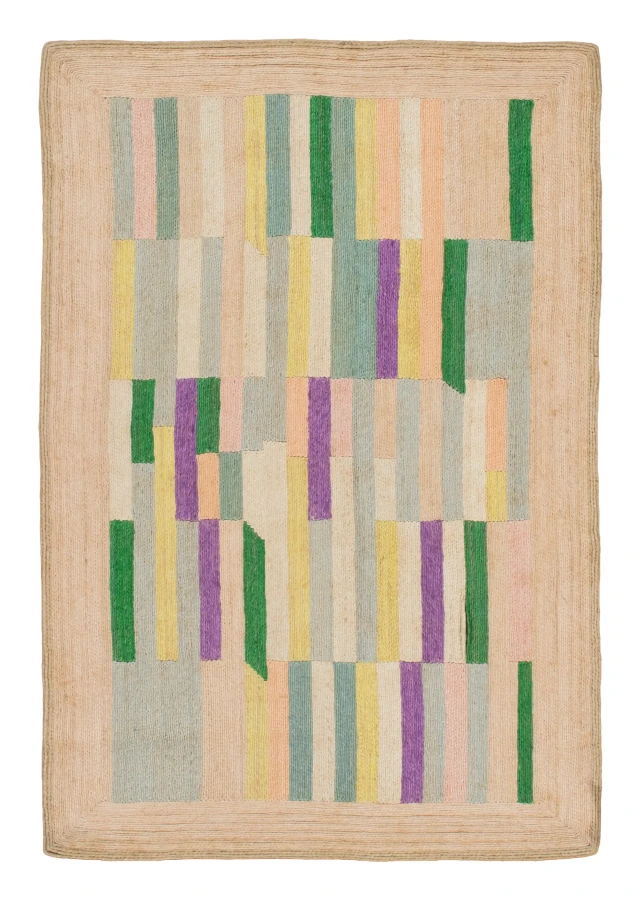
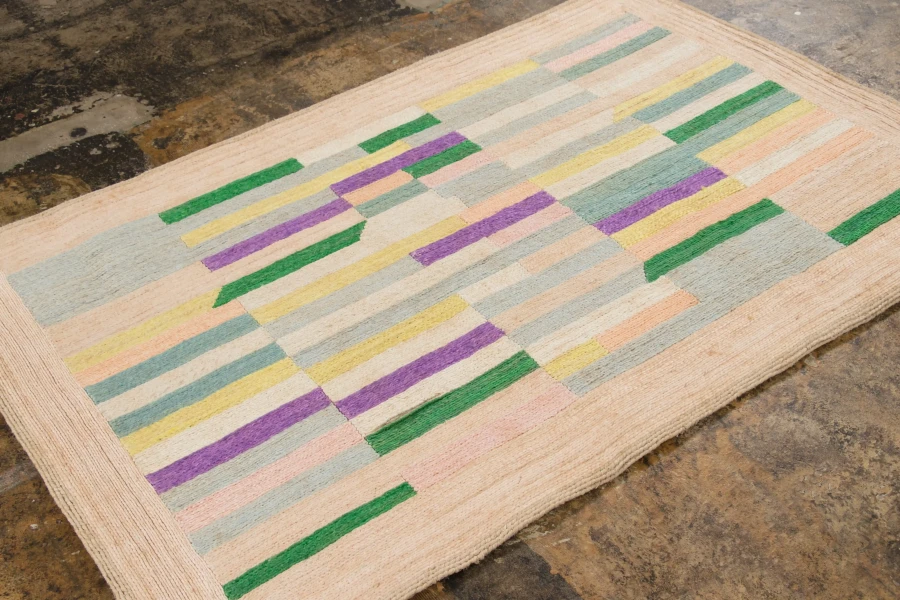 36532Rug & Kilim's Contemporary Abaca Rug with Block Grid in Pastel Multicolor
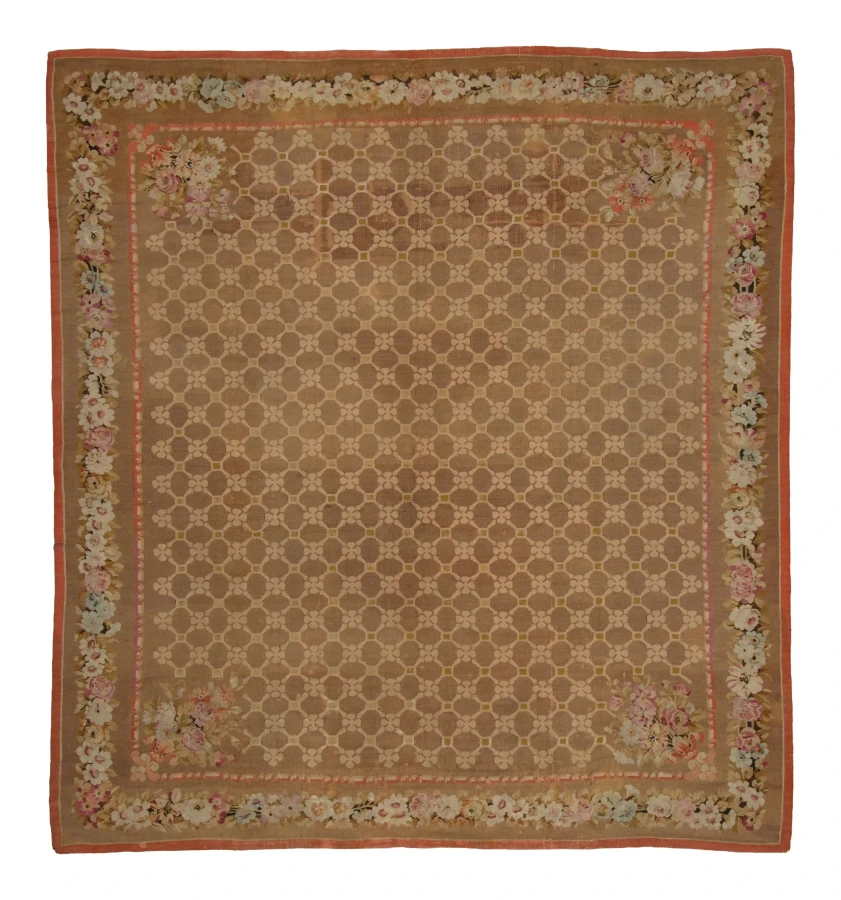
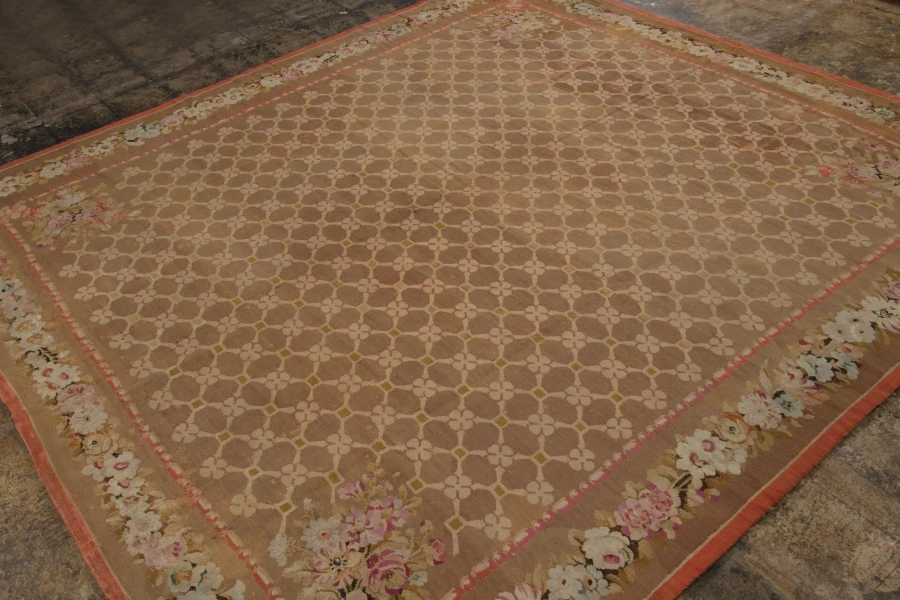 38338Antique French Aubusson Carpet with Daisy Trellis & Rose Border, Circa 1850 - Rug & Kilim
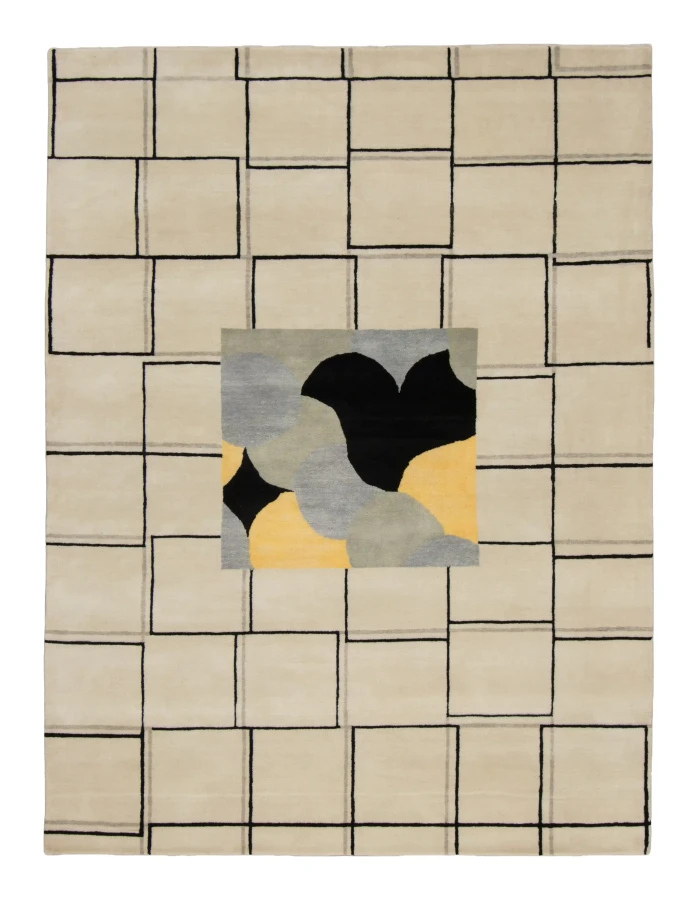
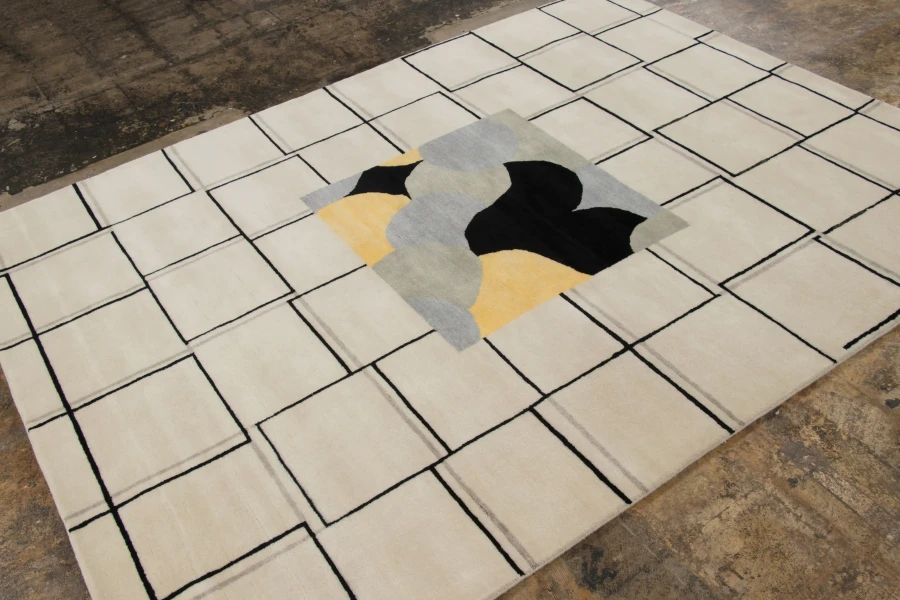 36563Rug & Kilim's Cubist Block Grid Rug with Atomic Age Central Inset
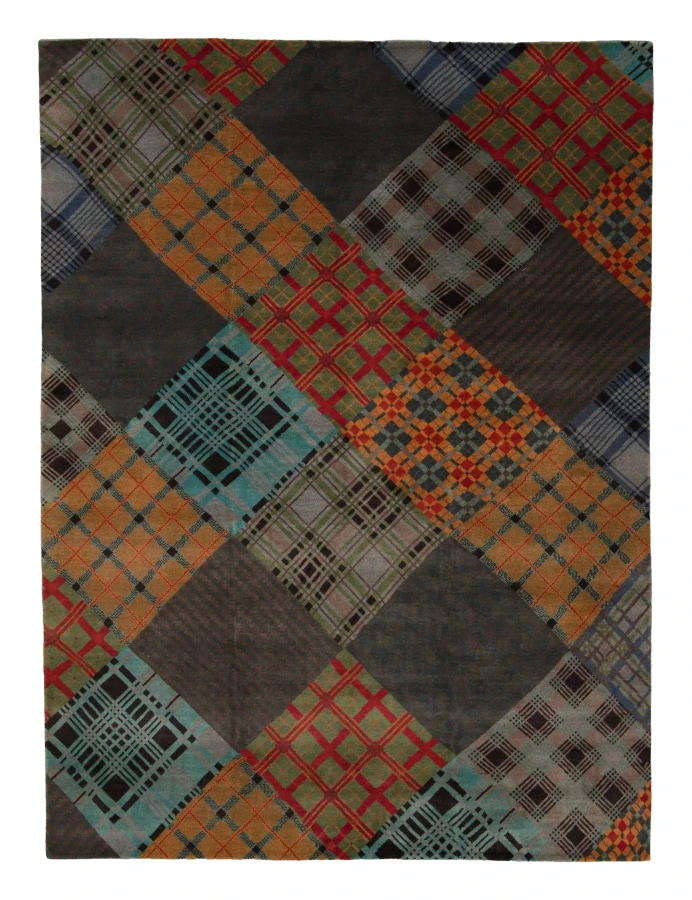
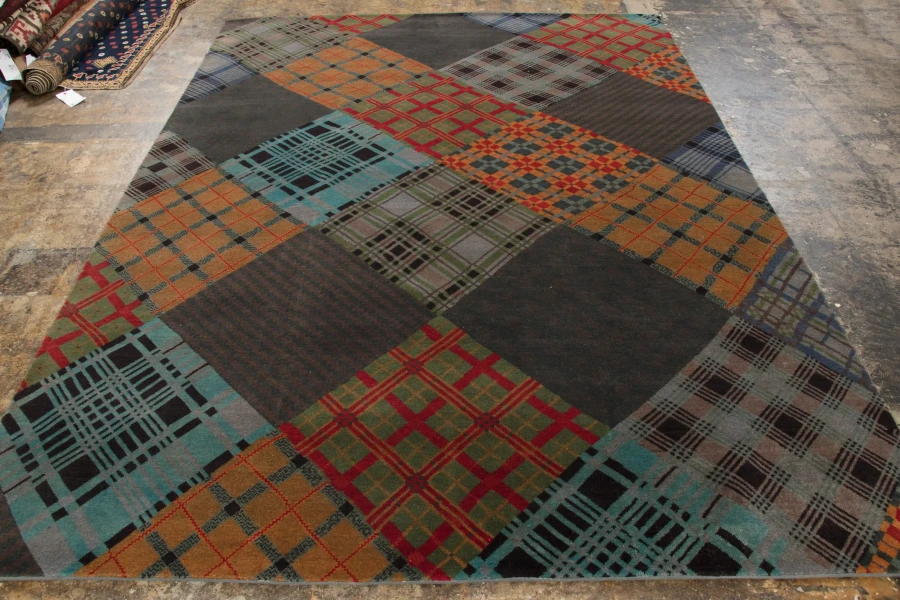 36518Rug & Kilim's Contemporary Tartan Harlequin Rug in Teal, Saffron & Charcoal
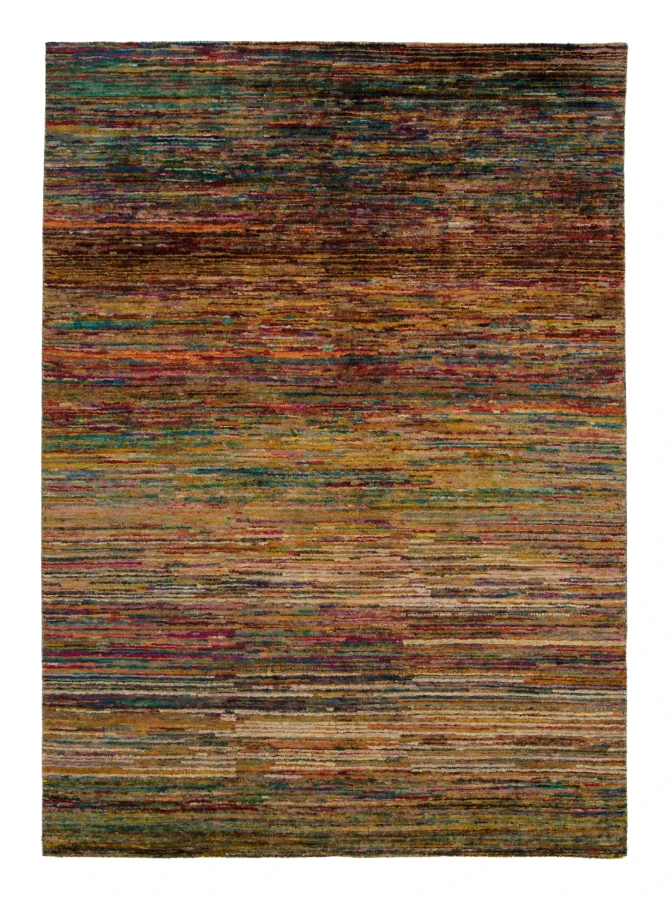
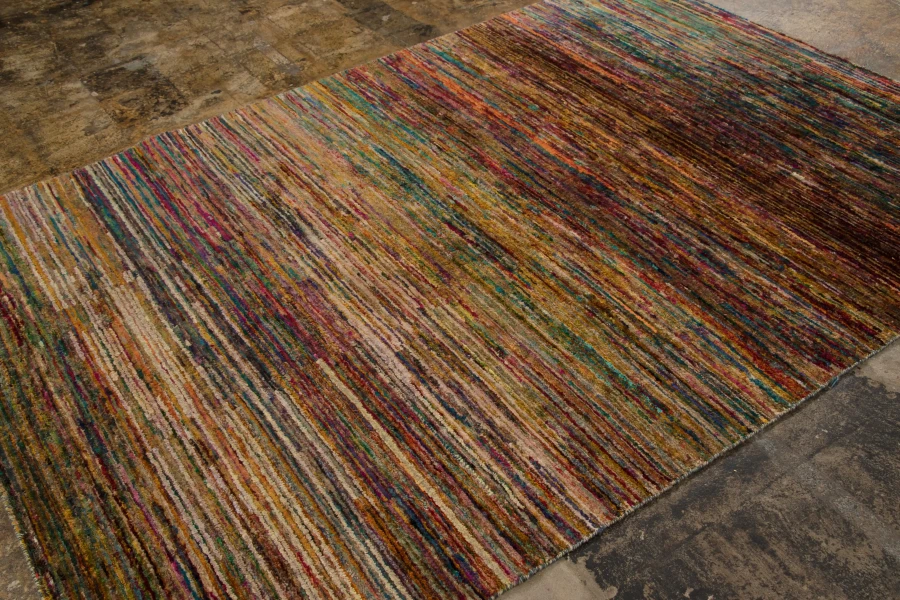 36305Rug & Kilim’s Contemporary Abstract Textured Rug in Polychromatic Hues
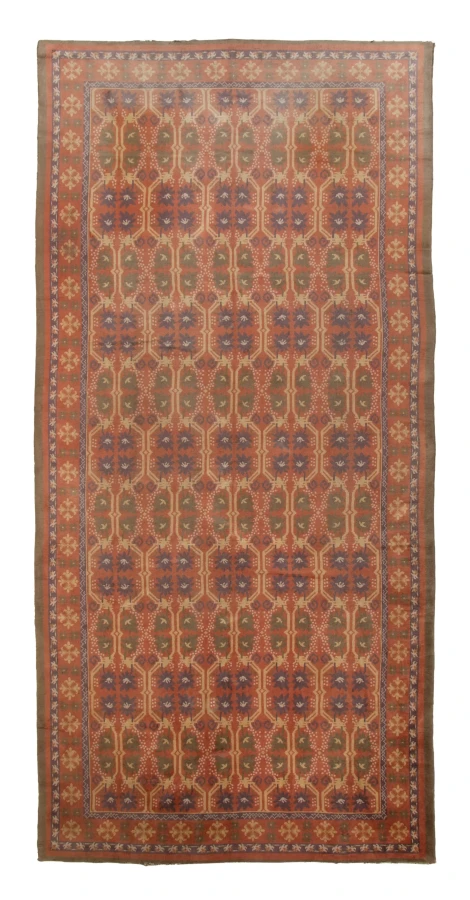
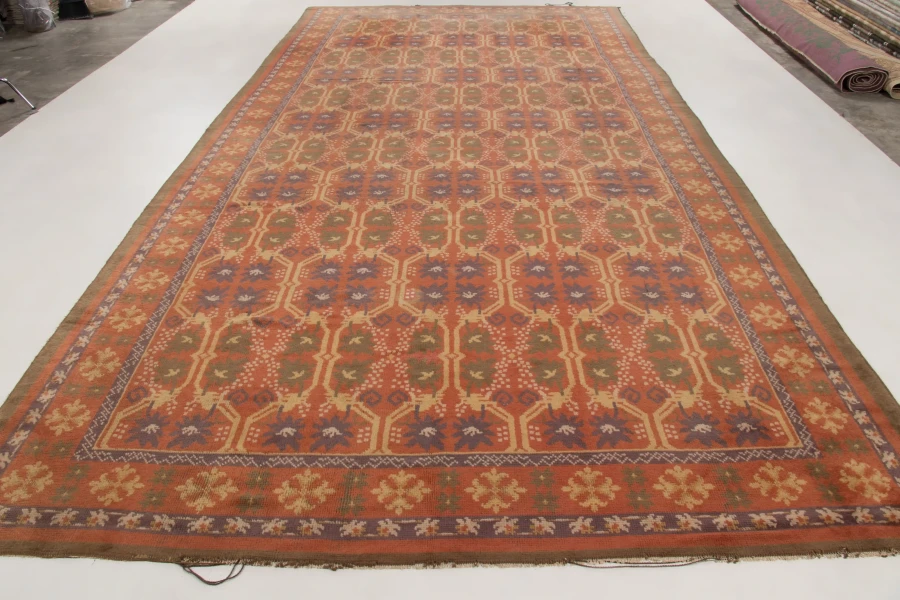 38151Oversized Antique Spanish Runner with Stylized Trellis & Foliage - Rug & Kilim
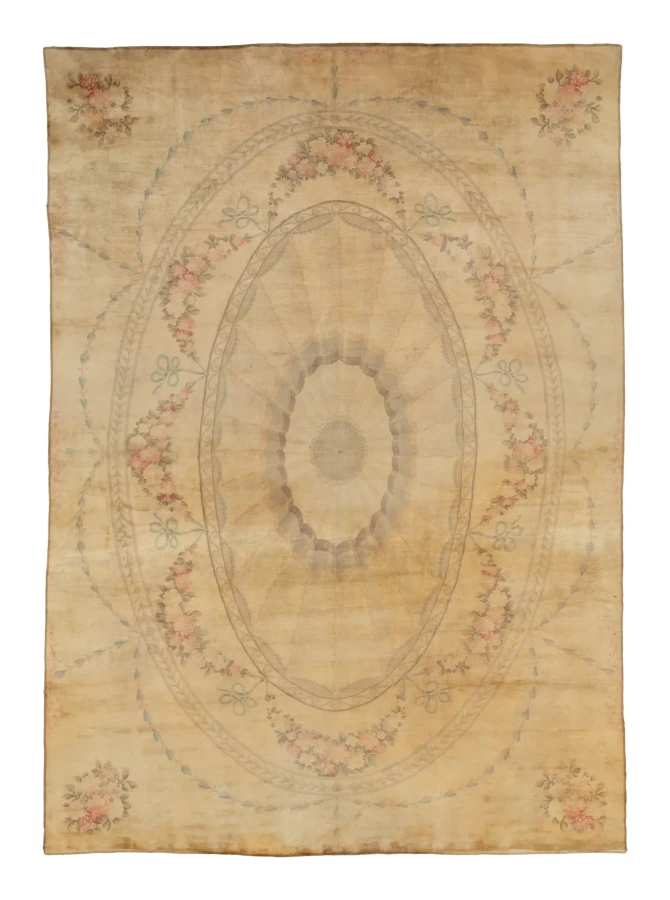
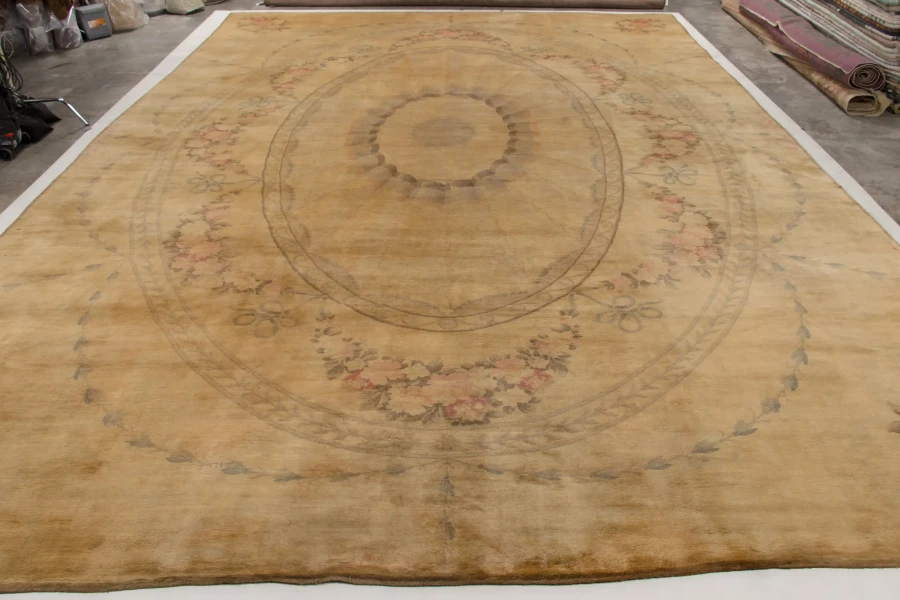 36999Oversized Antique Savonnerie Rug with Oval Floral Palatial Medallion - Rug & Kilim
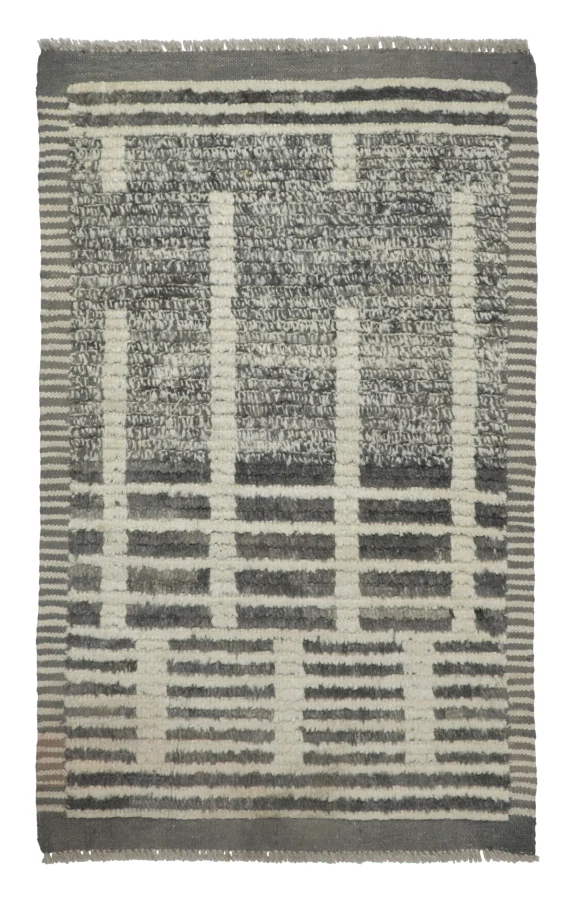
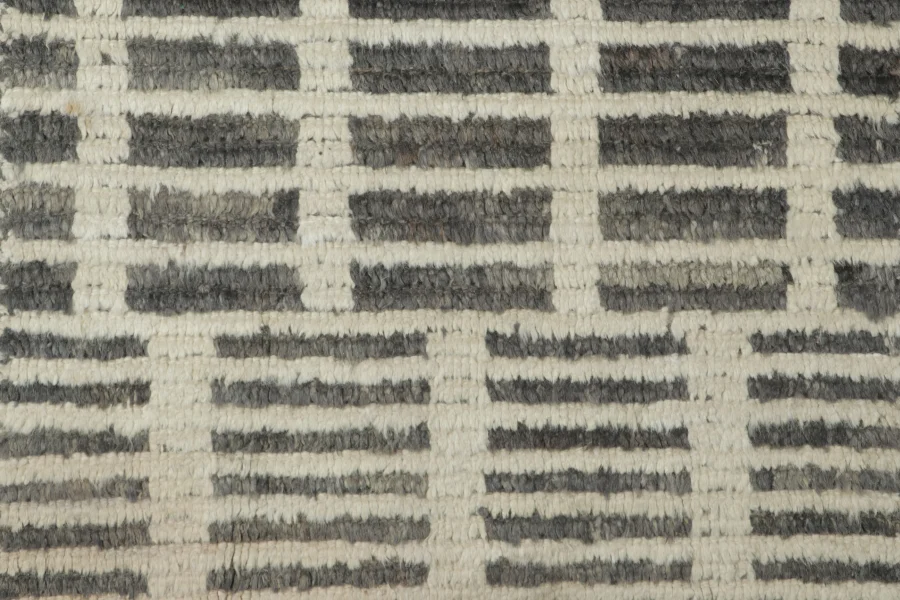 36542Rug & Kilim’s Contemporary Gift-Sized Rug with Bold Geometric Design in Deep Hues
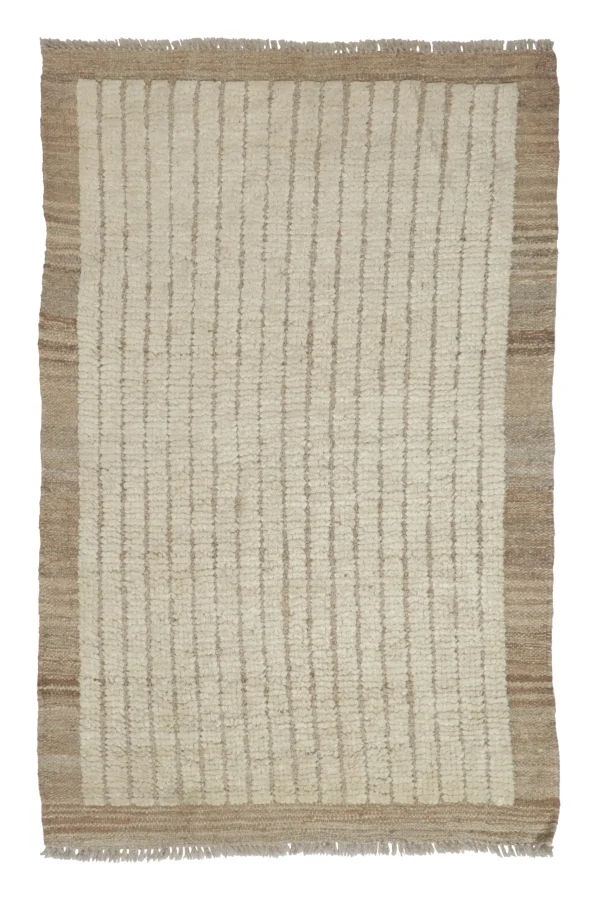
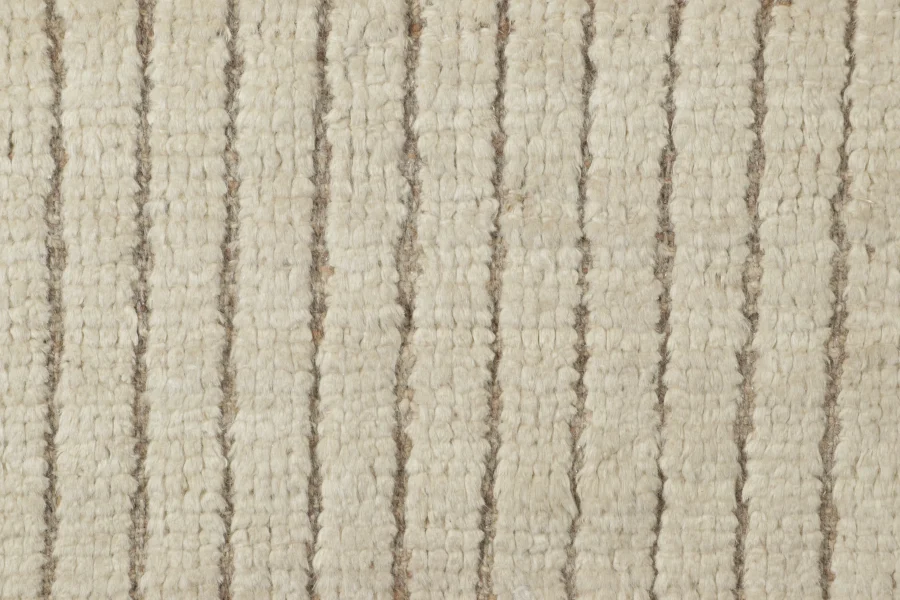 36540Rug & Kilim’s Contemporary Gift-Sized Rug with High Low Stripes in Beige & Cream
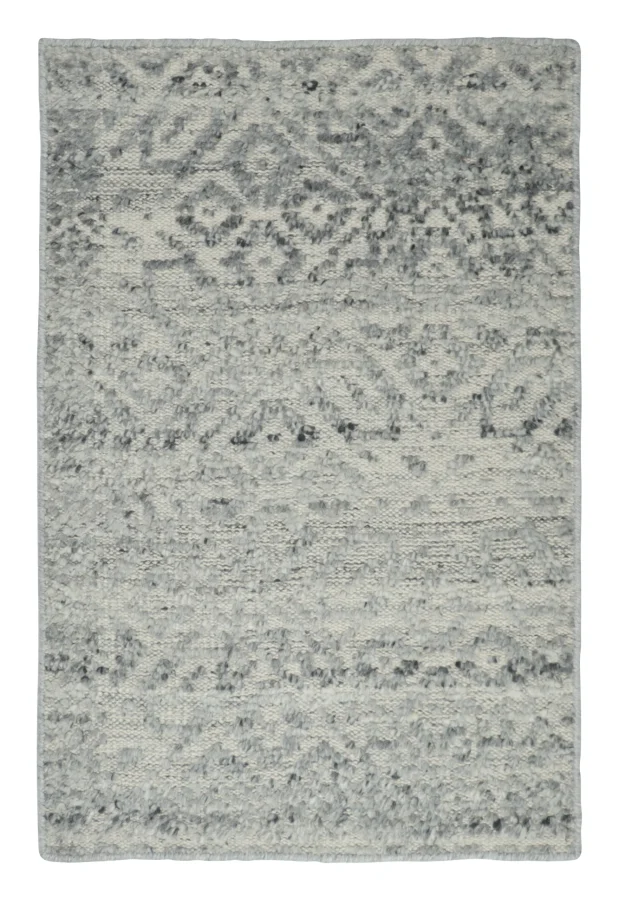
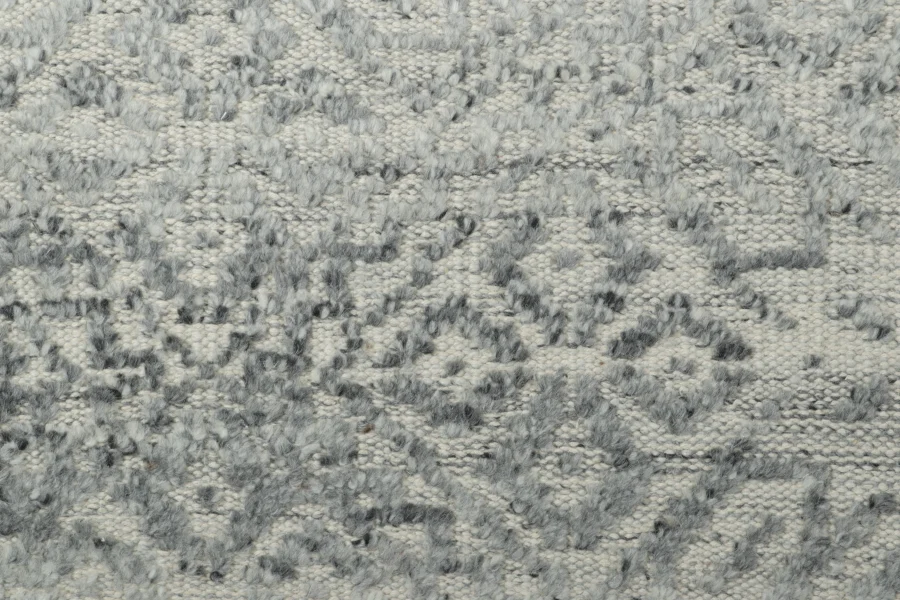 15246Rug & Kilim’s Contemporary Gift-Sized Rug with Gray Geometric High Low Texture
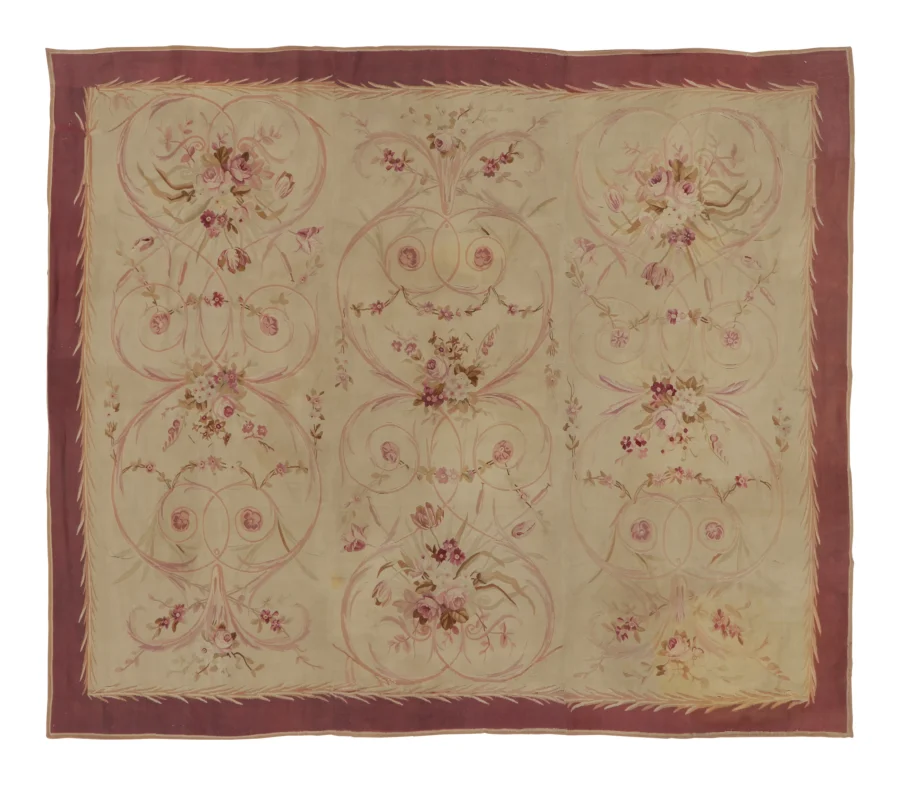
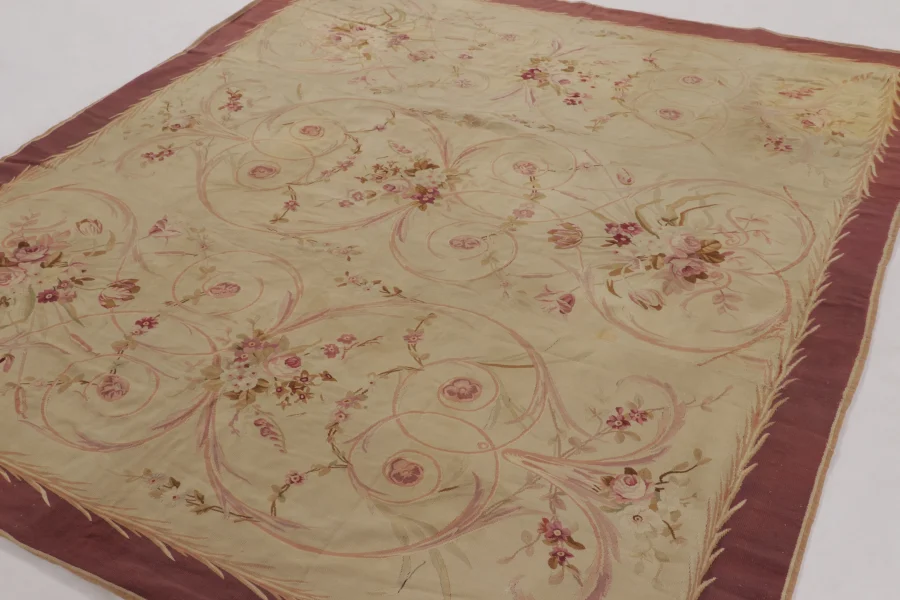 35715Antique French Aubusson Carpet with Floral Cartouches & Rose Garlands in Red
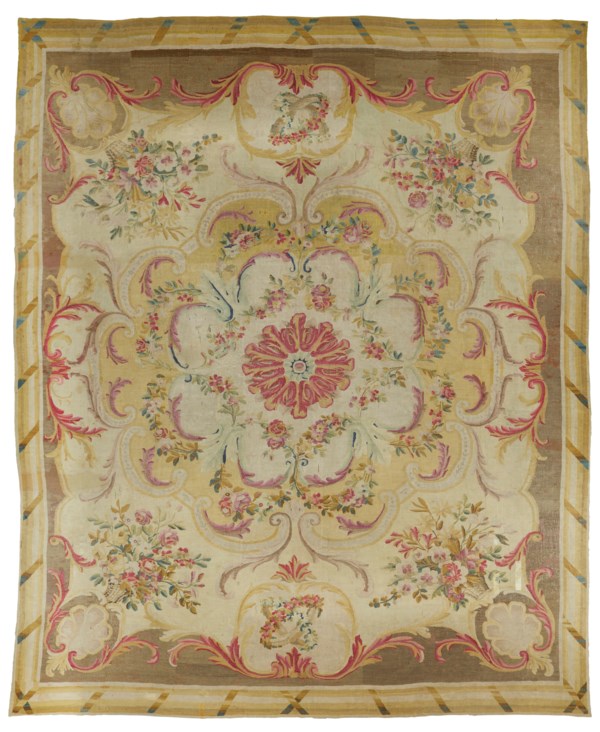 38375Oversized Antique 18th Century French Aubusson Rug with Floral Medallion - Rug & Kilim
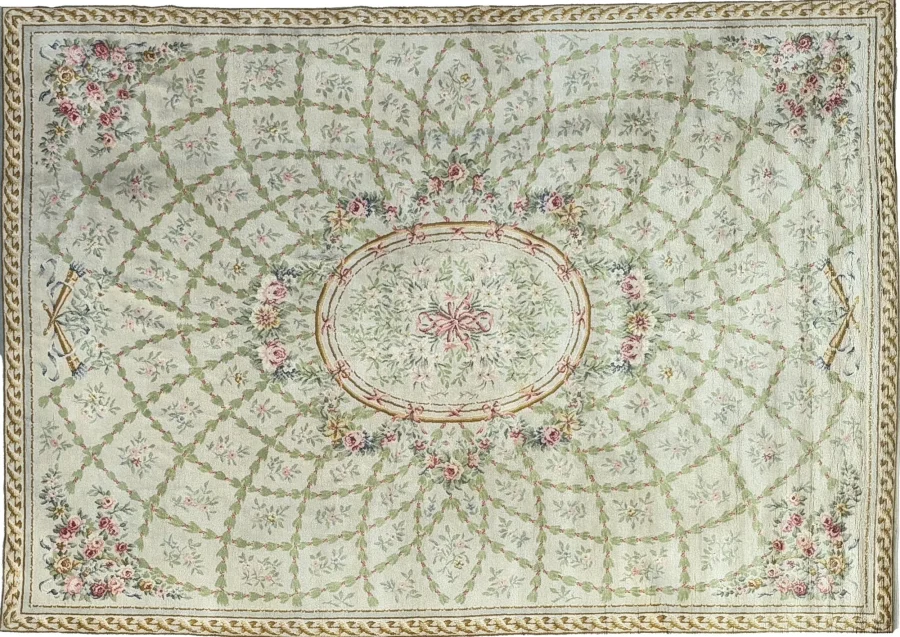 38370Antique 19th Century French Savonnerie Rug with Classic Bow Design - Rug & Kilim
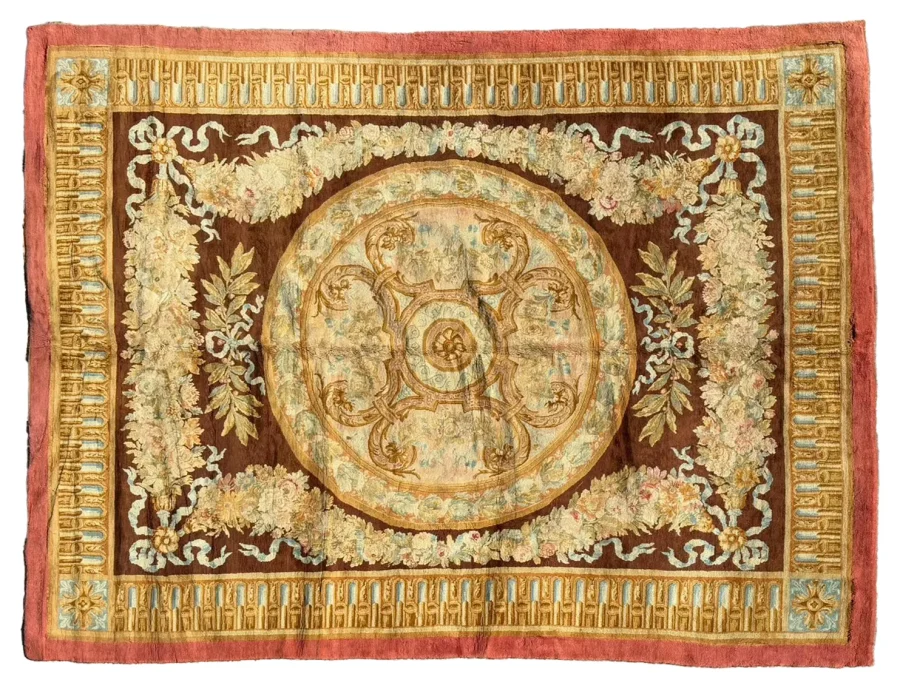
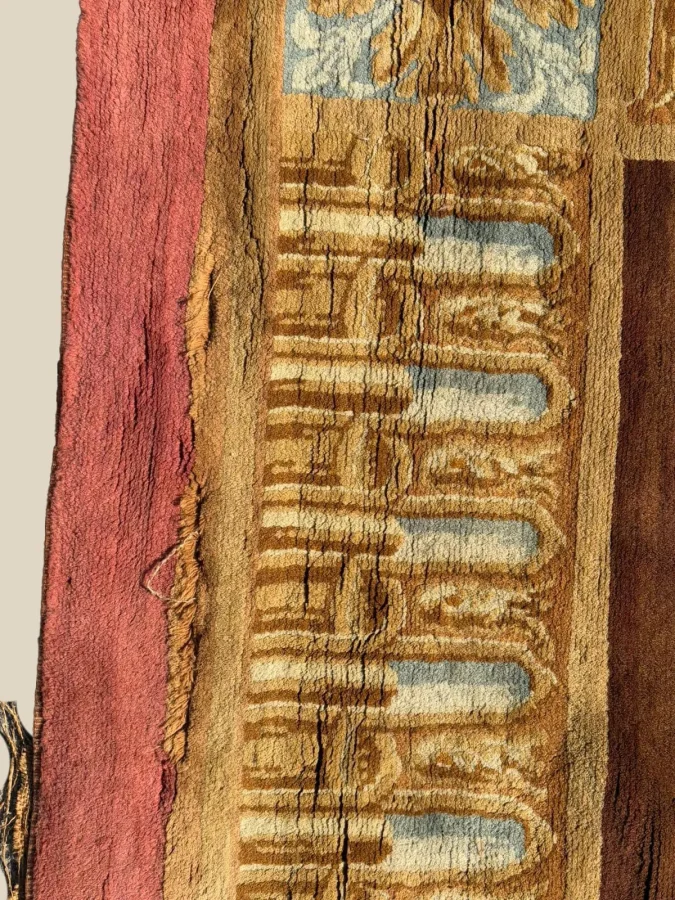 38369Antique 19th Century Aubusson Rug with Grand Medallion in Gold - Rug & Kilim
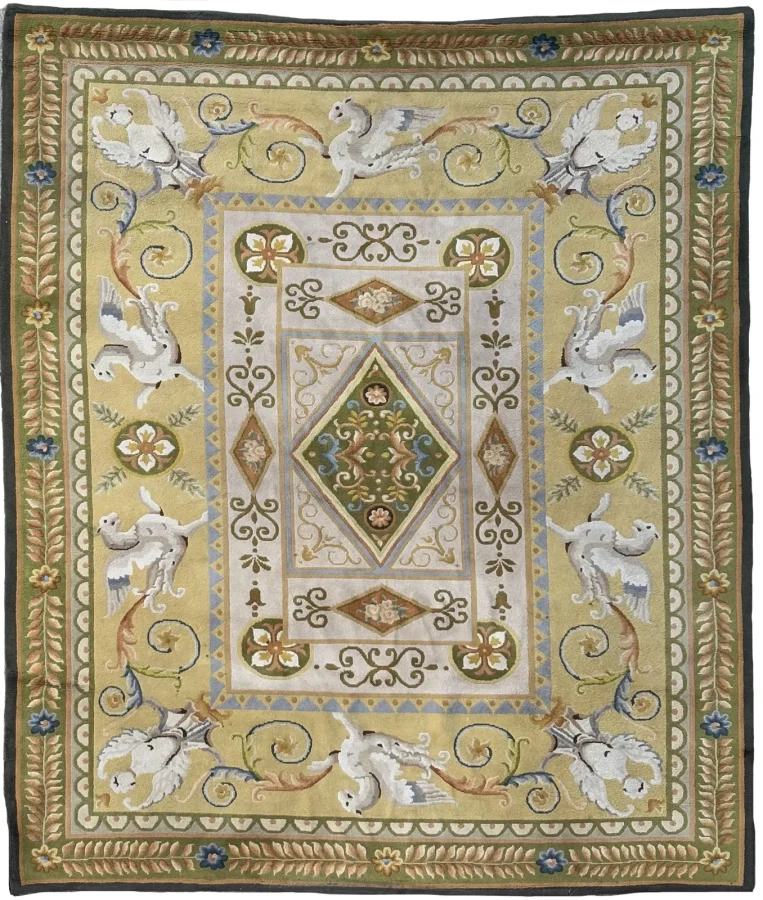 38368Antique 19th Century Spanish Savonnerie Rug with Diamond Medallion & Mythical Pictorials - Rug & Kilim
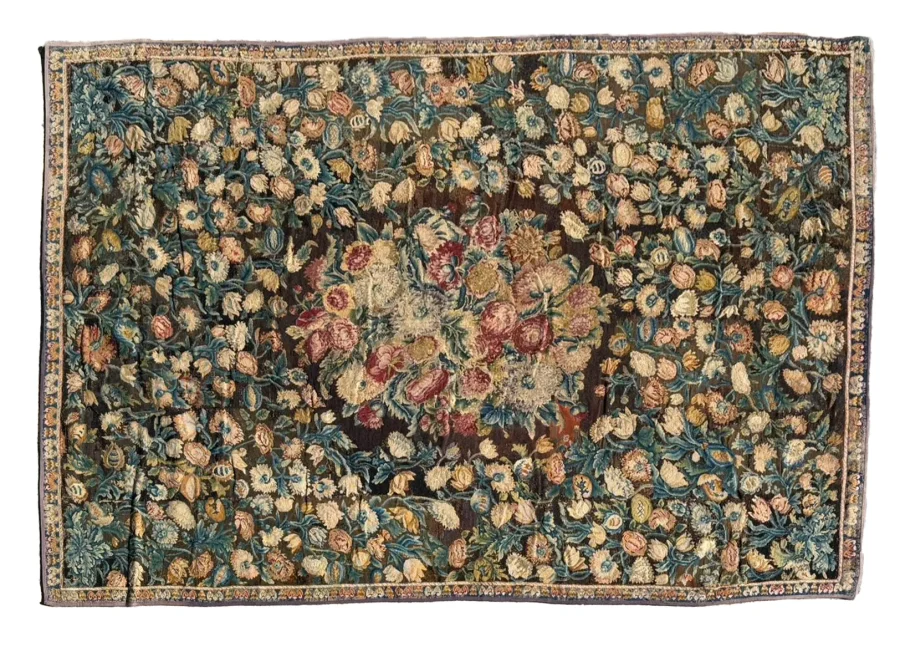 38367Antique 18th Century French Verdure Tapestry with Medallion & Vinery - Rug & Kilim
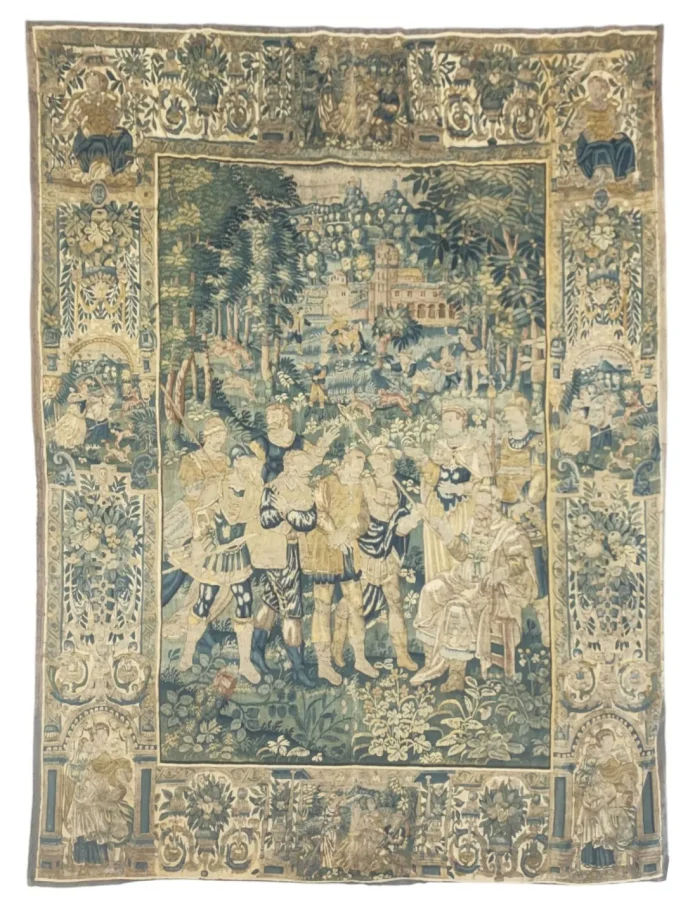
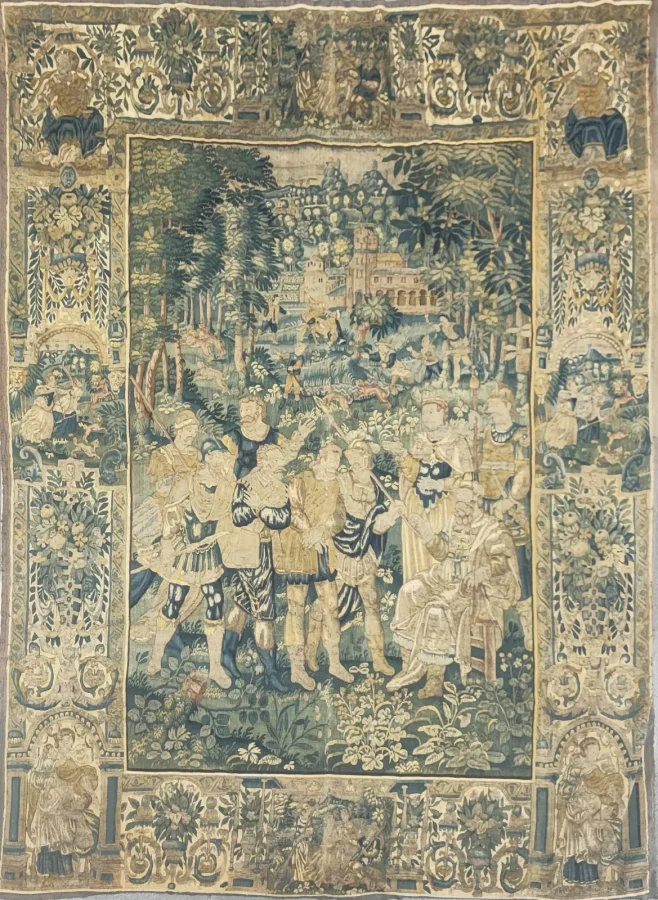 38366Antique 17th Century Belgian Tapestry with Mythological Narrative Pictorials - Rug & Kilim
- Out of Stock
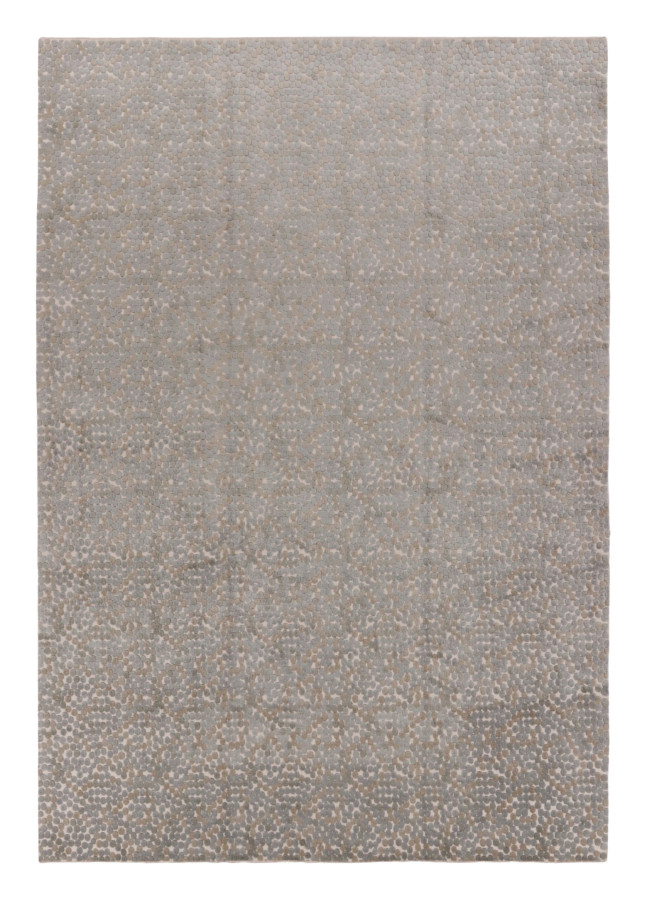
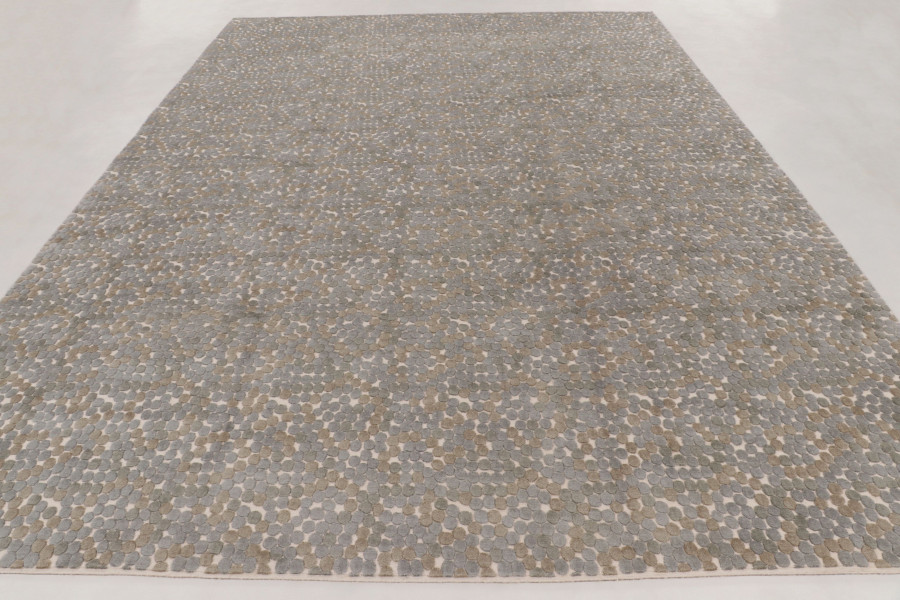 38067Rug & Kilim's Oversized Contemporary Custom Rug in Gray & Taupe Pebble Motifs
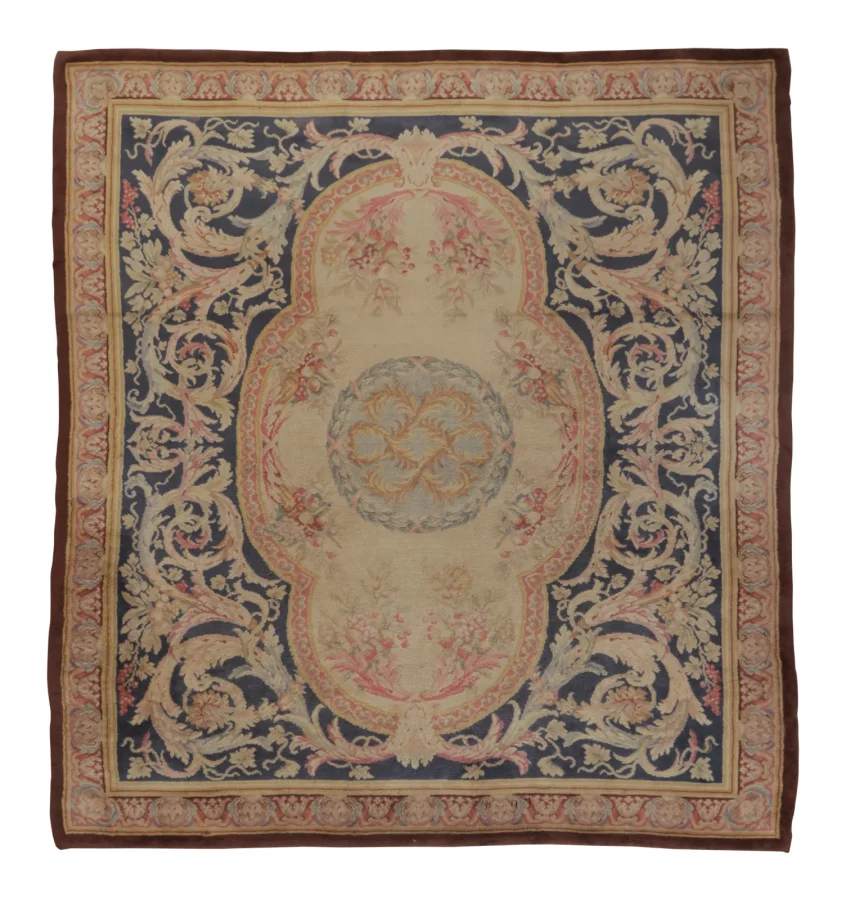
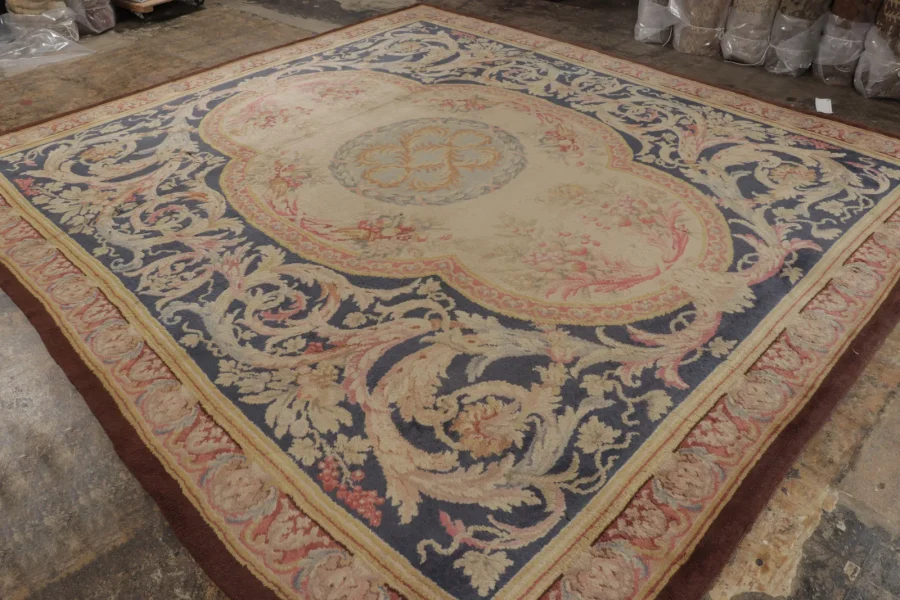 37548Antique Savonnerie Rug with Acanthus Leaves & Ornate Medallion - Rug & Kilim
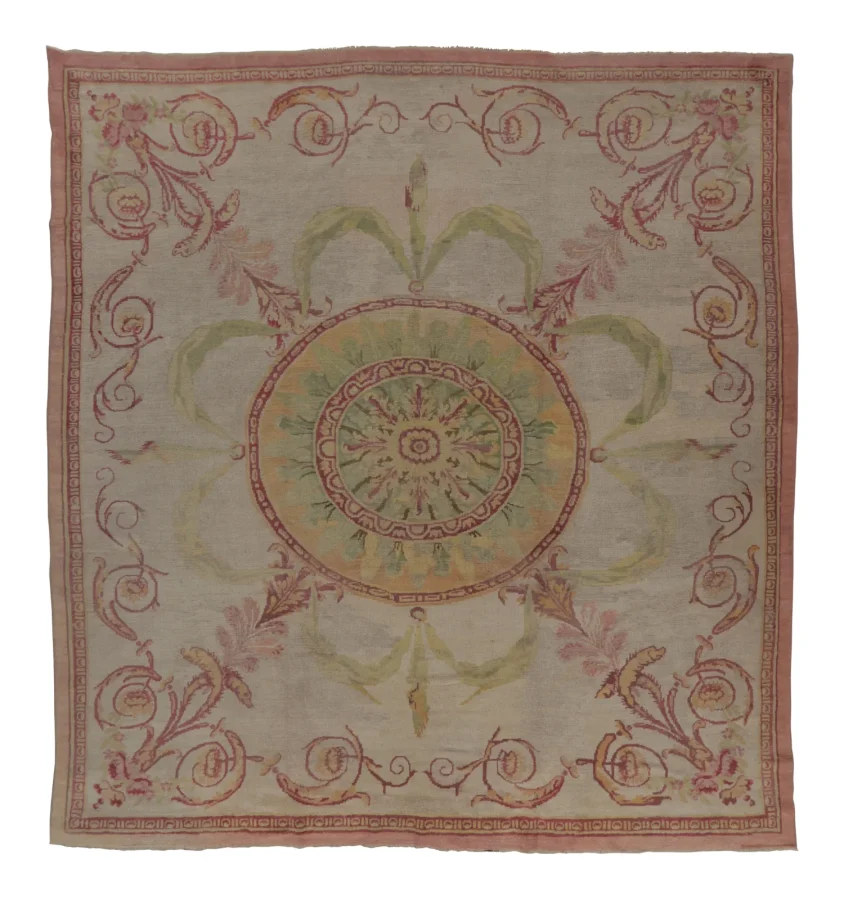
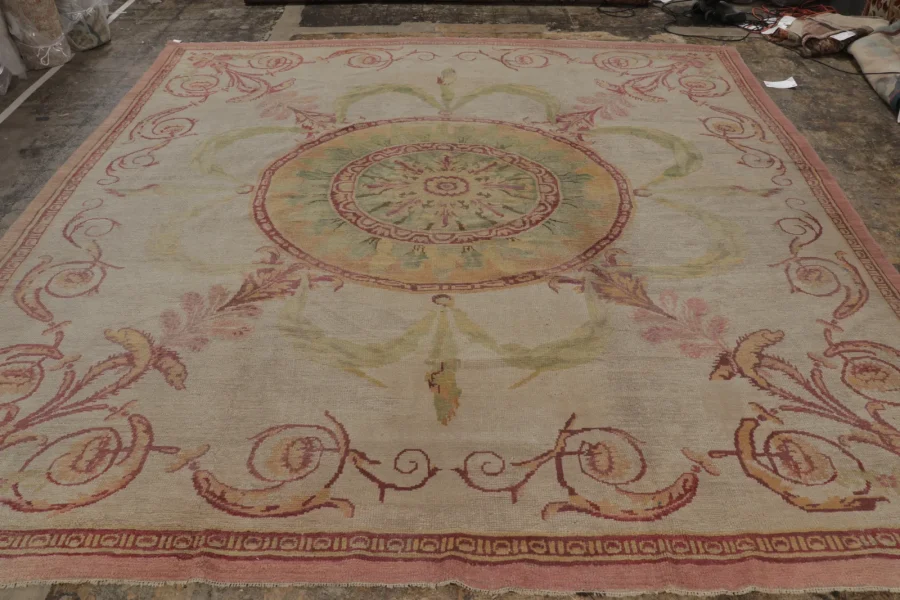 37552Antique 19th Century French Aubusson Rug with Ornate Medallion - Rug & Kilim
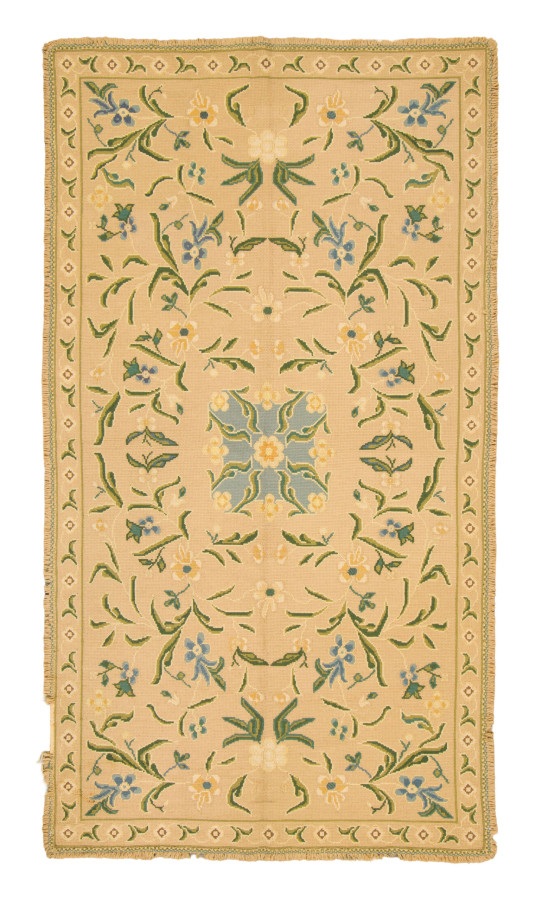
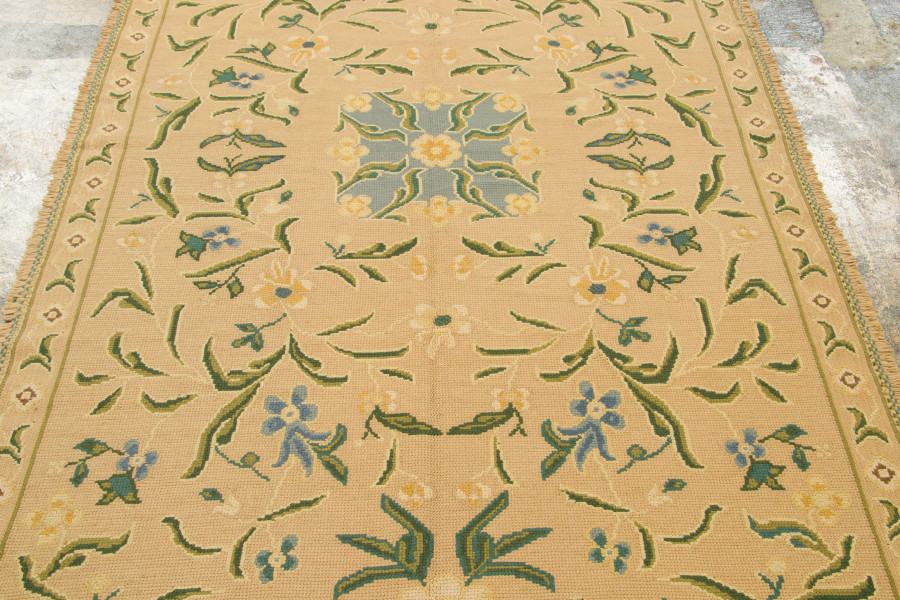 38176Vintage Portuguese Needlepoint Rug with Floral Design in Warm Hues - Rug & Kilim
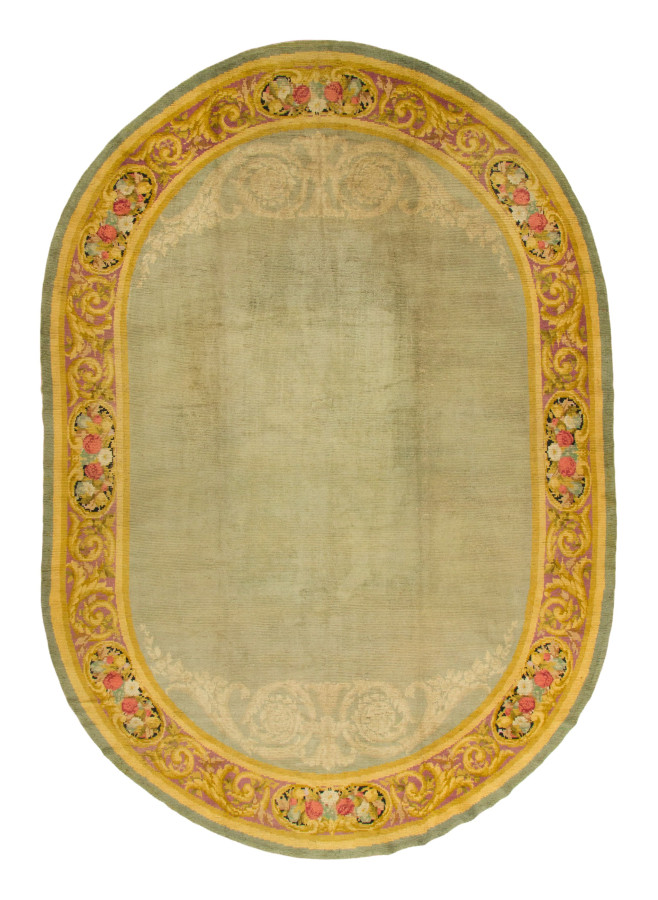
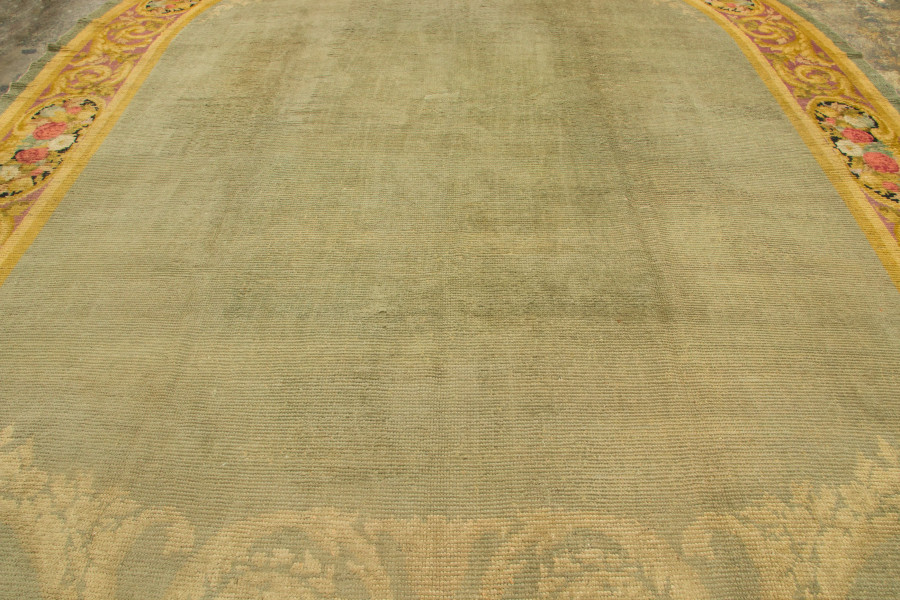 38175Oversized Antique 19th Century Oval Savonnerie Rug with Florals - Rug & Kilim
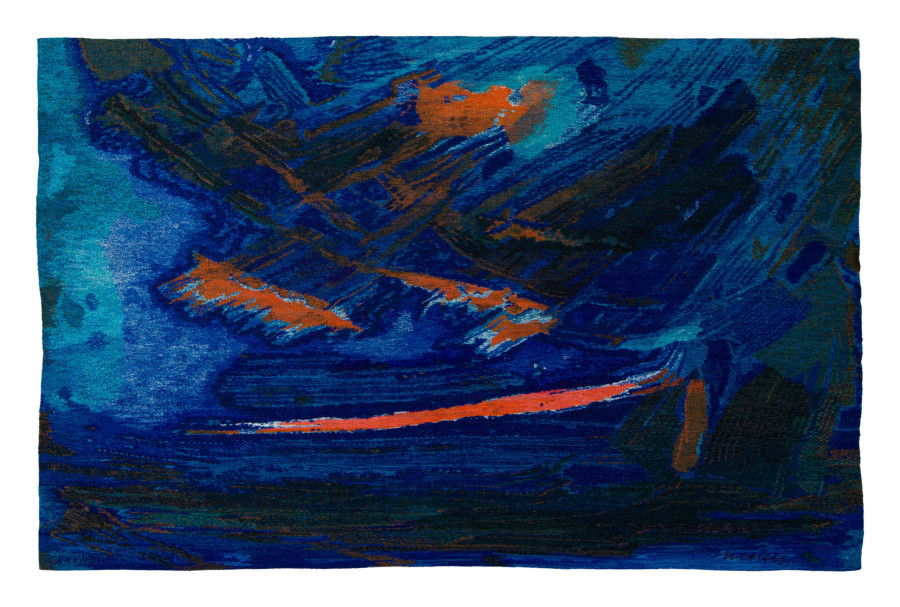
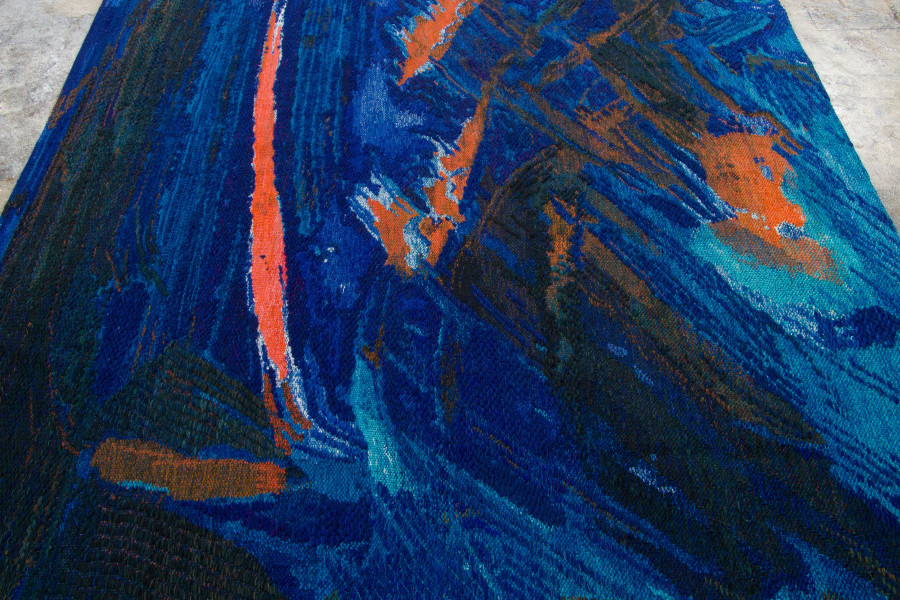 38152Signed Vintage Abstract Tapestry “Spring by the Sea” in Oceanic Hues - Rug & Kilim
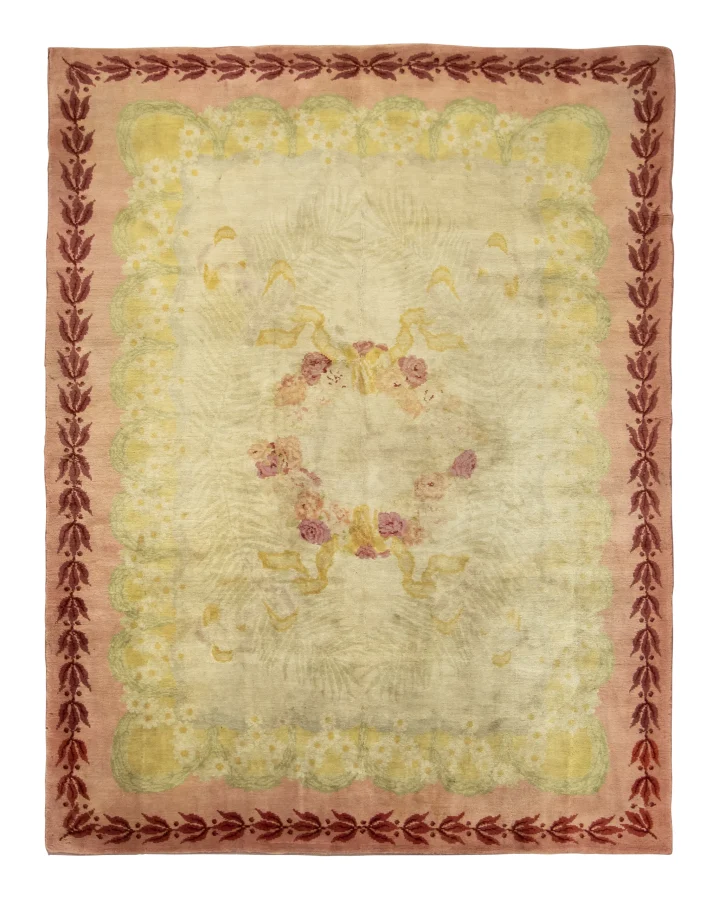
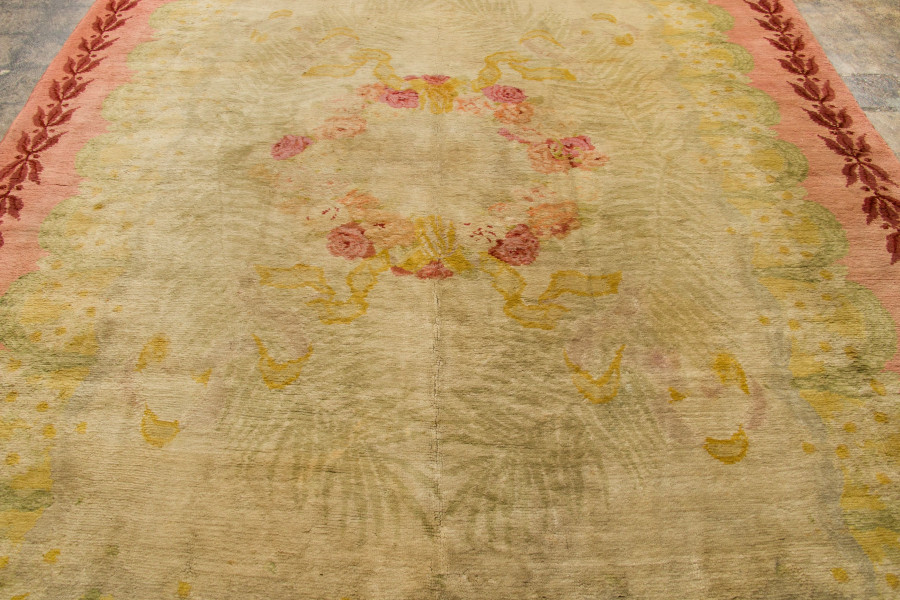 38065Antique French Savonnerie Rug with Floral Wreath Design in Pastels - Rug & Kilim
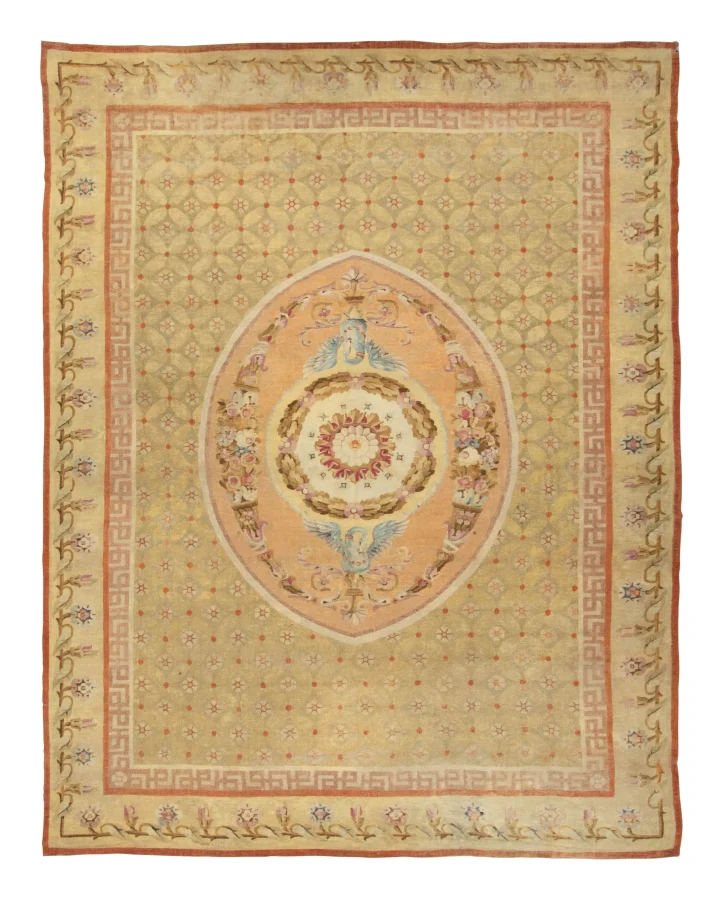
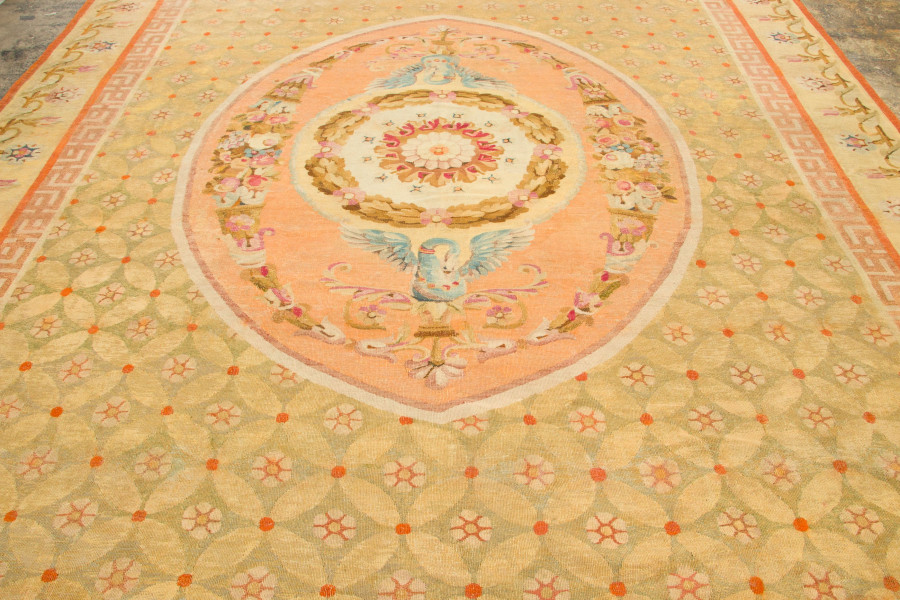 38064Oversized Antique Aubusson Rug with Floral Medallion & Swan Motifs - Rug & Kilim
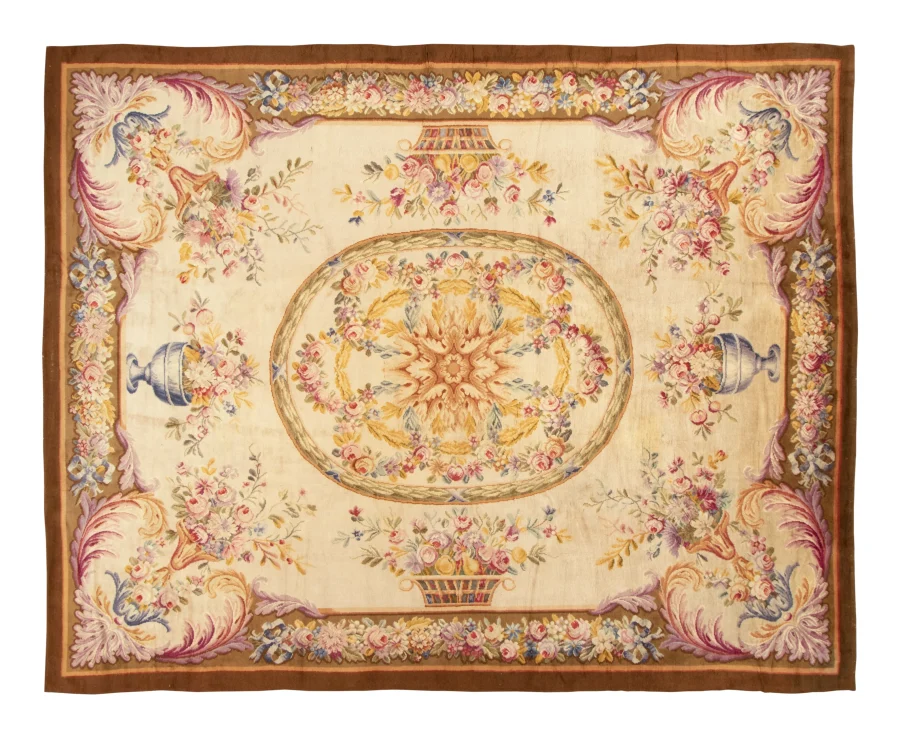
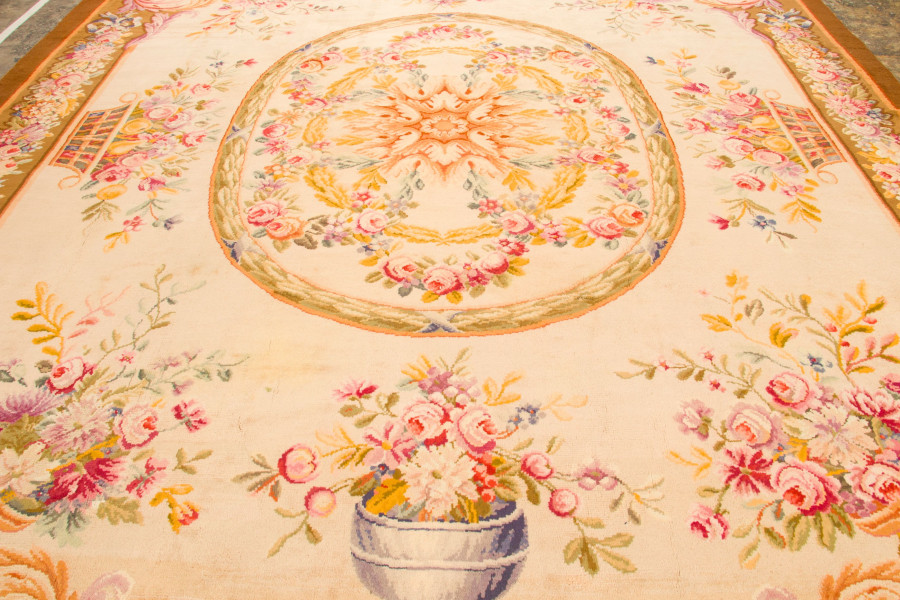 38062Oversized Antique French Savonnerie Rug with Florals & Vase Motifs - Rug & Kilim
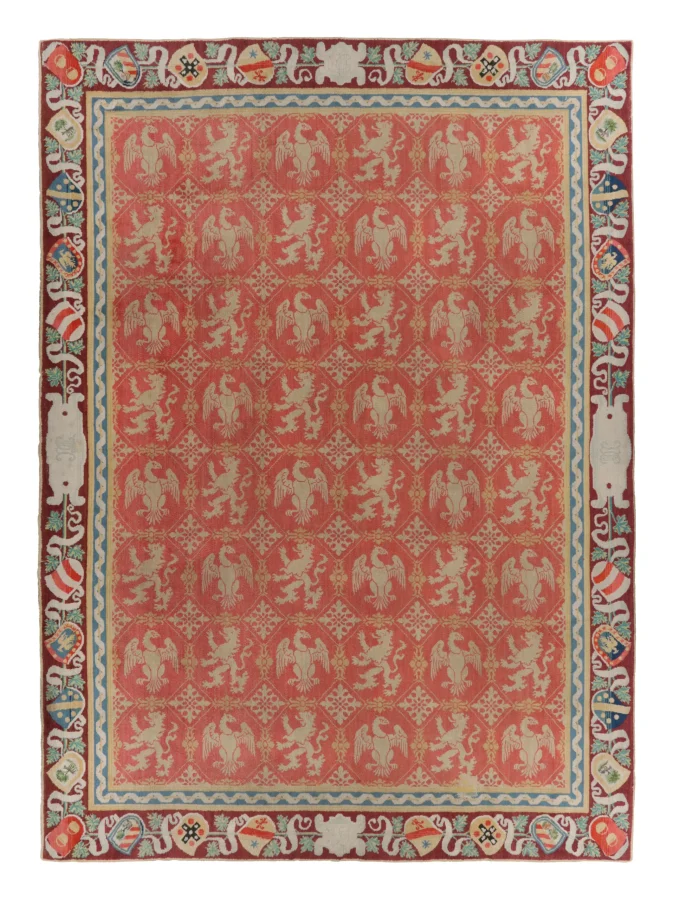
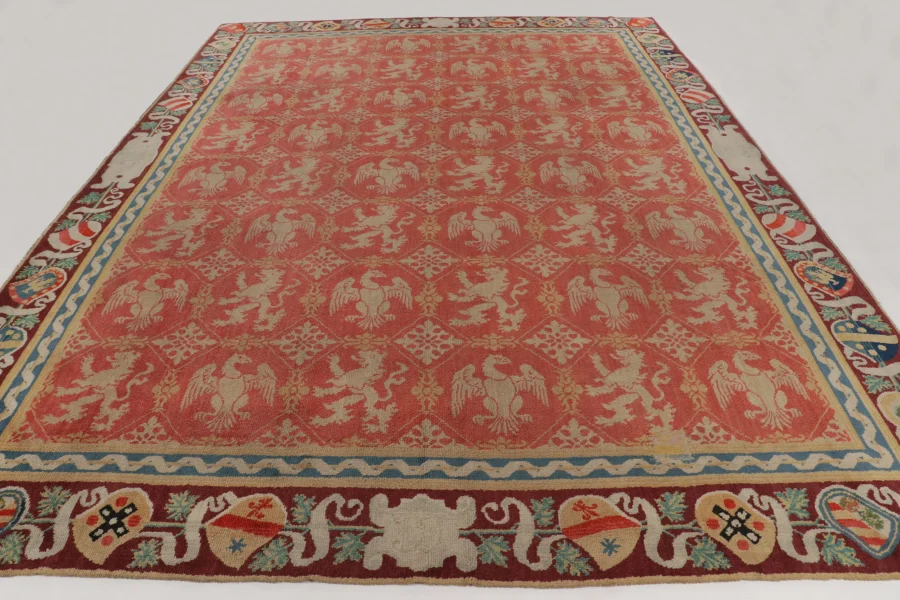 37882Oversized Antique European Pictorial Rug with Heraldic Bird Motifs - Rug & Kilim
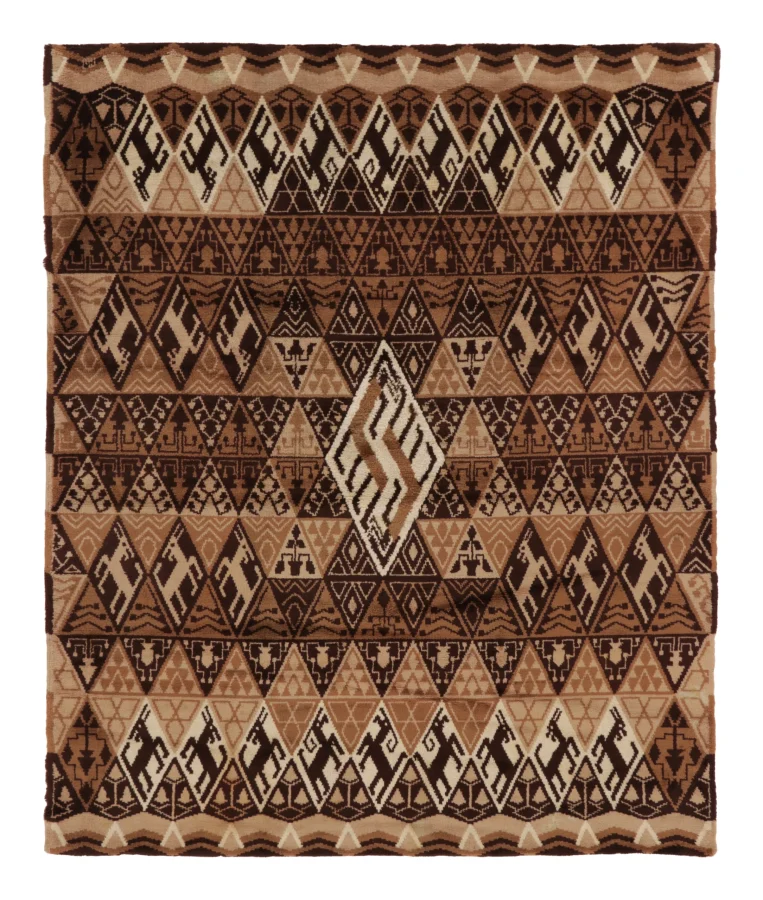
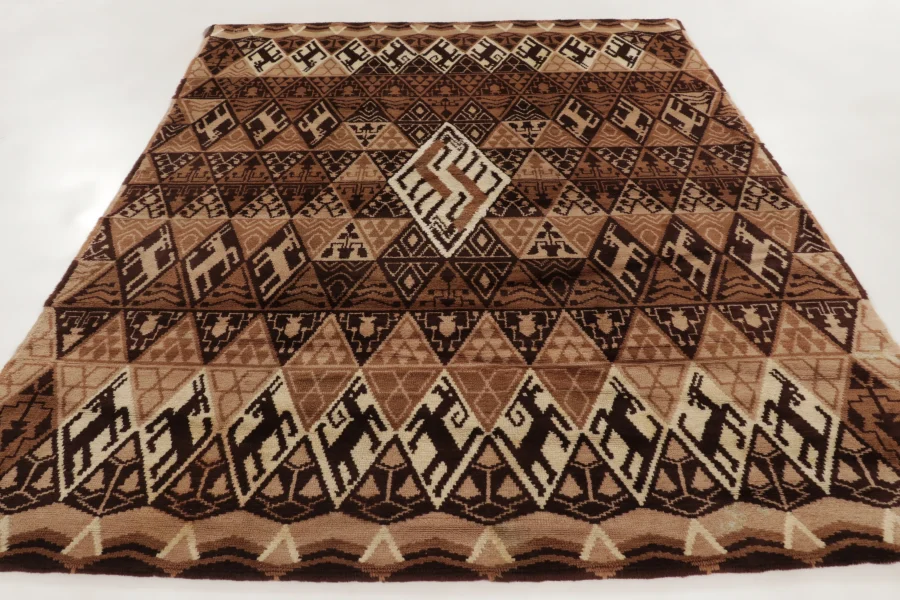 37443Vintage French Rug in Brown with Stylized Geometric Pictorials - Rug & Kilim
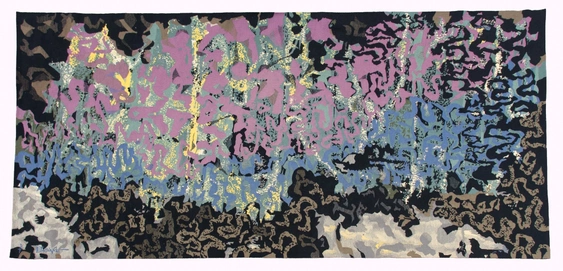 38072Signed Vintage “Daphnis” Tapestry by Mathieu Matégot in Black & Colorful Hues - Rug & Kilim
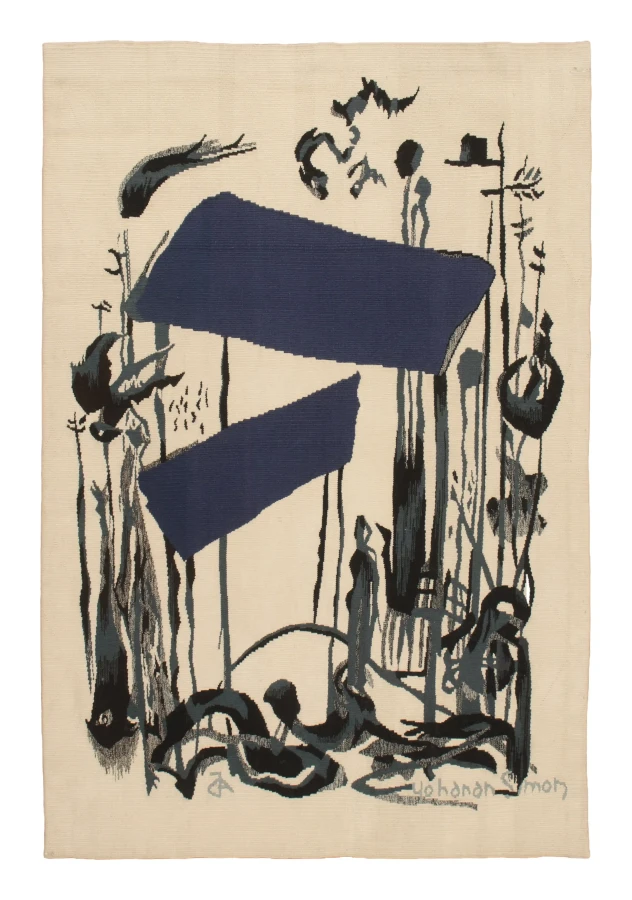
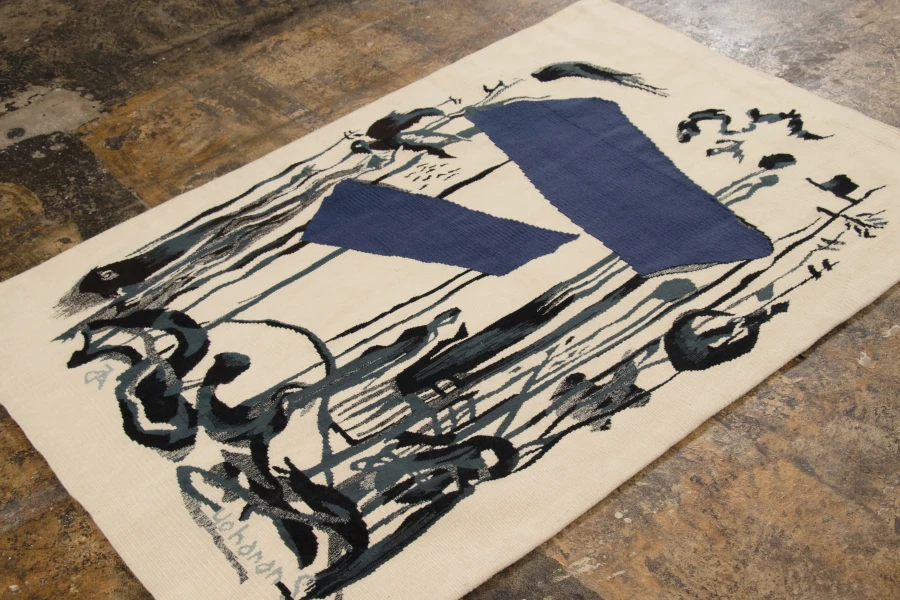 38068Signed Vintage “Chupa” Tapestry by Yohanan Simon in Blue & Beige - Rug & Kilim
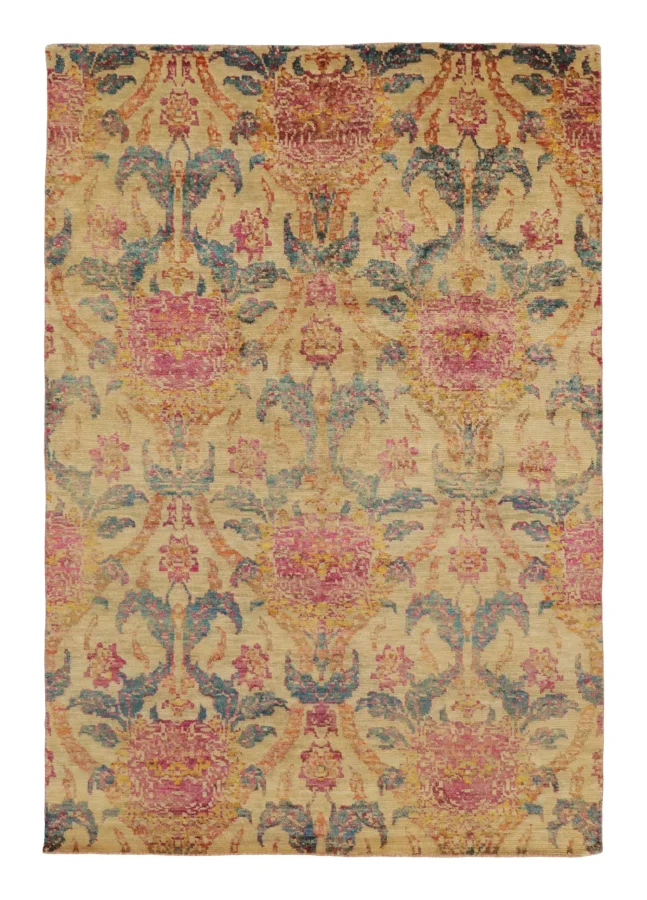
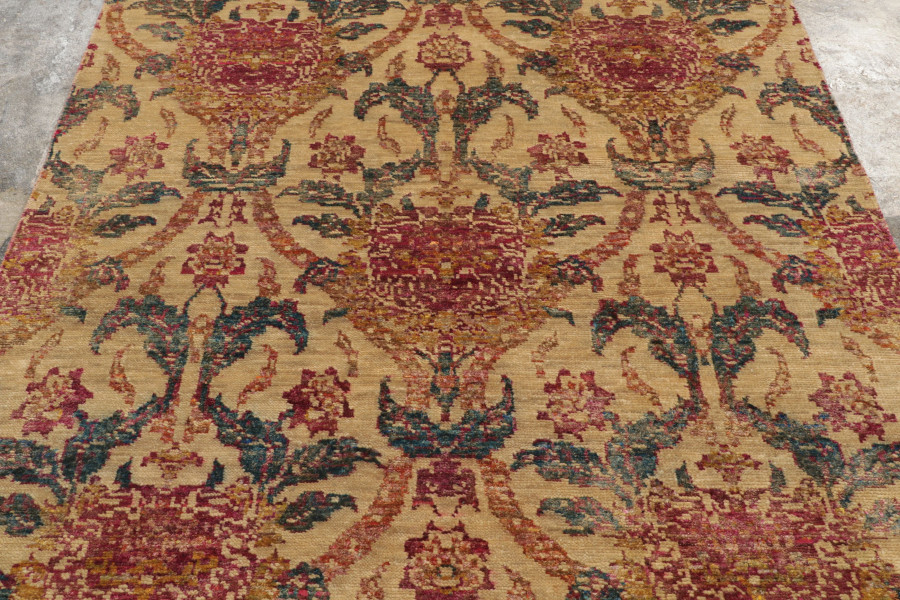 36318Rug & Kilim’s Contemporary Rug with Transitional Floral Designs
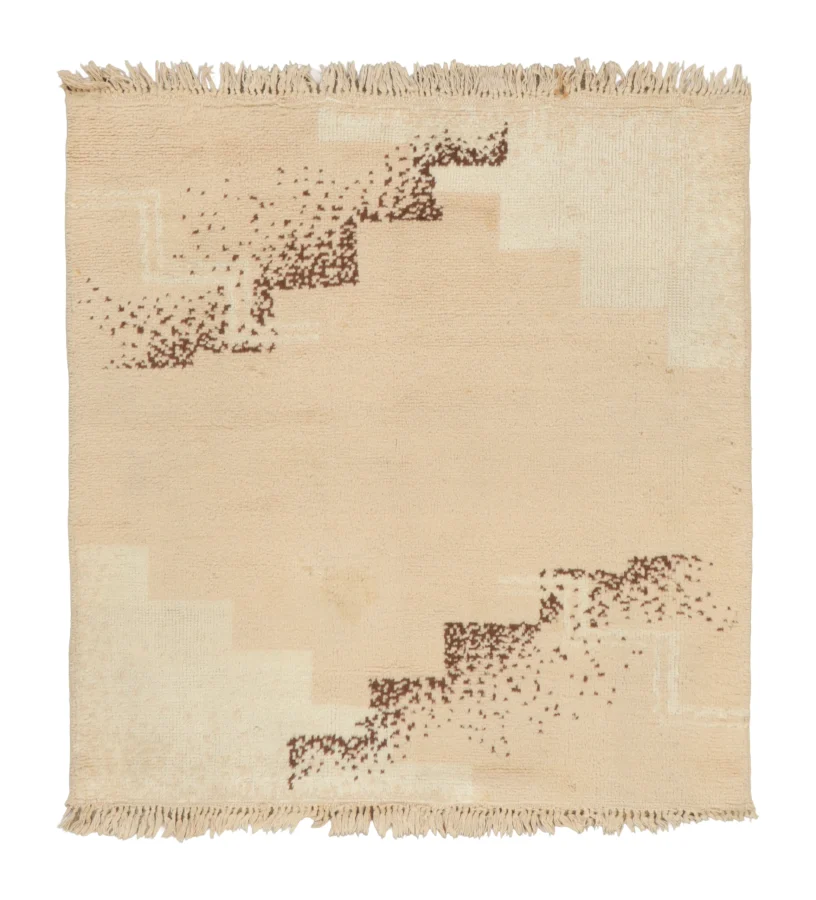
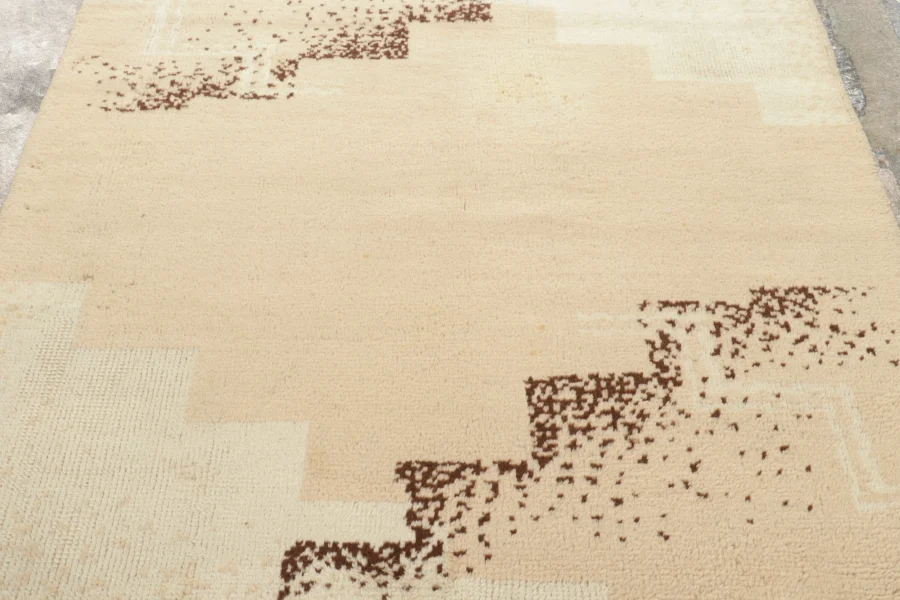 37436Antique French Rug with Stepped Motifs in Beige & Brown - Rug & Kilim
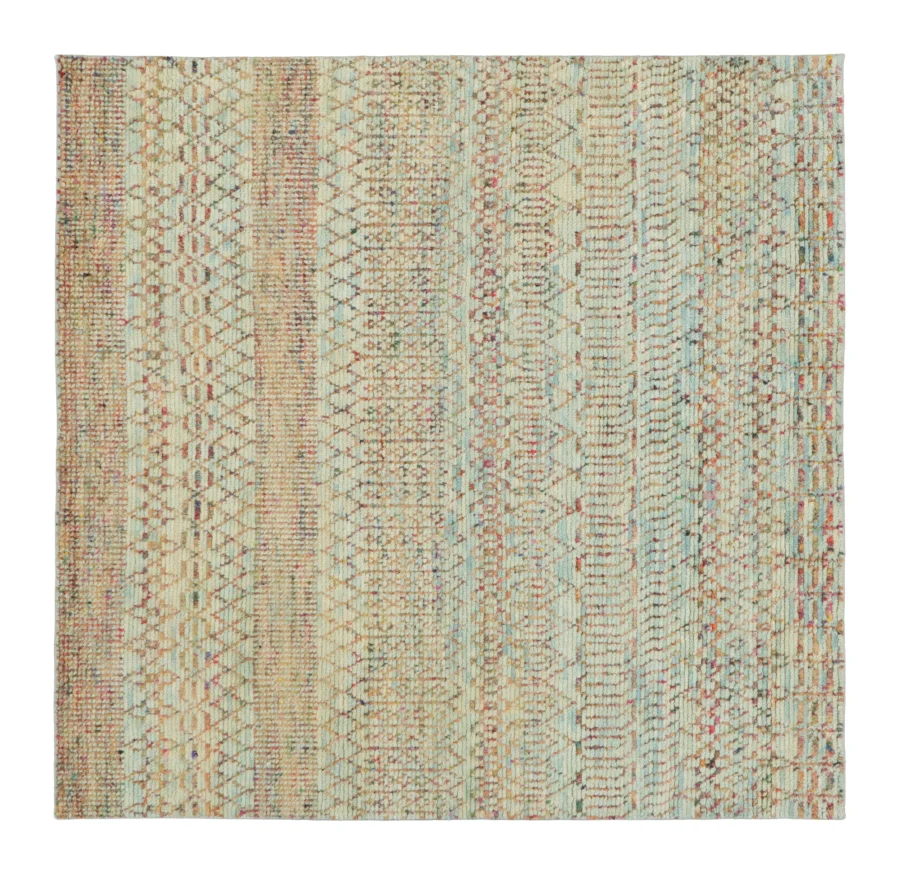
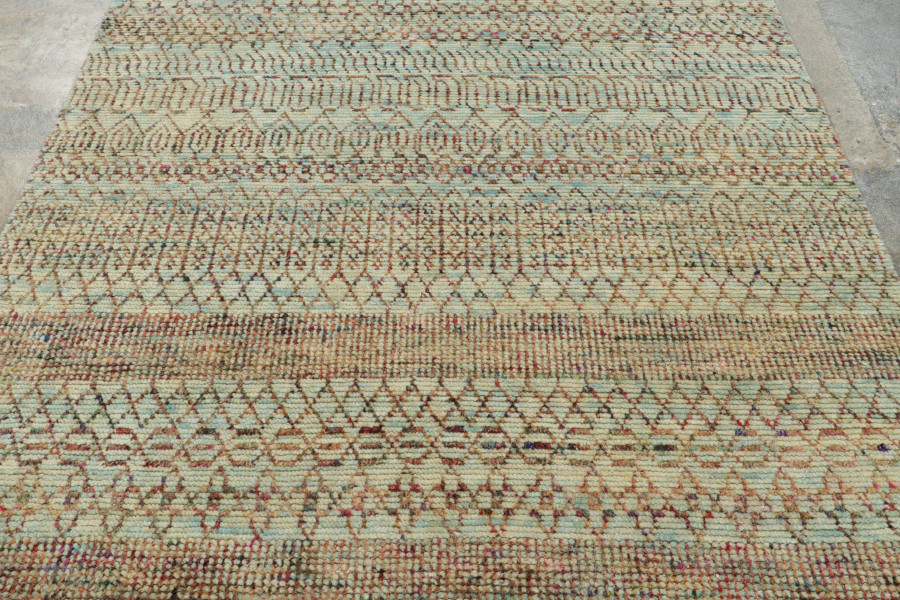 36316Rug & Kilim’s Contemporary Square Rug with Traditional Geometry in Multicolor
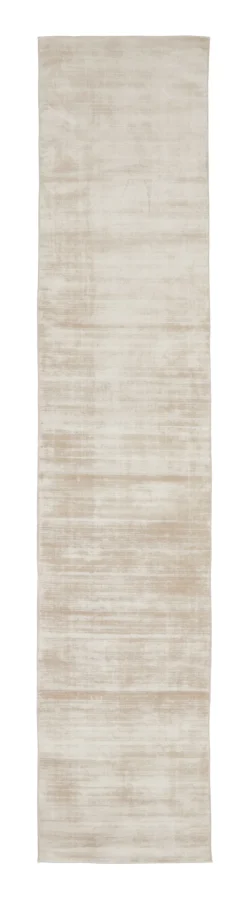
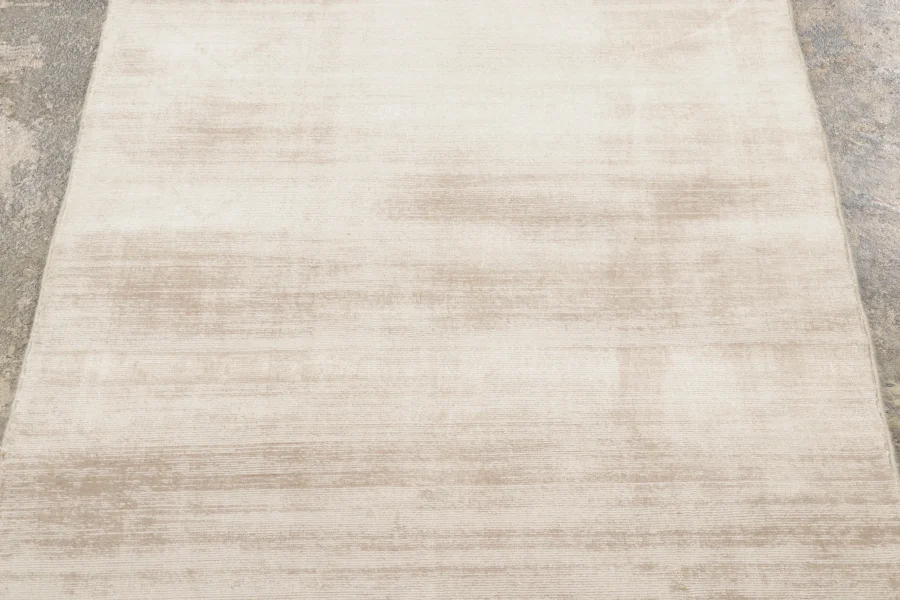 37161Rug & Kilim's Contemporary Distressed Extra Long Textural Runner in Soft Beige
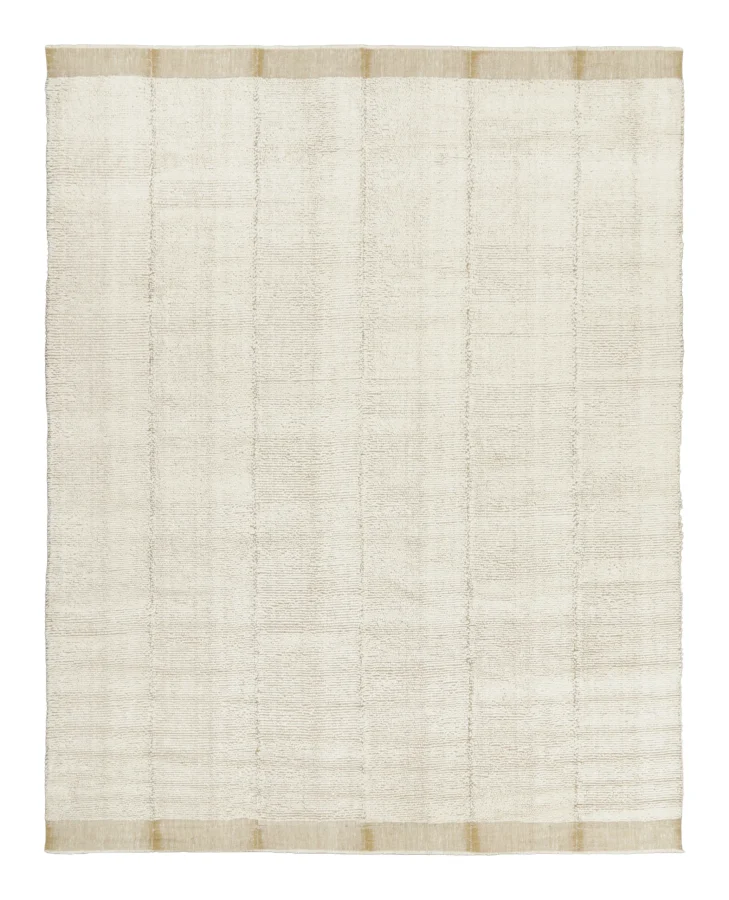
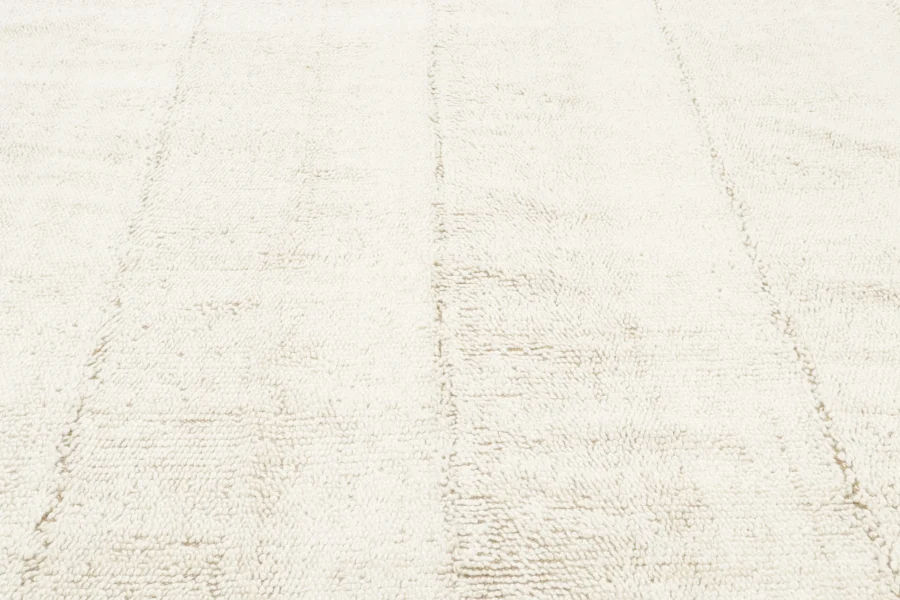 37954Oversized Contemporary Boucle Rug with Linear Stripes in Beige - Rug & Kilim
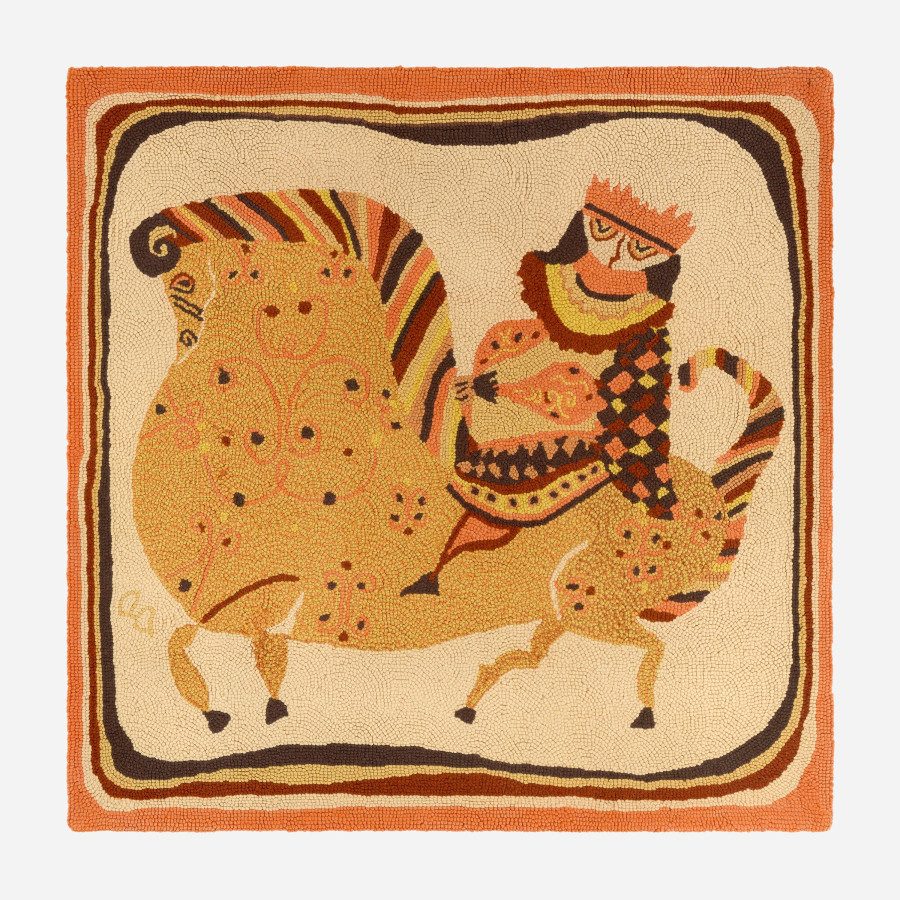 38063Vintage Hooked Evelyn Ackerman Square Tapestry with Equestrian Pictorials - Rug & Kilim
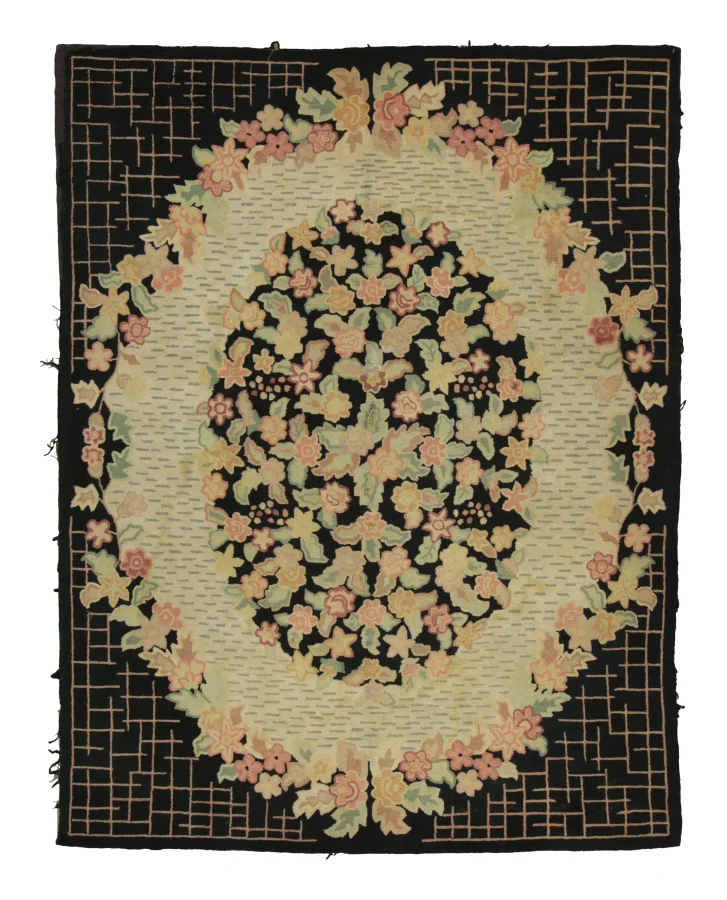
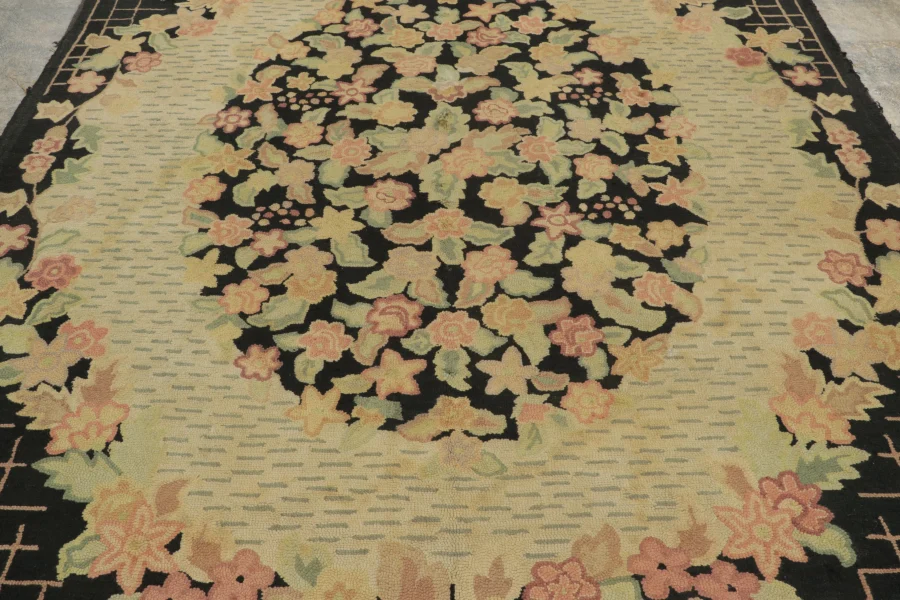 37542Antique American Hooked Rug with Oval Floral Medallion Design - Rug & Kilim
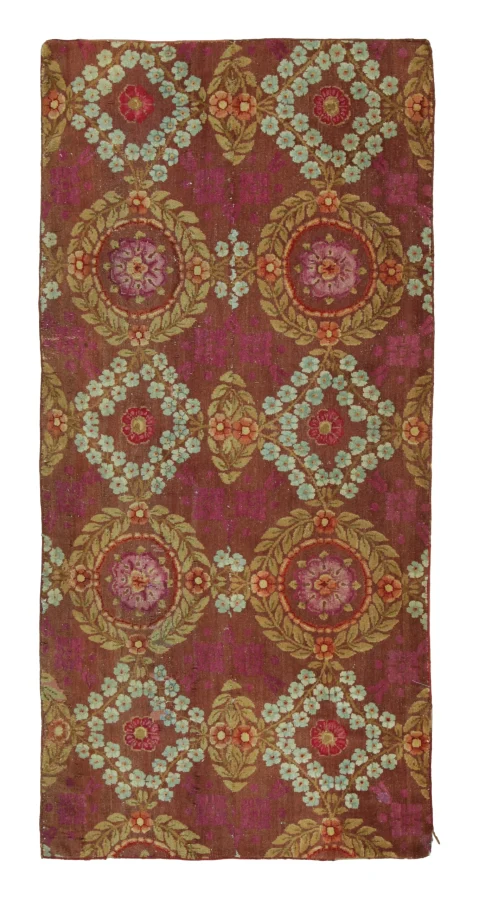
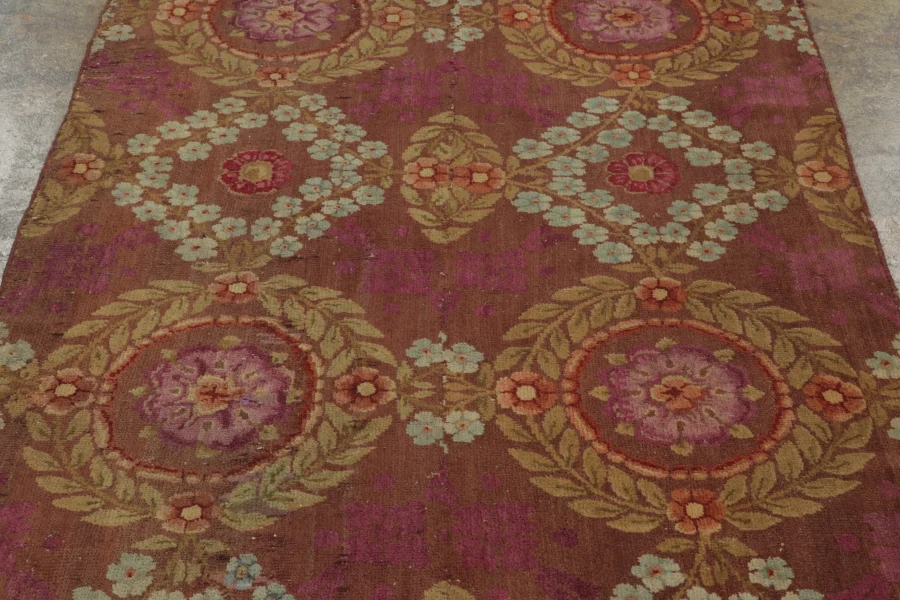 37390Antique 18th Century Savonnerie Runner with Floral Medallions - Rug & Kilim
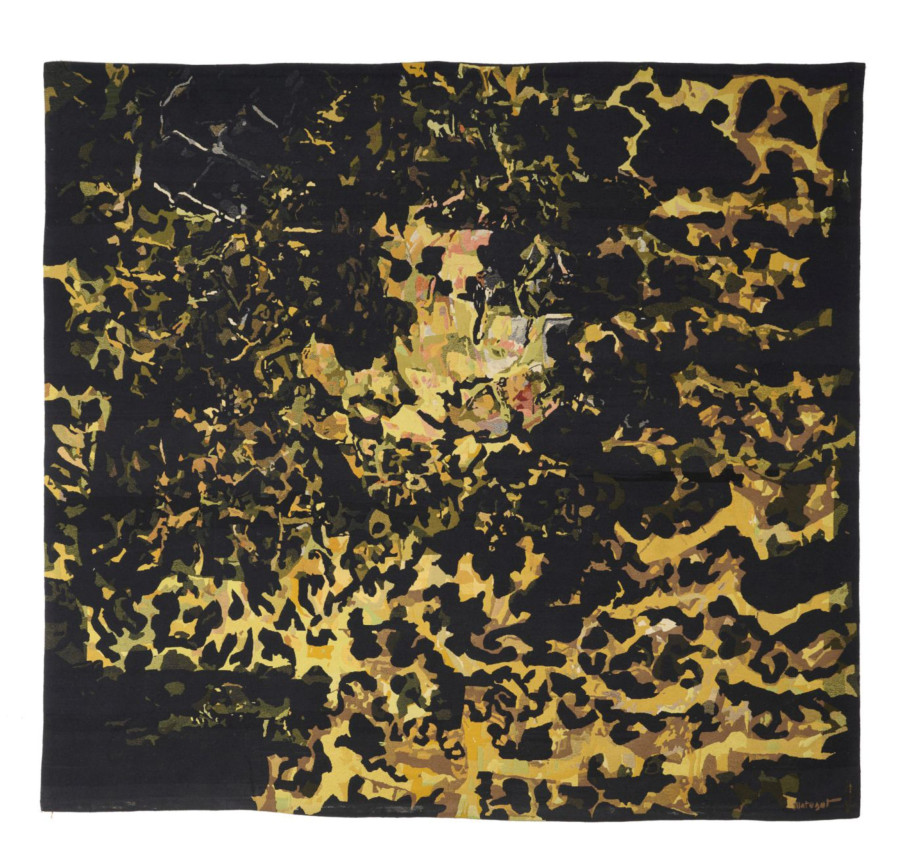 37962Signed Vintage Portuguese "Caravelle" Tapestry in Black & Gold by Mathieu Matégot - Rug & Kilim
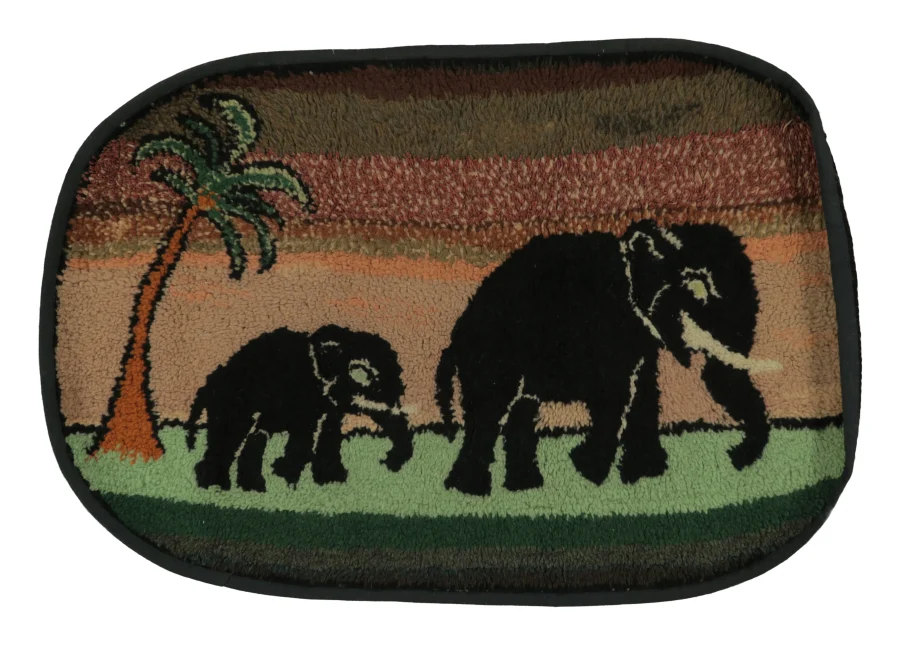
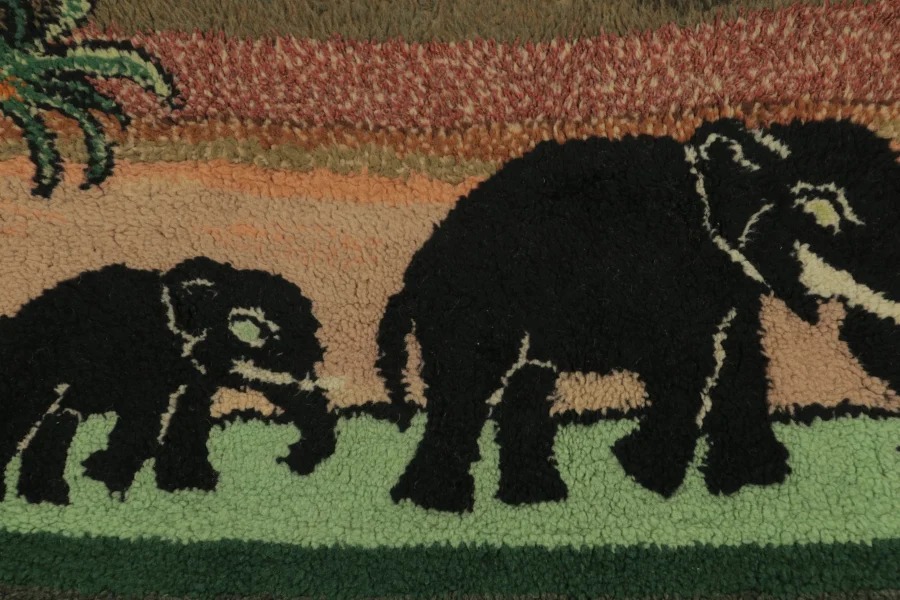 37601Antique Gift Sized Hooked Rug with Elephants & Tree Pictorials - Rug & Kilim
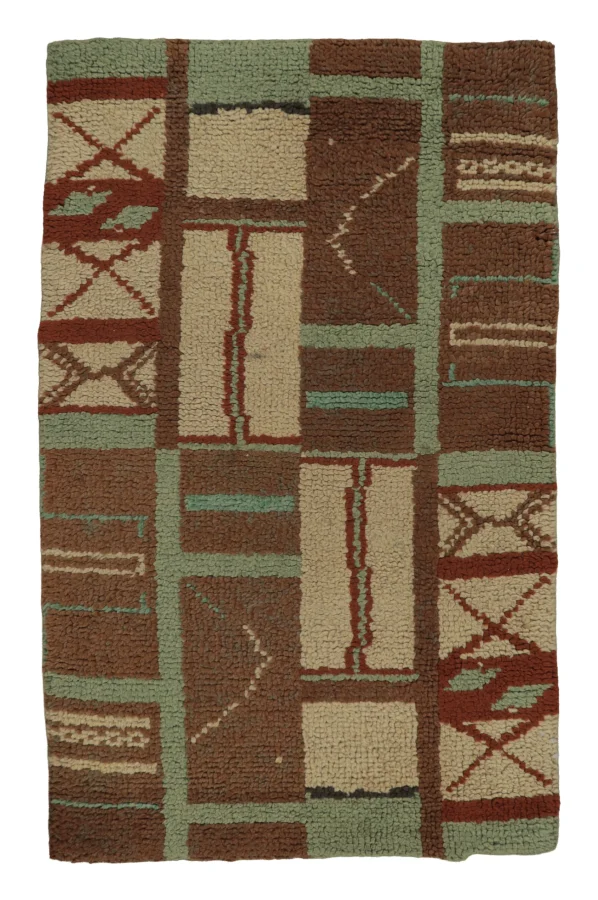
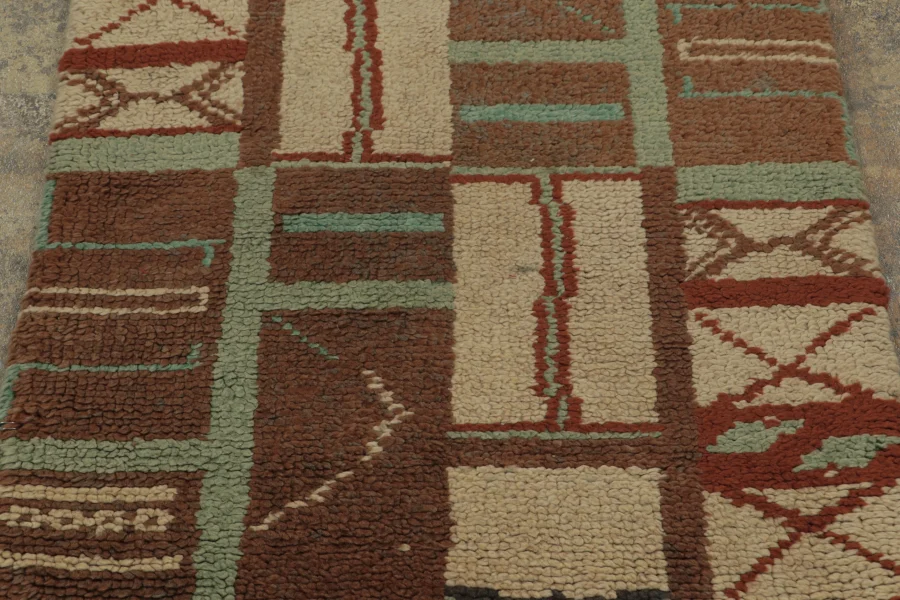 37572Antique Hooked Runner with Geometric Design in Brown & Green - Rug & Kilim
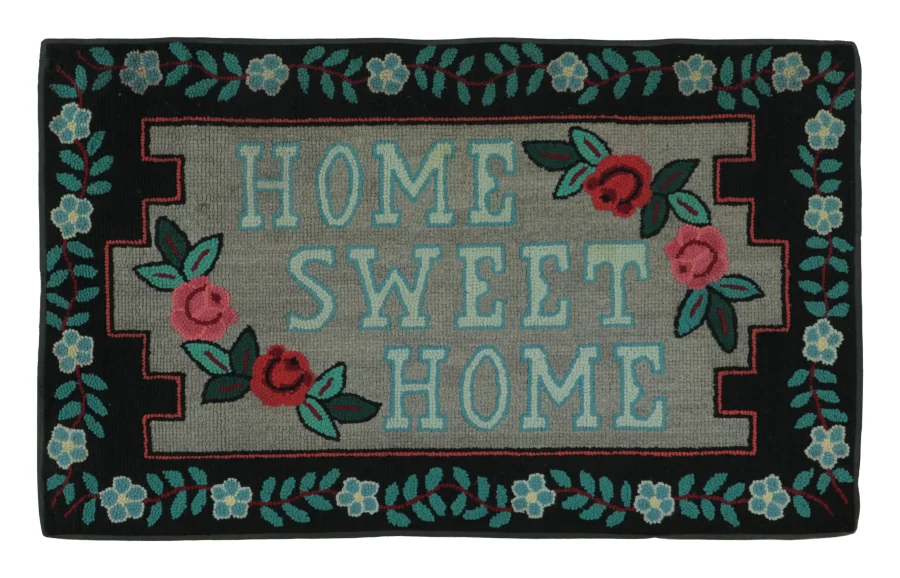
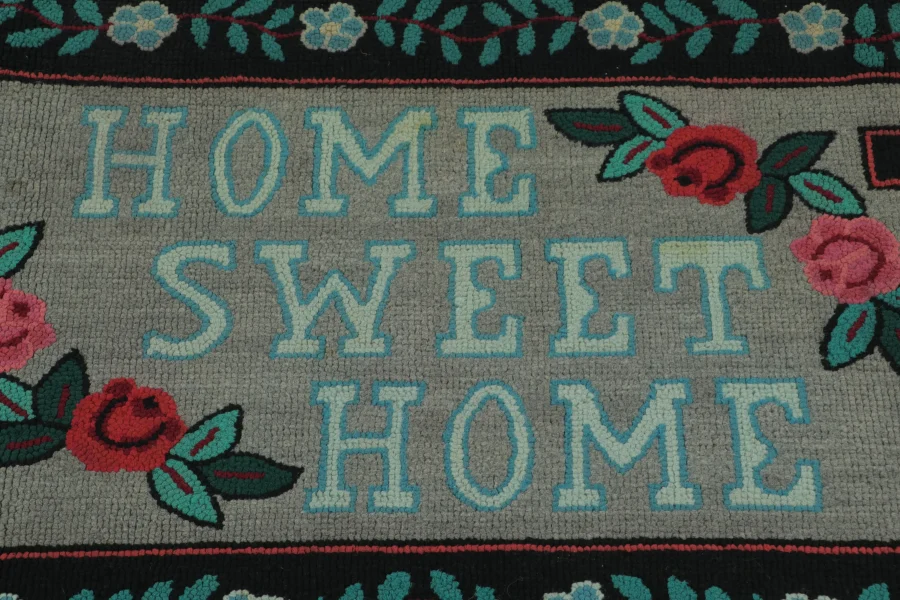 37575Antique Hooked Rug with “Home Sweet Home” Quote & Flowers - Rug & Kilim
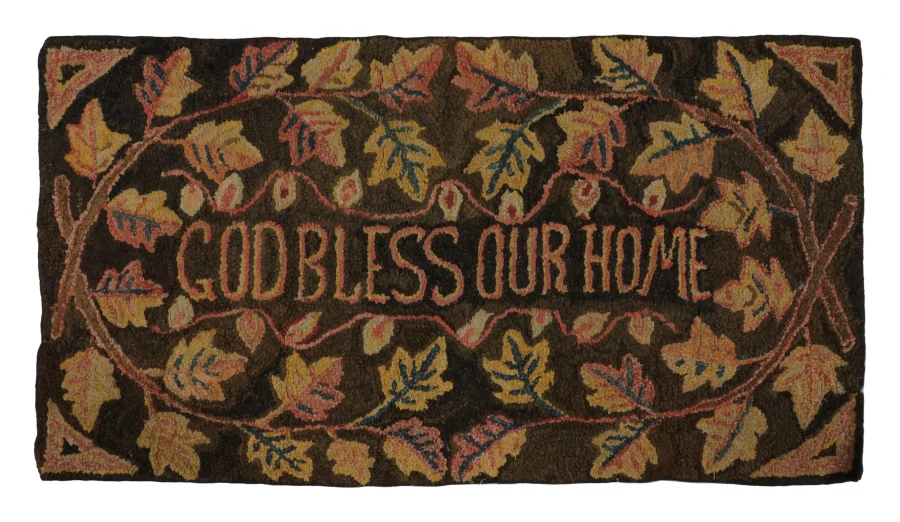
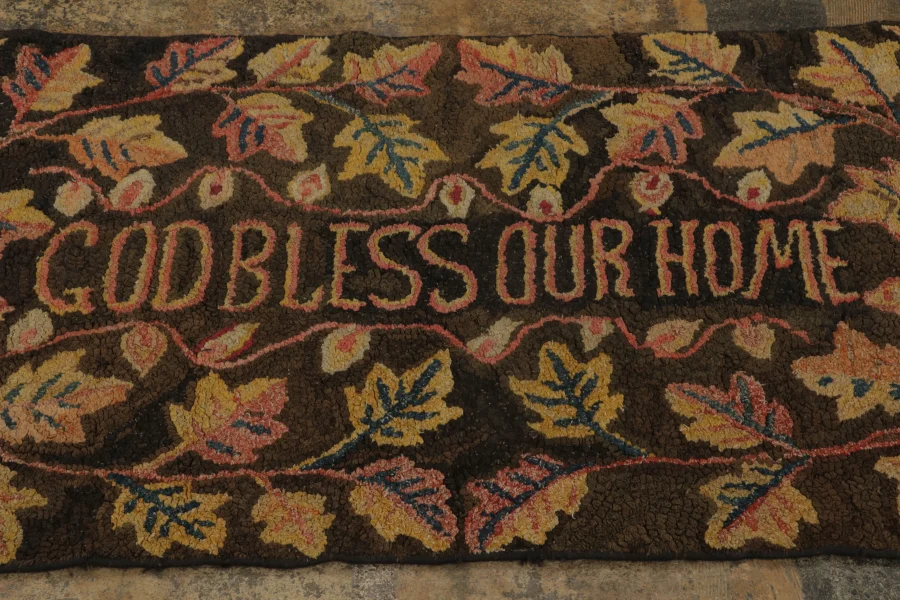 37585Antique Hooked Runner with “God Bless Our Home” Quote in Beige & Brown - Rug & Kilim
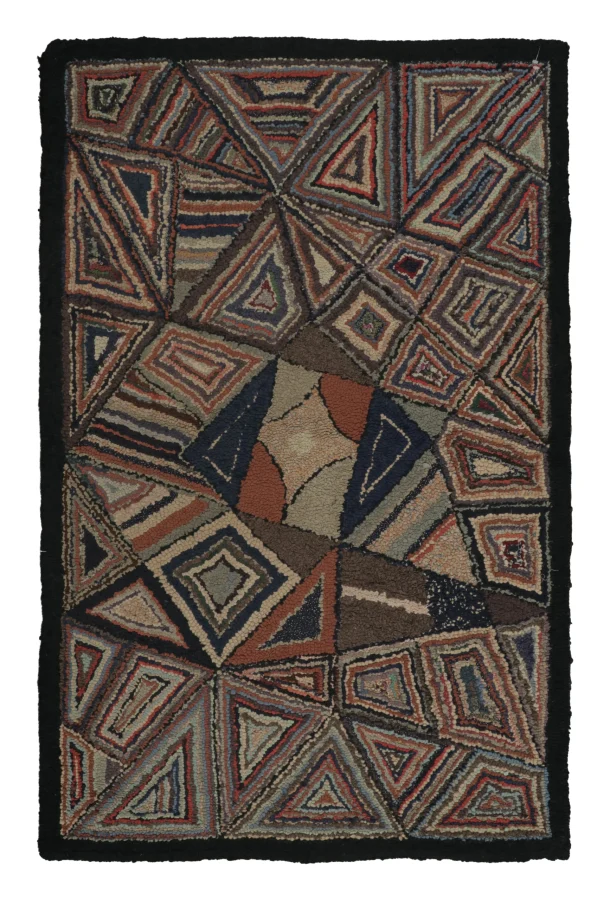
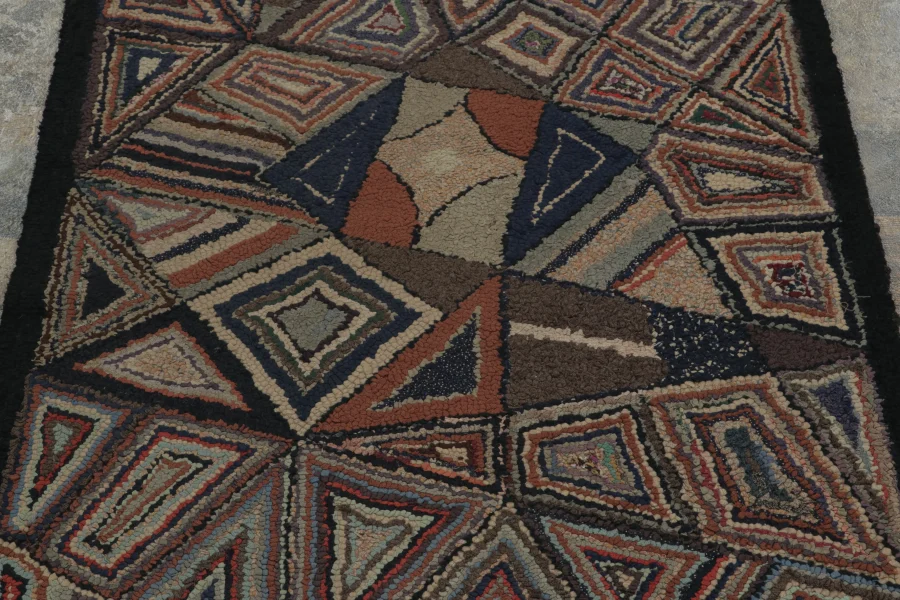 37597Antique Hooked Rug with Multicolor Geometric Mosaic Design - Rug & Kilim
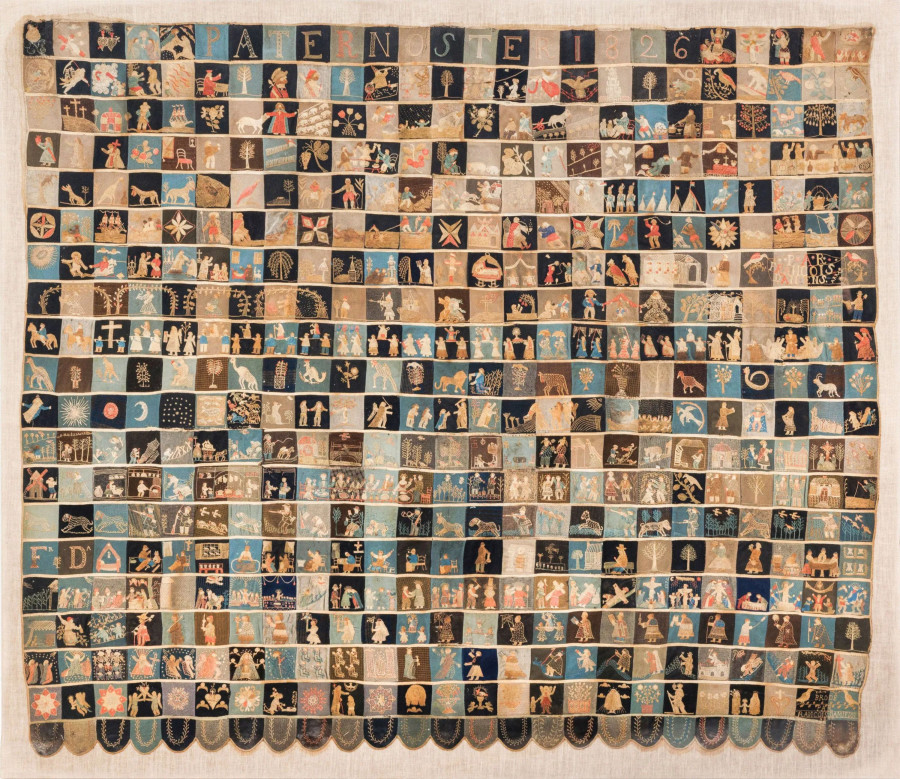
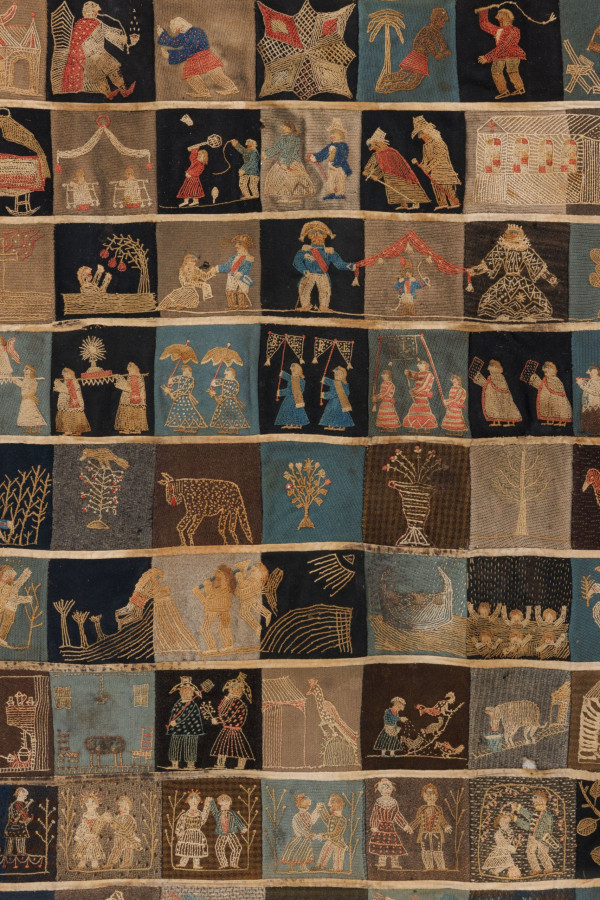 37875Antique Signed 19th Century Pater Noster Needlework Embroidery by François Damiens - Rug & Kilim
Stories from the Tapestry Archive
Essays, artist dialogues, and provenance notes drawn from Rug & Kilim’s editorial desk.
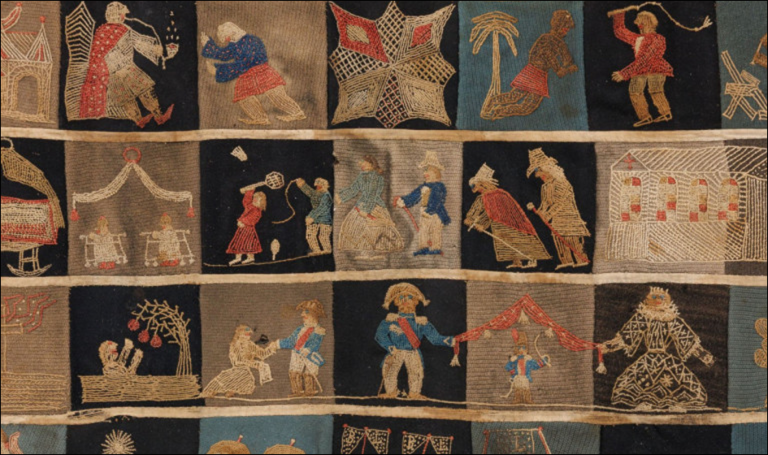
Tapestry of the Week: François Damiens, 475 Panels, and the Whole of a World in Pater Noster Embroidery of Arras
Some objects you appraise. This one you simply stand before, for a long time, and let it undo your sense of what a single human being can do. Hand-worked in wool and natural silk in Arras, France, in 1826, and signed four times over by its maker, the Pater Noster embroidery of François Damiens is composed of four hundred and seventy-five individual pictorial panels, each one a tiny woven scene, arranged in a vast grid that reads, from across a room, like the pixelated memory of an entire world. Biblical narratives. Processions. The labours of the seasons. Animals, trees, houses, saints, ordinary people doing ordinary things. Four hundred and seventy-five times, one small square at a time, a man sat down and embroidered a fragment of everything he knew.
Read the Feature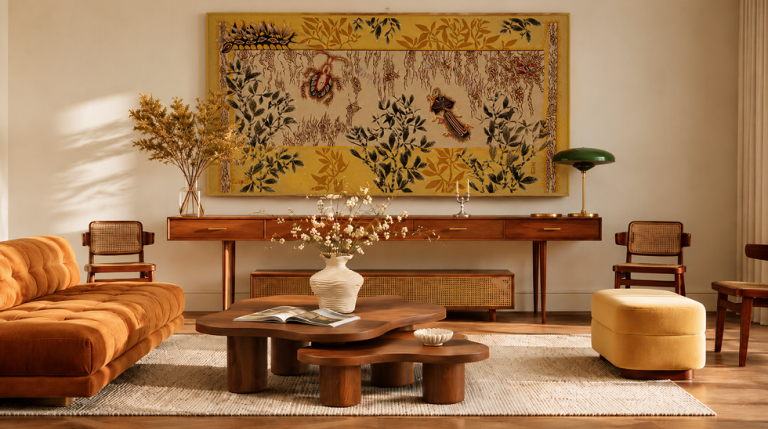
Signatures, Editions, and the Bolduc on Modern and Rare Tapestries: The Mark of the Masters and Artists
There is a particular pleasure, known to every serious collector, in turning an object over. The front of a great tapestry or carpet is what seduces; the back, and the edges, are what tell the truth. And on the finest modern tapestries, that truth is written in a specific and often misunderstood language, a language of signatures, edition numbers, and a small woven label the French call the bolduc. To read it fluently is to hold the difference between a decorative object and a documented work of art. It is the same literacy that governs the print room and the rare book library, where a collector learns to read a plate mark, a watermark, a colophon. The modern tapestry, elevated to the status of fine art by Jean Lurçat and his circle in the mid-twentieth century, borrowed the apparatus of the fine art edition precisely because it wished to be understood as fine art. To understand the apparatus is to understand the ambition.
Read the Feature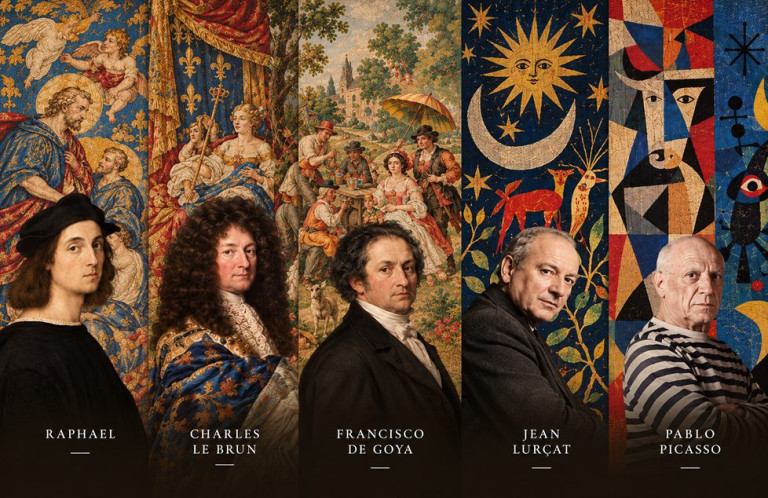
The Artists Behind European Tapestry: A Guide to the Names Worth Knowing
There is a persistent misconception about tapestry, and it is worth correcting at the outset: that the weaving is the whole of the art. It is not. Behind every great European tapestry stands an artist, the author of the design from which the weavers worked, and the history of the medium is in large part the history of these figures. To collect tapestry seriously, or simply to understand it well, is to know their names. What follows is a guide to the artists who matter most, arranged as the tradition itself unfolded, from the royal workshops of the old regime to the modern revival that made tapestry, once again, one of the most ambitious art forms in the world.
Read the Feature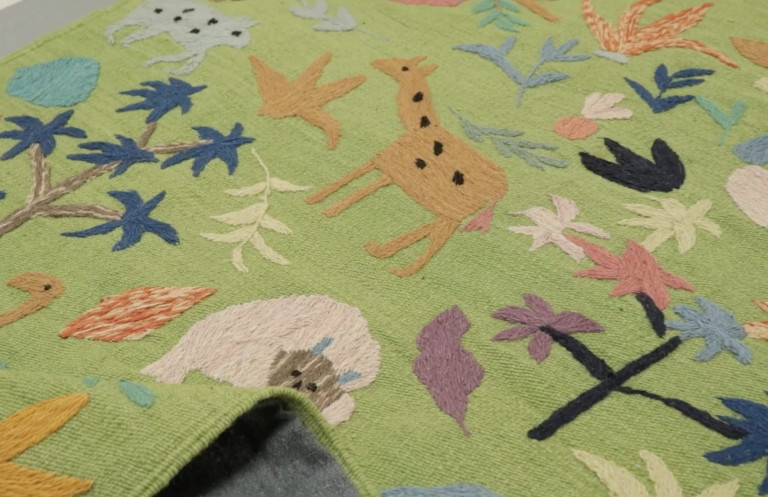
The Long Life of a Green: On Celery, Color of the Year, and the Four Centuries of Weaving That Anticipated It
Every year, the color world makes its pronouncement, and every year the design world turns to see what it has been given. For 2027, Sherwin-Williams has named Celery; a light, airy, herbal green with a yellow undertone, chosen, in the company's words, for a moment that prizes wellness, balance, and connection. It is a soft color with a quiet glow and a faint edge; it pairs, its makers note, with white for something breezy, with cranberry red for something playful, with brown for something elevated. It is, by any measure, a beautiful and intelligent choice. It is also a color the great weavers of the world have understood for four hundred years.
Read the Feature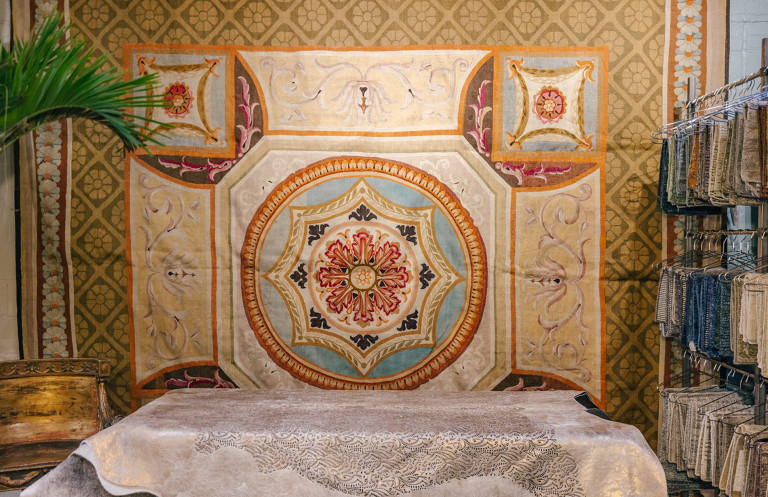
Provenance, Structure, Intelligibility: The Three Pillars of Serious Collecting
Anyone can acquire a rug. To collect one, to bring it into a serious collection with the confidence that it belongs there, requires a discipline, and that discipline rests on three questions. Across four decades of building one of the most significant archives in the country, this house has come to evaluate every object through the same three. They are the difference between buying and collecting, and they are worth setting down plainly, because they apply as readily to a Safavid fragment as to a signed Aubusson, and because they are the same three questions, at bottom, that a curator at the Metropolitan or a specialist at Christie's brings to any object of consequence.
Read the Feature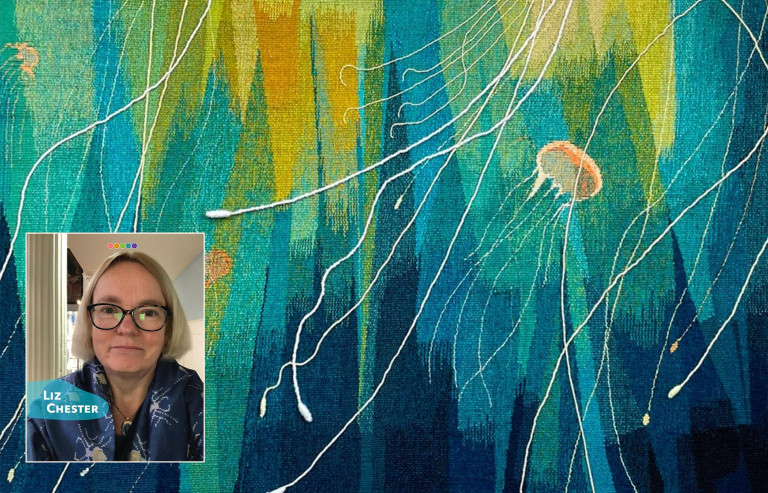
Rug & Kilim’s Tapestry Artists’ Series: In Dialogue with Elizabeth Chester
There is a particular kind of looking that a great tapestry demands, slower than painting, more physical than sculpture, closer to reading than to seeing. The eye must travel. It must follow the thread, understand the structure, and then, having understood it, surrender to the illusion that the structure has been designed to create. The greatest European tapestries have always operated this way: technically transparent to the scholar and visually overwhelming to everyone else simultaneously. It is the most demanding of the textile arts, and the one that rewards sustained attention most completely.
Read the Feature