
A Guide to Layering Rugs in Modern Interior Design
December 6, 2024
A Guide to Contemporary Cowhide Fur Rugs
December 19, 2024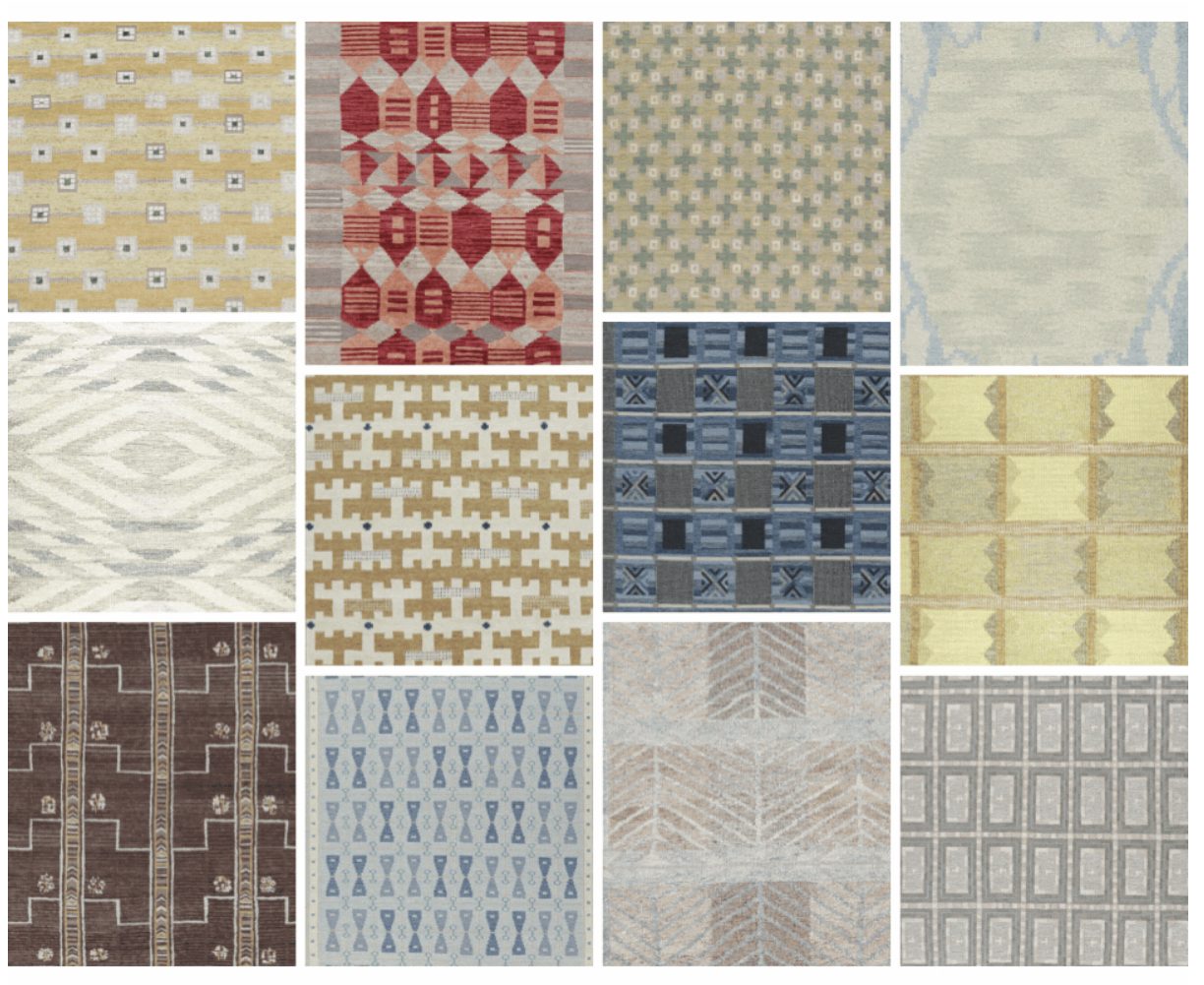
Scandinavian Rugs and Tapestries
Scandinavian rugs and tapestries have been a part of the region’s culture as early as the 12h century, evolving in form and function over time. Swedish rugs have been historically influenced from the themes and patterns of the Eastern world, especially during the tenure of the Ottoman Empire, given their entry into Sweden since the Middle Ages, through trade routes.
Swedish rugs eventually became Internationally-acclaimed given their Oriental influence coupled with Scandinavian folk traditional representations.
Weaving has long been integral to this region, also corroborated by the Swedish queen Hedvig Eleonora’s support of the weavers in 1696, when she ordered napkins and tablecloths from weavers in Stockholm, which assured those weavers of financial support. Followed by the construction of the first Swedish weaving loom in 1832 by Johan Theofron Munktell, Swedish hand-weaving and tapestry weaving were reconstructed to find a market within urban buyers and traders, by the women weaving group called ‘Friends of Handicraft’ founded in 1874.
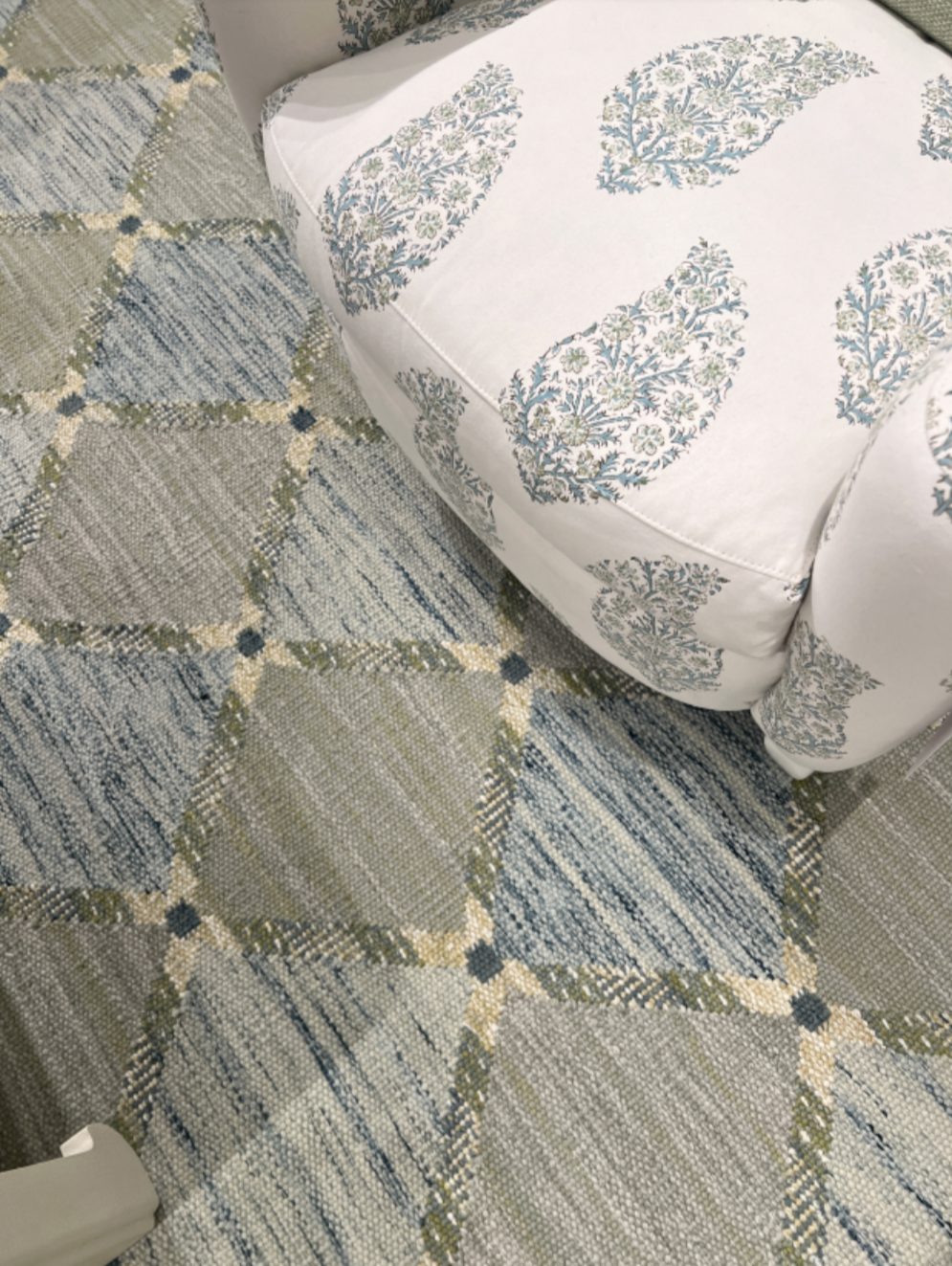
What we’re seeing is a complete reimagining of how these textiles work in contemporary spaces. A 1960s rya with its deep pile and modernist patterns adds exactly the kind of sculptural element that today’s interiors are craving.
The beauty of Swedish weaves lies in their ability to anchor both minimalist and maximalist rooms.
A rollakan’s geometric patterns can define a space without overwhelming it.
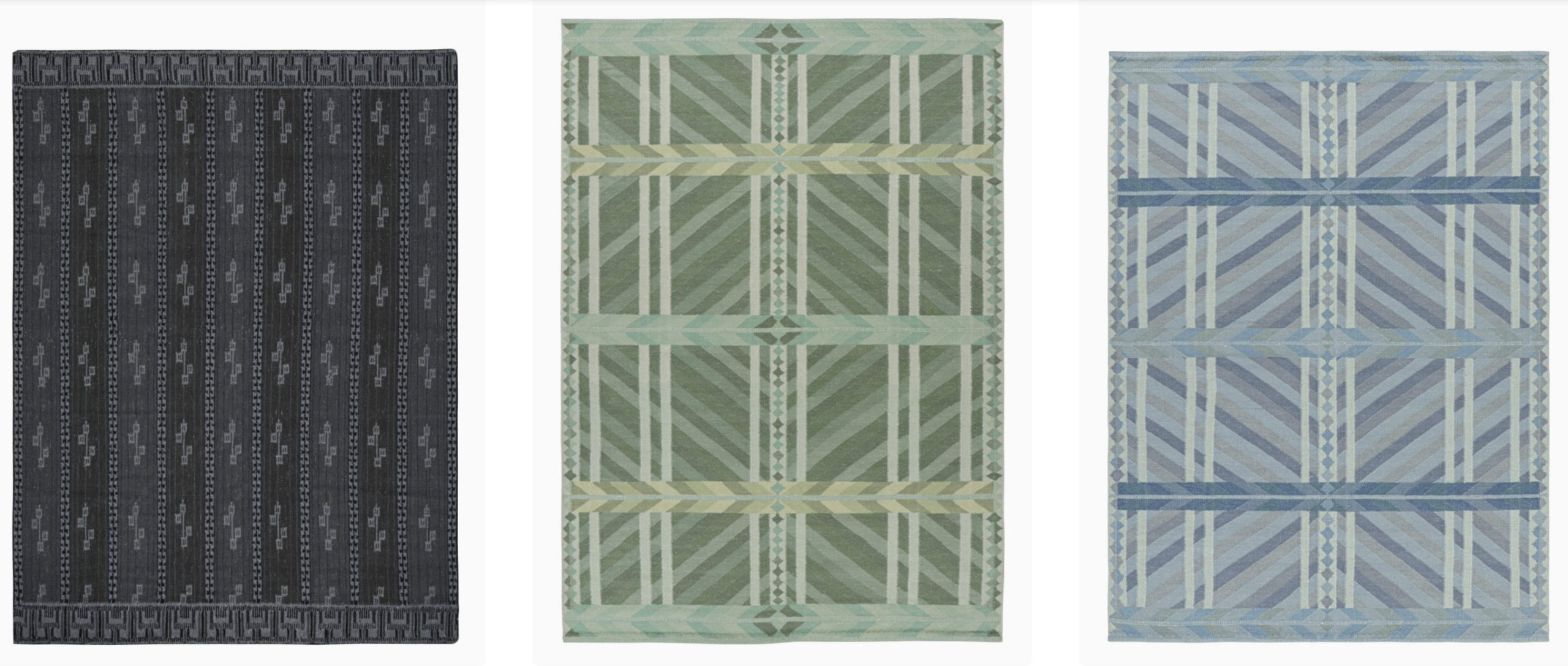
Rollakan and Rya techniques
Rollakan and Rya rugs have long been a part of Swedish culture, originally made from natural fibers, used as protective cloaks by seafarers historically. Eventually, the utilitarian purpose of these rugs gave way to decorative purpose, thus bringing Swedish rugs to the forefront. Swedish rya rugs have had different purposes, ranging from family heirlooms to dowry rugs. This tradition, which witnessed a custom wherein the bride and groom would kneel on the dowry rug, keeping decorative Swedish rya rugs at the center of Scandinavian culture and society.
From the 17th century, Swedish rya and flat weave rollakan rugs became much more popular as a distinct artform, featuring geometric patterns as seen today, representations of floral and animal pictorials from the Scandinavian folk traditions. Another distinguished art form as a product of another Swedish folk weaving technique, was the rag rug which found its ground in the mid-1800s.
The rya technique, known as “rya” in Sweden and “ryijy” in Finland, originated as a practical bed covering, with its characteristic long pile providing essential warmth during harsh Nordic winters. What many collectors fail to appreciate is the crucial transition period of the 1920s, when rya evolved from utilitarian craft to a sophisticated art form, largely through the influence of pioneering designers like Märta Måås-Fjetterström and her atelier in Båstad.
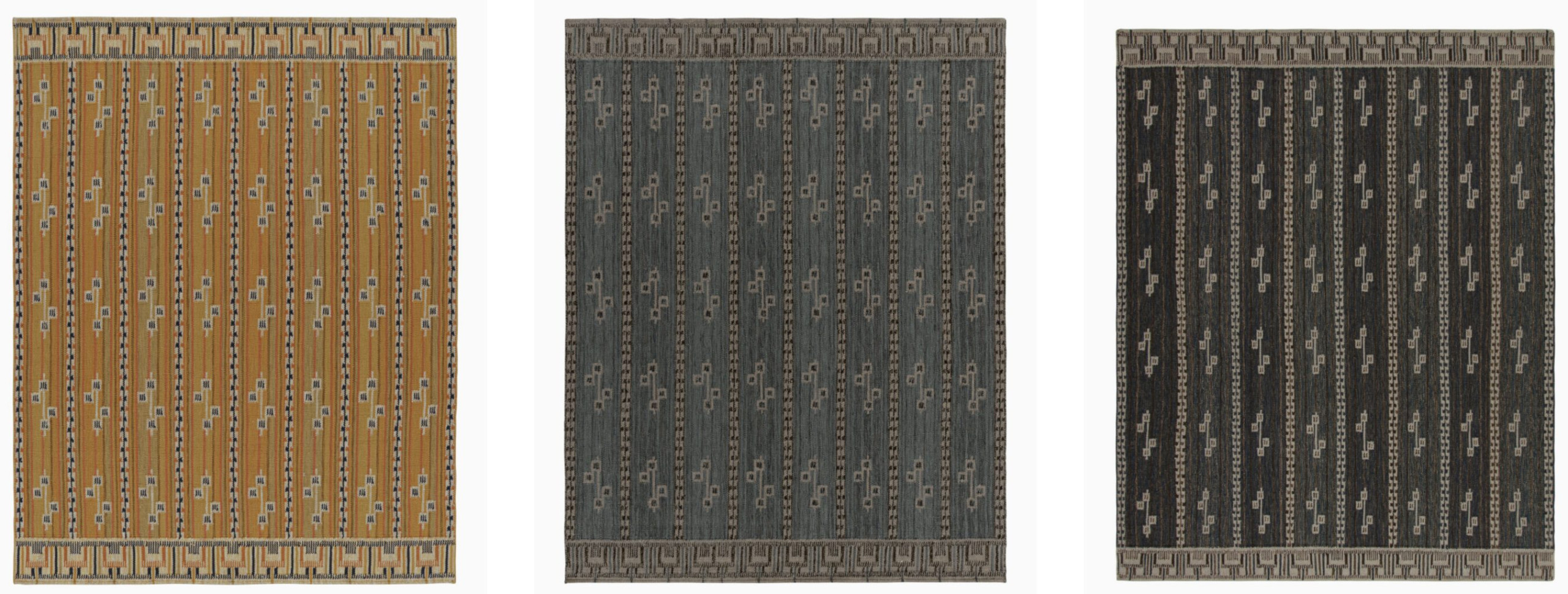
Significance of Swedish rugs
Rollakan, by contrast, represents the flat-weave tradition of Sweden. This technique produces reversible textiles through a complex interplay of warp and weft threads. The distinguishing feature of fine rollakan lies in its tight weave structure and the way colors interact to create geometric patterns. The most accomplished examples, particularly those from Skåne region, demonstrate an extraordinary command of color theory that predates modern design principles by centuries.
What’s particularly intriguing about Swedish rollakan is its historical connection to marriage traditions. The finest pieces were often created as part of a bride’s dowry, with specific motifs carrying deep social significance. The “eight-pointed star” pattern, for instance, wasn’t merely decorative – it represented protection and good fortune for the new household.
Throughout the 19th and 20th centuries, Scandinavian rugs, flatweaves, kilims and tapestries found attention of the design industry owing to their rollaken and rya rugs, area rugs and rag rugs. Swedish Deco rugs as the contemporary form that we see today, as influenced by the Modernist period, was the modern Swedish rug practice initiated by Märta Måås-Fjetterström. She was the driving force behind Scandinavian rugs reaching exhibitions, royal events and palaces, and museums.
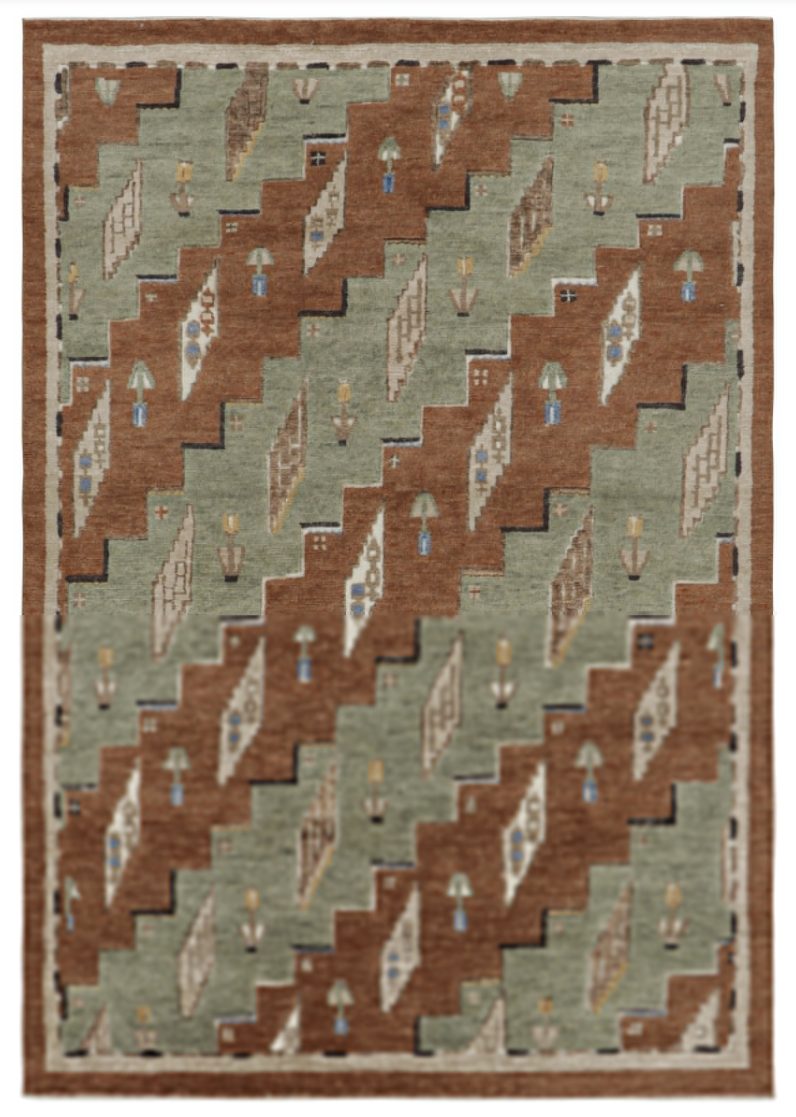
Rya shag rugs became well-known throughout the region during the 19th century, leading to the selling of traditional Swedish textile patterns being sold as kits for people to practice this traditional craft. Even if Swedish hooked rugs took over for their cheaper availability, Swedish rya rugs have witnessed a resurgence given their exceptional quality.
As the only ‘extensive collection of Swedish flatweaves’ outside the country, collected over a span of 25 years, titled “Swedish Textile Art: Traditional Marriage Weavings from Scania, the Khalili Collection” compiled by Viveka Hansen features traditional Swedish weaving practices like Flemish weave, rollakan, weft patterning, knotted-pile weaving and wool embroideries.