
A Brief Guide to Antique and Vintage Kazak Rugs
November 18, 2024
Jean Picart le Doux: The Modern Master Who Revolutionized French Tapestry
November 27, 2024As one of the most iconic design movements of the 20th century, the Bauhaus school has long been celebrated for its revolutionary approach to art, architecture, and industrial design. However, the fascinating story of one of its pioneering female faculty members often gets overlooked – Gunta Stölzl, the first and only woman to achieve the rank of Master at the legendary German institution.
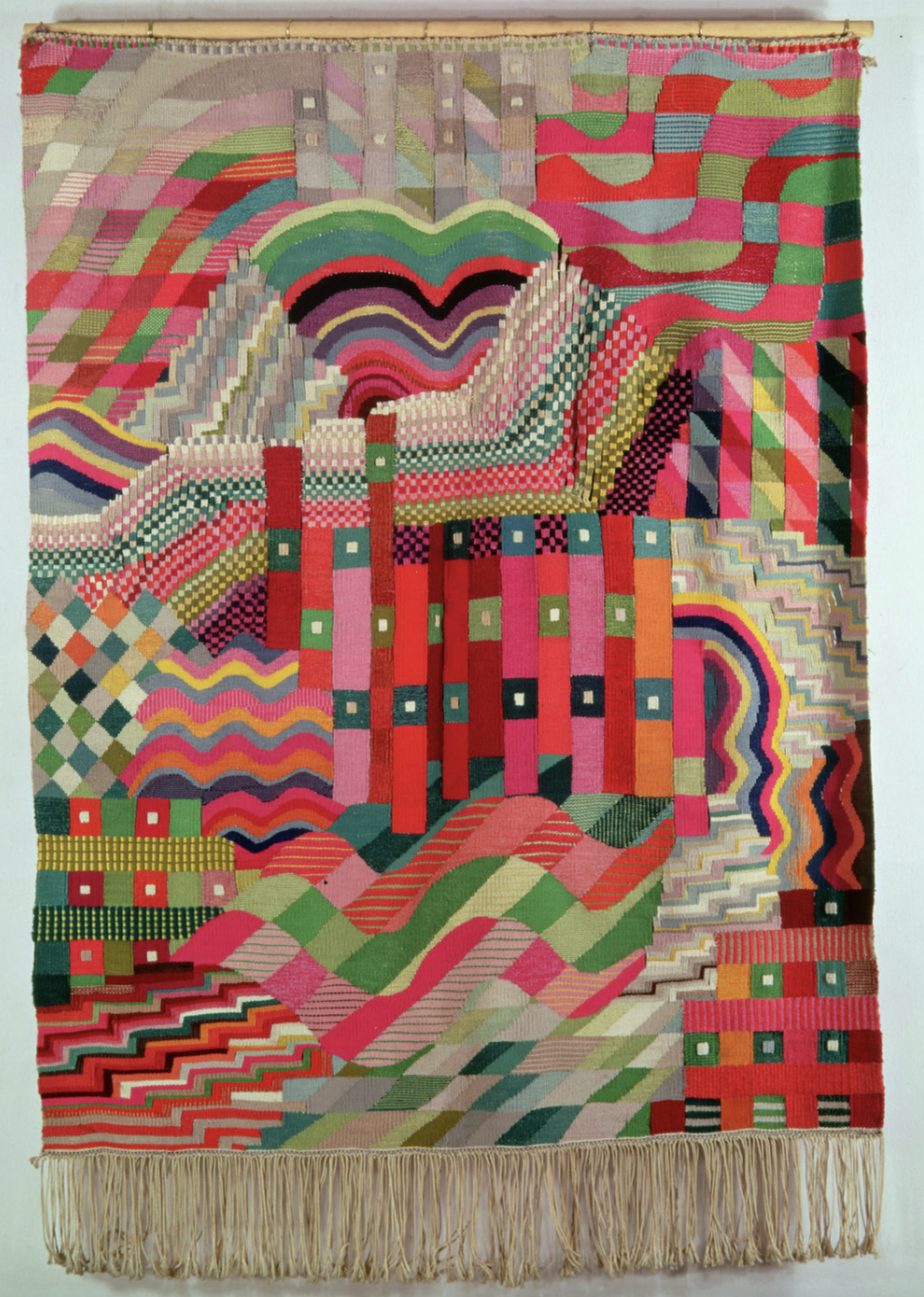
As master of the weaving workshop, Stölzl revolutionized the traditional approaches to textile design.
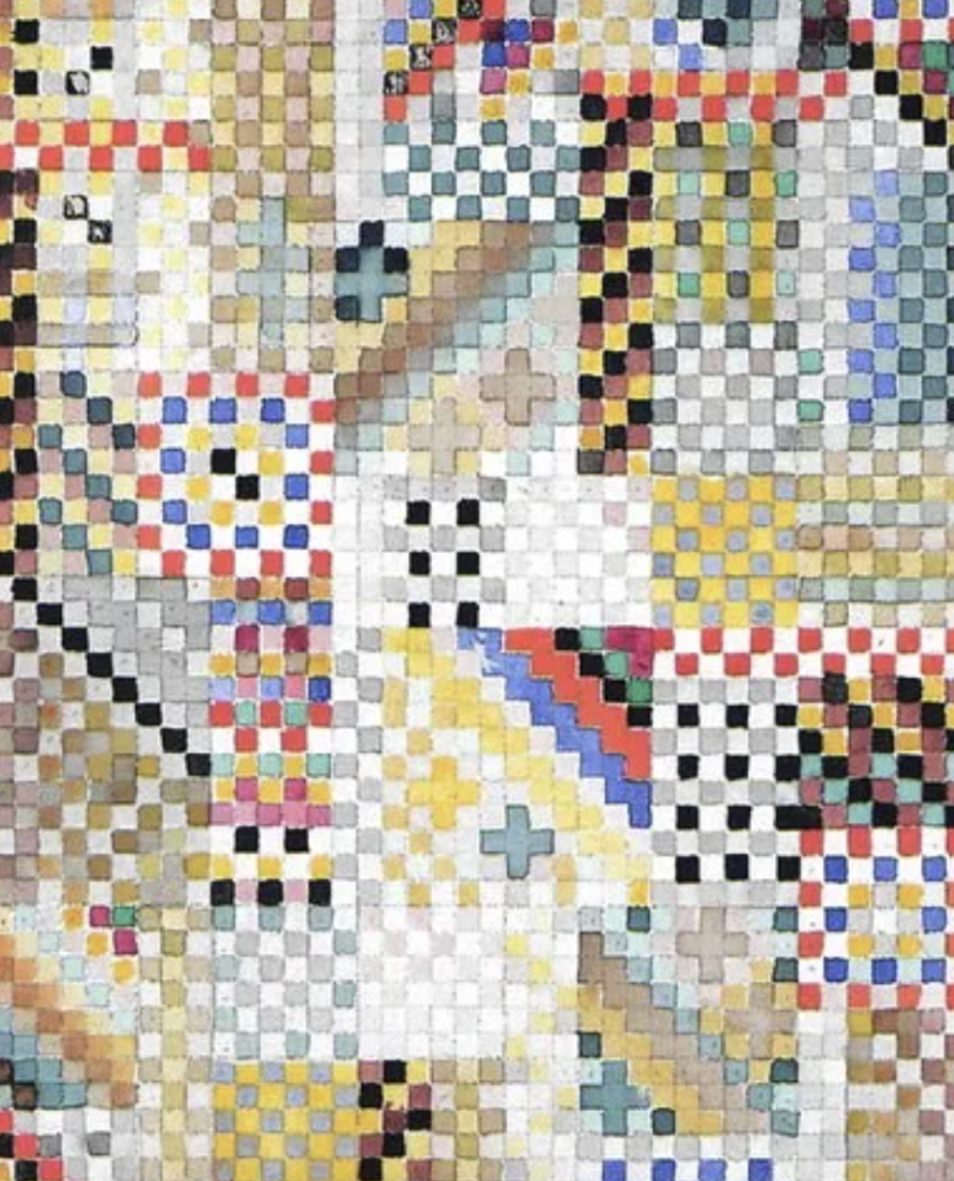
She pushed the boundaries of what was possible, experimenting with bold colors, geometric patterns, and innovative weaving techniques.
Her work embodied the Bauhaus philosophy of uniting fine art and functional design, creating textiles that were visually striking while also serving practical purposes.
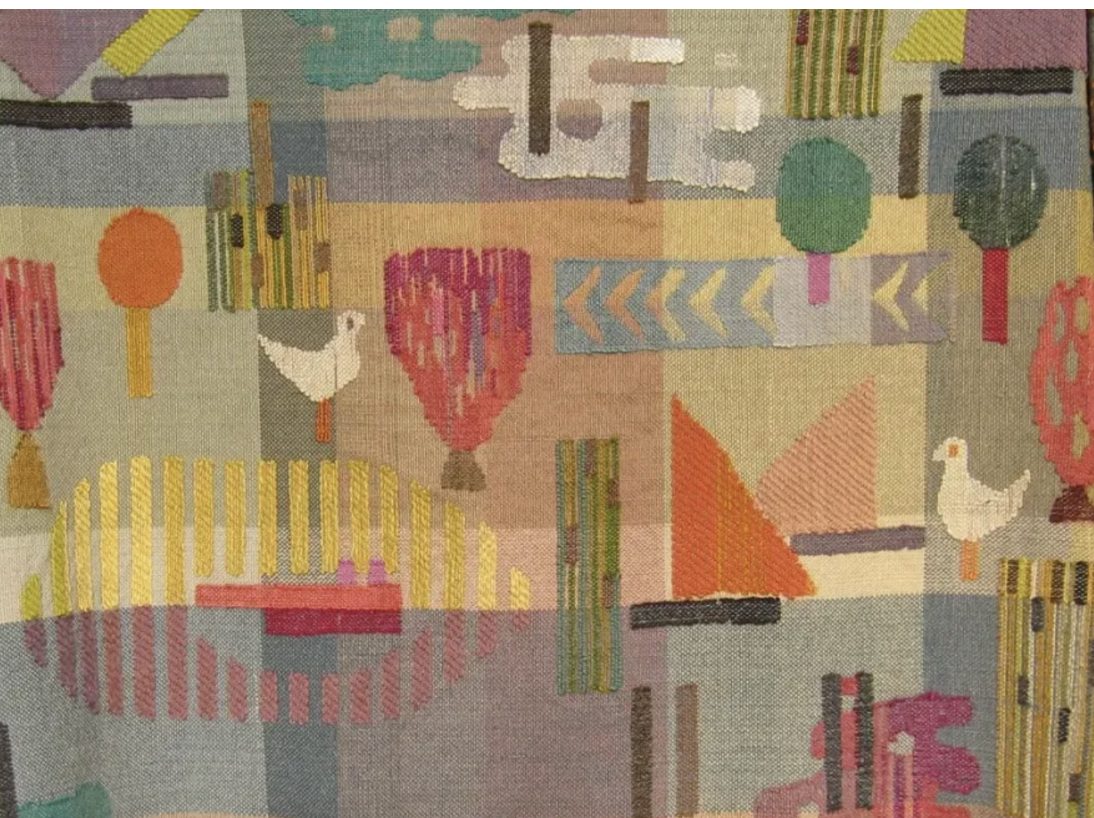
Stölzl’s creative vision extended beyond the loom, as she also designed rugs, tapestries, and other interior furnishings that became integral to the Bauhaus aesthetic. Her designs often featured clean lines, abstract motifs, and a harmonious blend of materials, reflecting the school’s emphasis on simplicity, functionality, and the marriage of form and function.
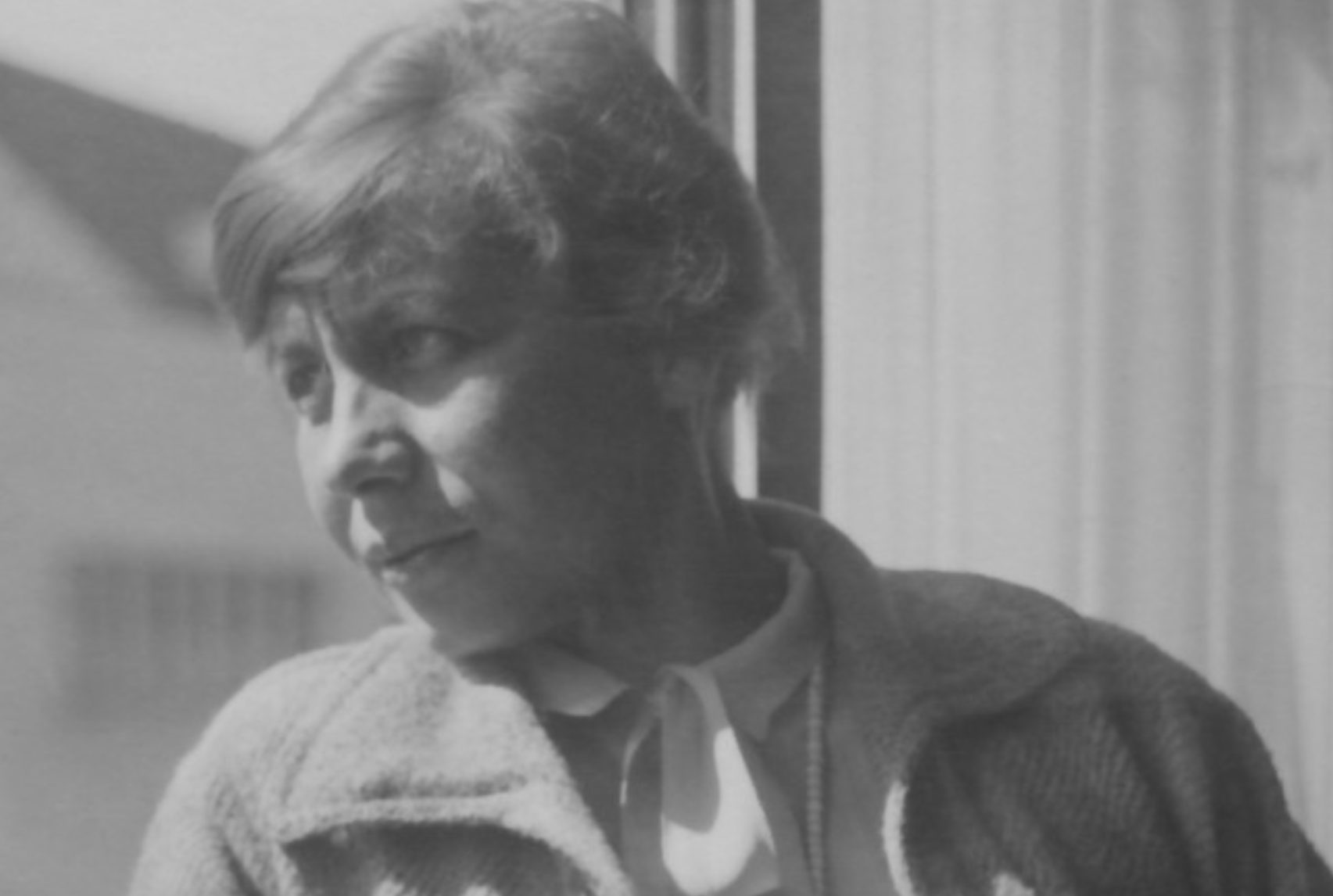
Stölzl’s Impact on Bauhaus
Her impact on the Bauhaus was significant, particularly as the only woman named a young master of a workshop, specifically the weaving workshop. Her journey began after studying at the Munich School of Applied Arts and volunteering as a Red Cross nurse during World War I, an experience that shaped her worldview.
Joining the Bauhaus in 1919, she proposed a women’s department in 1920, which merged with the weaving workshop under Walter Gropius’s direction. Stölzl played a central role, applying color and harmony theories to textile design and passing on her expertise to others, leaving a lasting imprint on the school’s history.
Noted for her deep understanding of textiles, she was described by Anni Albers, her student at the Dessau Bauhaus, as having an “almost animal feeling for textiles.” While Albers achieved significant recognition in the United States alongside her husband Josef, Stölzl pursued a quieter career in industrial design and founded her hand-weaving mill. Despite her substantial contributions, Stölzl has remained relatively lesser-known compared to Albers, whose artistic-academic path led to widespread acclaim.
Contributions to Bauhaus
Gunta Stölzl’s passion and dedication were evident from her early days at the Bauhaus, where she played a crucial role in establishing the “women’s department,” essentially the weaving department. Despite the prevalent gender stereotypes of the 1920s, which relegated weaving to women’s work rather than recognizing it as an art form, Stölzl and her fellow women weavers worked tirelessly to develop their craft. Stölzl’s commitment was exceptional; she even traveled to Italy to study art and architecture and took textile dyeing courses at other institutions. Her leadership and teaching role within the weaving workshop set her apart as a dedicated and innovative artist.
In April 1925, the Weimar Bauhaus closed and reopened in Dessau in 1926. Stölzl, who had previously left the Bauhaus upon graduating to help Itten set up Ontos Weaving Workshops in Herrliberg, near Zurich, Switzerland, returned to become the weaving studio’s technical director, replacing Helene Börner, and work with Georg Muche, who would remain the form master. Although she was not officially made a junior master until 1927, it was clear both the organization and content of the workshop were under her control.
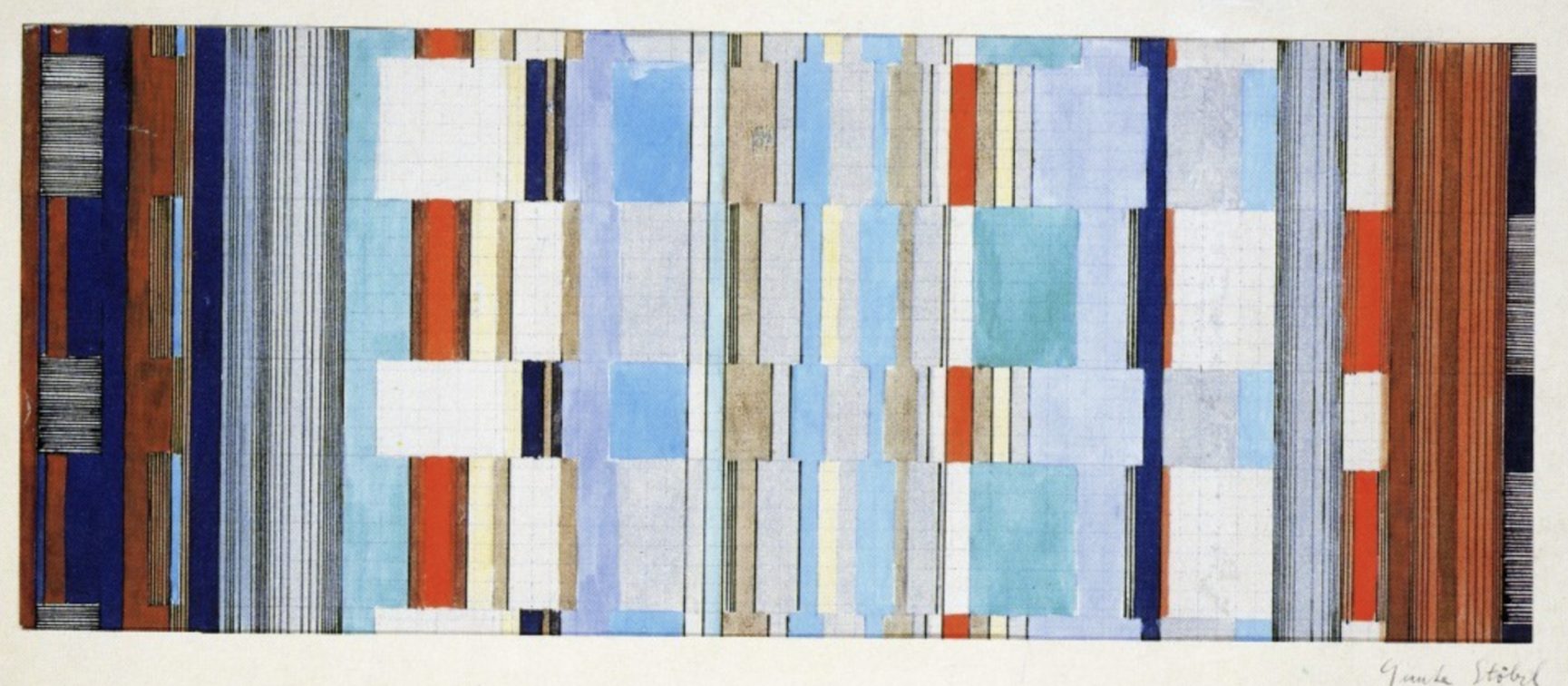
The new Dessau campus was equipped with a greater variety of looms and much improved dyeing facilities, which allowed Stölzl to create a more structured environment. Georg Muche brought in Jacquard looms to help intensify production.
Design Evolution
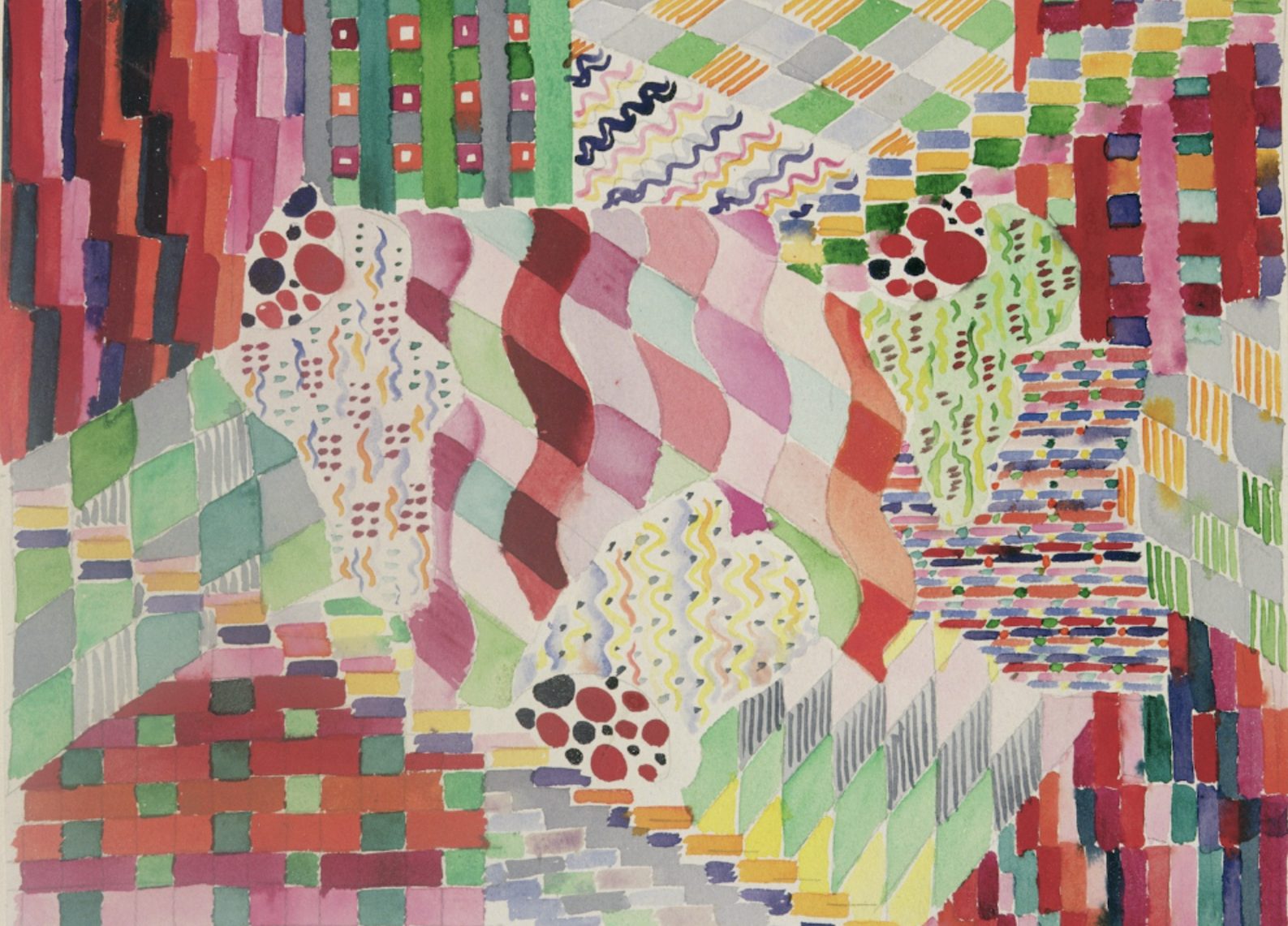
Stölzl began shifting weaving away from its traditional associations with women’s work, incorporating modern art vocabulary and steering it toward industrial design. By 1928, practical materials gained importance, leading to experiments with materials like cellophane. She developed a curriculum focusing on handlooms, weaving mechanics and dyeing, along with math, geometry, and technical subjects like weave techniques. This shift replaced earlier artistic expression at Bauhaus with a design emphasis on simplicity and functionality. Stölzl’s efforts contributed significantly to the evolution of weaving as an art form integrated with modern design principles.
Gunta Stölzl’s post-Bauhaus career saw significant recognition and success. After leaving the Bauhaus, she received attention from the Swiss artists association “Schweizerischer Werkbund,” which boosted her profile. She then established S&H Stoffe (S&H Fabrics) in Zurich with Heinrich-Otto Hürlimann, where she passionately worked until 1967. Following this, she focused on tapestry weaving and interior design textiles, leading to her pieces being acquired by prestigious institutions like London’s Victoria and Albert Museum and the Museum of Modern Art in New York. Stölzl’s legacy as a pioneering textile artist continued to inspire long after her passing in 1983.