
When Jean Lurçat and Leonora Carrington Reimagined the Wall — Tapestries of surrealism and dreamscapes.
April 17, 2025
Collectible Persian Rugs with Modern Soul: Tabriz and the Rise of Art Deco Design
April 23, 2025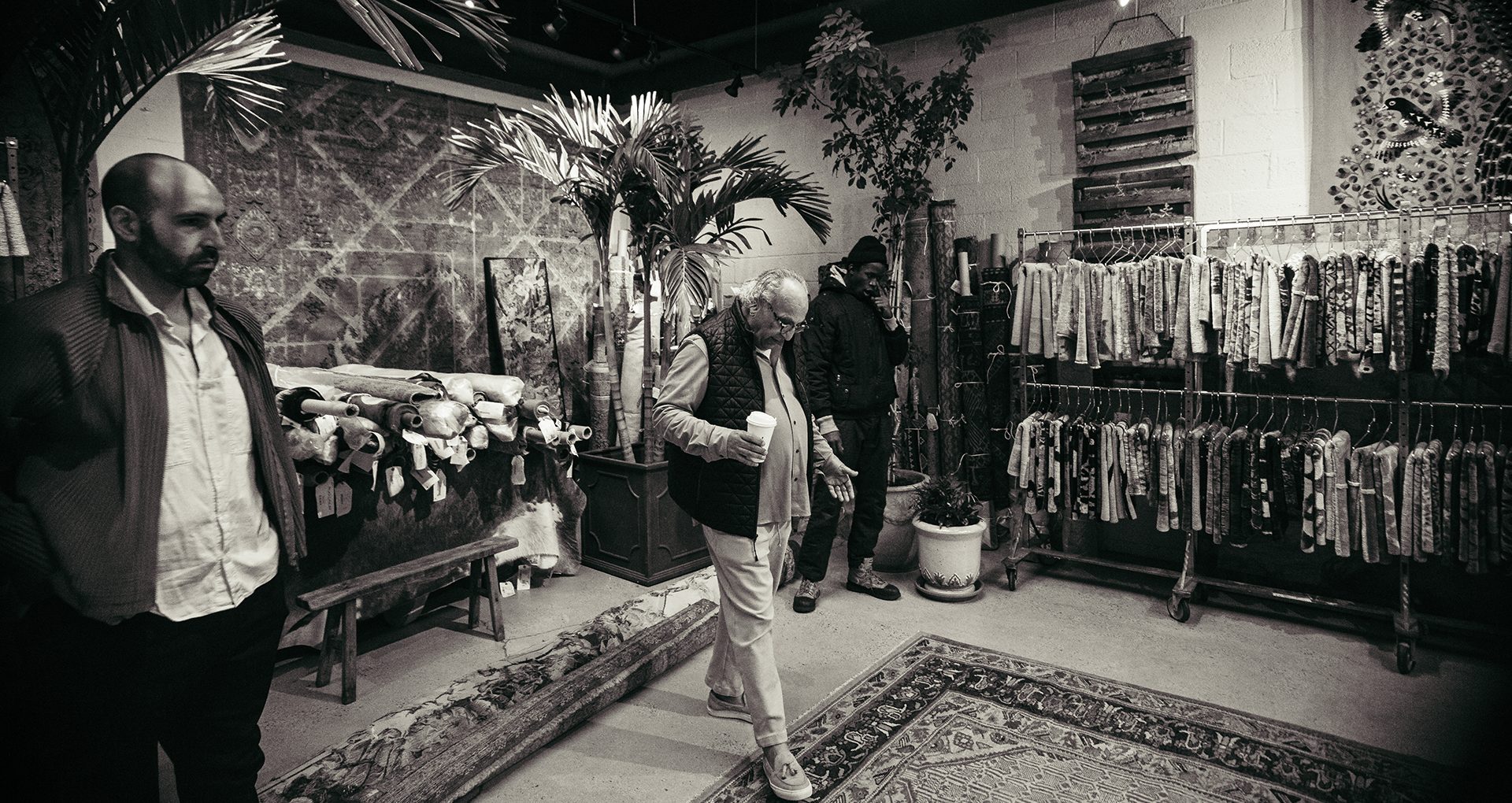
It always starts with the floor.
Before there was a showroom, before there was a name etched on design directories and luxury projects around the world — there was just a rug. A handwoven piece rolled out on a dusty floor, catching the light in a way that felt less like design and more like destiny. It wasn’t just the color or the pattern.
It was the feeling — as if history had been threaded into every knot, as if the floor beneath your feet was suddenly whispering a story you didn’t know you needed to hear.
That’s how Rug & Kilim began: not as a business plan, but as a love affair.
The First Rugs We Loved
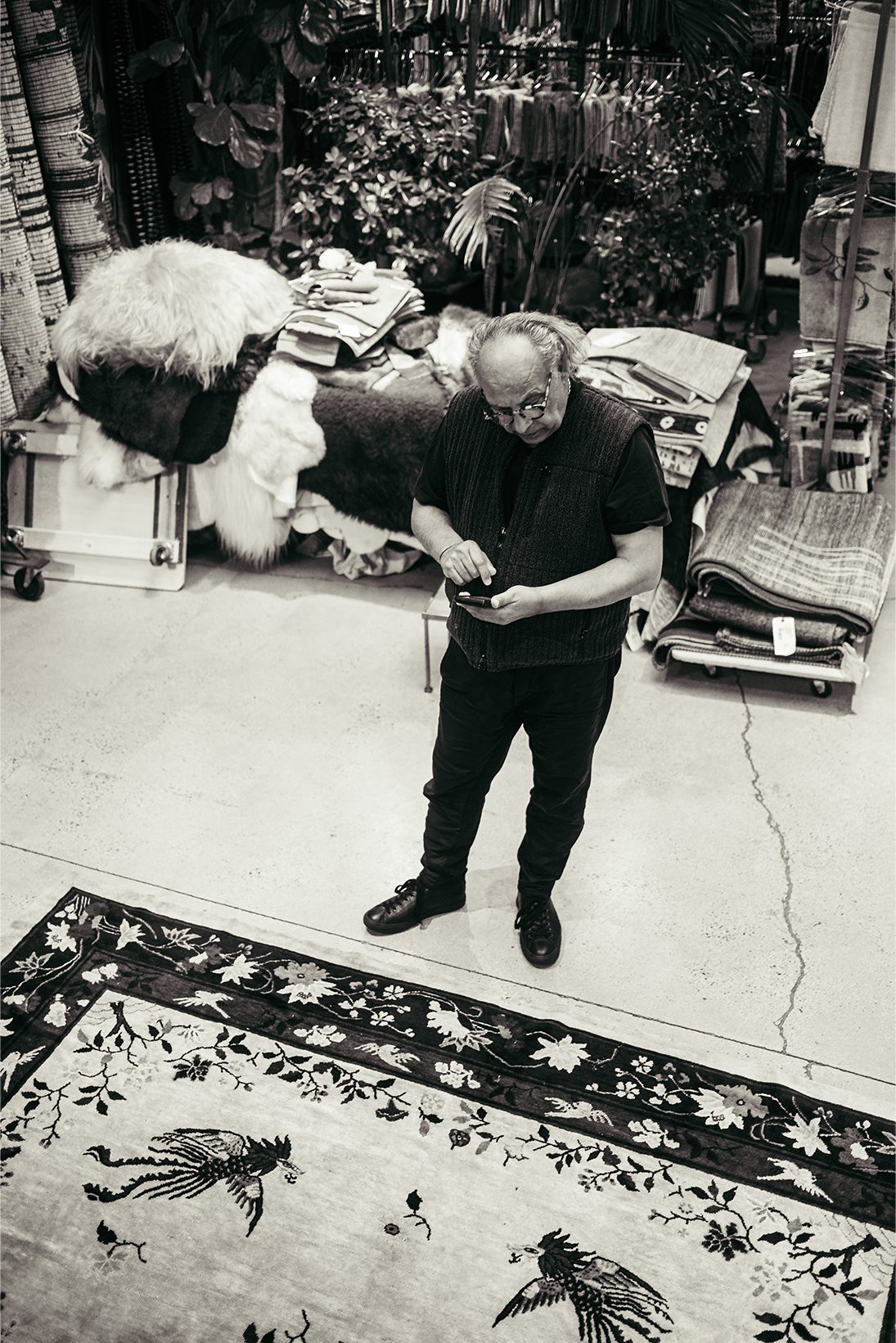
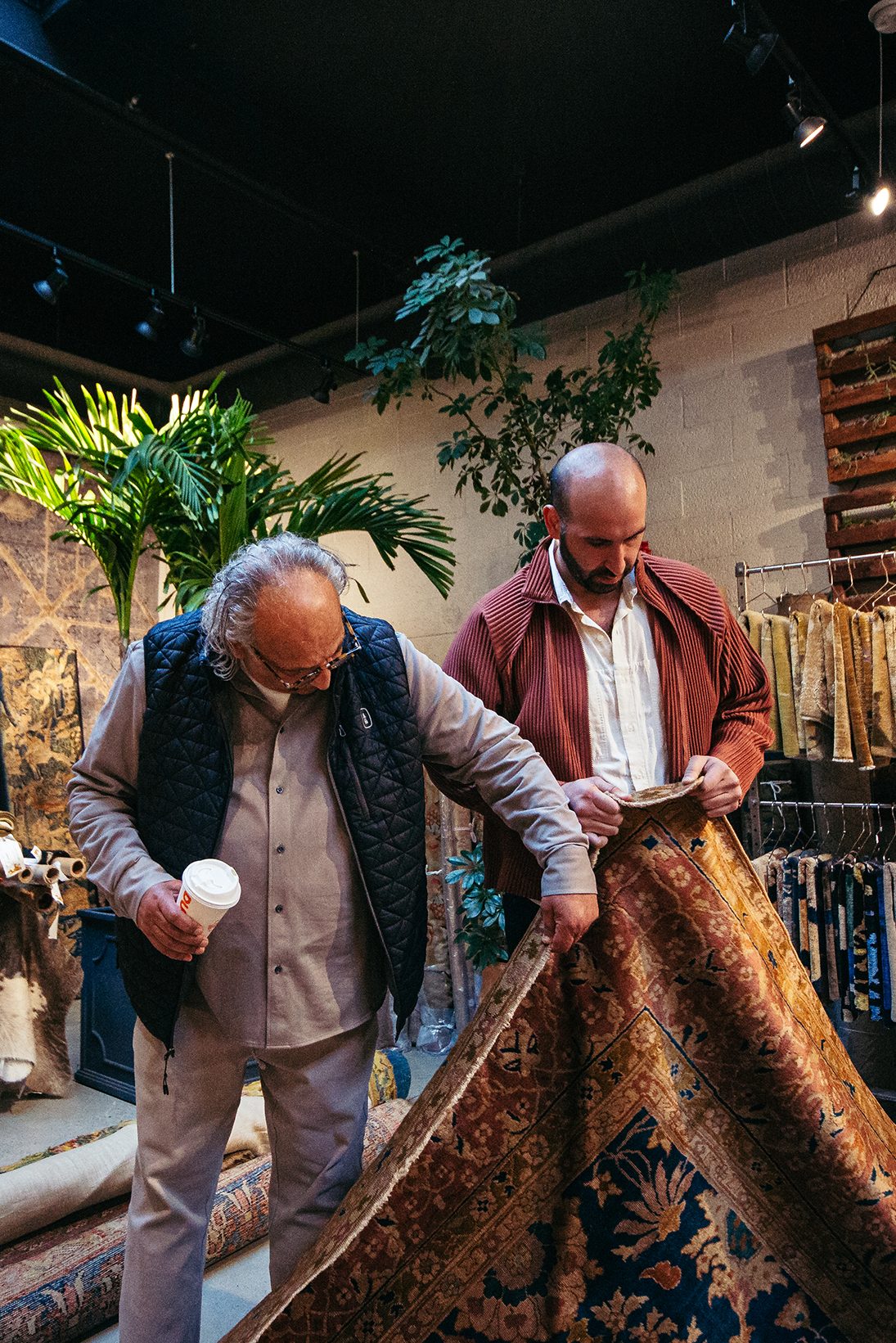
Ask Jahanshah Nazmiyal, our Principal, about the first rug that made him stop — truly stop — and he won’t give you a SKU number. He’ll tell you about an antique piece that looked like a dream half-remembered, where the border and field played in quiet rebellion, where asymmetry spoke louder than precision. He’ll talk about how the patina had a pulse, how the rug seemed to know more about beauty than we did.
It’s that kind of rug that formed the soul of our atelier. A kind of artisanal magic that made us want to collect, preserve, and reimagine heritage not as static museum pieces, but as living, evolving art for modern homes.
And in those early days — and still now — we weren’t drawn to the perfect rug.
We were drawn to the rug with character. With provenance. With tension.
When Color Feels Like Memory
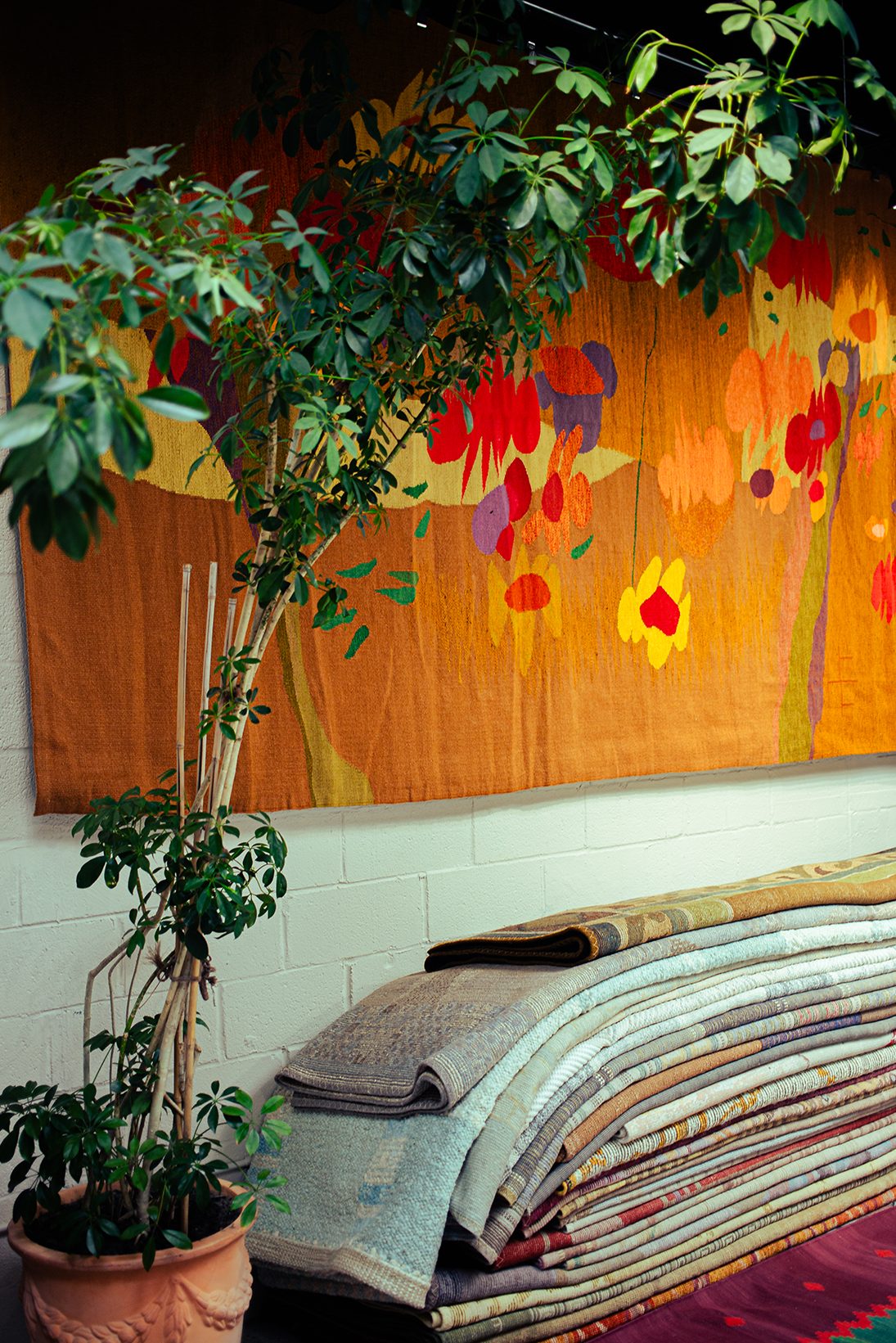
Color, in our studio, is not a choice — it’s a conversation. There are afternoons when we spend hours under shifting daylight, watching how a Scandinavian flatweave reads in sun and shadow. We’ll argue about ochres and indigos, about whether a rust red leans too autumn or just enough earth.
We’ve seen how a rug changes the temperature of a room. How the right hue can make a cold space feel like a hearth. How vintage palettes echo lived-in lives, how contemporary colors can carry ancient motifs into the now.
Every rug tells its own story, but also holds space for yours. That’s the quiet genius of great custom rug design: it’s never just surface. It’s narrative, in wool and silk and soul.
Inside the House of Rug & Kilim
What does it feel like in our atelier?
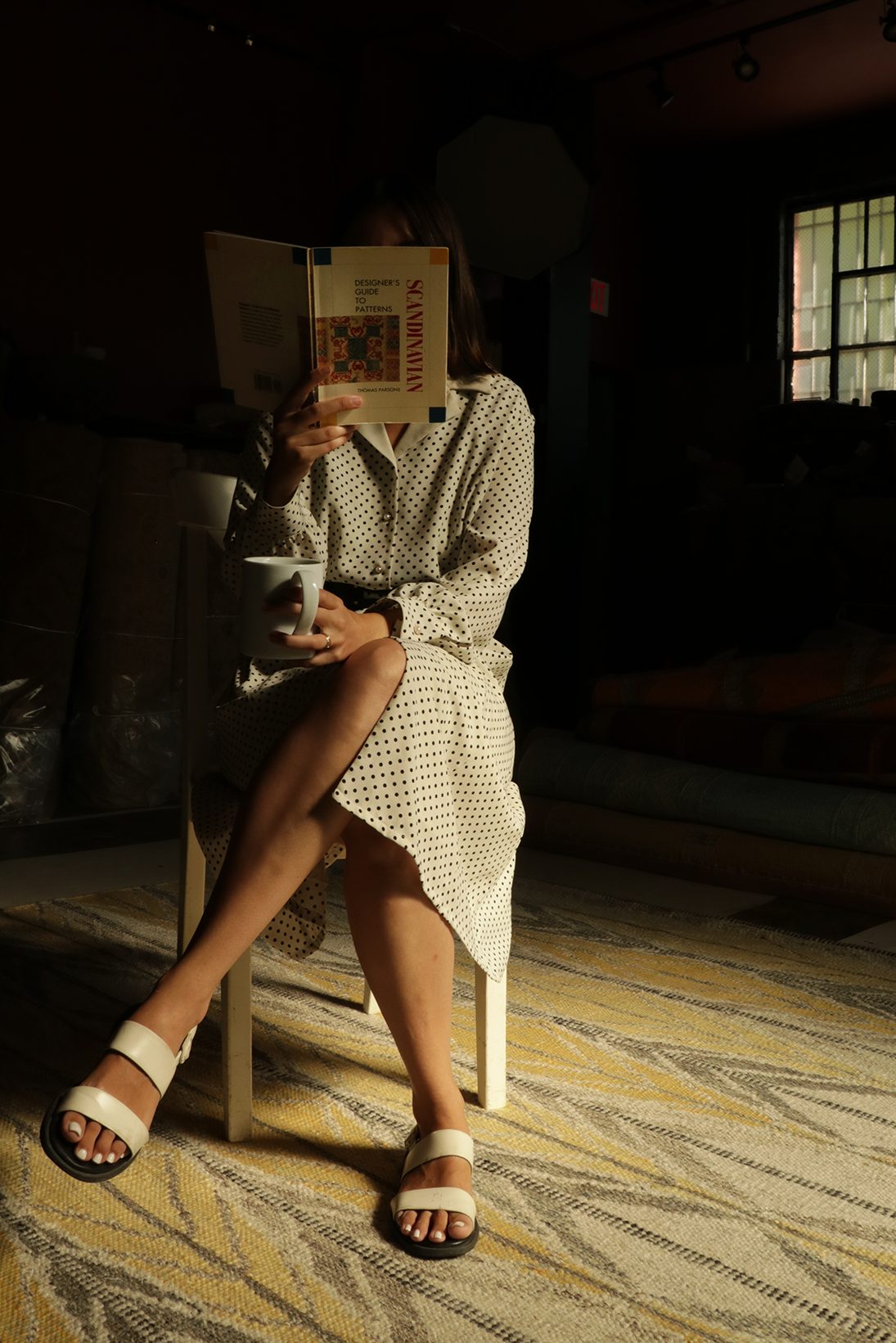
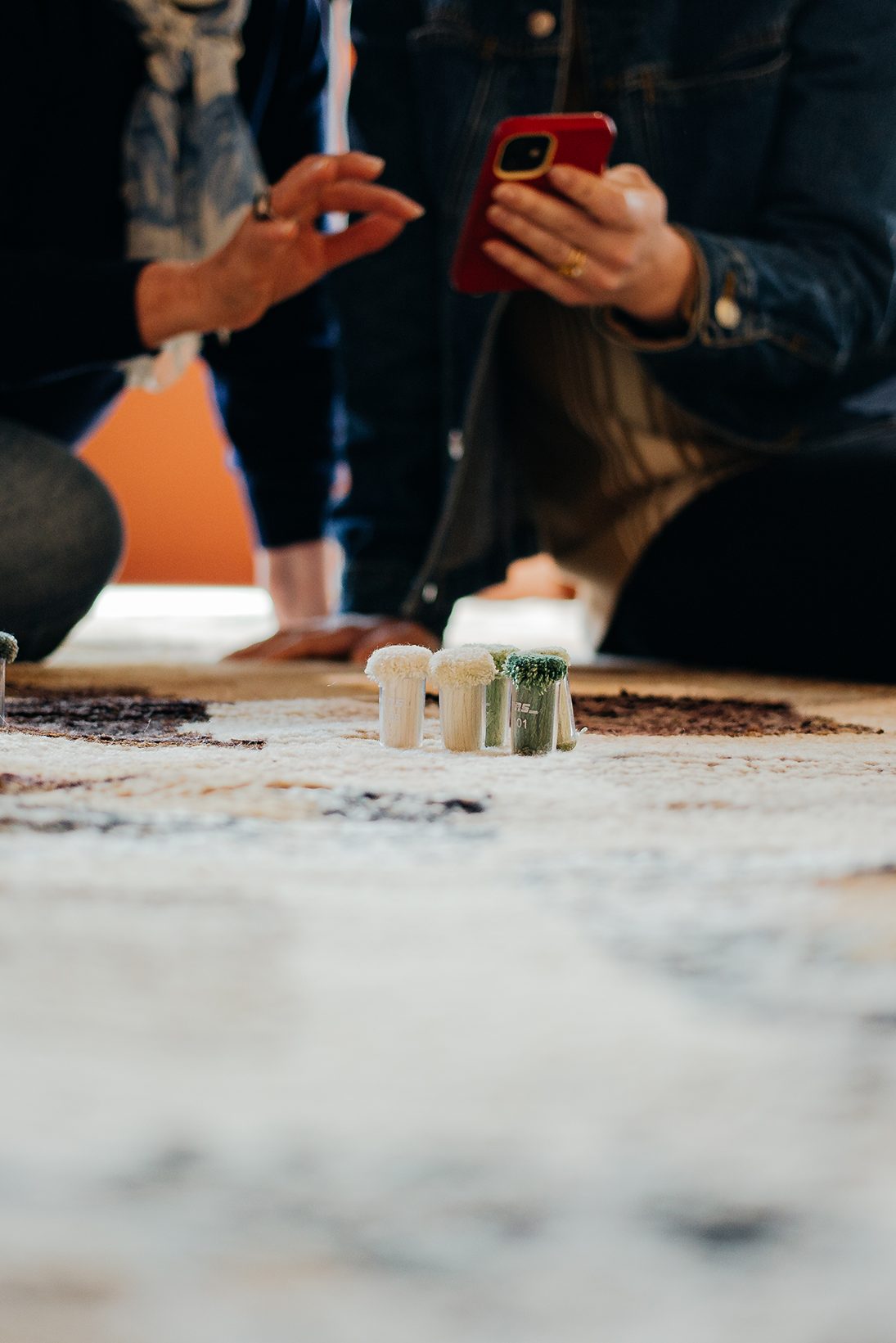
There’s music — not always in tune, but always in rhythm with our hands and eyes. There’s the swish of fibers underfoot, the soft thump of a rug being unfurled. It smells of dye and dust and something older — a kind of rootedness that defies language.
You’ll find us debating whether a tribal motif should be recast in a larger scale. Or why a minimalist client needs maximalist texture. You’ll see swatches pinned to mood boards beside love letters from clients and photographs of homes where our rugs now live and breathe.
We keep the rugs close, but their lives are bigger than ours.
The Spiritual Function of Rugs
We believe rugs aren’t just functional or fashionable — they’re foundational. They center a room, yes. But more than that, they anchor people. A well-placed rug has gravity.
It welcomes. It remembers. It heals.
To walk barefoot on something made by human hands, threaded with intention — that is a kind of quiet luxury. That’s why we don’t just design rugs. We honor handwoven heritage. We reinterpret it. We keep the soul intact while daring it to evolve.
What We Hope to Leave Behind
To belong to this world is to feel deeply. About color. About history. About the role beauty plays in our homes, our rituals, our lives.
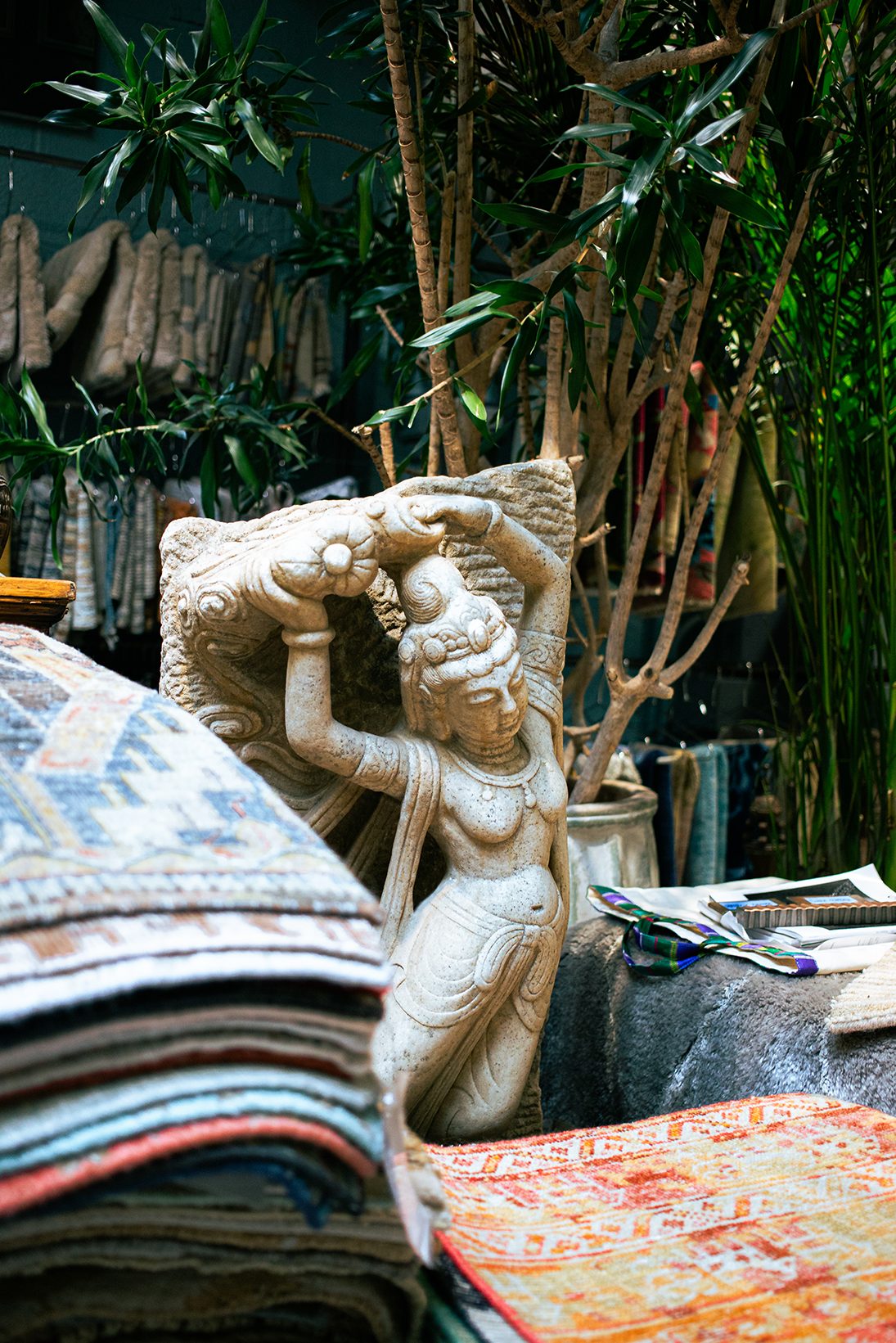
At Rug & Kilim, we don’t chase trends. We chase truths. We collaborate with designers who feel the difference between a mass-produced textile and an artisanal rug that has heart.
We hope that decades from now, someone will roll out one of our pieces and feel what we felt — that sense of awe, of intimacy, of story.
Because a rug is never just a rug. It’s the ground on which life unfolds.
And we’ll always be in love with the floor.
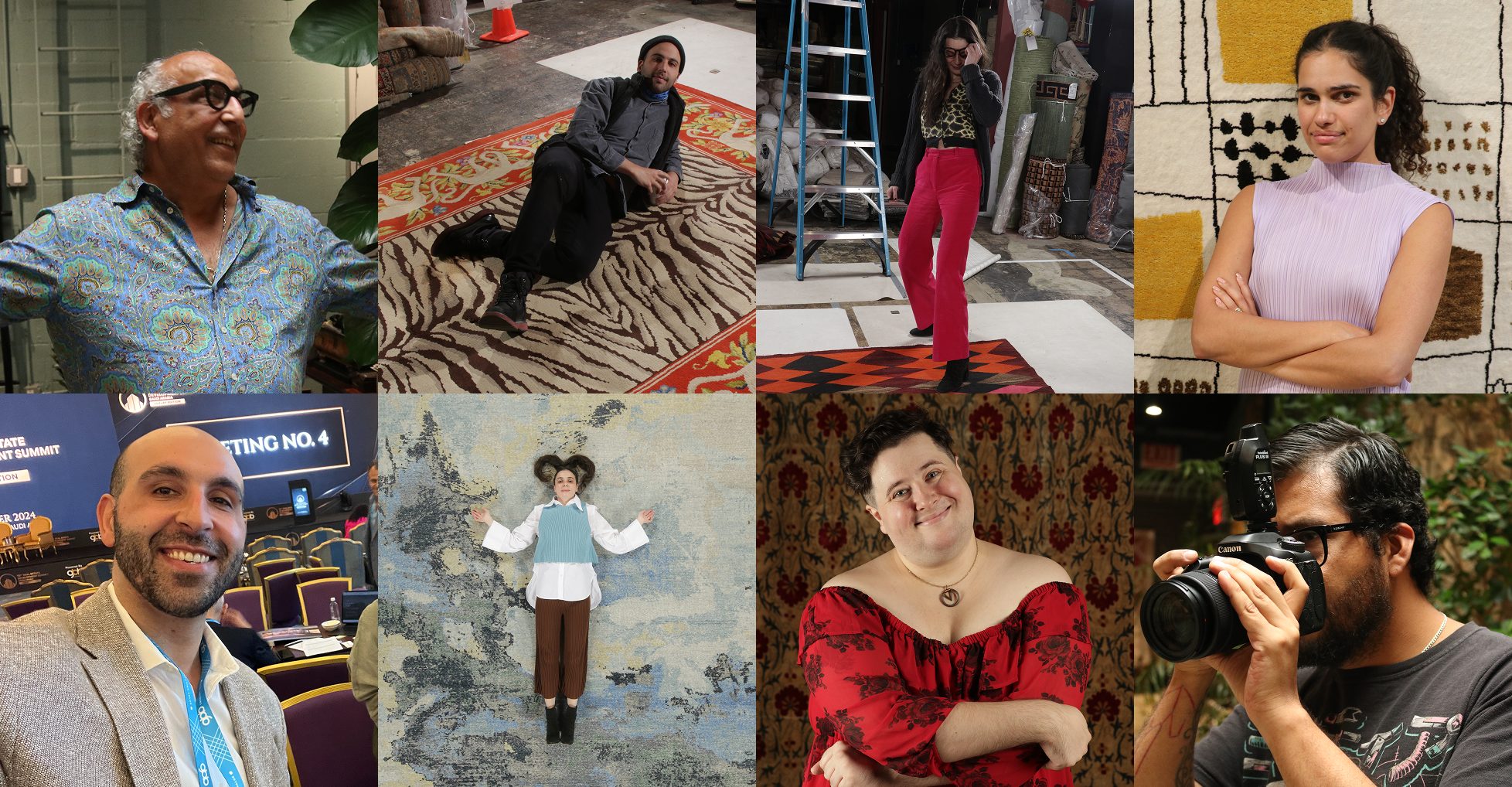
— From all of us at Rug & Kilim, where every thread is a gesture of wonder.
~~~