
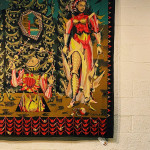
Rugs, Tapestries, and the Return of Sacred Interiors: The Fifth Wall of Heirloom Textiles
June 16, 2025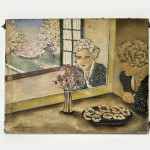
Elisabeth De Saedeleer and the Feminine Soul of Art Deco Weaving
June 20, 2025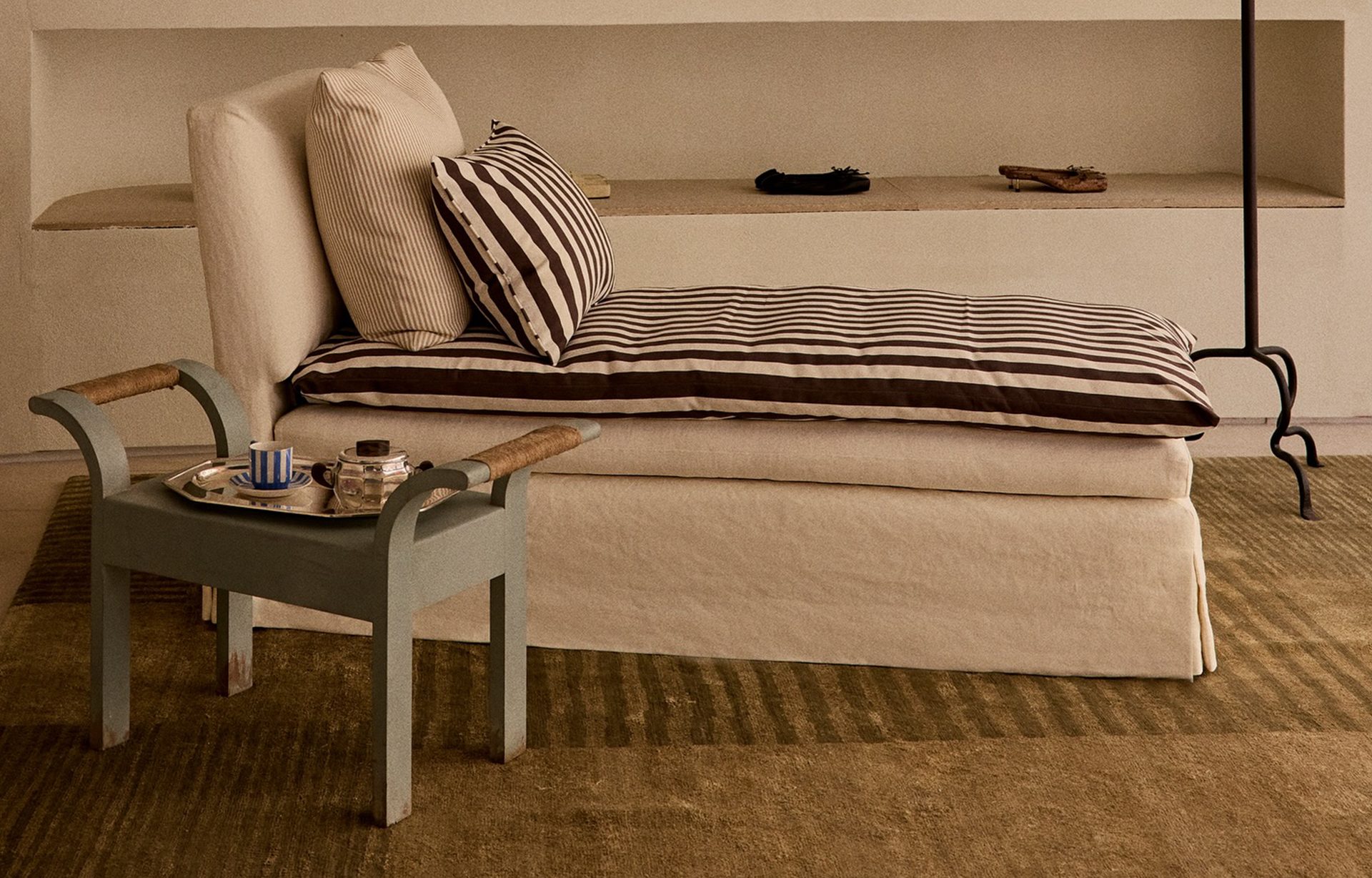
Jacquemus x Rug & Kilim
To style an Art Deco interior today is not to replicate the past—but to reinterpret it through texture, geometry, and modern luxury. Like a scene set on a velvet-curtained stage or a portrait caught mid-glance, Art Deco rugs are more than mere decor—they are choreographed artworks, pulsing with the movement, symmetry, and theatrical elegance that defined the 1920s and ’30s. In the hands of interior stylists, they can become the linchpins of Deco-inspired spaces, echoing the glossy femininity of Tamara de Lempicka’s portraits and the flamboyant costuming of Erté’s stage designs.
The Symphonic Geometry of Art Deco Rugs
At the heart of Art Deco design lies a rhythmic geometry: sunbursts, chevrons, zigzags, stepped forms, and concentric curves that simulate both motion and stillness. Originally motifs of modernity, industrial progress, and luxury, these patterns moved fluidly from architectural friezes to the fibers underfoot.
An Art Deco rug is often constructed not only for visual impact but to direct attention—to anchor furniture, create vignettes, or infuse a sense of cinematic drama. Just as Lempicka’s heroines seem poised mid-motion, frozen in chrome-finished glamour, the patterns of a Deco rug often diagonally pull the viewer’s eye, mimicking the dynamism of speed lines in a Futurist painting. When paired with furniture in lacquer, brass, and velvet, such a rug doesn’t just support the room’s composition; it asserts a commanding role in it.
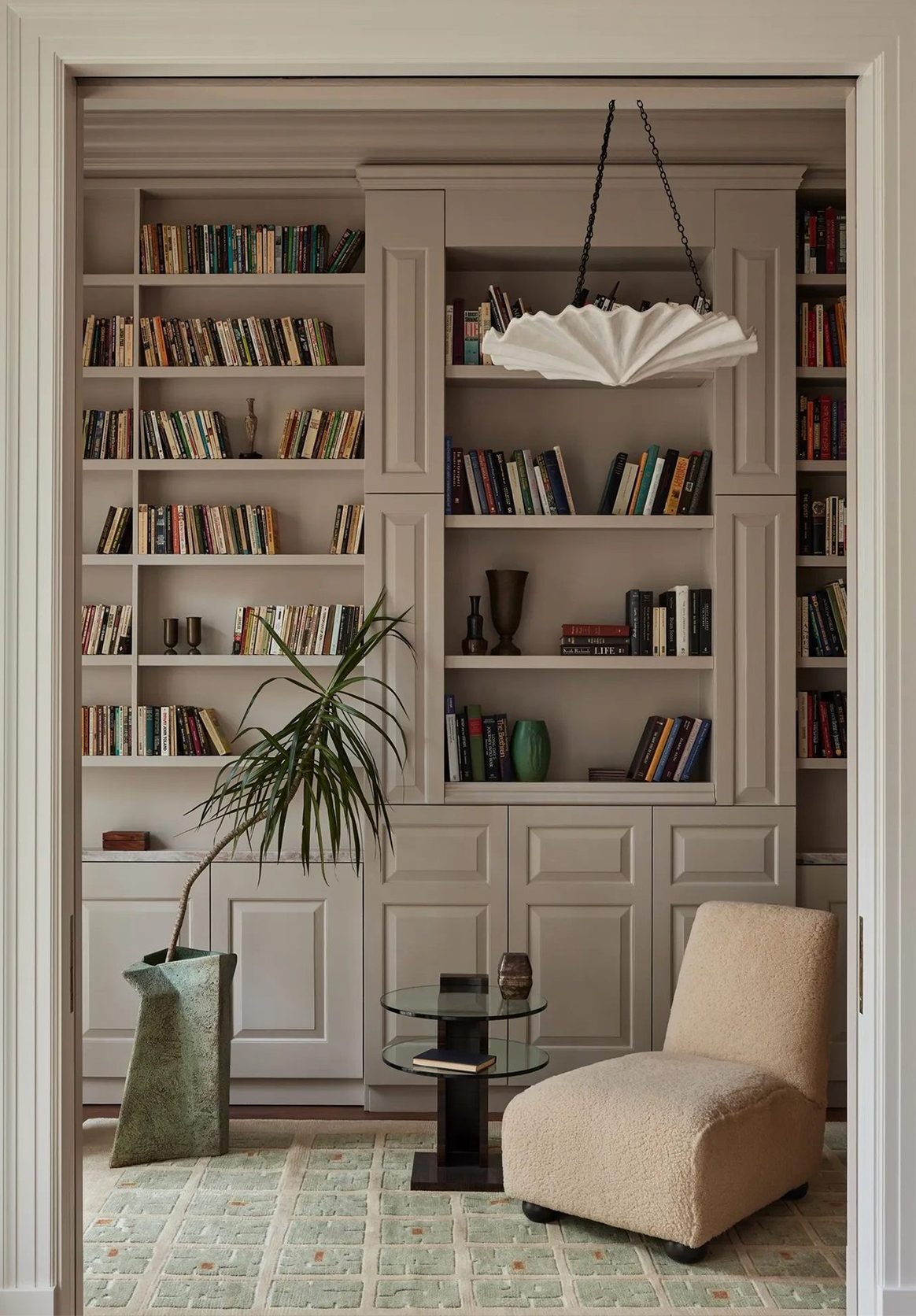
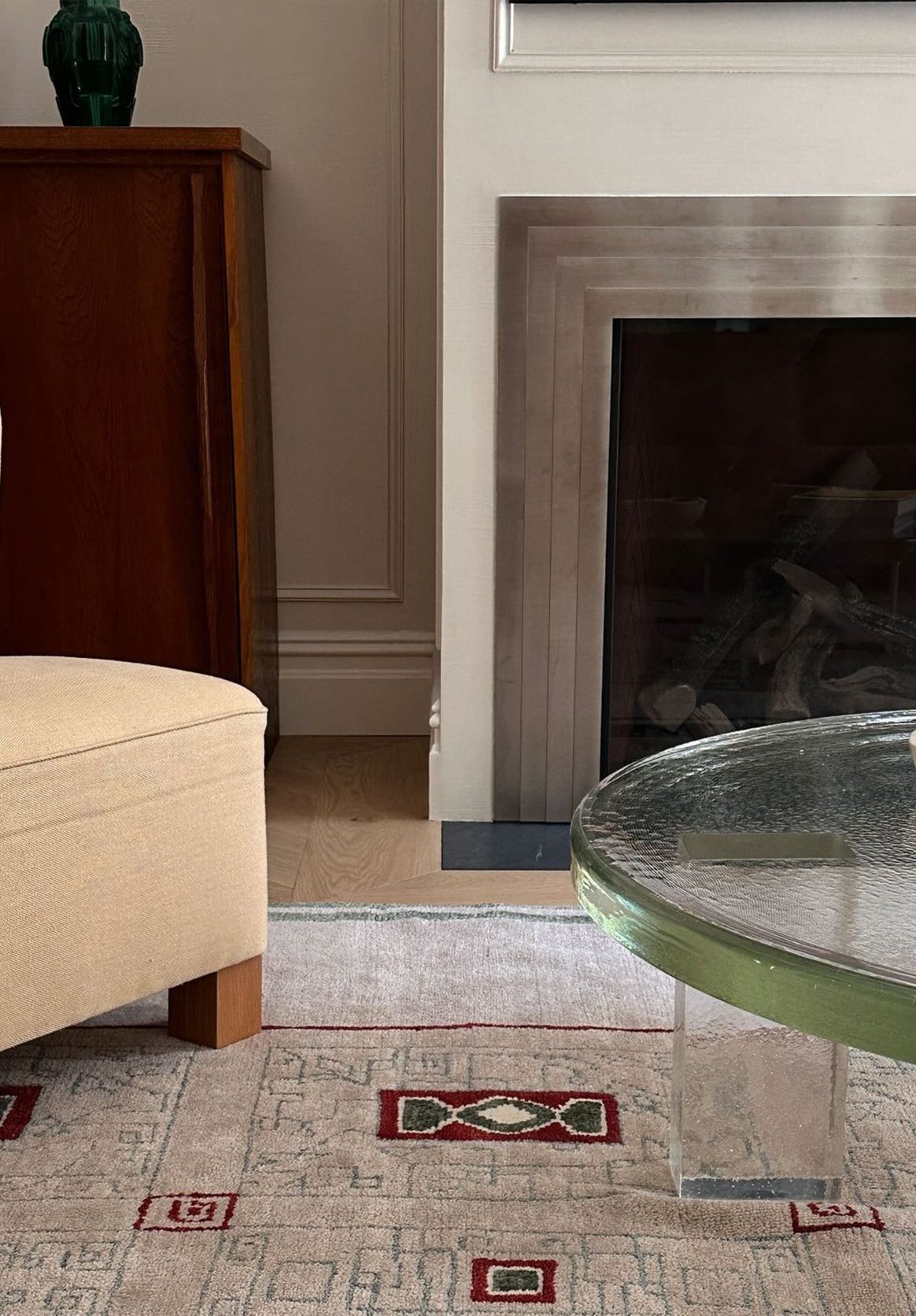
Rug & Kilim’s custom Art Deco rug inspired by the likes of Paule Leleu sits comfortably in this Chelsea Townhouse designed by Husband Wife and highlighted in a feature by Architectural Digest. Photographed by Nicole Franzen.
Mike Moser Studio x Rug & Kilim
Tamara de Lempicka Interiors: Sleek, Sensual, and Structured
Few artists evoke Art Deco’s feminine core like Tamara de Lempicka, whose portraits fused Cubist angles with aristocratic sensuality. Lempicka’s subjects—clad in jade silks or coiled in silver-leaf fabrics—are women in control of their narrative. Her color palette: ice blues, emerald greens, polished chrome, and creamy ivories, all presented with architectural clarity.
To style Art Deco rugs in a Lempicka-inspired interior, consider how a rug can reflect her visual grammar. Chevron motifs in icy tones, for example, mirror the folds of a painted satin dress. A stepped sunburst in muted golds becomes the ground upon which a velvet Art Deco armchair rests—soft but powerful.
Pairing a rug with a mirrored cocktail cabinet, or a marble-topped side table in asymmetric form, channels the painter’s approach: symmetry with edge, luxury with purpose. In a contemporary room, an Art Deco rug in Lempicka tones can be the subtle nod to portraiture, grounding the space with story and sensuality.
Erté’s Elegance
If Lempicka brought poise, Erté brought drama.
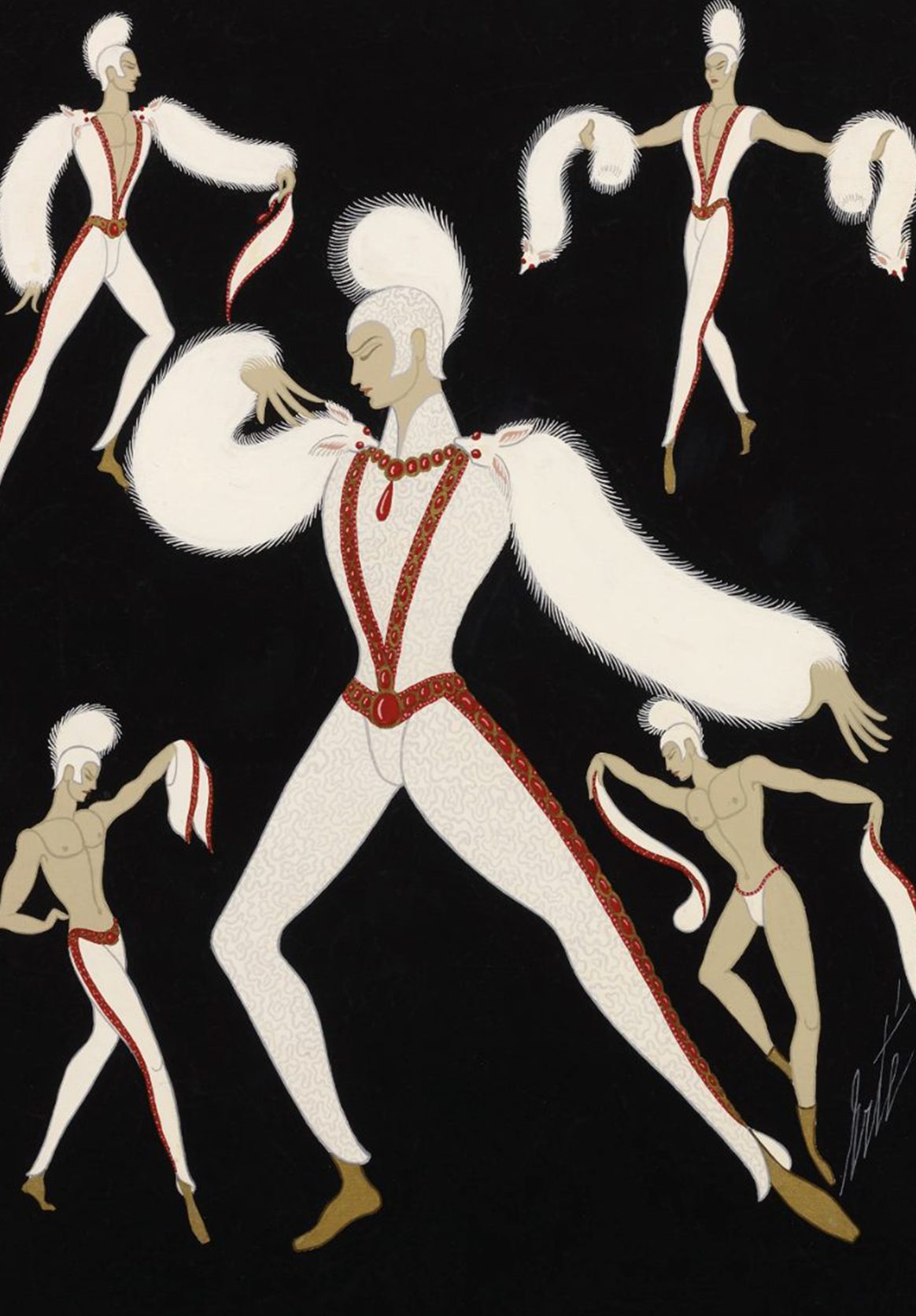
Known for his stylized fashion illustrations and costume designs for the Folies Bergère and Hollywood studios, Erté’s world was one of languid gestures, sweeping cloaks, and glittering headpieces. His visual lexicon included exotic birds, elongated figures, celestial motifs, and shimmering fabrics. Translating this into a home environment means embracing the theatricality without tipping into kitsch.
An Art Deco rug that incorporates metallic threads, high-pile silks, or fan-like patterns can simulate the sensation of Erté’s stage—a floor transformed into a proscenium. Look to vintage rugs sold at The Met Store or Sotheby’s Art Deco sales, which often feature circular motifs reminiscent of peacock feathers or stylized waves, drawing direct lineage from Erté’s costume work.
For those seeking Erté home design ideas, consider a neutral rug with theatrical borders, over which one might layer a black-lacquered chaise longue, sculptural lighting with frosted glass and bronze, and drapery in plum velvet or crimson silk. The result is not just visual opulence—but a sense of scene.
Jacquemus x Rug & Kilim
Movement and Layering: The Language of Deco Interiors
One of the defining traits of Deco interiors is movement—not just visual, but spatial. This is where rugs play a vital role. Unlike static Victorian arrangements, Deco rooms embrace open-plan sensibilities, often segmenting zones with rugs that suggest fluidity rather than barriers.
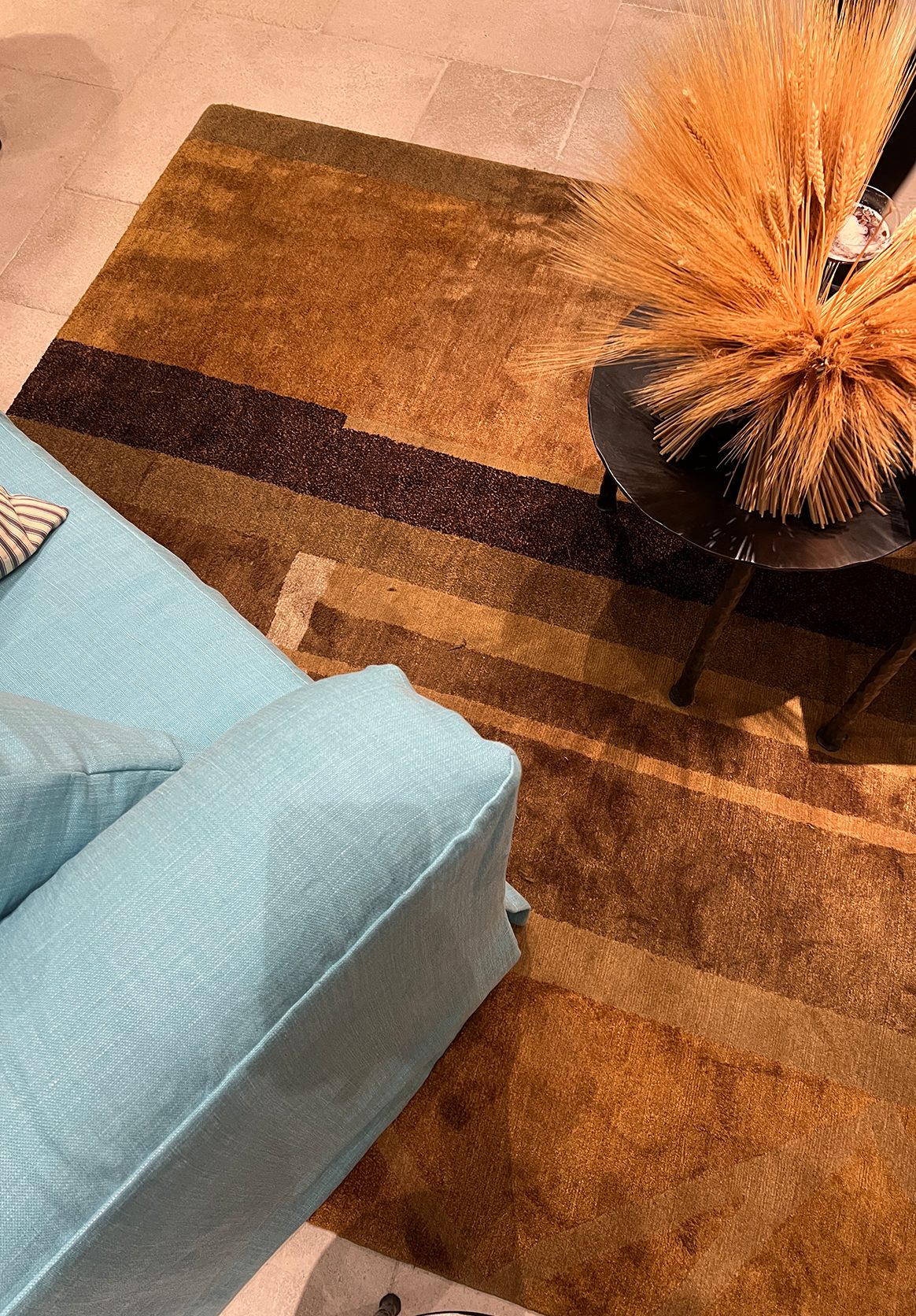
Layering Art Deco rugs with high-shine materials—lacquered consoles, brass trim coffee tables, mirrored panels, or patinated bronze sculptures—can elevate a space from vintage to cinematic. The key is to balance bold geometry with lush textures: a zigzag rug under a velvet tufted sofa, or a sunburst design beneath a curvilinear bar cart.
At auctions like Bonhams or Christie’s, rare Deco carpets by designers such as Ivan da Silva-Bruhns or Maurice Dufrène demonstrate this balance exquisitely. These rugs often exhibit painterly quality, blending abstract forms with vibrant but controlled palettes. They are, in essence, choreographed—designed not only to be walked upon, but to perform.
Modern Styling Tips: How to Bring Deco Rugs into Today’s Interiors
For those enamored with “Lempicka-inspired decor” or “Erté home design ideas,” here are some tips to integrate Art Deco rugs into contemporary spaces:
Frame the Rug Like Art: Let it be the star. Avoid overloading with pattern. One bold rug beneath neutral furniture is often more impactful than Deco-on-Deco overload.
Choose a Color Story: Channel Lempicka with cool tones (mint, slate, silver) or Erté with rich theatrical hues (midnight blue, burgundy, gold).
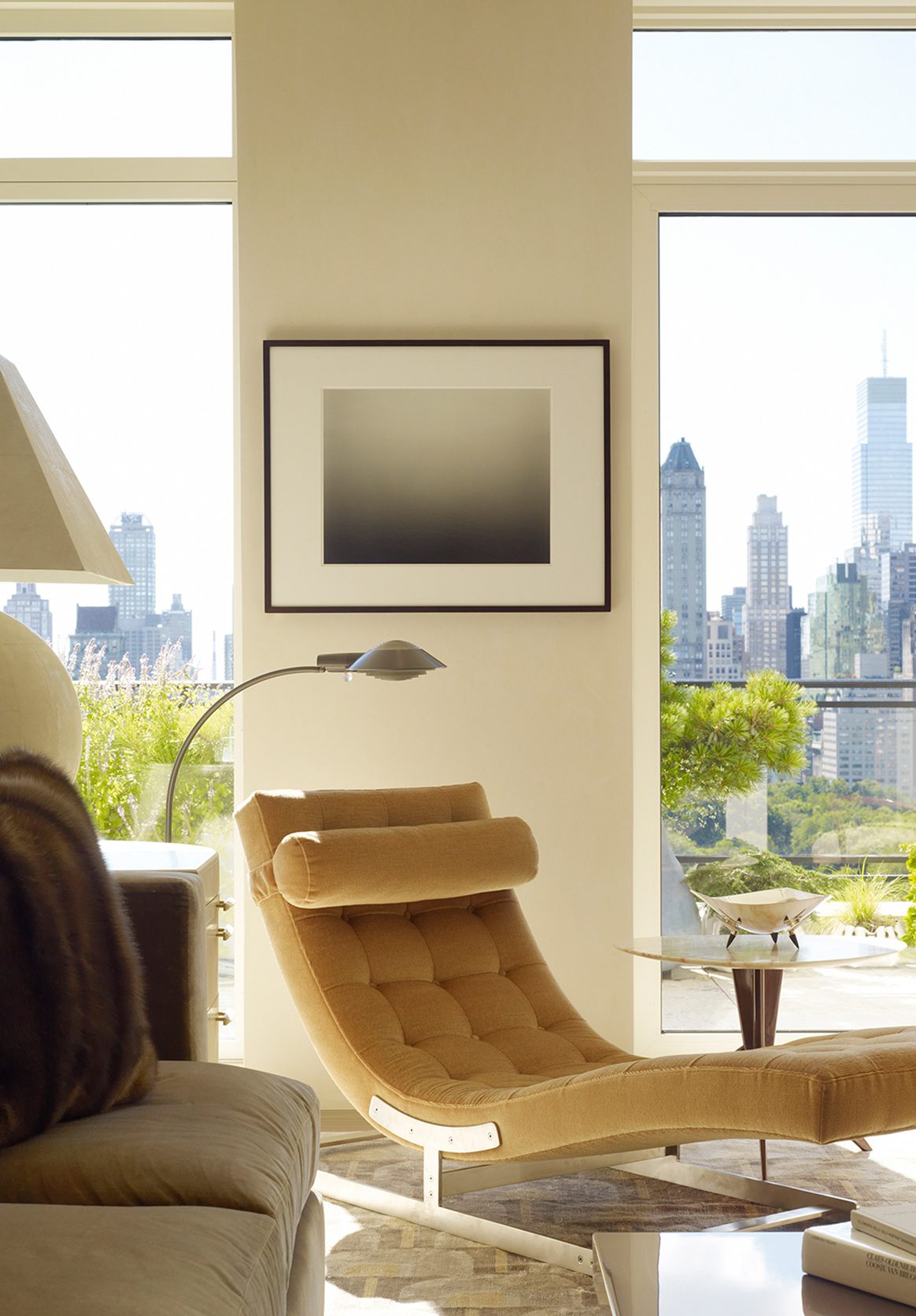
Incorporate Texture: Pair rugs with furniture in lacquer, velvet, mohair, and brass to echo Deco materiality.
Echo, Don’t Imitate: Use subtle Deco references—like fan motifs in lighting or mirror trims—to complement, not compete with, your rug.
Asymmetry is Elegance: Don’t fear placing a rug on the diagonal or off-center beneath a sculptural piece. Movement is your friend.
Odada x Rug & Kilim
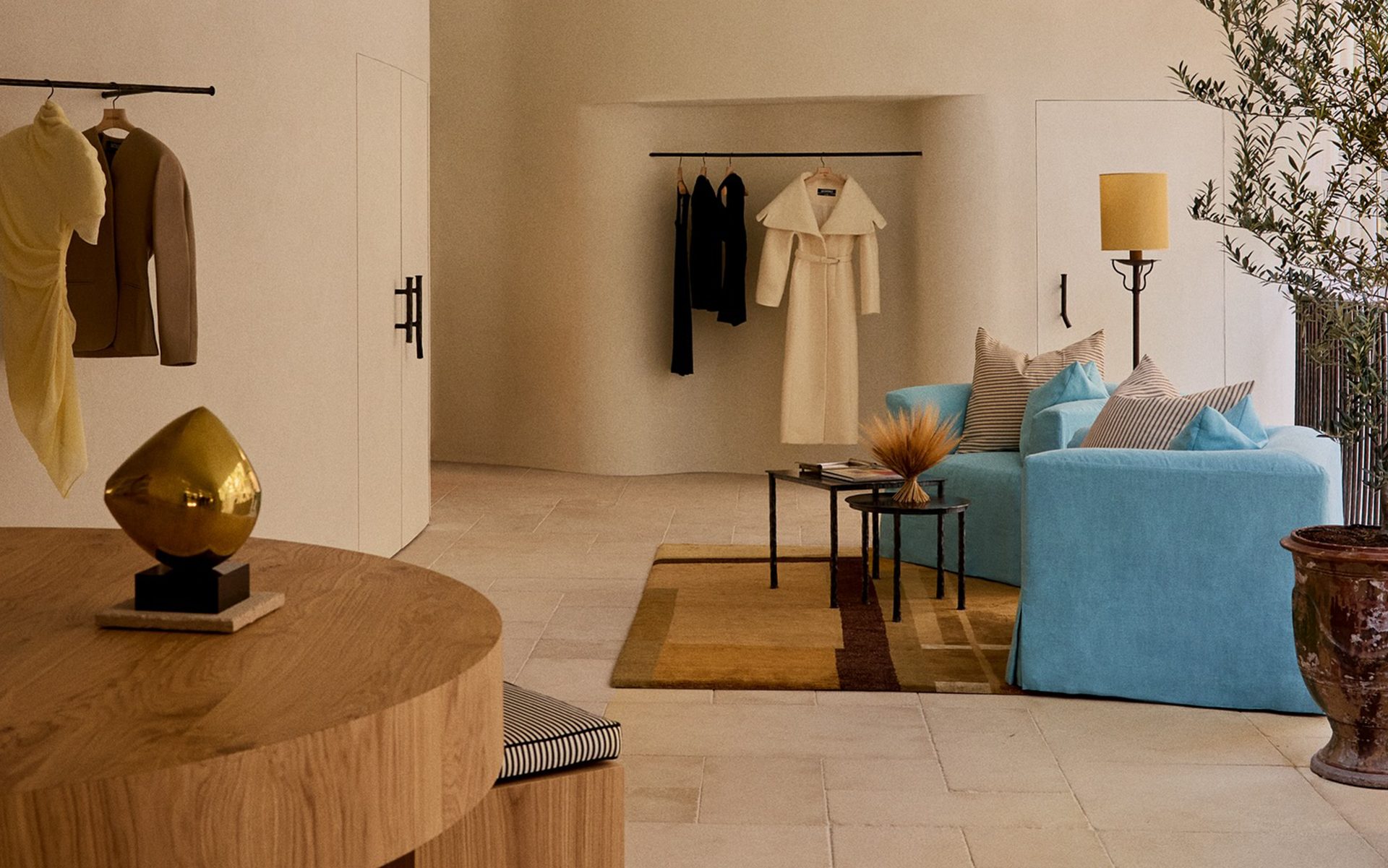
Jacquemus x Rug & Kilim
A Legacy Woven in Pattern and Poise
Art Deco rugs are not static relics of a bygone age—they are designs in motion, capable of shaping modern interiors with a sense of elegance, rhythm, and narrative. When choreographed alongside the sensual femininity of Tamara de Lempicka’s painting or the lavish spectacle of Erté’s costuming, they do more than tie a room together—they set it dancing.
So whether you’re curating a collector’s lounge or simply adding theatricality to your living room, remember: in a Deco interior, the rug is not beneath—it is the beginning.
~~~