

How are Dhurries Becoming the Sustainable Statement Pieces in High-End Interior Design?
July 28, 2025
Rug & Kilim Went to Italy: Tapestries and Art That Still Shape the Rooms We Build
August 1, 2025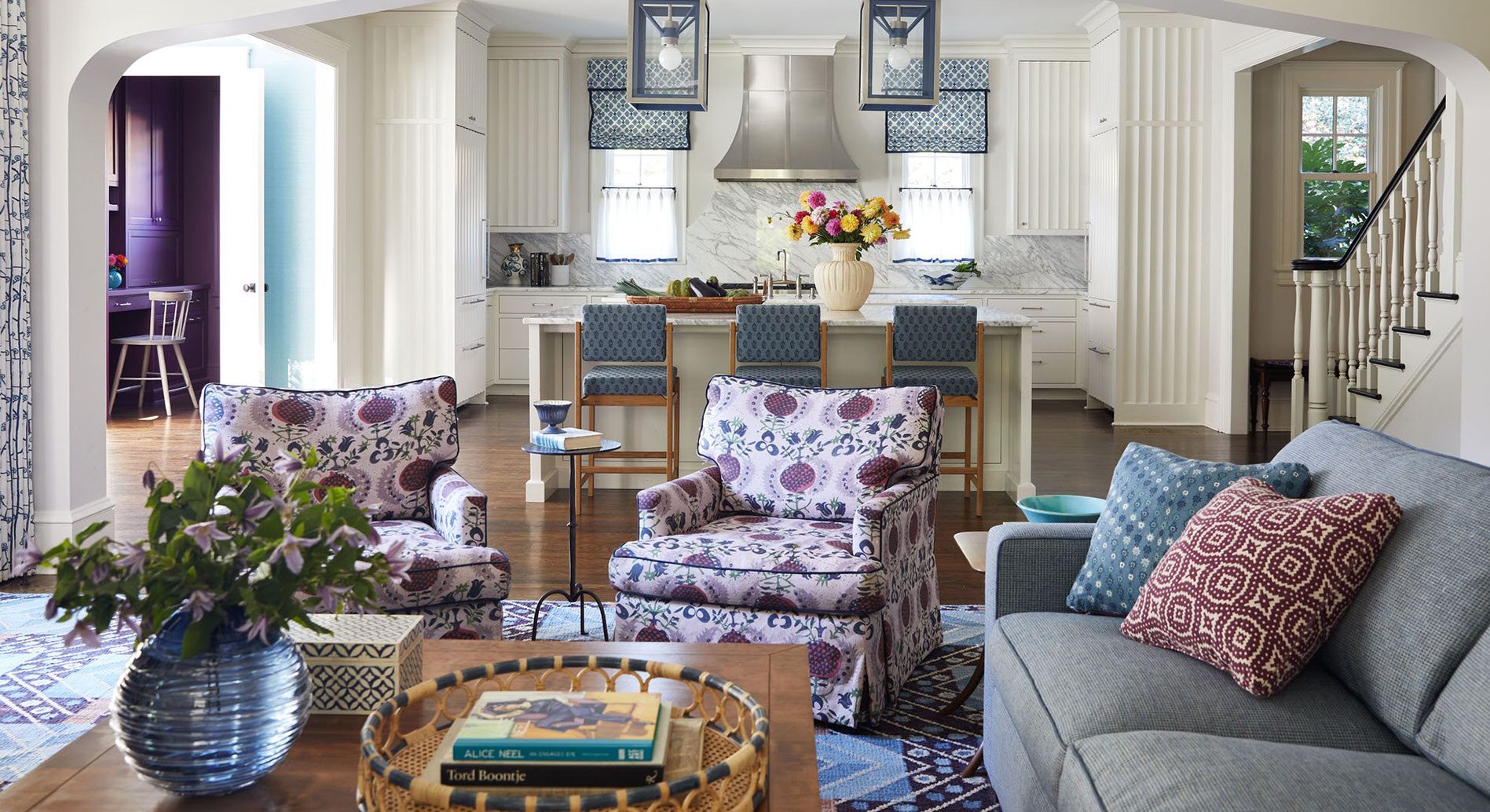
As seen on LUXE Southeast Cover. Designed by Story Street Studios. Featuring our Scandinavian rug. Read Article >>
Swedish Deco is a design language that harmonizes minimalism with storytelling, and restraint with rich folkloric heritage. It is not merely a regional variation of Art Deco. Rather, Swedish Deco emerged as a deeply Nordic articulation of modernity—inflected by rural traditions, anchored in egalitarian values, and quietly revolutionary in its inclusion of women artisans, particularly weavers, in the design canon.
This blog explores the historical genesis, art behind, and socio-cultural significance of Swedish Deco, emphasizing its nuanced departure from the bolder, metallic flamboyance of its Parisian or New York counterparts.
At its heart, Swedish Deco is a story of innovation, nationalism, and textile wisdom spun by the hands of women—who, through loom and fiber, etched a design ethos into Swedish identity.
The Genesis: Swedish Grace and the Interwar Years
Swedish Deco is often colloquially referred to as “Swedish Grace”, a term coined to describe the elegant stylistic movement that flourished primarily between 1920 and 1939, crystallizing in exhibitions such as the 1925 Exposition Internationale des Arts Décoratifs et Industriels Modernes in Paris. While the global Art Deco emphasized industrial prowess, symmetry, and luxury, the Swedes refined its sharpness into something more pastoral, humane, and democratic.
Designers like Carl Malmsten, Gunnar Asplund, and Axel Einar Hjorth helped shape the architectural and furniture dimensions of Swedish Deco—favoring native woods like birch and pine, soft-hued painted finishes, and hand-carved details that honored pre-industrial Swedish craft. However, behind the gentle palettes and restrained lines was a powerful social mission: to forge a new national aesthetic that was modern, yet distinctively Swedish, and accessible to all.
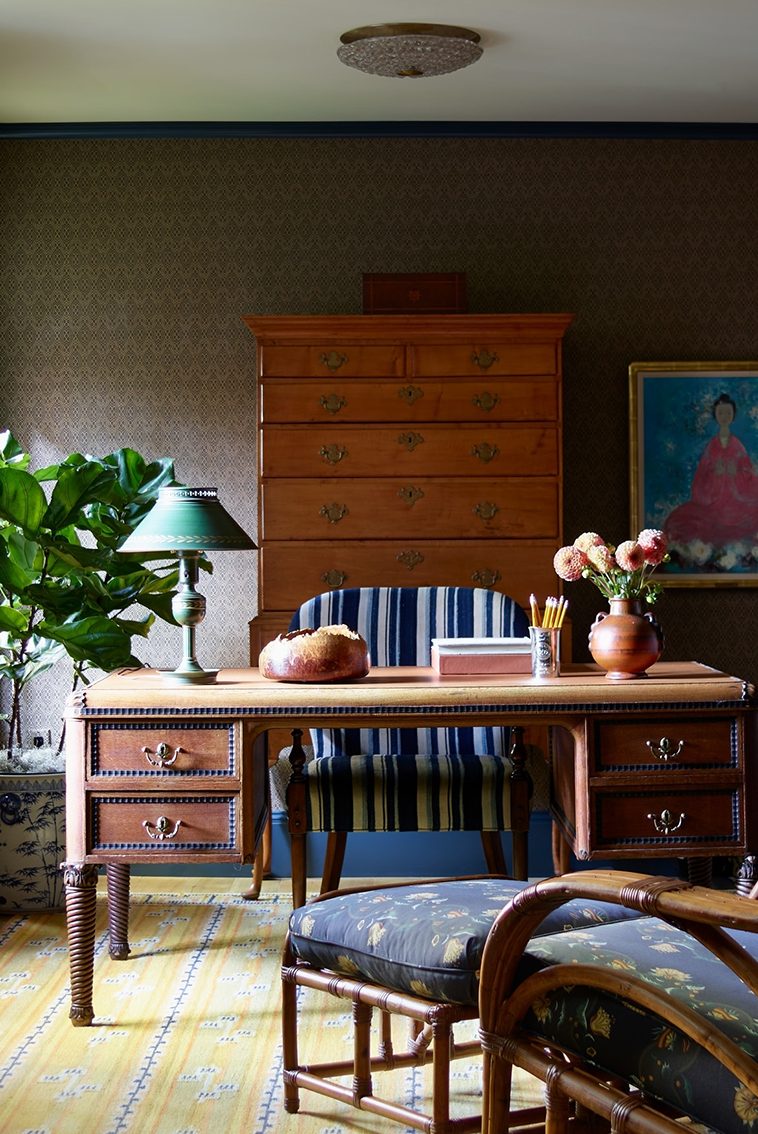
Nina Farmer Interiors x Rug & Kilim
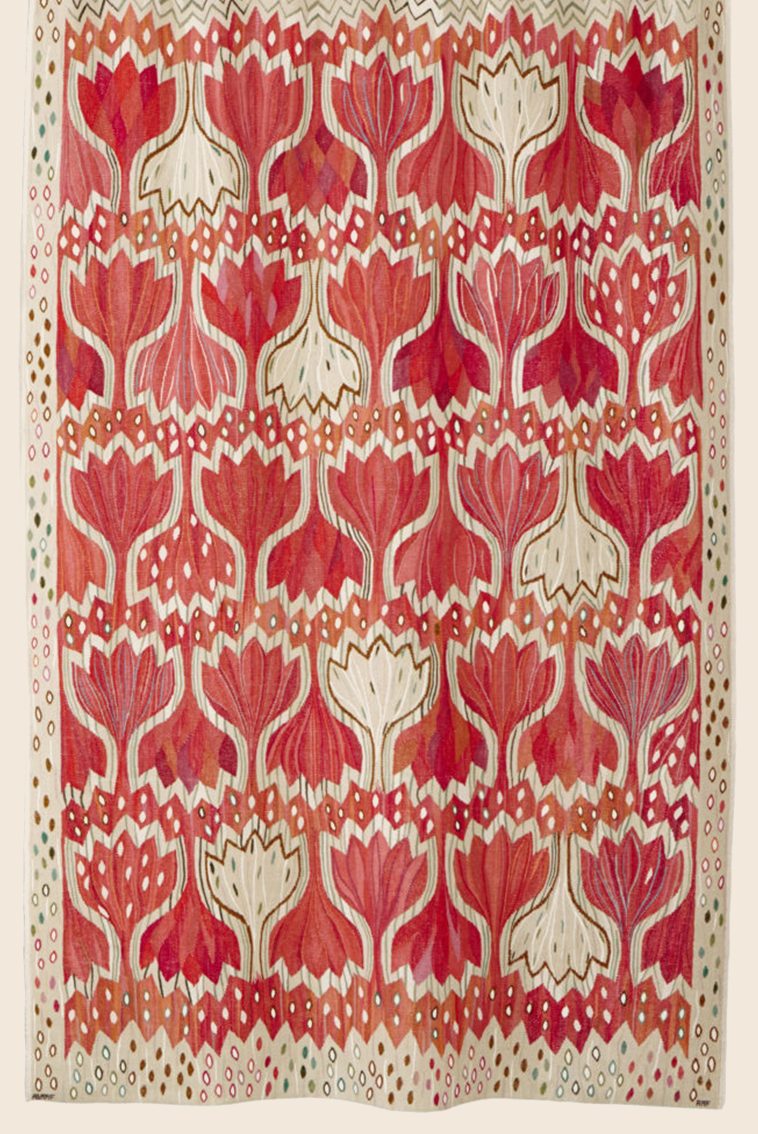
A tapestry by Måås-Fjetterström
Women in Swedish Deco
Any regard of Swedish Deco that does not center women is critically incomplete. The movement gave rise to—and was sustained by—an extraordinary lineage of women textile designers and weavers, who took center stage in national pavilions and domestic interiors alike.
Names like Märta Måås-Fjetterström, Barbro Nilsson, and Ingegerd Silow are the major authors of this textile history. Through workshops like MMF AB, founded by Måås-Fjetterström in 1919 in Båstad, these women pioneered woven tapestries, rugs, and ecclesiastical textiles that melded Swedish folklore with geometric modernism. Their weaves were rhythmic, symbolic, and deeply connected to the Nordic landscape—evoking forests, snow, lakes, and seasons.
In a period when women were largely marginalized in architectural and industrial design circles, weaving became a conduit for influence. It was both domestic and divine—both a political act of identity and a meditative discipline. These weavers infused Deco with warmth, texture, and meaning, and their work graced embassies, royal residences, and the rising middle-class home.
Materials, Motifs, and Mood
Unlike the brassy excesses of New York Deco or the lacquered flamboyance of Shanghai Art Deco, Swedish Deco speaks in a dialect of beauty. It draws from the country’s agrarian roots, Lutheran humility, and northern light.
Materials were tactile and local: blond wood, hand-dyed wool, iron, pewter, and glass. The color palette favored the subdued—misty blues, pale ochres, warm whites, and grays that recall lichen-covered stones and winter skies. Yet, within these quiet tones resided complexity: a woven rug might embed ancient runic patterns or reimagined floral motifs, transformed into modern abstraction.
Furniture designs balanced utility and elegance. Designers like Sven Markelius and Elsa Gullberg ensured the home became a site of harmony—every object purposeful, every form gentle. Even in public buildings and pavilions, Swedish Deco leaned toward serenity, human scale, and craftsmanship.
In essence, Swedish Deco married modern form to folk soul, producing a hybrid aesthetic that still resonates with today’s sustainable and emotionally resonant design narratives.
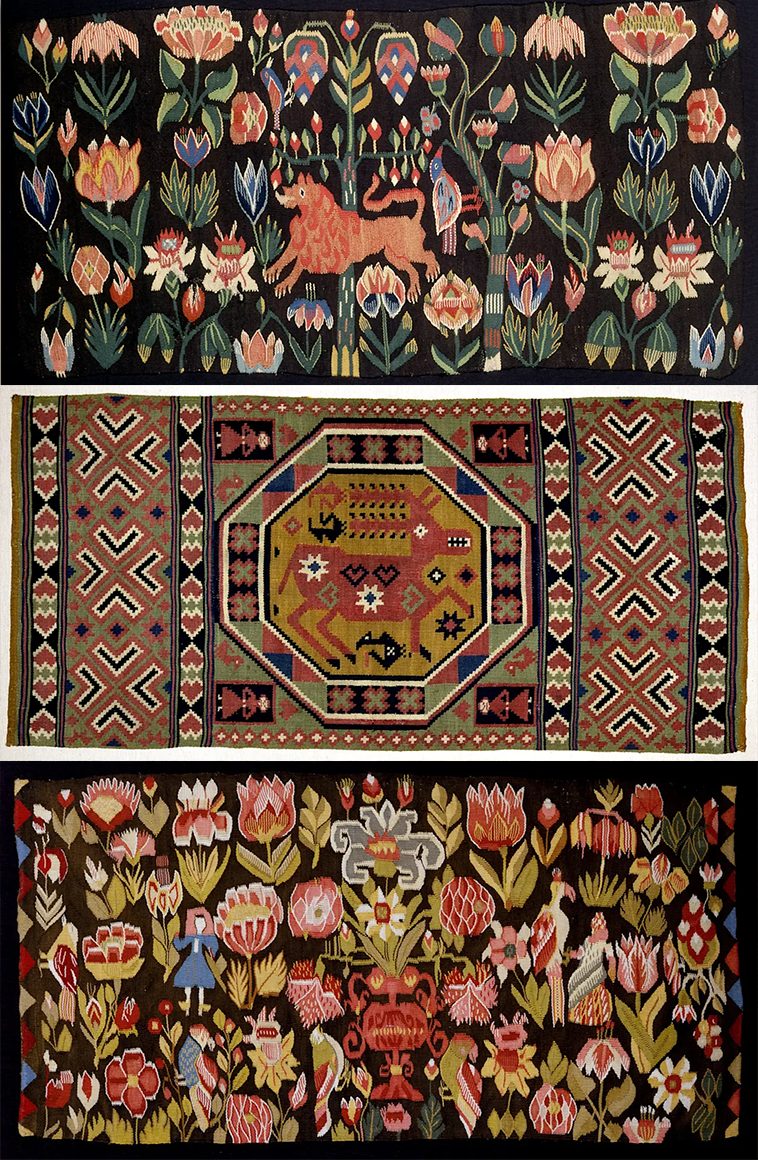
Traditional Scandinavian Folk Art
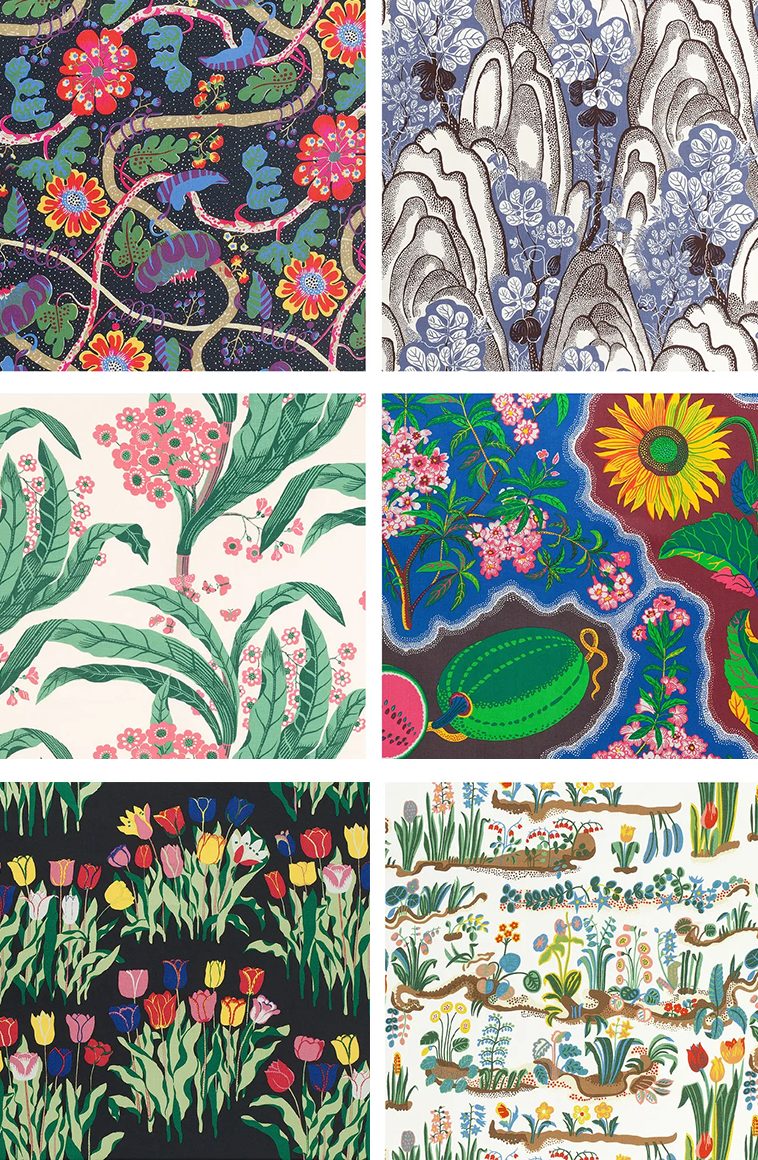
Swedish Prints Nearly a Century Old, but Relevant as Ever Today. As featured in The New York Times Style Magazine: Prints by the Austrian architect and designer Josef Frank, which were designed in the 1920s and ’40s.
Legacy and Contemporary Resonance
Swedish Deco’s commitment to natural materials, local traditions, and emotional restraint aligns with the slow design movement and contemporary Scandinavian minimalism.
Brands like Svenskt Tenn, which showcases the timeless work of Josef Frank, continue to channel the spirit of Swedish Deco in interiors around the world. Meanwhile, contemporary textile designers—many of them women—are revisiting the legacies of Måås-Fjetterström and Nilsson, honoring their vision through reinterpretation and revival.
Architecturally, the principles of Swedish Grace continue to inform Nordic housing projects and public spaces—prioritizing light, proportion, and dignity. And in academia, museums such as the Nordiska Museet and Nationalmuseum Stockholm increasingly acknowledge the role of women textile artists not as decorative adjuncts, but as the very backbone of Swedish decorative modernism.
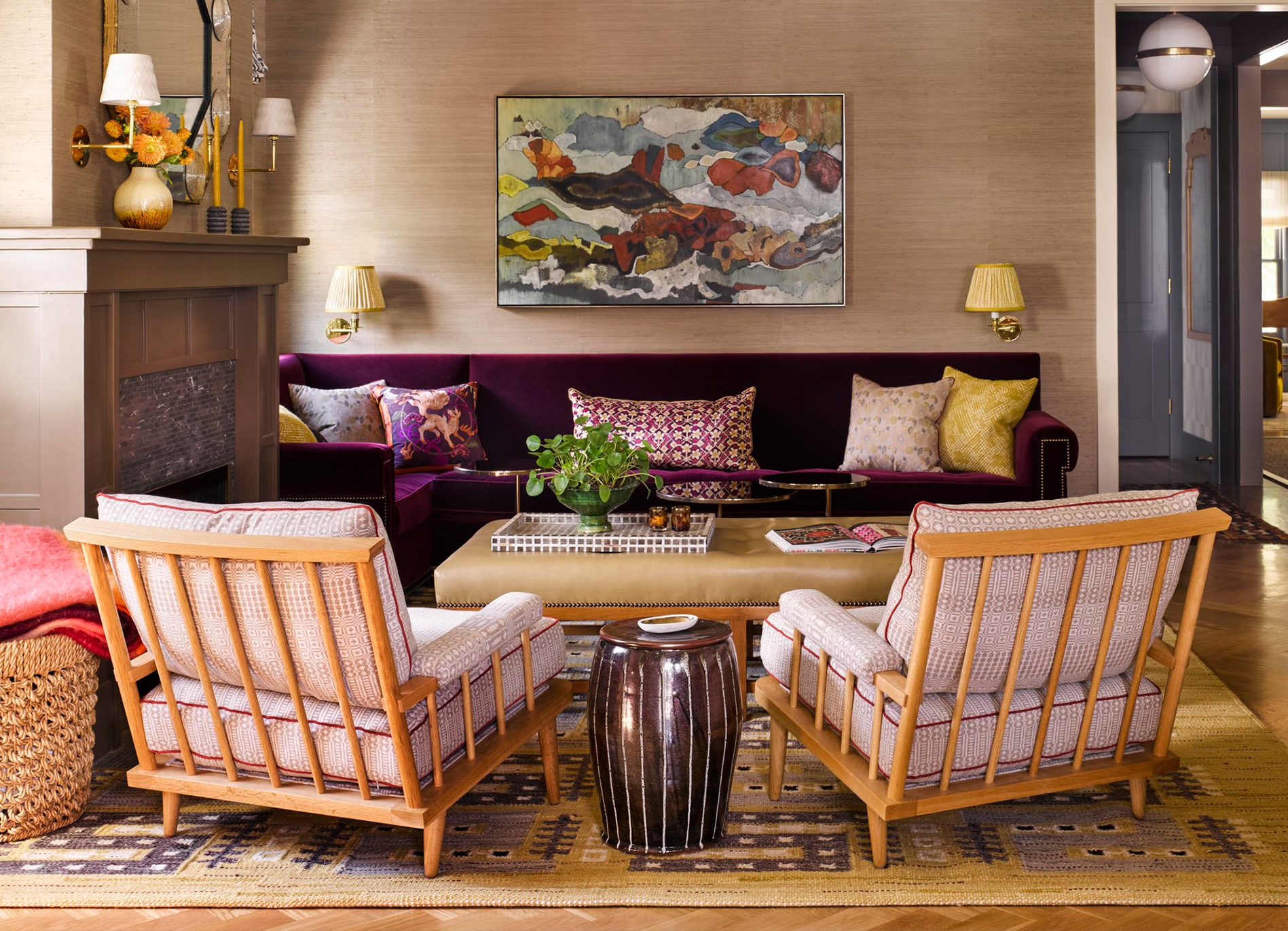
Story Street Studio x Rug & Kilim
Designing with Memory
With over four decades of experience in building an institution, we often remind admirers of the craft and designers alike: Swedish Deco is not about replicating a look—it is about embodying a philosophy. It urges us to consider where our materials come from, who makes them, and what cultural stories they whisper into our homes.
For the lovers of Scandinavian design and curious minds about how culture shapes style, Swedish Deco is a beautiful reminder: sometimes, the most powerful stories are told in quiet tones.
In honoring Swedish Deco, we honor a movement that placed dignity, craft, and community at the center of modern life—and in doing so, redefined what it means to live beautifully.